Stop and call for qualified help when plumbing water is near electrical equipment, sewage is entering occupied space, gas or burning odors are present, or a repair would require opening pressurized piping.
You are touring a Destin home you may buy when you notice a stain below a bathroom sink, a shower that drains slowly, or weak flow at an outdoor faucet. Those signs do not automatically mean the home has a major plumbing failure, but they should not be dismissed. The safest immediate action is to photograph what you see, avoid forcing valves or removing covers, ask the seller for repair records, and arrange a licensed plumbing inspection during your inspection period.
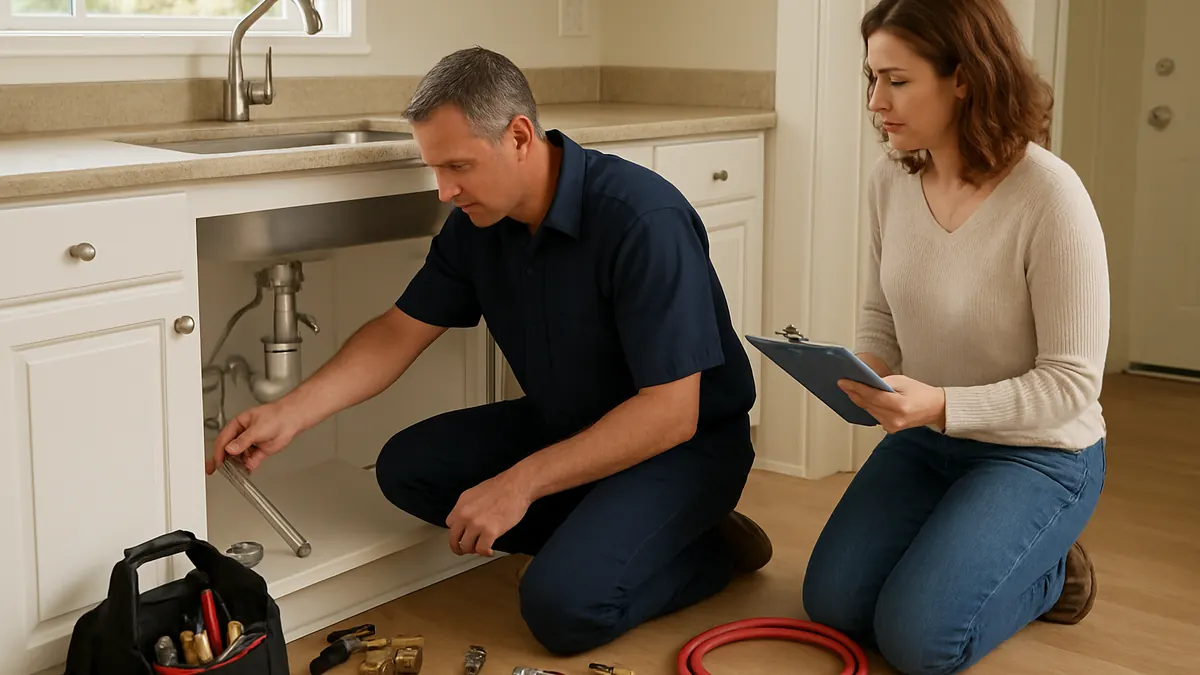
A plumbing inspection checklist before buying a Northwest Florida home in Destin gives you a focused review. A plumber can evaluate supply piping, drains, fixtures, shutoff valves, water-heating equipment, and accessible connections. This inspection helps you understand what is working, what may need repair, and what deserves further investigation before closing.
Plumbing Inspection Checklist Before Buying a Northwest Florida Home in Destin: Start With the Supply
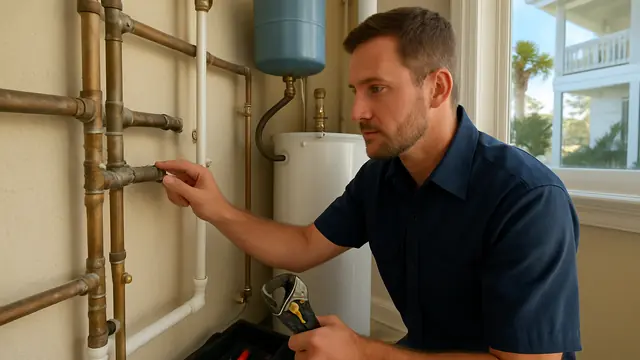
The water-supply system carries pressurized water to faucets, toilets, appliances, hose connections, and the water heater. A plumber checks accessible piping for leaks, corrosion, unsupported sections, previous repairs, and materials that may require closer evaluation.
Water pressure matters. Low pressure may come from a partially closed valve, clogged fixture, regulator problem, supply restriction, or buildup inside a component. Excessive pressure can shorten the life of toilet valves, appliance hoses, connectors, and water-heater parts.
Inspect Every Fixture and Connection
Toilets should flush fully, refill normally, and remain stable at the floor. A rocking toilet can damage the seal that keeps wastewater and sewer gas contained. A toilet that continues running may need an adjustment or replacement of internal parts.
Showers and tubs should drain without prolonged pooling. The inspector also checks surrounding walls, ceilings, trim, and flooring for signs that water may be escaping around the drain, valve, supply piping, or enclosure.
Evaluate Drains and the Sewer Line
One slow sink may have a localized blockage. Several slow fixtures, gurgling toilets, sewer odor, or wastewater appearing in a tub can point to a restriction farther downstream.
A licensed plumber can test drainage, inspect accessible cleanouts, and determine whether a sewer camera inspection is appropriate. During a camera inspection, a small camera is advanced through the building drain or sewer line to look for buildup, offsets, cracks, standing water, root intrusion, or damaged sections.
A camera inspection can reduce uncertainty when symptoms are present or repair history is unclear.
Check the Water Heater and Safety Components
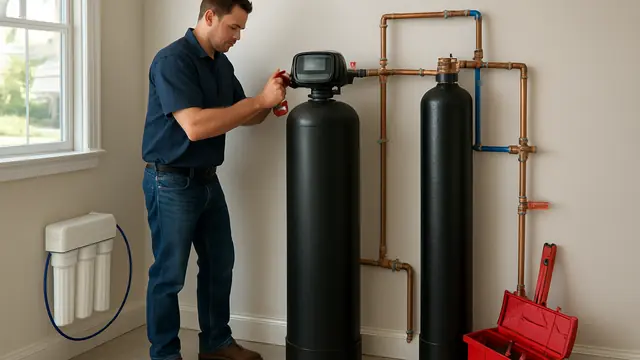
The plumber should evaluate the water heater for leakage, corrosion, installation condition, shutoff access, drain-pan condition, and visible safety components. Gas-fired equipment also requires attention to venting and combustion-related conditions; electric equipment should be checked for visible wiring or connection concerns.
The temperature-and-pressure relief valve is designed to release water if temperature or pressure becomes unsafe. Buyers should not operate that valve during a showing because an older valve may fail to reseal. A plumber can evaluate the valve and its discharge piping without creating an unnecessary risk.
Look for Evidence of Hidden Leaks
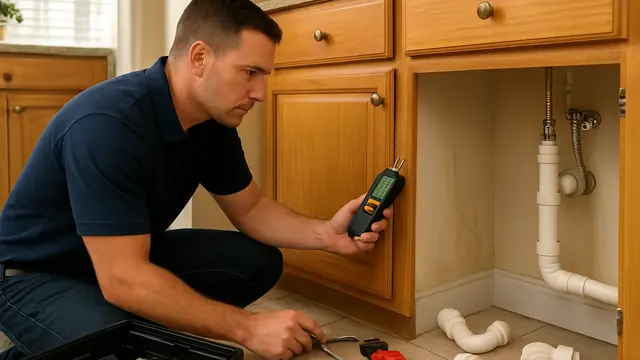
Hidden plumbing leaks may show up as ceiling stains, peeling paint, soft flooring, warped trim, damaged cabinets, or a persistent musty odor.
A plumber may use moisture readings, pressure testing, or fixture isolation to determine whether damage is cosmetic or connected to an active plumbing problem.
Safe Checks a Buyer Can Perform
Run hot and cold water at each faucet and note changes in pressure. Watch how quickly sinks, tubs, and showers drain. Flush every toilet and wait for it to stop filling. Look beneath sinks for moisture, staining, improvised repairs, or damaged cabinet material.
Check ceilings below bathrooms and walls behind fixtures for stains or patchwork. Look at the water-heater area without touching valves or electrical components. Ask for invoices, permits, warranties, maintenance records, and details about prior leaks, drain cleaning, repiping, or sewer work.
What Buyers Should Not Attempt
Do not force old shutoff valves, remove cleanout caps, open electrical compartments, disassemble drain traps, or test the water-heater relief valve. Do not pour chemical drain cleaner into a slow drain. Chemicals can damage some components, create a hazard for technicians, and temporarily hide the real condition.
Do not accept a verbal statement that a stain is "old" without supporting information when the issue could affect the purchase. Request documentation or professional testing.
Signs That Make the Inspection Urgent
Arrange prompt evaluation when you see active dripping, water around the water heater, wastewater backup, sewer odor, several slow drains, a loose toilet, wet flooring, damp ceiling stains, or unexplained water-meter movement when fixtures are off.
Urgency also increases when water service is shut off during the showing, when repeated repairs cannot be explained, or when important areas are inaccessible. A serious symptom does not automatically mean you should reject the home. It means you need reliable information before your contractual deadlines expire.
How a Licensed Plumber Diagnoses the System
A plumber starts with the buyer's observations and the property's known history. The inspection may include pressure testing, fixture operation, visible-piping review, leak detection, water-heater evaluation, drain-flow testing, and sewer-camera inspection when justified.
The plumber separates symptoms from causes. Low flow at one faucet may be a clogged aerator, while low flow throughout the home may require evaluation of the main shutoff, regulator, service line, or supply piping.
The final explanation should identify confirmed problems, suspected concerns, inaccessible areas, and which items are urgent, negotiable, or appropriate for future maintenance.
Repair Options From Least Invasive to More Extensive
Many findings can be corrected without major replacement. Small repairs may include replacing a faucet cartridge, toilet fill valve, flexible connector, trap component, worn shutoff valve, or leaking drain assembly.
Moderate work may involve clearing a drain, repairing a localized pipe section, replacing a damaged fixture, correcting water-heater safety components, or adding an accessible cleanout.
More extensive work may include water-heater replacement, underground sewer repair, partial repiping, whole-home repiping, or correction of major installation deficiencies. The right choice depends on verified condition, access, remaining service life, and the buyer's plans.
Factors That Affect Cost
Cost depends on problem location, access, pipe material, labor, equipment type, permit requirements, restoration needs, and whether the issue is isolated or systemwide.
A repair inside an open vanity is generally simpler than work beneath a slab or behind finished tile. Sewer work varies according to depth, length, access, and the exact defect. Water-heater work depends on capacity, energy source, installation condition, and needed safety corrections.
Prevention and Maintenance After Closing
After purchase, locate the main water shutoff and label fixture valves. Replace worn appliance hoses, repair small leaks promptly, avoid flushing wipes or unsuitable materials, and follow maintenance recommendations for the water heater.
Keep invoices and photographs of repairs. If the property will be vacant for periods of time, arrange regular checks and know how to shut off water safely. Preventive maintenance cannot stop every failure, but it can limit damage and reveal problems while they remain manageable.
Make an Informed Decision Before Buying
A plumbing inspection checklist before buying a Northwest Florida home in Destin helps separate normal maintenance from conditions that may require immediate repair or long-term planning. Clear testing gives you a stronger basis for deciding whether to proceed, negotiate, request repairs, or seek additional evaluation.
About this guide: This resource provides general homeowner education, not a remote diagnosis. Actual conditions, code requirements, equipment, and safe repair options must be evaluated at the property.