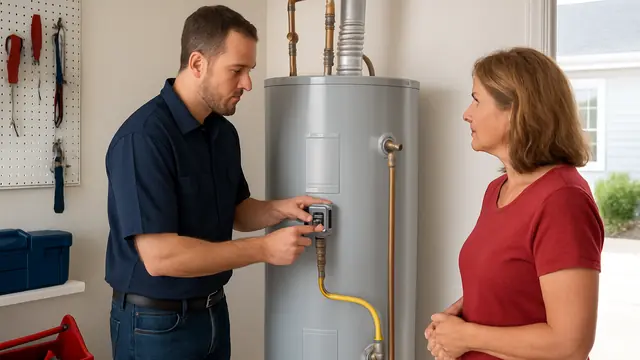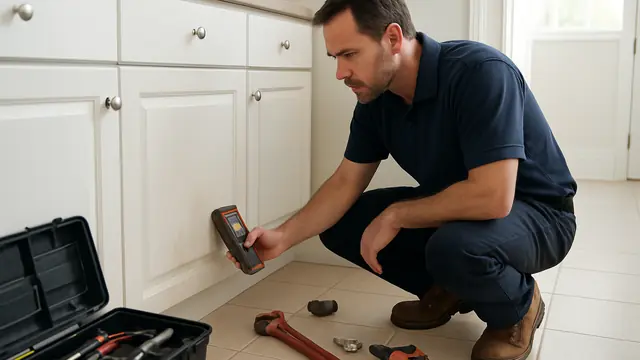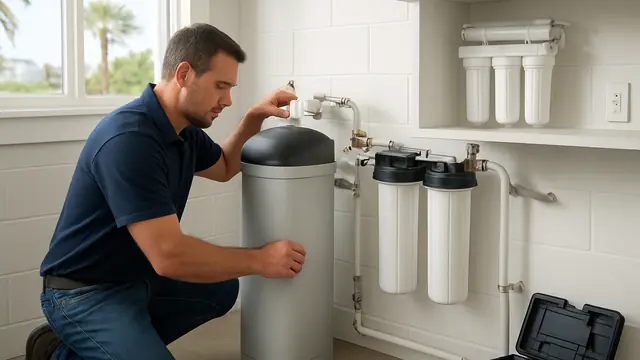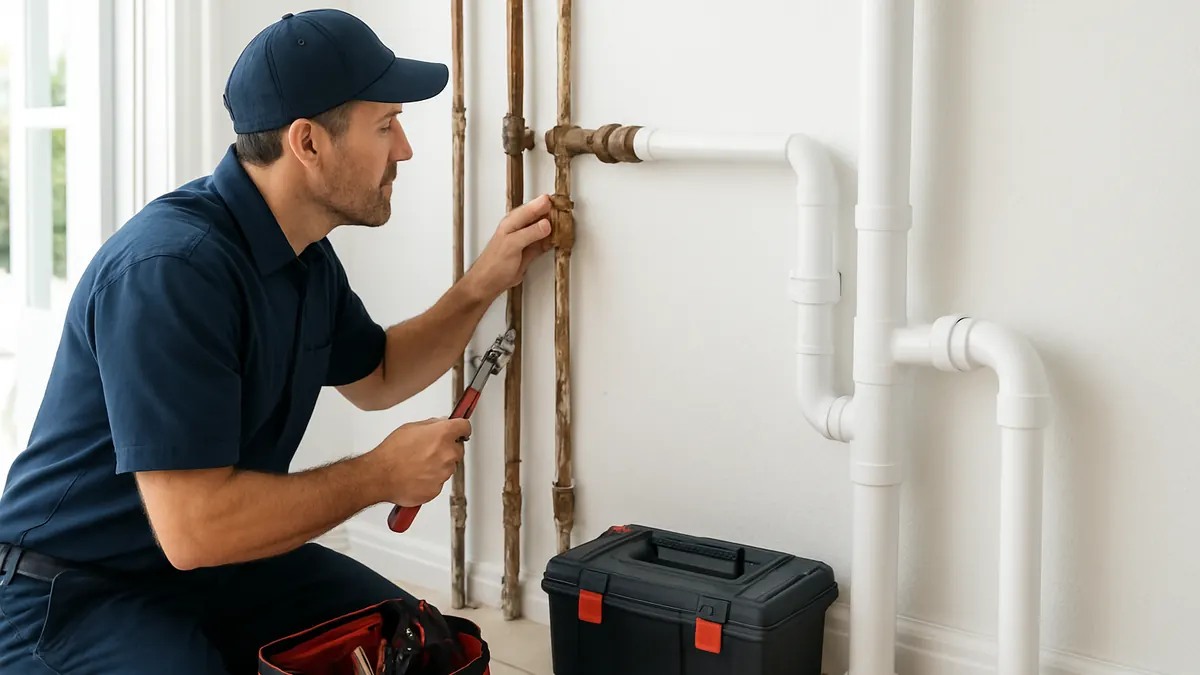
Stop and call for qualified help when plumbing water is near electrical equipment, sewage is entering occupied space, gas or burning odors are present, or a repair would require opening pressurized piping.
A small ceiling stain appears near a bathroom, but no fixture is visibly leaking. The stain dries after the water is shut off, a short section of pipe is repaired, and everything seems normal again. Then another damp area appears elsewhere. In an Alys Beach home, that pattern may indicate more than a single bad fitting. It may be one of the signs your home needs repiping.
Repiping replaces water-supply lines in one section or throughout the home. It does not mean opening every wall, and age alone is not enough reason to recommend it. The decision should reflect pipe condition, leak history, pressure, accessibility, and future risk.
If you see active leaking, protect the property first. Shut off the nearest fixture valve or the main water supply when it is safe to do so. Move valuables away from the wet area, avoid electrical equipment near water, and call a licensed plumber. Do not reopen the valve repeatedly to see whether the leak has stopped.
The Most Telling Repiping Warning Signs
More Than One Concealed Leak
A concealed leak occurs behind a wall, above a ceiling, or below flooring. One may result from a damaged fitting. Multiple concealed leaks in different areas suggest the remaining system deserves evaluation.
The warning is stronger when repairs involve the same material or failure. Repeated openings and patches create disruption and leave the home exposed to another loss.
Water Pressure That Varies by Room
One bathroom may flow normally while a distant shower is weak. A local valve or clogged fixture can cause this, but restrictions, undersized branches, or the piping layout may also be responsible.
A plumber should compare flow and pressure. The location of the weakness helps show whether the issue is local, branch-specific, or system-wide.
Noisy Pipes and Abrupt Pressure Changes
Banging or rattling when valves close can result from water hammer, loose supports, high pressure, or fast-closing valves. These conditions can stress joints even when repiping is not required.
If noise is accompanied by leaking, unstable pressure, or movement in exposed pipes, the system should be inspected before another failure occurs.
Corrosion at Valves, Joints, and Exposed Lines
Inspect safely accessible areas under sinks, around the water heater, and near exposed valves. Rust, green-blue staining, crusty buildup, flaking metal, or moisture around several connections can indicate deterioration.
A single corroded valve may be replaced. Corrosion at numerous locations raises concern about concealed piping.
Water Color, Odor, or Particles That Persist
Discoloration at one hot-water fixture may point to the heater or a local connection. Hot-and-cold discoloration at several fixtures may involve supply piping or incoming water.
Identify the source first. Repiping will not solve a utility issue, and heater replacement will not correct deteriorated cold-water lines.
Why Plumbing Systems Begin Failing
Material is only one factor. Installation quality, pressure, temperature, support, fitting compatibility, damage, and water chemistry also affect service life.
High pressure can strain valves, connectors, and pipe joints. Restricted metal piping can reduce flow as corrosion builds inside. Plastic systems can develop problems where fittings are incompatible, connections were poorly made, or pipes were damaged during construction or later work.
An isolated failure can also begin when a fastener or remodeling project contacts a concealed pipe. That differs from widespread deterioration.
Safe Checks Before the Plumber Arrives
Check whether the symptom affects hot water, cold water, or both. Test several fixtures and note whether weak flow is local or widespread.
Look for cabinet swelling, loose flooring, bubbling paint, ceiling discoloration, damp baseboards, or a musty smell. Use your hand only on surfaces that are safe and away from electrical components.
With fixtures and appliances off, observe the meter if safely accessible. Movement may suggest a leak, though it cannot identify the location.
Gather prior repair records. Dates, photographs, invoices, and affected rooms help reveal a pattern.
What Homeowners Should Not Attempt
- Do not remove tile, cabinetry, ceilings, or large wall sections to trace piping. A plumber can often narrow the likely location before access is created.
- Do not use drain chemicals for a supply-pipe problem. They cannot repair pressurized water lines and may create another hazard.
- Do not rely on a temporary clamp or sealant for a concealed line without professional direction. Some emergency repairs are appropriate, but the surrounding pipe must be examined.
- Do not turn a pressure regulator higher to improve weak flow. If the pipe is restricted or vulnerable, additional pressure may increase the chance of leakage.
When the Problem Requires Urgent Action
Treat water near panels, outlets, lights, appliances, or wiring as urgent. Keep away and shut off water when safe.
A bulging ceiling, spreading stain, warm floor, sudden pressure loss, moving meter, or water sound behind a surface requires prompt attention.
Even without visible flooding, repeated leaks within a short period justify timely planning. Waiting for the next failure can turn a controlled project into an emergency restoration.
How a Licensed Plumber Determines Whether Repiping Is Needed
The plumber reviews symptoms and prior repairs. Testing may include static and flowing pressure, fixture comparison, valve inspection, and leak detection.
Accessible pipe is checked for material, corrosion, support, patches, and stress. Sections may be isolated to distinguish a branch problem from a system-wide issue.
The diagnosis should answer three questions: What failed? Why did it fail? How likely is the same problem elsewhere? Those answers distinguish a repairable defect from a system that is becoming unreliable.
Repair and Replacement Choices
The least invasive repair may involve an aerator, valve, connector, regulator, or short damaged pipe section.
If one branch serves the affected area and the remaining piping is sound, branch replacement may be enough. This is a partial repipe, not a whole-house project.
Selective replacement can be coordinated with remodeling. A complete repipe may be justified when failures are widespread, vulnerable piping remains throughout the home, flow is restricted, or repeated access is no longer practical.
PEX and copper are common replacement choices. The material depends on approved applications, route, access, installation requirements, and homeowner goals.
What Determines the Cost
Cost is affected by fixture count, stories, pipe lengths, access, construction, furnishings, and replacement material.
Finish removal matters. Tile, built-ins, cabinetry, and detailed surfaces require protection. The proposal should clearly assign drywall, painting, and restoration responsibilities.
Permits, inspections, insulation, firestopping, reconnections, and temporary service also influence scope. Compare included work, not only total cost.
Preventing Future Water-Supply Problems
Keep the main shutoff accessible. Test homeowner-operated valves periodically without forcing them. Replace worn washing-machine hoses, refrigerator lines, toilet connectors, and faucet supplies before they fail.
Have pressure checked when fixtures begin making noise or connectors fail repeatedly. Investigate stains and damp smells early. For a property that may sit unoccupied, consider monitored leak sensors and an automatic shutoff device.
After repiping, retain photographs of routes and access points before walls are closed. This record can help with future maintenance and prevent accidental pipe damage.
Make a Decision Based on Evidence
The signs your home may need repiping in Alys Beach are strongest when problems form a pattern: concealed leaks, corrosion in several locations, unstable pressure, persistent discoloration, or repeated repairs involving the same piping. A careful diagnosis can prevent premature replacement and repeated temporary repairs.
About this guide: This resource provides general homeowner education, not a remote diagnosis. Actual conditions, code requirements, equipment, and safe repair options must be evaluated at the property.