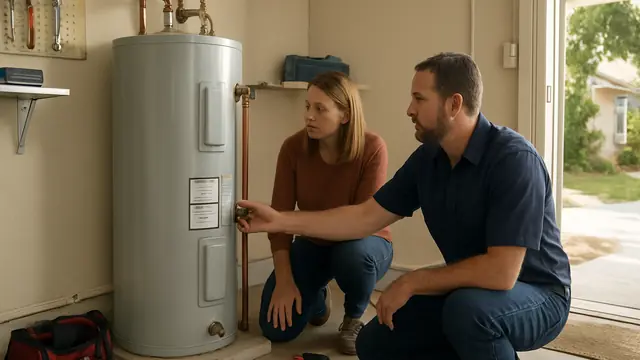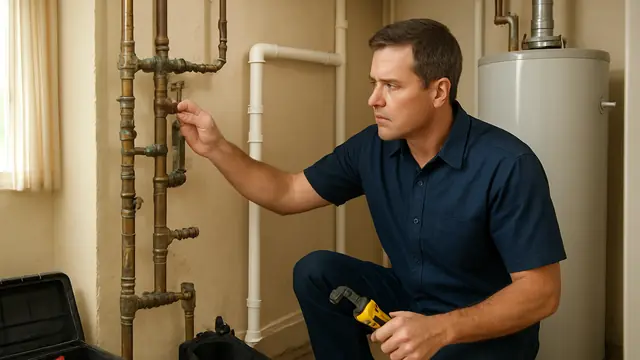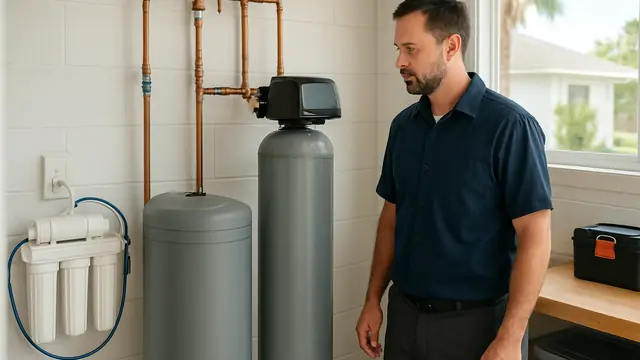
Stop and call for qualified help when plumbing water is near electrical equipment, sewage is entering occupied space, gas or burning odors are present, or a repair would require opening pressurized piping.
A faint brown mark appears on the ceiling below a bathroom, but it does not drip. After the next shower, the mark looks darker and the room develops a damp smell. These may be among the seven warning signs of a hidden plumbing leak in Ocean City, FL.
Stop using the fixture above or nearest the affected area. If water is actively spreading, close the fixture shutoff valve when one is available and working. Otherwise, shut off the home's main water supply. Do not touch wet electrical devices or stand beneath a sagging ceiling.
Hidden Leaks Leave Patterns Before They Leave Puddles
A supply pipe remains under pressure and can leak even when no fixture is operating. A drain pipe or fixture seal may leak only when water passes through it. Water can also travel along framing, piping, or flooring before appearing somewhere else.
Seven Warning Signs of a Hidden Plumbing Leak in Ocean City
1. A Stain Expands, Darkens, or Feels Soft
Bubbling paint, loose texture, and softened drywall can indicate moisture.
Photograph the area and compare it before and after using nearby plumbing. Do not puncture a ceiling bulge. Waterlogged drywall may fall, and electrical wiring may be nearby.
2. The Water Meter Changes When No Water Should Be Running
Turn off faucets, irrigation, washing machines, dishwashers, ice makers, and other automatic water-using equipment. Confirm that toilets have stopped filling. Record the meter, avoid water use for 15 to 30 minutes, and check again.
Movement may indicate a supply leak, but it can also come from a running toilet or an automatic device. The test confirms possible water use; it does not locate the failure.
3. A Water Bill Increases Without an Obvious Cause
Compare water use with a similar billing period and consider guests, irrigation, pool filling, cleaning, laundry, and occupancy changes. When normal activity does not explain the increase, inspect the plumbing.
4. Flooring, Cabinets, or Baseboards Change Shape
Moisture may cause cabinet bottoms to swell, baseboards to separate, laminate to lift, wood flooring to cup, or grout to darken. Use a dry paper towel around exposed valves, flexible connectors, and drain fittings. Stop using the related fixture if the material becomes wetter after use.
5. A Musty Smell Returns in the Same Location
Persistent odor inside a vanity, closet, laundry area, or closed room may indicate trapped moisture. Plumbing is not the only possibility. Roof intrusion, condensation, and exterior drainage can create similar odors. Plumbing becomes more likely when the smell follows fixture use or accompanies meter movement, staining, or swollen finishes.
6. You Hear Dripping, Hissing, or Running Water
Listen when toilets, appliances, and irrigation are quiet. Continuous hissing may be associated with a pressurized supply leak. Dripping heard only after a fixture drains may point to a failed drain connection or seal.
Check toilets for unexpected refilling. Do not drill or cut into finished surfaces based only on sound.
7. Pressure Drops or Fluctuates Throughout the Home
One slow faucet may have a clogged aerator or cartridge. A pressure change at several fixtures can involve the main valve, pressure regulator, utility supply, or a substantial leak.
Test multiple cold-water fixtures. If pressure falls while the meter records continued use, shut off the main supply and call a licensed plumber.
Common Causes of Concealed Water Leaks
Hidden leaks frequently begin at toilet seals, faucet supply lines, appliance hoses, shutoff valves, shower connections, drain joints, or water-heater fittings. Concealed supply and drain pipes can also develop local failures.
Corrosion, high pressure, vibration, movement, age, accidental damage, poor support, and installation stress may contribute.
Safe Checks the Homeowner Can Perform
Complete a controlled meter test. Check exposed plumbing with a flashlight and dry paper towel. Look for toilet tanks that refill when no one has flushed. Note whether the symptom is connected to hot water, cold water, drainage, or an appliance cycle.
Photograph damage and note when it changes. Move belongings from damp areas if safe. Locate the main shutoff.
If a fixture valve stops the water, leave that fixture off.
What the Homeowner Should Not Attempt
Do not remove drywall, flooring, cabinets, tile, or concrete before the likely source is identified.
Do not use chemical pipe sealers or improvise a repair on pressurized plumbing. Avoid forcing a stuck valve or repeatedly tightening a fitting. The component may crack or twist hidden piping.
Never enter standing water near electrical equipment. Do not continue using a fixture when each use enlarges a stain or softens the surrounding materials.
When a Hidden Leak Becomes Urgent
Act immediately when water is near wiring, a ceiling sags, flooring becomes unstable, sewage appears, the meter moves rapidly, or water pressure drops suddenly. Shut off the main supply when active leakage cannot be controlled with a fixture valve.
How a Licensed Plumber Locates the Source
Diagnosis begins with the symptom history and visible conditions. A plumber may test the meter, measure water pressure, isolate fixtures and appliances, separate hot-water from cold-water piping, and operate drains individually.
Moisture meters help map affected materials. Acoustic equipment may detect pressurized leakage. Thermal imaging can reveal temperature differences associated with moisture. Pressure tests, tracer methods, or sewer-camera inspection may be used when appropriate.
The plumber compares results before recommending an access point.
Repair Options From Smallest to Most Extensive
An accessible leak may require a new supply line, shutoff valve, cartridge, appliance hose, drain fitting, toilet seal, or water-heater connector. A localized concealed pipe failure may be repaired through a controlled opening.
When direct access would damage extensive finishes, rerouting may be preferable. Sectional replacement may suit piping that remains serviceable.
Partial or whole-home repiping is reserved for situations involving repeated failures, widespread deterioration, or multiple documented weak sections. The plumber should explain why a targeted repair, reroute, or broader replacement fits the evidence.
Factors That Affect Repair Cost
Cost depends on the time required to locate the source, whether the failure involves supply or drainage piping, the material and size of the pipe, and the accessibility of the area. Tile, concrete, cabinetry, excavation, and tight workspaces can add labor.
Emergency service, drying, and finish restoration may be separate. Ask what diagnosis, access, repair, testing, and restoration include.
Prevention and Maintenance Guidance
Inspect visible appliance hoses, fixture connectors, shutoff valves, and water-heater fittings for corrosion, cracking, bulging, or moisture. Repair toilets that run or rock, and investigate stains that repeatedly return.
Keep the main shutoff accessible. Review water bills and usage rather than waiting for visible damage. Have water pressure evaluated when pipes bang, flow fluctuates, or connectors fail repeatedly.
Do Not Wait for a Visible Stream of Water
The seven warning signs of a hidden plumbing leak in Ocean City, FL include changing stains, meter movement, unexplained water use, damaged finishes, recurring odors, water sounds, and pressure changes. A repeated pattern is enough reason to investigate.
Stop using the likely source, shut off uncontrolled water, document the timing, and avoid destructive searching. A licensed diagnosis can distinguish a small connection failure from a concealed pipe problem and support the least invasive dependable repair.
About this guide: This resource provides general homeowner education, not a remote diagnosis. Actual conditions, code requirements, equipment, and safe repair options must be evaluated at the property.