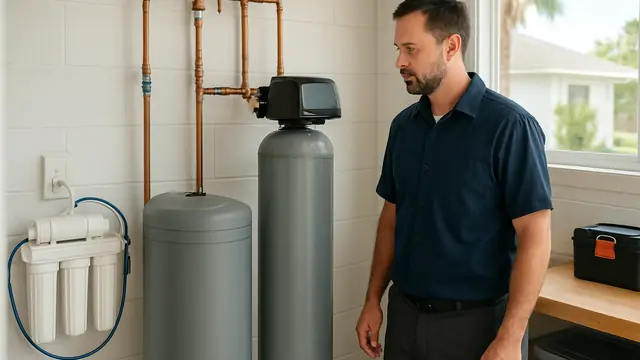
Stop and call for qualified help when plumbing water is near electrical equipment, sewage is entering occupied space, gas or burning odors are present, or a repair would require opening pressurized piping.
The storm track has moved closer, and you are completing the final household checklist. While filling water containers and securing outdoor items, you hear a bathroom drain gurgle, notice that the washing-machine valve is damp, or realize that the main water shutoff is behind a shelf you cannot move quickly.
These are exactly the kinds of problems that should be addressed before hurricane conditions arrive. Start by clearing a safe path to the main shutoff. If there is an active leak and the valve operates normally, close it. If the valve is corroded, frozen, or leaking, do not force it.
This Northwest Florida hurricane plumbing checklist in Ocean City explains how homeowners can inspect the system safely, recognize urgent warning signs, and understand the repair process without assuming that every storm-related symptom requires major replacement.
Create a Clear Plumbing Emergency Plan
Write down or photograph the locations of the main shutoff, meter, water heater, sewer cleanout, fixture valves, appliance shutoffs, and any pumps or treatment equipment.
If any plumbing component is shared or maintained by a landlord, association, or utility, confirm who should be contacted. Do not operate equipment you are not authorized to control.
Most Common Plumbing Concerns Before a Hurricane
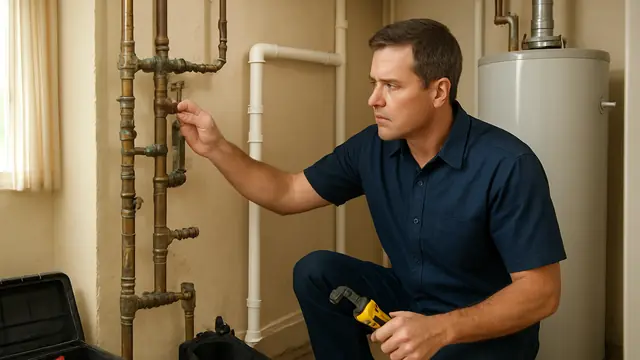
A Main Shutoff That Is Difficult to Operate
During an active leak, a delay in closing the main valve can increase water damage.
Worn Appliance and Fixture Connectors
Flexible supply lines can deteriorate at the hose, fitting, or crimp. Look closely at washing machines, toilets, refrigerators, dishwashers, faucets, and water heaters.
Existing Drain Restrictions
Hair, soap residue, grease, foreign objects, roots, or damaged piping can slow drainage. Increased household water use during storm preparation may reveal the problem.
Water-Heater Leaks
Moisture around the base can come from a fitting, valve, drain connection, pan, or tank.
Outdoor Plumbing Exposure
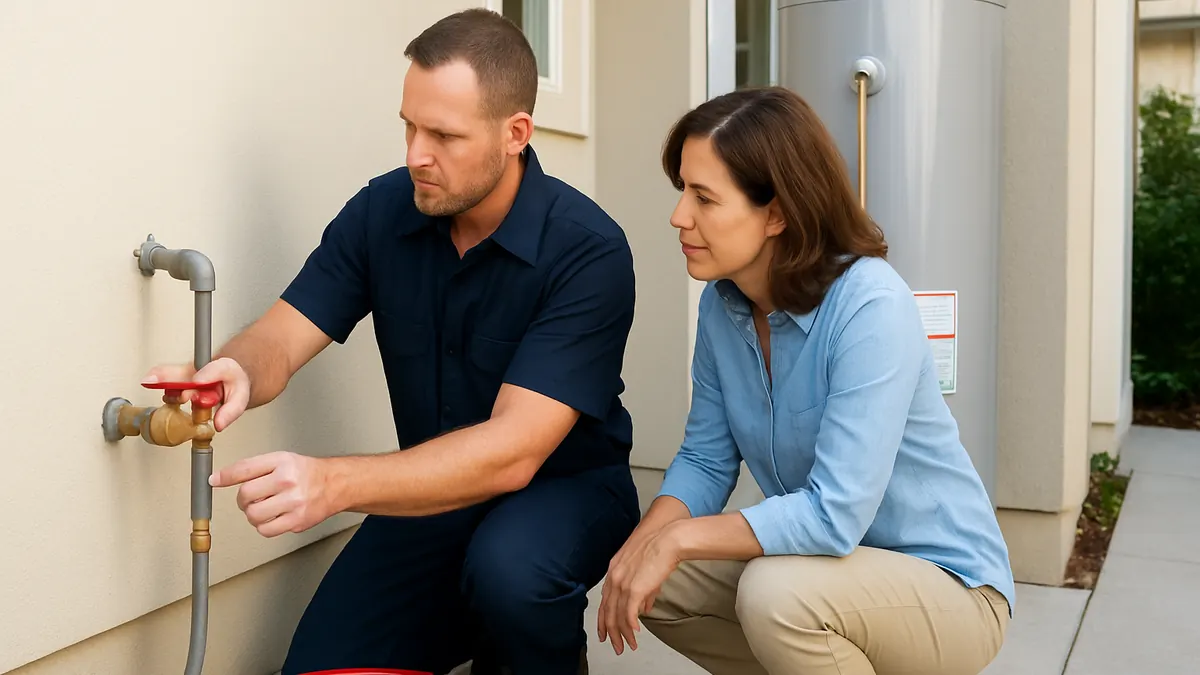
Hose bibs, exposed piping, cleanouts, irrigation connections, and backflow components can be struck by debris or damaged by shifting objects.
Safe Checks Ocean City Homeowners Can Perform
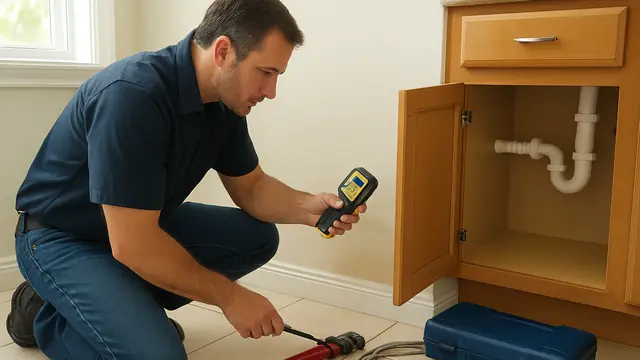
Look beneath sinks and around toilets, appliances, and the water heater for moisture, corrosion, loose fittings, staining, or softened cabinet material.
Flush toilets and listen for continued running. A toilet that refills without use may be leaking from the tank into the bowl.
Run water briefly at sinks, tubs, and showers. One slow fixture may have a local clog. Several slow fixtures or a lower drain filling when another fixture is used is more concerning.
Turn off all faucets and confirm that toilets and automatic appliances are not using water. Check the meter if it is safely accessible. Continued movement may indicate a hidden leak.
Disconnect garden hoses and secure objects that could hit plumbing components. Inspect from ground level without opening or dismantling anything.
What Homeowners Should Not Attempt
- Do not climb onto a roof to inspect a plumbing vent. Do not enter a flooded crawlspace, utility room, or yard to reach a pipe or valve.
- Do not remove a sewer cleanout cap when drains are backing up. Wastewater may escape under pressure.
- Avoid chemical drain cleaners, especially when more than one fixture is affected. They may not clear the real obstruction and can create a chemical hazard.
- Do not force a stuck shutoff, alter a water-heater relief valve, modify gas piping, open pump controls, or cap a vent.
- Never energize a flooded water heater, disposal, pump, or appliance until it has been evaluated appropriately.
Signs That Make the Plumbing Problem Urgent
- Stop using the plumbing when sewage enters a tub, shower, toilet, or floor drain. Keep children and pets away from the contaminated area.
- Water flowing from a wall, ceiling, floor, or split pipe is urgent. Shut off the water only if the valve is safely accessible.
- Water near outlets, electrical panels, pumps, or water-heater components may create an electrocution risk. Do not step into the area.
Other urgent warning signs include a rapidly moving water meter, sudden pressure loss, a strong sewer-gas odor, a ceiling that begins sagging, or discolored water following an interruption in service.
How a Licensed Plumber Diagnoses the Cause
For leaks, the plumber may inspect the meter, valves, connectors, pressure, and visible piping. Isolation testing helps determine whether the issue involves one fixture, one branch, or the main supply.
For drainage problems, diagnosis may include professional cable cleaning, hydro jetting when suitable, and sewer-camera inspection. A camera can reveal a blockage, root intrusion, offset joint, crack, break, or low section.
A water-heater evaluation includes the tank, connections, pan, valves, venting, controls, and energy source.
Repair Options From the Least Invasive Upward
A dripping connector, worn toilet part, leaking hose bib, or unreliable fixture valve may be repaired or replaced individually.
A local clog may be cleared without opening walls or replacing pipe. If the blockage returns, camera inspection may identify a deeper cause.
A damaged section of drain or water line can sometimes be repaired at that location. Larger replacement is considered when defects are extensive, repeated, or unlikely to be resolved by a spot repair.
A water-heater connection or approved component may be serviceable. Tank replacement is appropriate when the tank leaks, corrosion is severe, or storm damage makes continued use unsafe.
A plumber should recommend whole-home repiping or full sewer replacement only when the condition of the system supports that scope.
Typical Factors Affecting Cost
Cost depends on the cause, access, location, pipe material, diagnostic requirements, repair length, equipment, permits, and restoration.
A visible shutoff replacement is different from locating a leak behind a finished wall. Clearing a local branch drain differs from repairing a buried main line beneath a structure or hard surface.
Storm-related access and emergency timing may also affect the work. The estimate should connect the proposed repair to the actual findings.
Prevention and Maintenance Guidance
- Repair slow leaks, recurring clogs, running toilets, and unreliable shutoffs before hurricane season. Replace visibly cracked, bulging, frayed, or corroded flexible connectors.
- Keep the main valve and water heater clear of storage.
- After the storm, inspect walls, ceilings, cabinets, floors, outdoor plumbing, and the water-heater area. Listen for water use when all fixtures are off.
- Follow current official guidance for drinking water, boil-water notices, conservation, and sewer use.
Ocean City Homeowner FAQs
Should I Leave Faucets Open Before Evacuating?
Usually not. Leaving faucets open can waste water or worsen damage if service changes. Follow property-specific professional or official instructions.
Why Does My Toilet Bubble When the Washer Drains?
The washer discharge may be pushing air through a restricted drain. If water rises in another fixture, stop using the system.
Can I Clear a Main-Line Clog With a Plunger?
A plunger may help a simple fixture clog, but it is not a reliable solution for a whole-house backup. Multiple affected fixtures require diagnosis.
Should I Turn Off the Water Heater During an Evacuation?
The correct procedure depends on the unit and connected systems. Obtain model-specific instructions before hurricane season.
Is a Moving Water Meter Always a Leak?
Not always. Irrigation, automatic equipment, and toilets may be using water. If all known uses are off and the meter continues moving, investigate further.
What Should I Do if Water Pressure Is Low After the Storm?
Check official service information first. If the issue is limited to the home, a plumber can evaluate valves, filters, regulators, piping, and connected equipment.
Complete the Ocean City Hurricane Plumbing Checklist Before the Final Rush
A Northwest Florida hurricane plumbing checklist in Ocean City should help you control water, protect sanitation, and recognize danger early. Clear shutoff access, inspect connectors, check drains, examine the water heater, and avoid roof, sewer, chemical, and electrical hazards. After the storm, follow official water guidance and investigate leaks, backups, pressure changes, or damaged equipment promptly.
About this guide: This resource provides general homeowner education, not a remote diagnosis. Actual conditions, code requirements, equipment, and safe repair options must be evaluated at the property.