Stop and call for qualified help when plumbing water is near electrical equipment, sewage is entering occupied space, gas or burning odors are present, or a repair would require opening pressurized piping.
You are looking at a Parker home that seems well maintained, but a bathroom faucet sputters when first opened, the toilet continues to run, or a patched pipe is visible near a utility area. These clues may reflect a minor service issue, a past repair, trapped air, pressure fluctuation, or a developing leak. The safest immediate action is to stop testing any fixture that is actively leaking, photograph the condition, and request a licensed plumbing inspection before your contractual deadline passes. A plumbing inspection checklist before buying a Northwest Florida home in Parker gives you a process for investigating those warning signs.
Review What Has Been Repaired or Replaced
Ask the seller for available invoices, permits, warranties, and records for repiping, water-heater work, sewer repair, fixture replacement, leak detection, remodeling, and water-damage restoration.
Locate the Main Water Shutoff
The main shutoff should be accessible and identifiable. In an emergency, you should not have to search through stored belongings or force a corroded valve while water is spreading.
The plumber should also inspect shutoffs at toilets, sinks, the water heater, washing machine, and refrigerator connection. A valve may appear dry but fail to close completely. A leaking or seized valve is often a targeted repair, but surrounding piping should also be checked.
Do not force a valve during the showing. A weakened fitting can break and release water rapidly.
Test Water Pressure and Distribution
Pressure should be measured with a gauge. Excessive pressure can shorten the life of appliance hoses, toilet fill valves, faucet cartridges, and water-heater fittings. Low pressure may result from a clogged aerator, partially closed valve, regulator issue, service problem, or pipe restriction.
The plumber may run several fixtures at once to observe flow and temperature changes. Sputtering at one faucet may have a local cause, while similar behavior throughout the home may require broader investigation.
Examine Accessible Supply Piping
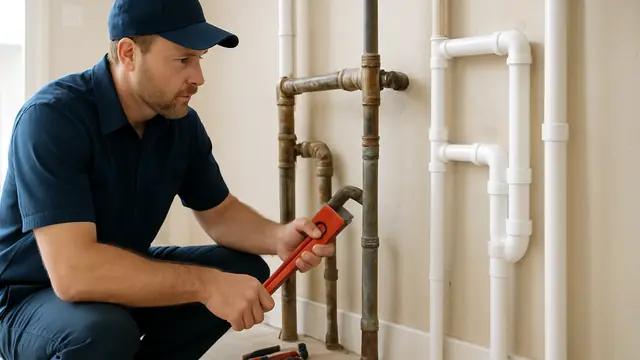
Inspect piping beneath sinks, near the water heater, in utility areas, and wherever it is visible. Look for corrosion, stains, unsupported runs, stressed fittings, temporary clamps, and transitions between materials.
Test Every Toilet Carefully
Toilets should flush completely, remain stable, refill normally, and stop running. A toilet that runs can waste water and may need a flapper, fill valve, adjustment, or another internal repair.
Movement at the floor can indicate loose hardware, a damaged flange, failed wax seal, or weakened flooring. Simply tightening the bolts may crack the fixture or hide the real cause.
Inspect the supply valve, connector, tank bolts, base, and surrounding floor. If moisture is present, determine whether it comes from condensation, the supply connection, the tank, or the floor seal.
Inspect Sinks, Tubs, and Showers
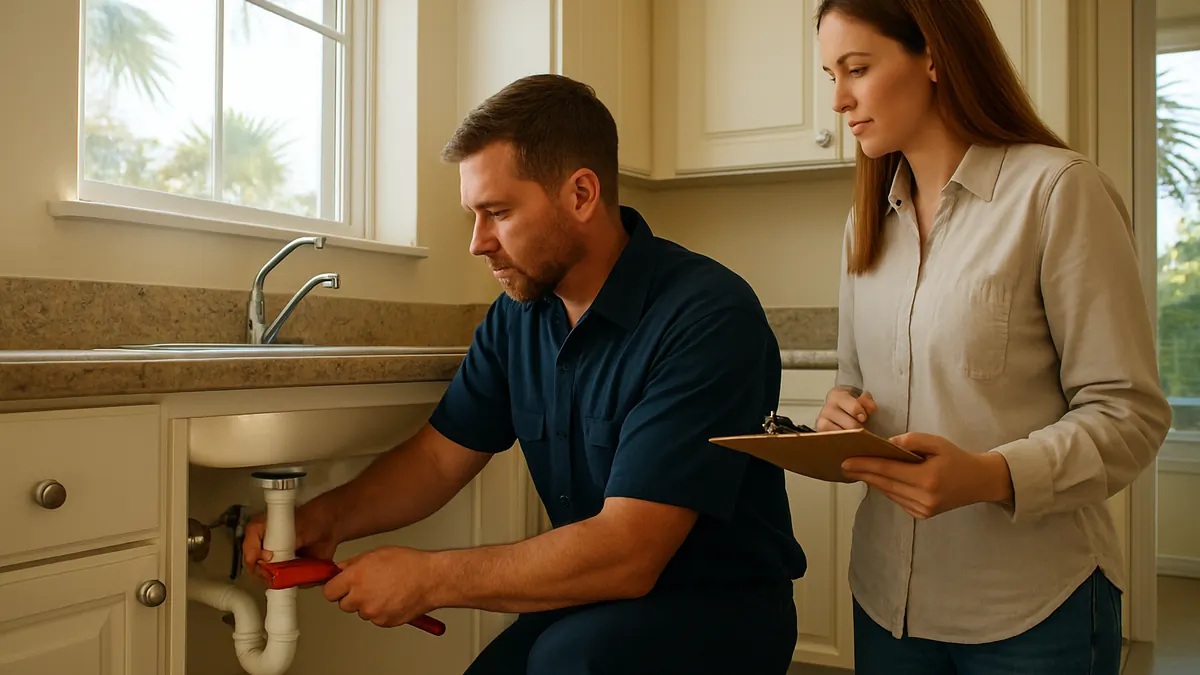
Run each fixture long enough to reveal leakage and drainage problems. Look beneath sinks during use and again after the faucet is turned off. Some drain leaks appear only when a basin is full.
Test tub drains, overflows, shower valves, and nearby surfaces. A stain on the opposite wall or ceiling below may come from the supply piping, valve body, shower arm, enclosure, drain, or waterproofing.
The least invasive repair may involve replacing a connector, renewing a seal, rebuilding a faucet, or correcting an accessible drain. Wall or floor removal should follow diagnosis.
Check the Kitchen and Laundry Connections
Inspect the kitchen sink drain, dishwasher connections, refrigerator line, disposal piping, washing-machine valves, hoses, and drain arrangement.
Look for cabinet swelling, loose fittings, corrosion, residue, or signs that a leak has been repeatedly wiped up. Ask whether appliances have been replaced recently and whether the permanent connections were serviced at the same time.
Evaluate the Drain and Sewer System
Operate fixtures individually and together. Watch for slow drainage, gurgling, sewer odor, bubbling at another fixture, or water rising in a lower drain.
A single slow sink may have a local blockage. Multiple affected fixtures may indicate a restriction in a branch or main drain. If the home has a history of backups, visible sewer repairs, or unexplained symptoms, a camera inspection may be appropriate.
A camera can reveal buildup, roots, cracks, separated joints, standing water, or obstruction in accessible piping. It should be used as part of a broader diagnosis rather than as the only test.
Inspect the Water Heater
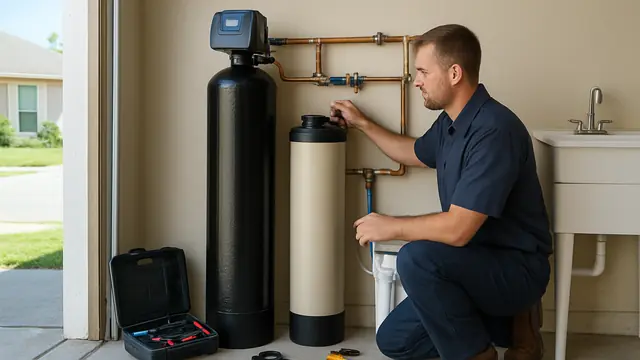
The plumber should identify the heater type, capacity, available age information, visible condition, and installation concerns. The inspection includes the shutoff, connectors, relief valve, discharge pipe, drain valve, and applicable venting or electrical components.
A leaking fitting, valve, or serviceable component may be repairable. A leaking tank body, extensive corrosion, or repeated failure can make replacement the safer long-term choice.
Do not remove panels, alter gas controls, cap the relief pipe, or operate electrical equipment in a wet area.
Look for Hidden Water Damage
Check cabinets, baseboards, flooring around toilets, ceilings beneath bathrooms, walls near showers, and areas around the water heater and appliances.
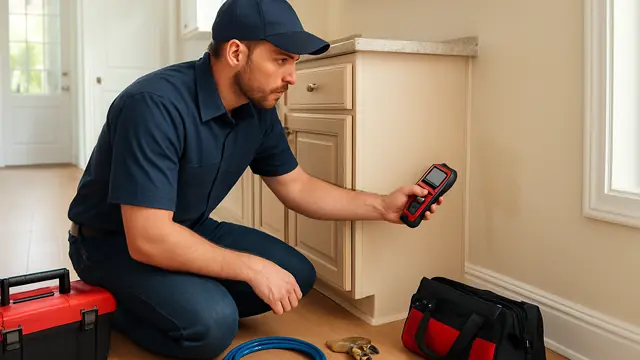
Staining, swelling, soft materials, peeling paint, or musty odor should be investigated. The plumber may use moisture readings, meter analysis, pressure testing, fixture isolation, or controlled testing to determine whether a leak is active.
Safe Checks Buyers Can Perform
You may safely flush toilets, run faucets, inspect beneath cabinets, confirm hot water, and ask for records. With all known fixtures and equipment off, you may observe whether the meter continues moving.
Do not dismantle traps, use chemical drain cleaner, force valves, cut walls, enter unsafe areas, or remove water-heater panels. Do not rely on fresh paint or a dry surface as proof that a leak has been resolved.
Urgent Plumbing Findings
Active uncontrolled leakage, sewage backup, a strong gas odor, water near electrical components, a leaking water-heater tank, spreading ceiling stains, or unexplained continuous meter movement requires prompt action.
Stop using the affected fixture, notify the seller or property representative, and keep people away from sewage or wet electrical areas. Obtain a written diagnosis before the inspection period closes.
How a Licensed Plumber Diagnoses Concerns
The plumber may use pressure measurements, fixture testing, meter analysis, moisture readings, leak isolation, drain evaluation, sewer-camera equipment, and water-heater testing.
The report should separate confirmed defects, possible concerns, urgent repairs, routine maintenance, optional upgrades, and inspection limitations.
Repair Options and Cost Factors
Repairs should start with the least invasive dependable choice. That may mean replacing a supply connector, rebuilding a faucet, resetting a toilet, clearing a local drain, replacing a shutoff, or repairing an exposed pipe section.
Larger repairs may be needed when a concealed line is damaged, several areas show similar deterioration, or a main drain has a structural defect. Cost depends on access, location, material, labor, permits, excavation, demolition, cleanup, and finish restoration.
Ask whether estimates include diagnostics, permits, drywall, flooring, cabinetry, painting, or landscaping.
Prevention and Maintenance After Closing
Label the main shutoff and fixture valves. Repair drips promptly, replace worn appliance hoses, and follow the water-heater manufacturer's maintenance guidance.
Keep grease, wipes, and unsuitable materials out of drains. Watch for new stains, pressure changes, toilet movement, unusual water use, or recurring slow drainage. Save inspection reports, camera recordings, photographs, and invoices.
Complete the Plumbing Inspection Checklist Before Buying in Parker
A plumbing inspection checklist before buying a Northwest Florida home in Parker should help you understand whether visible symptoms represent routine service, a localized repair, or a larger system concern. Document what you see, avoid unsafe testing, and obtain a licensed assessment before you accept responsibility for the property.
About this guide: This resource provides general homeowner education, not a remote diagnosis. Actual conditions, code requirements, equipment, and safe repair options must be evaluated at the property.