Stop and call for qualified help when plumbing water is near electrical equipment, sewage is entering occupied space, gas or burning odors are present, or a repair would require opening pressurized piping.
The first clue may be a cabinet floor that feels soft beneath the kitchen sink. Soon afterward, a bathroom faucet begins releasing rusty-looking water for a few seconds, and the shower loses flow whenever another fixture is turned on. If your Parker home has also had more than one pipe repair, these issues may be connected.
When water is actively leaking, close the nearest working fixture valve or the home's main shutoff valve. Stay away from wet electrical outlets, lights, and appliances. Move belongings from the area and call a licensed plumber. Do not cut into a wall, twist a badly corroded fitting, or depend on tape or putty as a permanent repair.
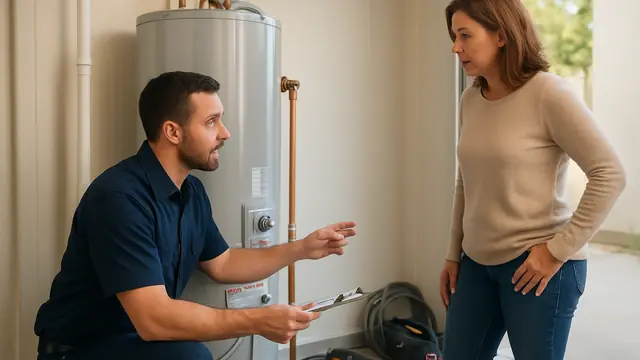
A repiping evaluation does not assume that every pipe must be replaced. The purpose is to determine whether the failure is isolated, limited to one section, or part of a wider system problem.
Signs Your Home May Need Repiping in Parker
New Leaks Develop After Earlier Repairs
One leak can be an isolated defect. A series of failures in different areas is more concerning, especially when the leaks involve permanent piping behind walls or ceilings.
The Shower and Faucets Lose Flow Together
If one faucet has weak flow, the problem may be a clogged aerator or fixture valve. If several fixtures weaken, particularly when water is used simultaneously, the restriction may be farther upstream.
Corrosion, internal buildup, an undersized branch, a partly closed main valve, or a pressure-regulator problem can all reduce performance. A plumber should test these possibilities before recommending new piping.
Water Color Changes Without a Clear Reason
Brown, yellow, orange, or reddish water can come from the water heater, metal piping, or a temporary disturbance outside the home.
Check whether the condition appears at one fixture or several and whether it affects hot water, cold water, or both. Hot-only discoloration often points toward the water heater or hot-water piping. A whole-home pattern requires a broader investigation.
Accessible Connections Show Damage
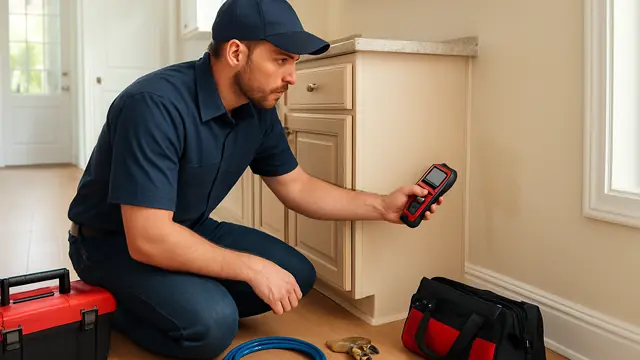
Look beneath sinks, behind toilets where supply lines are visible, near the water heater, and around appliance hookups.
Warning signs include rust, pitting, green staining, chalky deposits, beads of moisture, and darkened or swollen cabinet materials. Numerous repair couplings can also reveal a history of recurring failures.
You Hear Water When Nothing Should Be Running
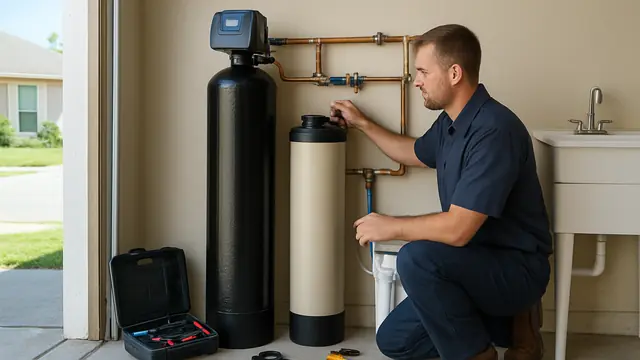
A concealed leak may sound like a faint hiss, trickle, or drip. Before assuming there is a leak, confirm that toilets, irrigation, ice makers, washing machines, and water treatment equipment are not operating.
Hot-Water Performance Is Different From Cold Water
Weak hot flow at several fixtures can indicate a restriction in the water heater outlet, a valve, or the hot-water distribution piping.
Why Plumbing Systems Begin to Fail
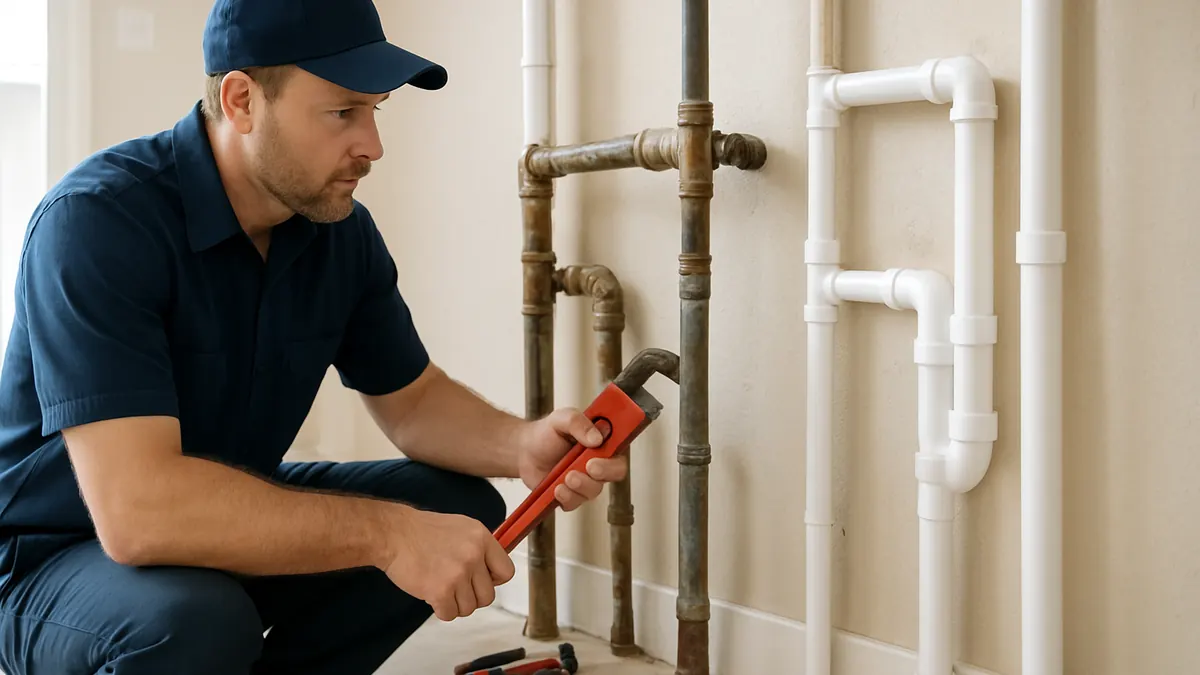
Metal pipes can corrode internally, reducing the usable opening and weakening the pipe wall. Plastic piping can fail where it was damaged, improperly supported, sharply bent, or connected with stressed fittings.
Hot-water lines expand as they heat and contract as they cool. If a pipe is trapped against framing or poorly secured, that movement can strain joints.
Excessive water pressure places continuous stress on fixture cartridges, valves, appliance hoses, and fittings. Raising pressure to overcome restricted flow can increase the likelihood of another leak.
Safe Checks You Can Perform
Document when symptoms occur. Note which fixtures have weak flow, whether the issue changes when multiple fixtures run, and whether discoloration affects hot or cold water.
Inspect visible plumbing with a flashlight. Check cabinet floors, ceilings beneath bathrooms, walls near plumbing fixtures, appliance connections, and the water-heater area.
Turn off faucets and known water-using equipment, then observe the water meter. Continued movement may indicate leakage, but remember that automatic devices can create legitimate use.
Locate the main water shutoff and remove anything blocking access. If the valve is stuck, leaking, or severely corroded, do not force it during a routine test.
What Homeowners Should Not Do
- Do not remove large areas of drywall in an attempt to trace pipes. Concealed walls may also contain wiring, gas lines, ductwork, and structural framing.
- Do not install an oversized pressure booster or increase a regulator setting before diagnosing weak flow.
- Do not make improvised transitions between different piping materials. Incorrect connections can create new leaks or accelerate deterioration.
Urgent Signs That Require Fast Action
Shut off the main water supply and call for service when water is spraying, flowing through a ceiling, spreading beneath flooring, or reaching electrical components.
A ceiling that bows, a stain that grows quickly, a warm floor area, swollen cabinetry, soft drywall, or a rapidly moving water meter with fixtures off also requires prompt attention.
How a Licensed Plumber Determines the Correct Scope
Pressure may be tested with fixtures closed and again while water is flowing. This comparison helps identify whether the issue is low incoming pressure, a regulator problem, or restriction within the home.
Repair Options Beginning With the Least Invasive
- A local repair is often sufficient when one valve, connector, fitting, or short pipe section has failed and the surrounding material is sound.
- A branch replacement may solve repeated problems affecting one bathroom, kitchen, laundry area, or group of fixtures.
- A selective or partial repipe can replace hot-water lines or known deteriorated sections while keeping dependable piping in service.
- A phased repipe may be coordinated with remodeling or restoration. The overall route should be planned before beginning the first phase.
- Whole-home repiping becomes more reasonable when leaks are widespread, flow restrictions affect several areas, or repeated repairs no longer provide a reliable result.
Typical Factors That Affect Cost
Project cost depends on fixture count, piping material, pipe routes, accessibility, home layout, number of stories, wall and ceiling finishes, permit requirements, and restoration work.
Ask whether the proposal includes shutoff valves, fixture and appliance connections, pressure correction, testing, permits when required, access openings, drywall repair, cleanup, and warranty terms.
Prevention and Maintenance Guidance
Have water pressure checked if supply hoses, valves, or fittings fail repeatedly. Replace worn appliance and toilet connectors before they rupture.
Choose the Next Step From a Complete Evaluation
The strongest signs your home may need repiping in Parker are repeated leaks, widespread flow changes, recurring discoloration, damaged visible piping, and unexplained water use.
These signs call for diagnosis, not an automatic whole-home replacement. A licensed plumber can compare a local repair, branch replacement, partial repipe, phased project, and complete repipe based on actual evidence.
About this guide: This resource provides general homeowner education, not a remote diagnosis. Actual conditions, code requirements, equipment, and safe repair options must be evaluated at the property.