Stop and call for qualified help when plumbing water is near electrical equipment, sewage is entering occupied space, gas or burning odors are present, or a repair would require opening pressurized piping.
You notice that the floor near a utility area feels warmer and slightly soft, yet visible connections are dry. Later, the meter moves even though no fixtures are running. These clues can point to a hidden plumbing leak in a Sandestin property.
A concealed leak may come from a supply pipe, fixture connection, appliance line, drain, or valve. Stop using nearby equipment and document what you see. If water spreads, the meter shows heavy flow, or moisture is near electricity, shut off the water when safe.
Seven Warning Signs of a Hidden Plumbing Leak in Sandestin
1. One Section of Flooring Feels Warm, Cool, Soft, or Loose
A localized temperature or texture change may indicate moisture beneath flooring. Look for lifted edges, loose tile, dark seams, or a raised transition strip.
Temperature alone does not prove a leak. It matters more when combined with meter movement, odor, staining, or pressure changes.
2. The Water Meter Moves When the Property Is Quiet
Turn off faucets, toilets, appliances, outdoor spigots, irrigation, and water-treatment cycles. Wait for toilets to finish refilling, then observe the meter.
Movement may indicate unwanted flow. A running toilet, automatic appliance, or overlooked use can do the same, so verify everything is off.
3. Water Pressure Changes at Several Fixtures
A property-wide pressure drop may involve a supply leak, regulator, partially closed valve, utility condition, or simultaneous demand.
A problem at one faucet may simply be a clogged aerator. Pressure changes become more concerning when they occur with meter movement, running-water sounds, or visible moisture.
4. You Hear Hissing or Running Water Behind a Surface
A steady hiss while fixtures are off may indicate pressurized leakage. Dripping after a fixture or appliance is used may involve a drain or connection.
Sound travels through framing. Record when it occurs and whether it follows fixture use.
5. Walls, Ceilings, or Cabinets Show Moisture Damage
Look for stains, bubbling paint, soft drywall, swollen cabinets, separating trim, or rust-colored marks. Water can travel, so damage may appear away from the source.
Do not press on sagging drywall or open the surface yourself. Wet material may fall, and wiring or other utilities may be concealed.
6. A Damp Odor Persists in an Enclosed Area
A musty odor in a cabinet, closet, utility area, or plumbing wall may indicate trapped moisture. It may strengthen after a nearby fixture operates.
Condensation and exterior moisture can create similar symptoms. A plumber may need to rule out plumbing before other repairs begin.
7. Water Consumption Rises Without an Explanation
A higher water bill may reveal a supply leak before damage appears. Compare the increase with occupancy, irrigation, laundry, and appliance use.
A continuous pressurized leak can waste water even when the property appears quiet. Unexplained usage should be investigated rather than dismissed.
Common Causes of Concealed Plumbing Leaks
Hidden leaks may develop at water-heater connections, supply tubes, shutoff valves, pipe joints, appliance hoses, toilet seals, shower valves, traps, and drains.
Wear, corrosion, pressure, movement, accidental damage, or installation problems can contribute. Supply leaks may run continuously because the line stays pressurized. Drain leaks usually appear only during fixture or appliance use.
Safe Checks the Homeowner Can Perform
- Dry the visible surface and photograph it. Record whether the symptom is constant or connected to a shower, toilet, sink, appliance, or water-heating cycle.
- Inspect accessible valves, hoses, traps, supply lines, toilet connections, and cabinet floors. A dry paper towel can reveal slight seepage.
- Check the meter only after every water-using device is off. Locate the main shutoff and make sure it can be reached. Do not force a valve that is corroded or difficult to move.
- When there is no active damage, use the suspected fixture briefly while another adult watches. Stop when moisture appears.
What You Should Not Attempt
- Do not cut drywall, remove tile, pull up flooring, or dismantle built-ins. Water may have traveled, and wiring may be concealed.
- Do not pour chemical drain cleaner into a fixture that may be leaking. It will not repair a cracked pipe or failed joint and may leave hazardous liquid inside the system.
- Avoid household tape, glue, unapproved sealants, improvised clamps, or open-flame repairs. Temporary patches on pressurized piping can fail suddenly.
Signs That Require Urgent Action
Treat the situation as urgent when water spreads, the meter shows rapid flow, a ceiling sags, flooring is unstable, or pressure drops sharply.
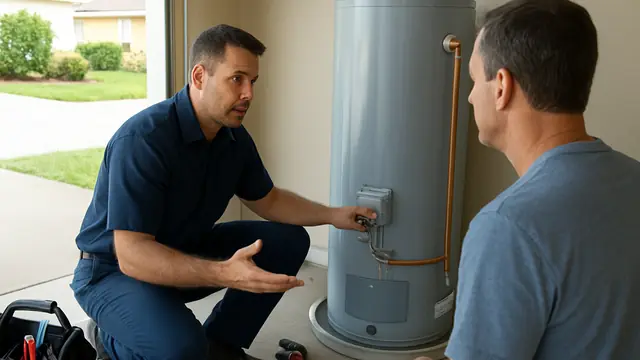
Moisture near a water heater's electrical connections, outlet, switch, light, panel, or powered appliance creates an electrical concern. Do not touch it.
Sewage odor, discolored wastewater, or leakage tied to a toilet flush may indicate a sanitary drain problem. Stop using the fixture, keep people and pets away, and avoid direct contact.
How a Licensed Plumber Diagnoses the Leak
The plumber begins with the symptom history. Whether the moisture is continuous, tied to fixture use, accompanied by pressure changes, or reflected at the meter helps narrow the possibilities.
Accessible plumbing is inspected first. The plumber may isolate fixtures, test pressure, scan moisture, listen for leakage, use thermal imaging, inspect with a small camera, or test drains.
These methods distinguish supply leaks from drain, fixture, appliance, water-heater, or non-plumbing moisture. Results guide the smallest practical opening.
Repair Options Starting With the Least Invasive
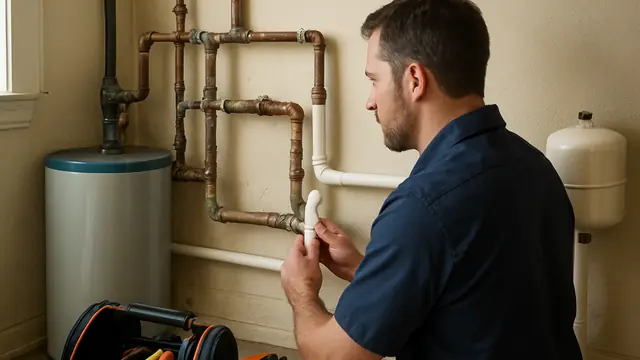
An accessible hose, valve, supply tube, trap, toilet component, or water-heater fitting may only require adjustment or replacement.
A localized concealed leak may be repaired through one targeted opening. If the failed section is difficult to reach, rerouting a short line through a more accessible path may reduce damage to finished surfaces.
More extensive replacement may be appropriate when testing reveals multiple failures or widespread deterioration. It should be supported by the condition of the system rather than recommended automatically after one leak.
Typical Factors Affecting Cost
Cost depends on the location, access, failed component, pipe material, diagnostic work, and surrounding finishes.
An exposed utility connection is easier to reach than piping behind tile, cabinetry, flooring, or a ceiling. Emergency service, drying, permits, and restoration may affect the scope.
Ask for a clear explanation of the plumbing repair and any separate work involving drywall, flooring, cabinets, paint, or drying.
Prevention and Maintenance Guidance
- Inspect visible water-heater connections, supply lines, shutoff valves, toilet fittings, appliance hoses, and traps for corrosion, cracks, swelling, or moisture.
- Review water use and investigate changes early. Keep the main shutoff accessible and make sure responsible people know its location.
- Leak alarms can warn of moisture near appliances, sinks, and water heaters. Automatic shutoff devices may protect an unoccupied property.
- After repair, verify that damp materials are dried before the area is closed or refinished.
Homeowner FAQs
Does a warm floor always mean a hot-water pipe is leaking?
No. Sunlight, equipment, airflow, and other conditions can affect floor temperature. Meter, moisture, and pressure testing are needed.
Can a water-heater connection leak without leaving a puddle?
Yes. Water may follow a pipe, wall, platform, or floor seam before becoming visible.
Why does the pressure drop only at one faucet?
A clogged aerator, fixture cartridge, or local valve may be responsible. A whole-property pressure change is more suggestive of a broader supply issue.
Can a drain leak occur while the meter is still?
Yes. A drain leak may only occur during fixture use and may not produce movement during a no-use meter test.
Is complete pipe replacement always required?
No. Many leaks can be corrected by replacing one component or repairing a short section. Broader replacement depends on evidence of system-wide deterioration.
Take the Next Step When You Notice Seven Warning Signs of a Hidden Plumbing Leak in Sandestin
The seven warning signs of a hidden plumbing leak in Sandestin include unusual flooring, meter movement, pressure changes, concealed water sounds, damaged finishes, persistent odors, and unexplained water consumption.
Stop using the likely fixture or appliance, document the timing, and shut off the supply when active leakage threatens the property. A licensed plumber can determine whether the least invasive solution is an accessible component repair, a targeted concealed repair, a short reroute, or a larger correction.
About this guide: This resource provides general homeowner education, not a remote diagnosis. Actual conditions, code requirements, equipment, and safe repair options must be evaluated at the property.