Stop and call for qualified help when plumbing water is near electrical equipment, sewage is entering occupied space, gas or burning odors are present, or a repair would require opening pressurized piping.
You have found a Shalimar home that fits your needs, but you hear gurgling after a toilet flush, notice moisture beneath the kitchen sink, and see a ceiling repair near a bathroom. These symptoms may be separate or connected. Do not tighten fittings, force valves, or use drain chemicals. Record the symptoms and schedule a licensed inspection before making a final decision.
A plumbing inspection checklist before buying a Northwest Florida home in Shalimar reveals what finished surfaces cannot. A plumber evaluates supply piping, fixtures, drains, water-heating equipment, shutoffs, appliance connections, and concealed-leak evidence.
Start With the Buyer's Observations
Tell the plumber what you noticed and when. Gurgling after another fixture drains may matter more than noise during normal refilling. Sink moisture may appear only when the faucet, disposal, or dishwasher operates.
Request records for leaks, backups, water-heater work, repiping, or drain cleaning. Previous repairs should be documented and evaluated.
Inspect the Water-Service Entry and Shutoff
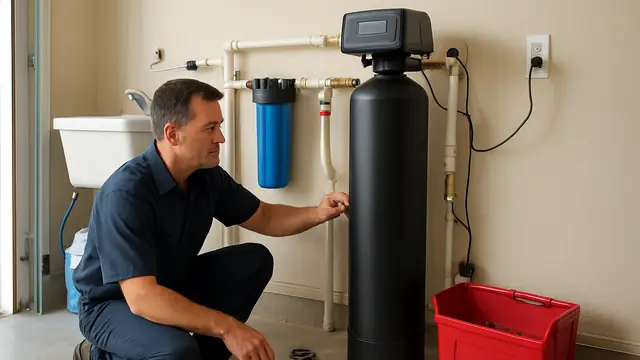
The plumber should locate the main shutoff and inspect visible piping for leakage, corrosion, damaged fittings, unsupported sections, temporary patches, and previous repair.
Do not force an unfamiliar valve during a showing; an older valve can leak or fail. A plumber can determine whether it is accessible and serviceable.
Plumbing Inspection Checklist Before Buying a Northwest Florida Home in Shalimar: Test the System in Sequences
Operating fixtures in a planned sequence can reveal problems hidden during a quick walkthrough.
The plumber compares hot and cold flow, watches for pressure drops, and listens for unusual sounds. One weak faucet may have a clogged aerator or cartridge. Whole-home low flow can involve a valve, regulator, service restriction, or internal piping.
A toilet that gurgles as a tub drains may indicate a shared-drain or main-line restriction.
Inspect Toilets, Sinks, Tubs, and Showers
Toilets should flush completely, stop running, and remain stable. Movement can damage the floor seal. Moisture at the base may come from the seal, supply connector, tank hardware, condensation, or nearby plumbing.
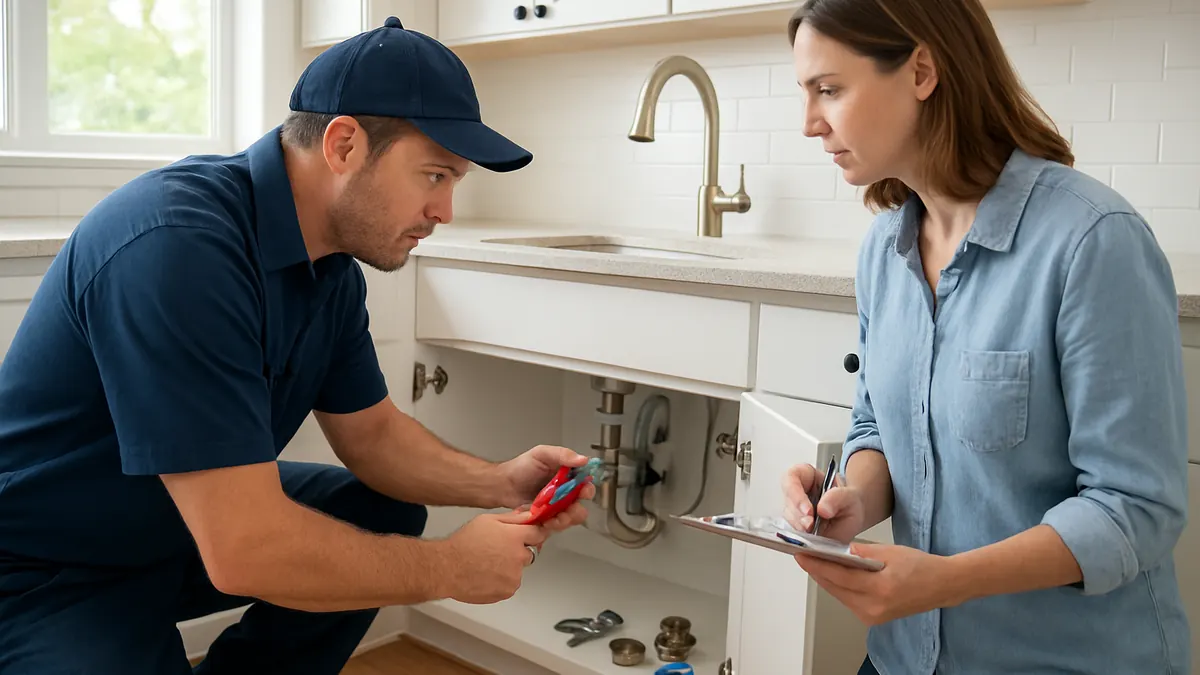
At sinks, the plumber checks the faucet, drain, trap, connectors, valves, and cabinet floor. Slip joints, faucet connections, disposal seals, and dishwasher hoses can create similar staining.
Tubs and showers should drain normally. Separate testing can reveal whether a ceiling stain comes from a drain, supply line, overflow, enclosure, or valve.
Evaluate Kitchen and Laundry Plumbing
Inspect the kitchen sink, faucet, disposal, dishwasher, refrigerator line, drains, and valves.
Laundry hoses remain pressurized, and the drain handles rapid discharge. Corroded valves, brittle hoses, loose connections, or overflow evidence should be addressed.
Examine the Water Heater and Safety Features
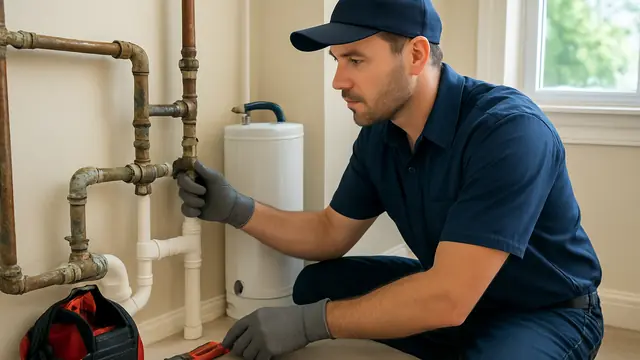
- Inspect the water heater for leakage, corrosion, damaged connections, shutoff access, a suitable drain pan where applicable, and visible safety components.
- The temperature-and-pressure relief valve protects against unsafe conditions. Buyers should not operate it because an older valve may not reseal.
- Damaged gas venting, exposed wiring, scorch marks, moisture in the pan, rust, or inconsistent hot water require investigation.
Decide Whether a Sewer Camera Is Appropriate
A camera is not necessary for every purchase, but it can help when there are backups, multiple slow drains, gurgling, sewer odor, prior repairs, or uncertainty about the buried line.
Inserted through an accessible opening, the camera may show buildup, standing water, offsets, obstructions, cracks, or damage. The plumber should explain the location and next step.
Look for Evidence of Hidden Leaks
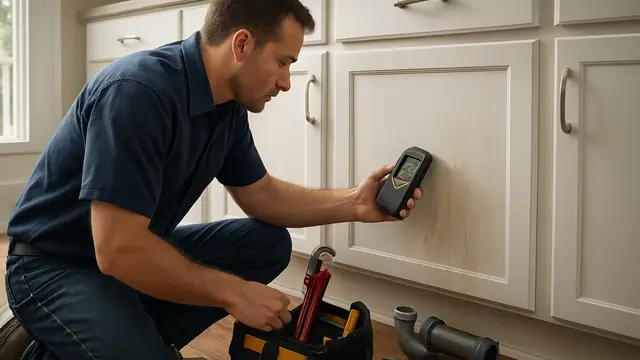
Hidden leaks may appear as discoloration, peeling paint, warped trim, soft flooring, cabinet damage, or odors.
Moisture readings, pressure testing, fixture isolation, or leak detection can determine whether a stain is historical or active and identify the likely source.
Safe Checks the Buyer Can Perform
Compare faucet flow, flush each toilet, and watch how fixtures drain. Look beneath cabinets without moving plumbing.
Check ceilings below bathrooms, floors around toilets and appliances, and the water-heater area. Request repair history and photograph concerns.
What Buyers Should Not Attempt
Do not force shutoff valves, remove cleanout caps, disassemble drain traps, open electrical compartments, or test the water-heater relief valve.
Do not use chemical drain cleaner. It may damage some materials, create a hazard for technicians, and mask the symptom temporarily without correcting the cause.
Signs That Require Prompt Professional Attention
Active leakage, wastewater backup, strong sewer odor, water near electrical equipment, wet ceilings, unstable toilets, or moisture around the water heater should be evaluated quickly.
Several slow drains, repeated gurgling, unexplained water-meter movement, or a sudden pressure change also justify prompt diagnosis. If water service is off during the inspection, the system cannot be fully tested.
How a Licensed Plumber Diagnoses the Findings
A plumber combines the property history, buyer observations, visual inspection, pressure and flow testing, fixture sequencing, moisture readings, drain tests, and specialized equipment.
The goal is to connect each symptom with a confirmed or likely source. A small kitchen leak may come from a single connection. Gurgling across several fixtures may require investigation of the drain system. A ceiling stain may be isolated by operating one plumbing component at a time.
Repair Options From Least Disruptive to More Extensive
Minor repairs may include replacing a faucet cartridge, drain seal, toilet component, supply connector, aerator, trap part, or worn shutoff valve.
Moderate options may include professional drain cleaning, fixture replacement, localized pipe repair, water-heater component correction, or installation of a better cleanout.
More extensive work may involve water-heater replacement, sewer-line repair, partial repiping, or whole-home repiping. Replacement should be recommended only when the confirmed condition, repair history, access, or expected service life makes targeted repair impractical.
Typical Factors Affecting Cost
Cost depends on access, location, pipe material, equipment, labor, permits, testing, and restoration.
An exposed leak is simpler than a line below a slab. Sewer work varies with depth, length, access, and defect type. Water-heater cost depends on the equipment and installation corrections.
Prevention and Maintenance After Purchase
Locate and label the main shutoff and fixture valves. Replace worn appliance hoses, repair small leaks promptly, avoid putting grease and wipes into drains, and follow manufacturer guidance for the water heater.
Keep repair records and photographs. Pay attention to changes in pressure, drainage speed, fixture sounds, and water use because small changes can provide early warning.
Make the Decision With Verified Plumbing Information
A plumbing inspection checklist before buying a Northwest Florida home in Shalimar helps you determine whether the property needs simple maintenance, targeted repair, additional testing, or larger planning. Verified findings give you a stronger basis for proceeding, negotiating, or requesting corrections before closing.
About this guide: This resource provides general homeowner education, not a remote diagnosis. Actual conditions, code requirements, equipment, and safe repair options must be evaluated at the property.