Stop and call for qualified help when plumbing water is near electrical equipment, sewage is entering occupied space, gas or burning odors are present, or a repair would require opening pressurized piping.
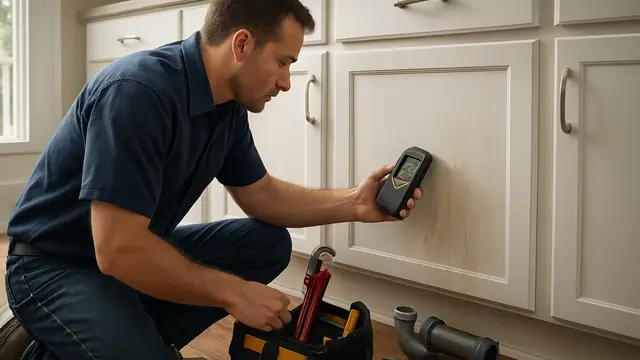
The hurricane forecast is becoming more serious, and you are finishing the last household preparations. While checking rooms, you find a damp cabinet beneath a bathroom sink, hear a toilet cycle when no one has used it, or notice that the washing-machine drain causes the nearby tub to gurgle.
The immediate safe response is to stop using the affected fixture and determine whether water is actively leaking. Locate the main shutoff, but do not force it if it is stuck or corroded. Keep away from any area where water is in contact with electrical equipment.
This Northwest Florida hurricane plumbing checklist in Shalimar explains how to separate routine maintenance from urgent plumbing trouble and how to prepare the system without taking unnecessary risks.
Prioritize Water Control, Drainage, and Sanitation
Plumbing preparation should focus on three goals: stopping water quickly, preventing avoidable backups, and maintaining safe sanitation.
The main shutoff controls the pressurized water supply. Fixture valves can isolate toilets, sinks, or appliances. Drain lines carry wastewater away, while vents allow air into the drainage system. A restriction in the drain or vent can cause slow flow, gurgling, or backups.
Understanding these basic functions helps homeowners recognize which symptoms are minor and which require immediate action.
Most Common Problems Found During Hurricane Preparation
Weak or Leaking Shutoff Valves
A valve may be difficult to turn because of corrosion, age, or lack of use. Leakage around the stem or body means it may not perform reliably during an emergency.
Deteriorated Flexible Connectors
Flexible lines can crack, bulge, loosen, or corrode. Washing-machine hoses deserve particular attention because they remain pressurized whenever the supply valves are open.
Running Toilets and Dripping Fixtures
These problems waste water and may hide a worn component. During an outage or conservation period, unnecessary water use becomes more significant.
Slow or Gurgling Drains
A local clog may affect one fixture. Multiple slow drains, toilet bubbling, or wastewater in a lower fixture may indicate a building-drain or sewer-line restriction.
Water-Heater Leakage
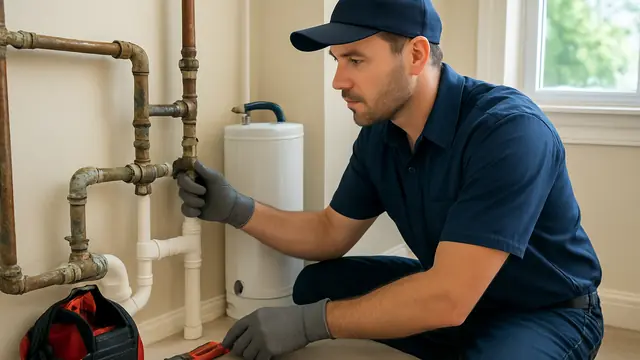
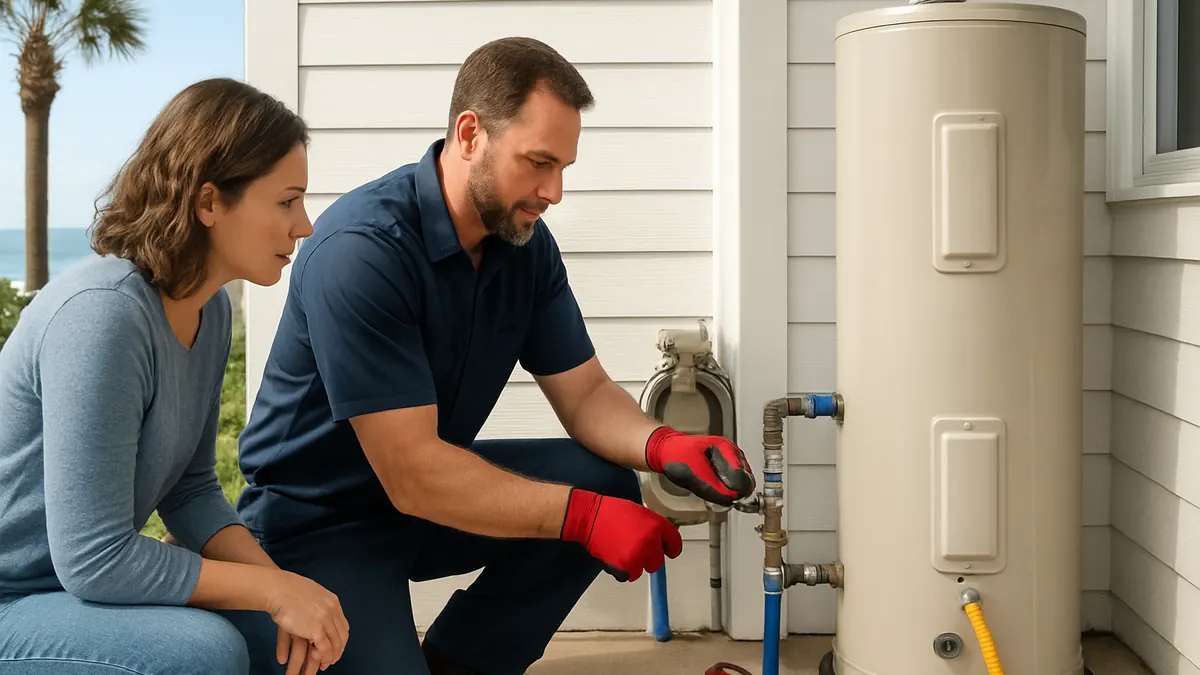
Connections, valves, fittings, drain pans, and the tank itself can leak. A small amount of water should be traced to its source rather than ignored.
Safe Checks a Shalimar Homeowner Can Perform
- Clear access to the main shutoff, water heater, washing-machine valves, and sink cabinets. Keep heavy storage away from these areas.
- Inspect visible supply lines for rust, moisture, green or white corrosion, bulges, or fraying.
- Place a dry paper towel beneath questionable connections and check it again after several minutes. This simple test can reveal a slow leak.
- Flush toilets and listen for continued running. Run water briefly at sinks, tubs, and showers. Watch for delayed drainage, gurgling, or cross-fixture movement.
- Turn off all water uses and observe the meter when it is safe to do so. Movement may indicate a leak, though irrigation and automatic equipment should also be considered.
- Outside, disconnect hoses and inspect hose bibs and exposed piping from the ground.
What Homeowners Should Not Attempt
- Do not climb onto the roof, especially as winds or rain begin. Plumbing vents should be evaluated from a safe location by a qualified professional.
- Do not remove a sewer cleanout cap when wastewater is backing up. Pressure can release sewage suddenly.
- Do not use chemical drain cleaners in a slow whole-house system. They cannot repair structural pipe damage and may expose occupants or technicians to corrosive material.
- Do not modify a water-heater relief valve, gas connection, electrical connection, backflow device, or pump control.
- Never enter standing water to reach a valve, appliance, electrical panel, or pump.
Warning Signs That Make the Problem Urgent
- Sewage entering a tub, shower, toilet, or floor drain is urgent because it creates a contamination risk. Stop using all plumbing fixtures.
- Water flowing through a ceiling or wall, a rapidly expanding wet area, or a split pipe requires the main supply to be shut off if the valve can be reached safely.
- Water around outlets, a water heater, an electrical panel, or a pump creates an electrical concern. Stay clear and follow emergency guidance.
- A ceiling that is bulging, a strong sewer-gas odor, sudden pressure loss, or unexplained contaminated-looking water also requires prompt action.
How a Licensed Plumber Diagnoses the Problem
A licensed plumber first determines whether the symptom involves the supply system, drainage system, fixture, or water-heating equipment.
Leak diagnosis can include meter observation, pressure testing, fixture isolation, valve inspection, and leak-detection tools. The goal is to identify the source before making unnecessary openings.
Drain diagnosis begins with the pattern of affected fixtures. A local clog behaves differently from a main-line restriction. The plumber may use professional cables, hydro jetting when appropriate, or a sewer camera to inspect the pipe.
A water-heater inspection includes the tank, connections, drain pan, valves, venting, controls, and energy source. Storm exposure or flooding may require additional safety evaluation.
Repair Options From the Smallest Practical Fix Upward
Minor repairs may include replacing a toilet flapper, fill valve, faucet connector, appliance hose, fixture shutoff, or leaking hose bib.
A local drain clog may be removed without major work. If the blockage is deeper or recurring, cleaning and camera inspection may identify the underlying cause.
A damaged segment of pipe can sometimes be repaired without replacing the entire system. The decision depends on pipe condition, accessibility, and whether failures are isolated or widespread.
Water-heater repair may involve a connector or approved serviceable component. Replacement is appropriate when the tank leaks, corrosion is severe, flooding has made the unit unsafe, or repair is not practical.
Typical Factors That Determine Cost
Cost depends on diagnosis, location, access, pipe material, repair length, equipment type, permitting, and restoration needs.
A leaking valve in an open utility area is different from a hidden pipe behind tile. A local branch-drain cleaning differs from repairing a buried main line.
Emergency timing and post-storm working conditions can also affect the complexity of service. A useful estimate should describe the cause, proposed work, and reasonable alternatives.
Prevention and Maintenance for Future Storms
Exercise accessible shutoff valves periodically only when they are in good condition. Replace deteriorated connectors and correct chronic toilet, faucet, and drain problems before hurricane season.
- Keep records of plumbing repairs, water-heater service, drain cleaning, and known pipe materials. Good records can shorten diagnosis after a storm.
- After severe weather, check walls, ceilings, cabinets, floors, exterior plumbing, and the water-heater area. Listen for unexplained water use and observe the meter.
- Follow official guidance concerning drinking water, conservation, sewer use, and boil-water notices.
Shalimar Homeowner FAQs
Should I Close Washing-Machine Valves Before Evacuating?
Closing them can reduce exposure from a failed hose, but old valves may leak or fail when operated. Have questionable valves evaluated before storm season.
Why Does a Toilet Refill by Itself?
Water may be leaking from the tank into the bowl because of a worn flapper or another internal component. Repairing it conserves water and prevents unnecessary cycling.
What Does a Sewer Smell Mean?
It may come from a dry trap, loose connection, vent issue, or drainage problem. A strong or persistent odor should be investigated, especially with slow drains.
Can I Use Water Normally After the Storm?
Only when service is available and official guidance allows it. Follow boil-water, conservation, or sewer restrictions exactly.
Is One Slow Sink a Main Sewer Problem?
Usually not. One slow sink often has a local restriction. Several slow fixtures or a lower-fixture backup is more concerning.
When Is Water-Heater Replacement Necessary?
Replacement may be needed when the tank leaks, corrosion is extensive, or storm damage makes safe repair impractical. A leaking connector alone does not automatically require replacement.
Apply the Shalimar Hurricane Plumbing Checklist Before Conditions Become Unsafe
A Northwest Florida hurricane plumbing checklist in Shalimar should help you control water, recognize drainage trouble, and protect household sanitation. Confirm shutoff access, inspect connectors, address running toilets and slow drains, and avoid cleanouts, roofs, chemical drain cleaners, and flooded electrical areas. After the storm, investigate new leaks, sewage, pressure changes, and water-heater damage promptly.
About this guide: This resource provides general homeowner education, not a remote diagnosis. Actual conditions, code requirements, equipment, and safe repair options must be evaluated at the property.