In Lower Grand Lagoon, ceiling fans do a lot more than move air. They help homes stay comfortable through humid summers, support vacation rentals between guests, and take some of the pressure off cooling systems. But when a ceiling fan starts wobbling, humming, or tripping a breaker, it can also be a clue that something deeper is going on with the electrical system.
Coastal weather, salt air, storm activity, and the mix of older homes, remodels, and additions in Bay County can all shorten the life of electrical components. A fan problem may begin at the fixture, but it can also reveal loose wiring, overloaded circuits, weak grounding, or panel issues that deserve attention from a licensed electrician. If you are already searching for ceiling fan service in Lower Grand Lagoon, it is worth looking at the bigger electrical picture too.
Why ceiling fans can reveal electrical wear early
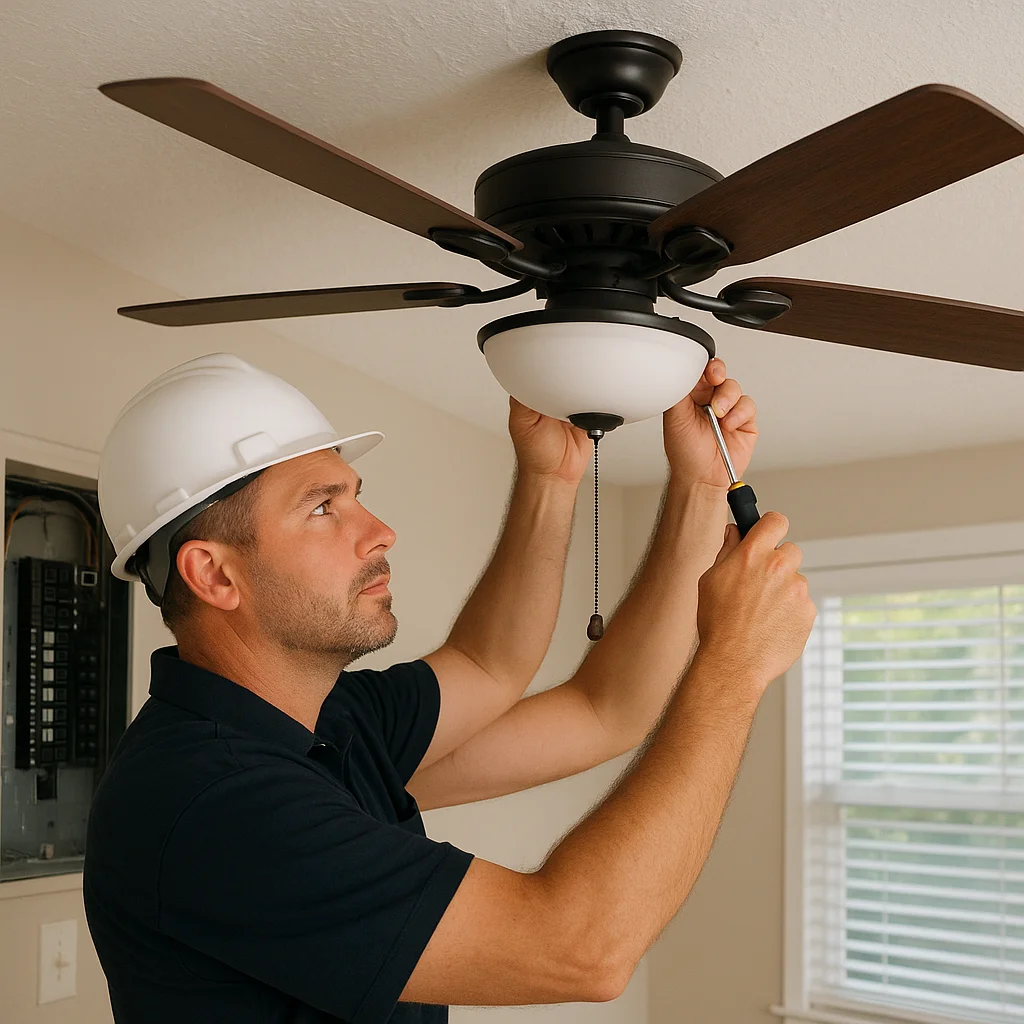
A ceiling fan depends on several parts working together: the mounting box, fan-rated support, wiring connections, switch leg, breaker, and sometimes a remote receiver or smart control. If any of those parts are weak, the fan may still run for a while, but it can show symptoms long before a full failure happens.
That matters in Lower Grand Lagoon because local conditions can accelerate wear. Humidity can affect metal parts and connections. Salt air can corrode exposed hardware. Storm surges and lightning can damage sensitive electronics. In homes that have been updated over time, a fan may be tied into a circuit that was never designed for the current load. In that case, the fan is not the problem by itself. It is the warning light.
Electrical clues homeowners should not ignore
Humming, buzzing, or clicking
A ceiling fan should run quietly. A low hum may come from the motor, but buzzing can also point to a loose connection, an incompatible dimmer, or a failing switch. Clicking can happen when a blade is loose or when internal components are wearing out. If the noise changes when the light is turned on, the issue may involve the switch, the fixture wiring, or the control device.
Flickering lights or inconsistent speed
If the fan light flickers or the fan speed changes on its own, the circuit may be unstable. This can happen with aging switches, poor splices in the ceiling box, or a control that is not rated for the fan. It can also happen when the circuit is overloaded by other devices, especially in homes where a fan shares power with lighting, outlets, or other appliances.
Breaker trips or warm switch plates
If a ceiling fan trips a breaker, that is not something to brush off. The breaker may be doing its job because the circuit is overloaded or shorted. A warm switch plate, a hot ceiling medallion, or a burning smell near the fan means the system needs immediate attention. In those cases, a homeowner searching for emergency electrical services may be dealing with a problem that could affect the rest of the home.
Wobbling or shaking
Wobble is often blamed on the blades, and sometimes that is true. But wobble can also expose a poor installation, a loose ceiling box, or hidden movement in the mounting hardware. In older homes or after a remodel, the box may not be fan-rated or may not be secured properly to framing. That creates stress on the wiring and can shorten the life of the fixture and the circuit.
Delayed response from switches or remotes
If the fan hesitates, only works on certain settings, or responds intermittently to a remote, the issue may be more than a dead battery. The receiver may be failing, the wiring may be loose, or the switch may be the wrong type for the fan. In some homes, a dimmer switch installed for a light is mistakenly used with a fan motor, which can damage the fan and create electrical noise on the circuit.
How coastal conditions shorten electrical system life
Lower Grand Lagoon homes face a combination of stress factors that inland homes do not see as often. Salt air can corrode terminals, especially in garages, attic spaces, and exterior-adjacent rooms. High humidity can affect wire insulation and metal fasteners. Thunderstorms can bring surges that damage fan controls, switches, and breaker components. Even a brief outage followed by a power restoration can leave delicate electronics in a fan receiver or smart control weakened.
Older homes in Bay County may also have electrical systems that were built for a simpler load profile. Today’s homes often include multiple fans, recessed lighting, entertainment systems, appliances, chargers, and outdoor equipment. Add a remodel, a room addition, or a converted space, and the electrical demand can rise quickly. That is why local electrical service matters. A ceiling fan issue may lead to a circuit check, a panel review, or a recommendation for local electrical service in Lower Grand Lagoon that looks beyond the fixture itself.
What a fan issue can say about the rest of the system
Loose wiring and aging connections
Loose wire nuts, backstabbed connections, and tired switch terminals are common in homes that have seen years of use. A fan draws repeated vibration, and that movement can make weak connections worse over time. If a ceiling fan problem keeps returning, the issue may be in the wiring rather than the fan motor.
Breaker and panel strain
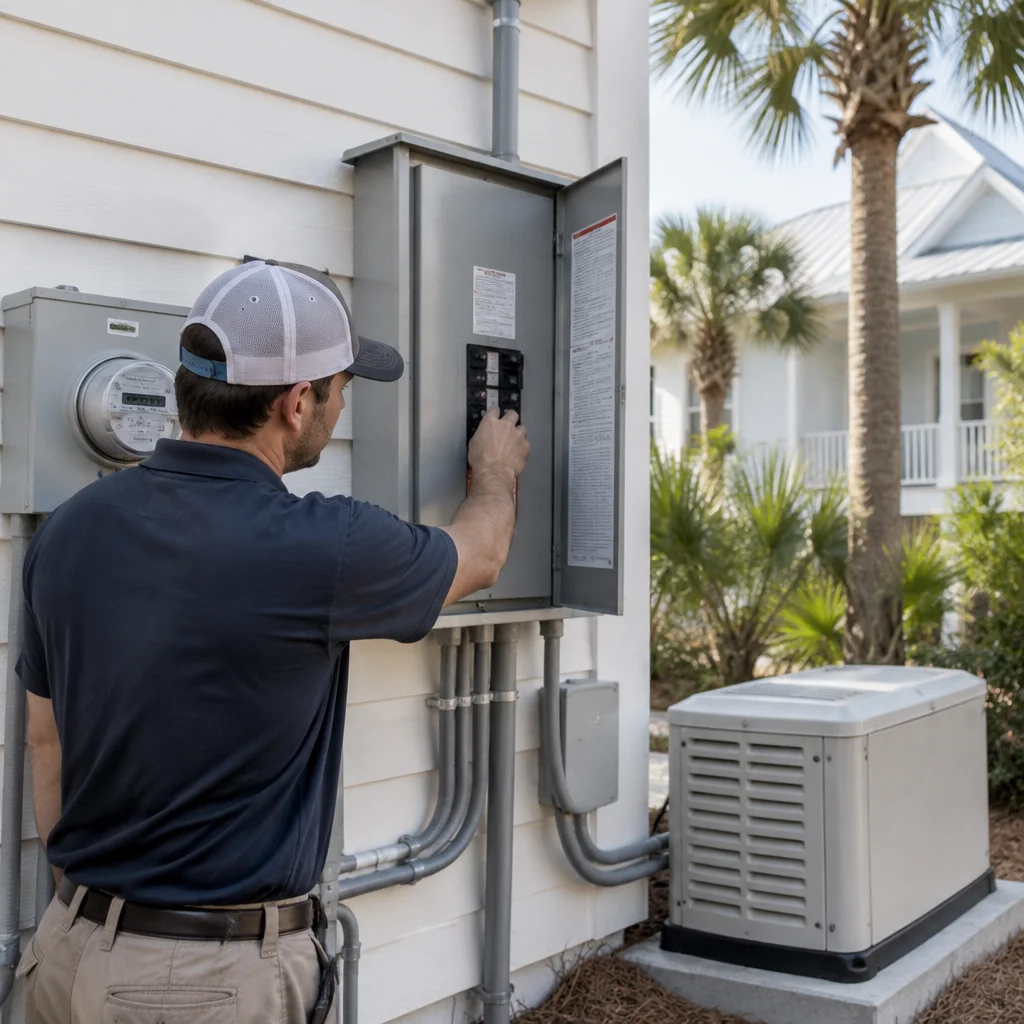
When a fan circuit trips often, the breaker may be undersized, worn, or protecting a circuit that carries more than it should. In some homes, this points to a need for breaker repair or even a larger electrical panel review. Homeowners searching for electrical services in Lower Grand Lagoon often discover that a small fan complaint is actually part of a broader panel or circuit issue.
Grounding and surge exposure
Fans with controls, lights, and remotes can be sensitive to power quality. Poor grounding or repeated surge exposure can shorten the life of the control board and other electronics. If storms have caused flickering, partial outages, or damaged devices, it may be time to consider surge protection. A whole home surge protector can help shield ceiling fans, TVs, routers, and appliances from future spikes.
Local upgrades that support safer fan operation
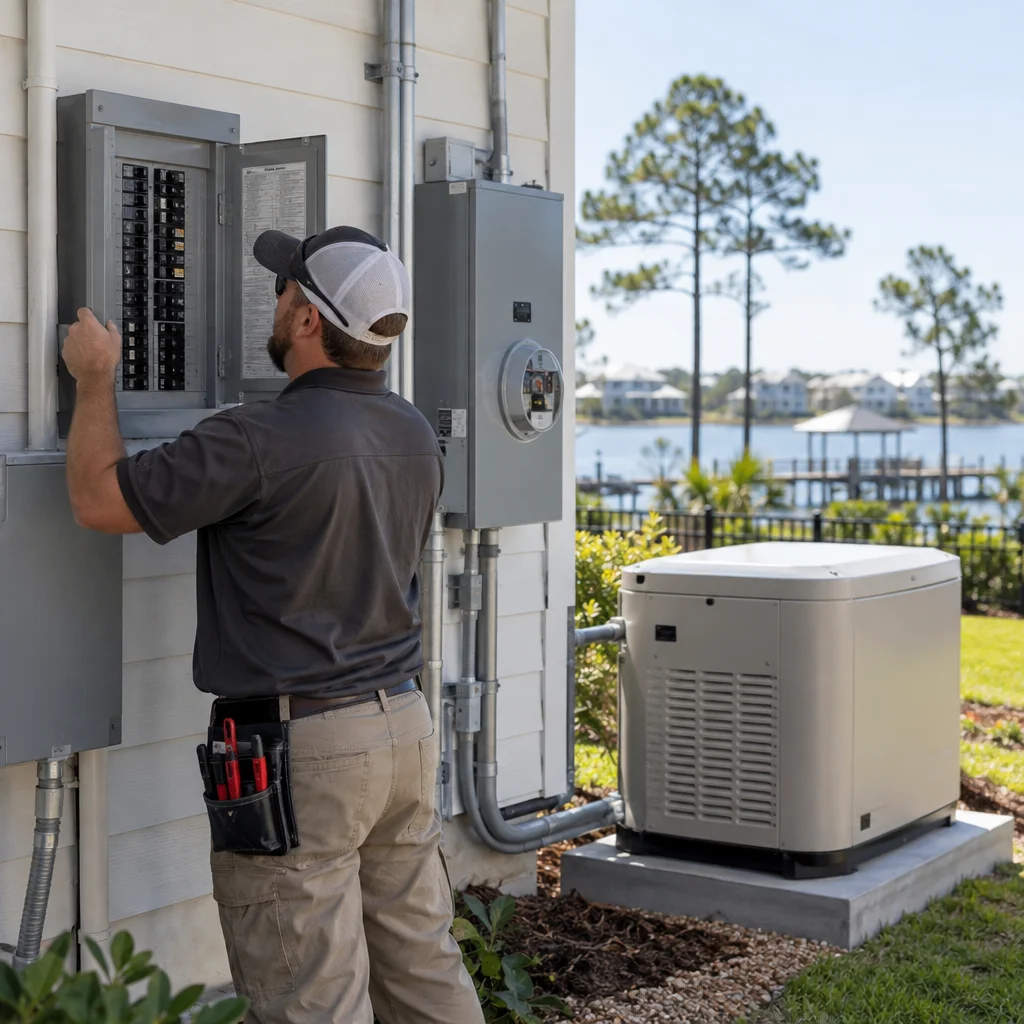
Sometimes the best fix is not only replacing the fan. It is making the electrical system more supportive of the load. That may include a dedicated circuit installation for a room with heavy use, a sub panel installation for an addition, or a panel upgrade if the home has outgrown its current capacity. In homes with older wiring, a code correction electrician may need to address missing grounding, improper box support, or outdated switching methods.
If the home has other electrical needs, this is a good time to address them together. A fan project may pair well with outlet and switch reliability improvements, planning for the next electrical upgrade, or even EV charger installation if the home is adding new load. For properties with backup power, a properly installed transfer switch and generator setup can help keep critical circuits running when storms hit.
Ceiling fans, rentals, and busy households
Vacation rentals and busy family homes in Lower Grand Lagoon often use ceiling fans hard. Guests may run fans around the clock, change settings frequently, or use wall controls incorrectly. That kind of use can wear out switches, receivers, and motors faster than expected. If a property manager notices repeated fan failures, the issue may be a wiring problem, a control compatibility issue, or simply a sign that the circuit needs a better setup for the property’s actual use.
For rental owners, it can also be smart to think about related systems at the same time. Outdoor lighting, pool equipment, and spa wiring all place demands on the electrical system, and problems in one area can show up as nuisance trips elsewhere. If you manage multiple improvements, it may help to review outdoor lighting electrical clues and pool and spa wiring safety as part of the same maintenance plan.
Useful checks before the problem gets worse
Homeowners can do a few simple checks before calling for help. Make sure the fan blades are clean and balanced. Confirm that the fan is on a fan-rated box. Check whether the wall control is a fan control rather than a dimmer intended only for lighting. Look for scorch marks, warmth, or a smell near the switch. If the fan has a light kit, see whether the bulb type matches the fixture rating. LED compatibility matters more than many people realize.
If the fan has been acting up after a storm, after a power outage, or after a remodel, the safest move is to have the circuit inspected. That is especially true if the issue is paired with other symptoms like outlet problems, lights dimming, or breakers that seem to trip without a clear reason. A search for electrician near me in Lower Grand Lagoon should point you to someone who can inspect the fan, the circuit, and the panel as a whole.
When a ceiling fan problem needs professional electrical service
Call a licensed electrician if the fan sparks, smells hot, trips a breaker, or causes other lights to flicker. Also call if the fan is mounted to a box that is not rated for ceiling fans, if the wiring is old or damaged, or if the switch setup seems incorrect. A professional can test the circuit, inspect grounding, confirm code compliance, and recommend repairs that protect the rest of the system.
That same visit can help homeowners planning broader work, such as outlet installation, light switch installation, recessed lighting installation, dimmer switch installation, whole home surge protector installation, or even electrical panel replacement near me searches that stem from repeated fan and lighting issues. In homes with additions or detached spaces, the electrician may also recommend Bay County electrical service that includes inspection of branch circuits, grounding, and load balance.
For Lower Grand Lagoon property owners, a ceiling fan is often the first place electrical wear shows up. Paying attention to the clues can help prevent bigger failures, reduce nuisance trips, and keep the home safer through storm season, summer humidity, and everyday use. If the fan is telling you something is off, it is usually worth listening before the problem spreads to the rest of the system.
Find Ceiling Fans in Lower Grand Lagoon, FL
If you need Ceiling Fans in Lower Grand Lagoon, FL, visit our local service page or contact A Superior Mechanical today.
Map of Lower Grand Lagoon, FL
Frequently Asked Questions
Can a ceiling fan problem mean there is a wiring issue in the home?
Yes. Buzzing, flickering, tripping breakers, or intermittent operation can point to loose connections, overloaded circuits, or aging wiring behind the fan or switch.
Why do ceiling fans fail faster in Lower Grand Lagoon homes?
Coastal humidity, salt air, storms, and frequent power surges can wear down fan motors, controls, switches, and electrical connections faster than in drier areas.
Should a ceiling fan be on a dedicated circuit?
Not always, but some homes benefit from dedicated circuit installation when the room has heavy electrical use, added lighting, or other loads that strain the existing wiring.
What should I do if my ceiling fan trips the breaker?
Turn the fan off and stop using it until it is inspected. Repeated tripping can signal a short, overload, or failing component that needs professional electrical repair.
Can A Superior Mechanical help with more than ceiling fans?
Yes. We help with ceiling fan wiring, electrical inspections, panel upgrades, breaker repair, surge protection, lighting, outlet issues, generator setups, and other local electrical needs in Lower Grand Lagoon.
Related Articles
- Keeping Lower Grand Lagoon Homes Ready for the Next Electrical Upgrade
- Outdoor Landscape Lighting and the Electrical Clues Lower Grand Lagoon Homeowners Should Not Ignore
- Keeping Pool, Spa, and Hot Tub Wiring Safe in Lower Grand Lagoon Homes
- Keeping Outlets and Switches Reliable in Lower Grand Lagoon Homes
Photo Gallery