Building a home in Laguna Beach should come with comfort that lasts. In a coastal area where heat, humidity, salt air, and seasonal storms all affect indoor systems, new construction air conditioning needs more than a basic equipment install. It needs careful planning from the start.
For homeowners, builders, and property owners in Bay County, the smartest HVAC decisions are often made before the walls are closed. That is where new construction air conditioning in Laguna Beach, FL makes a real difference. A properly designed system can improve energy use, reduce repairs, and keep every room more comfortable through long Gulf Coast summers.
Why new construction AC in Laguna Beach deserves a local approach
Laguna Beach homes deal with a climate that is tough on cooling equipment. High humidity can make a house feel warmer than the thermostat says. Salt in the air can wear on outdoor components. And in newer homes, tight building envelopes can trap heat and moisture if the system is not sized and balanced correctly.
That is why local experience matters. A system that works well inland or in another part of Florida may not perform the same way near the coast. A Superior Mechanical understands the conditions in Laguna Beach and the broader demands of Bay County, which helps homeowners get a system that is built for the local environment instead of just installed to meet the minimum requirement.
Start with the right load calculation, not a guess
One of the most common mistakes in new construction is oversizing the air conditioner. Bigger is not always better. An oversized system may cool the house too quickly, shut off before it removes enough humidity, and leave rooms feeling damp or uneven.
A proper load calculation looks at the home’s square footage, insulation, window placement, ceiling height, orientation, and air leakage. In Laguna Beach, this step is especially important because humidity control is just as important as temperature control. If the system is chosen based on rough estimates, the home may never feel quite right.
For new builds, this is also the stage where other design details matter, such as duct layout, return air placement, and whether the home would benefit from zoning. Those choices affect comfort long after move in day.
Plan the ductwork with the house layout in mind
Ductwork is often hidden, but it has a major impact on how a new home performs. Poor duct design can create hot bedrooms, noisy airflow, weak returns, and higher utility bills. In a coastal Florida home, leaky or poorly insulated ducts can also pull in humid air and make the system work harder than it should.
Good duct planning starts before drywall. Supply and return locations should match the home’s layout, not just the easiest route for installation. Ducts should be sealed, supported, and insulated properly. In homes with open floor plans, split bedroom layouts, or bonus spaces, careful duct design helps keep temperatures more even throughout the house.
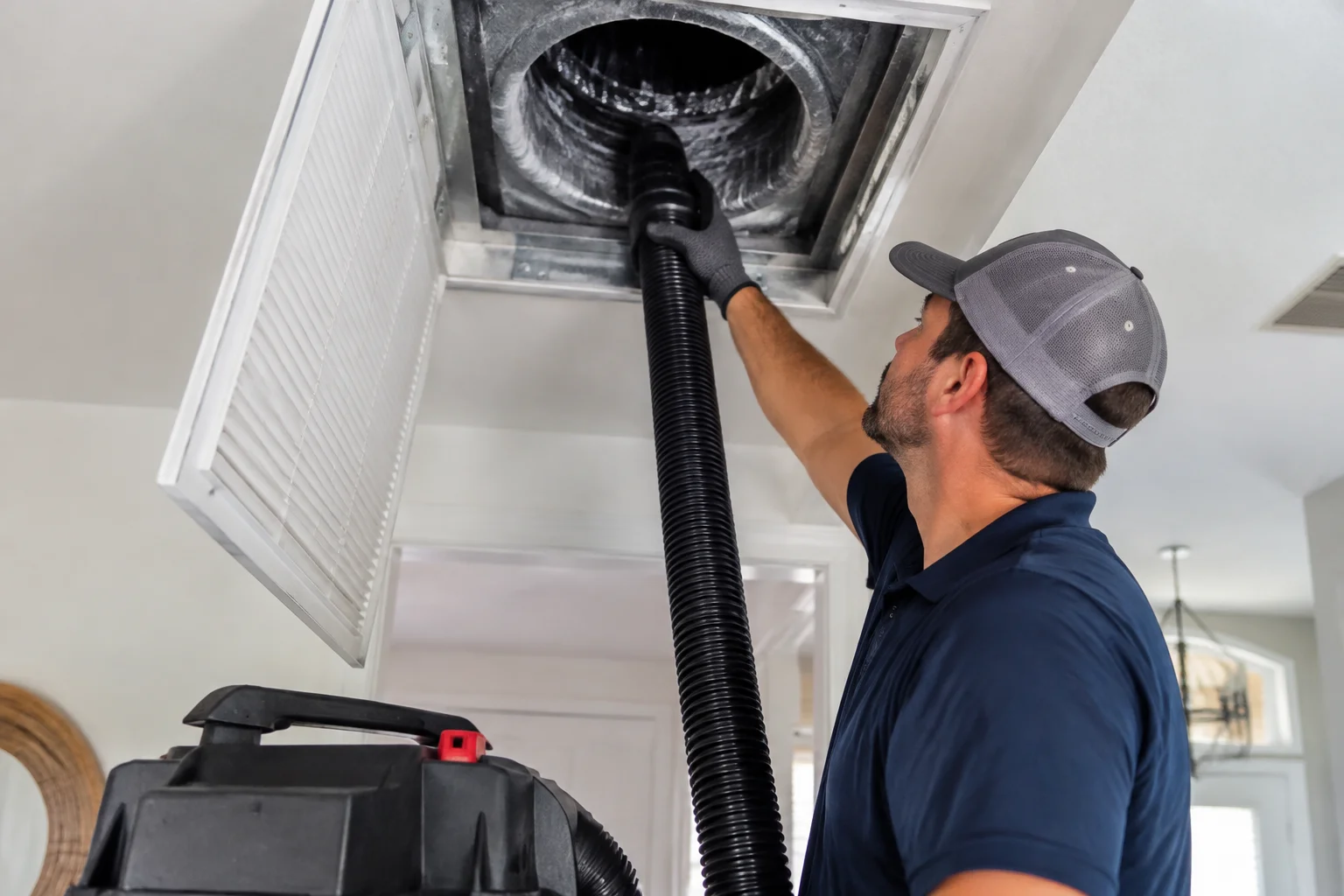
Homeowners who are building in Laguna Beach may also want to think about access for future maintenance. A clean, serviceable duct system is easier to inspect and keep efficient over time. If air quality is a concern, pairing the system with better filtration and duct care can also help, especially after construction dust settles. Related reading: Cleaner Air Starts in the Ducts: A Laguna Beach Homeowner’s Guide to Better HVAC Performance.
Choose equipment that fits coastal living
In a place like Laguna Beach, the right air conditioning equipment should be efficient, durable, and suited to humid conditions. Many homeowners look at SEER ratings first, which is a good start, but performance depends on more than one number. The system should also handle moisture removal well and hold up against the local climate.
High efficiency systems can help lower monthly energy use, but only if they are installed correctly and matched to the home. Smart thermostats, variable speed air handlers, and properly selected condensers can all improve comfort. For many new homes, zoning can be a smart addition because it lets different areas of the house be cooled more precisely.
A Superior Mechanical offers air conditioning installation in Laguna Beach that supports custom system design, not just equipment placement. That matters when the goal is long term performance, not just getting the system running on move in day.
Humidity control should be part of the design
Florida homeowners know that comfort is not only about cold air. A home can be 74 degrees and still feel sticky if humidity is too high. New construction homes often have tighter building envelopes, which is good for efficiency, but it also means the HVAC system must be designed to manage moisture effectively.
Humidity control depends on correct sizing, proper airflow, good duct design, and enough run time for the system to remove moisture from the air. If the equipment is too large or the ducts are poorly planned, humidity problems can show up quickly. That can lead to musty odors, condensation, and a house that feels uncomfortable even when the thermostat looks fine.
For homeowners building near the coast, this is one of the biggest reasons to work with a local HVAC company during the construction phase instead of waiting until the last minute.
Smart controls and zoning can help new homes stay efficient
New construction is the best time to add controls that make the system easier to use and more efficient. Smart thermostats can help homeowners monitor usage and adjust temperatures from anywhere. Zoning can reduce wasted cooling in parts of the home that are used less often.
This is especially helpful in larger homes, homes with guest spaces, or properties that may be used seasonally. If the house will be a rental or secondary home, smart controls can help owners keep an eye on comfort and energy use from a distance. That is part of why local property owners often look for broader HVAC support such as Keeping Laguna Beach Properties Reliable with Smarter HVAC Management.
Smart upgrades are most effective when they are built into the original design. Adding them later can still help, but new construction gives you a better chance to wire, place, and configure everything the right way from the beginning.
Construction dust and debris can affect system performance
Even a well designed HVAC system can run into trouble if construction dust gets into the ductwork, air handler, or filters. During a build, sawdust, drywall dust, and other debris can collect in the system if openings are left exposed. Once the home is occupied, that material can reduce airflow and affect indoor air quality.
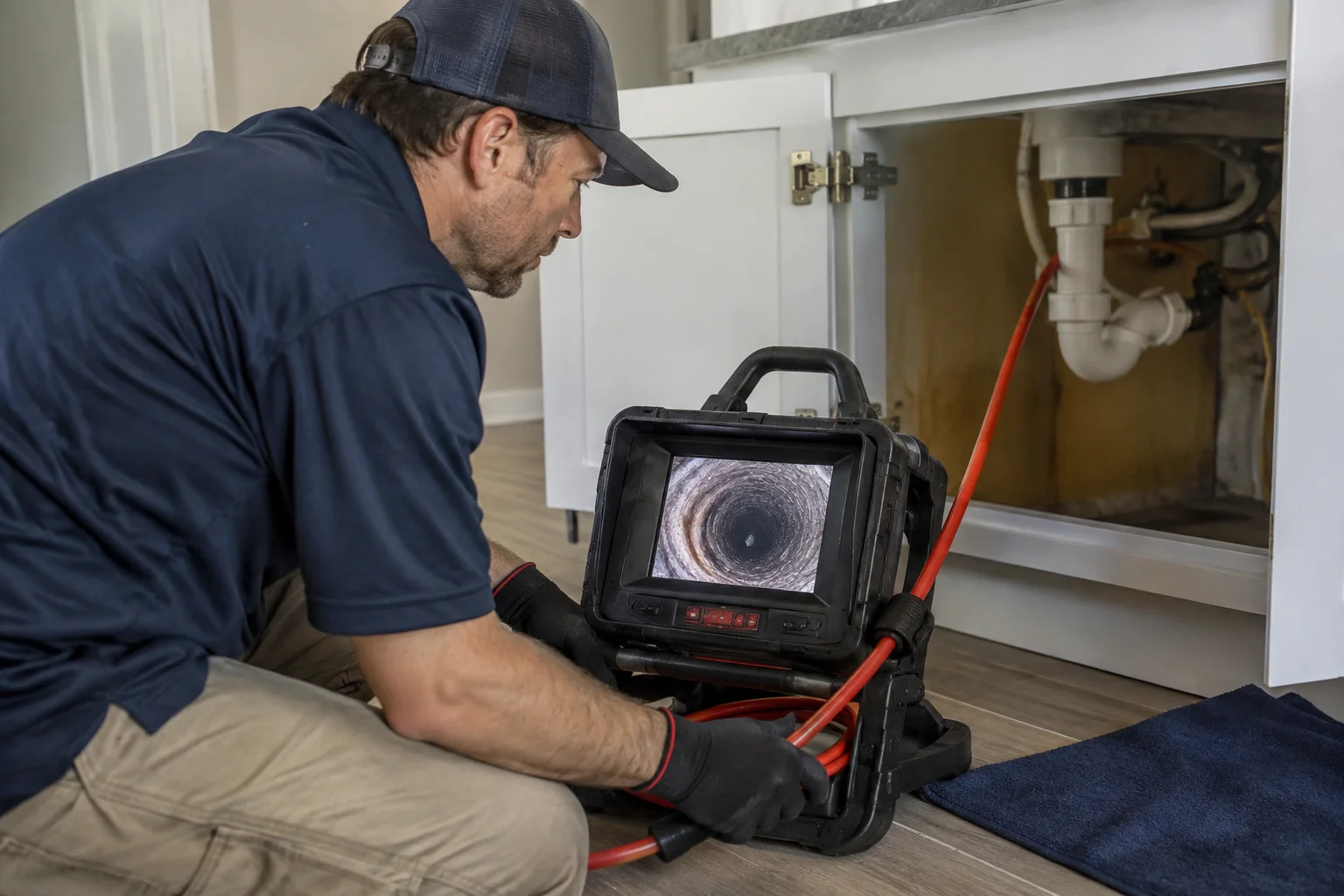
That is why it is smart to protect equipment and duct openings during construction and have the system inspected before move in. In some cases, a camera inspection can help confirm that ducts are clear and properly connected. Homeowners who want a closer look at hidden issues can learn more about camera inspection services, especially when they want to verify that the system is clean and ready.
Keeping the HVAC system protected during the build helps prevent avoidable problems once the family moves in.
Watch for early warning signs after move in
Even with a good installation, it is worth paying attention during the first few months in a new home. Uneven temperatures, high indoor humidity, noisy airflow, short cycling, or rooms that never seem to cool properly can point to an issue with the design or installation.
Homeowners should also notice whether the system runs longer than expected, whether the thermostat location seems accurate, and whether certain rooms feel stale or damp. These are not minor complaints in a coastal Florida home. They can be signs that airflow needs to be adjusted, ducts need sealing, or the equipment needs a closer look.
Addressing these issues early is usually easier and less expensive than waiting until the system has been running for years.
Maintenance matters even for brand new systems
New construction air conditioning is not a one time project. Once the home is finished, the system still needs routine care to stay efficient. Filter changes, coil cleaning, drain line checks, and seasonal inspections all help protect the investment. In humid areas like Laguna Beach, clogged drain lines and dirty coils can become problems faster than many homeowners expect.
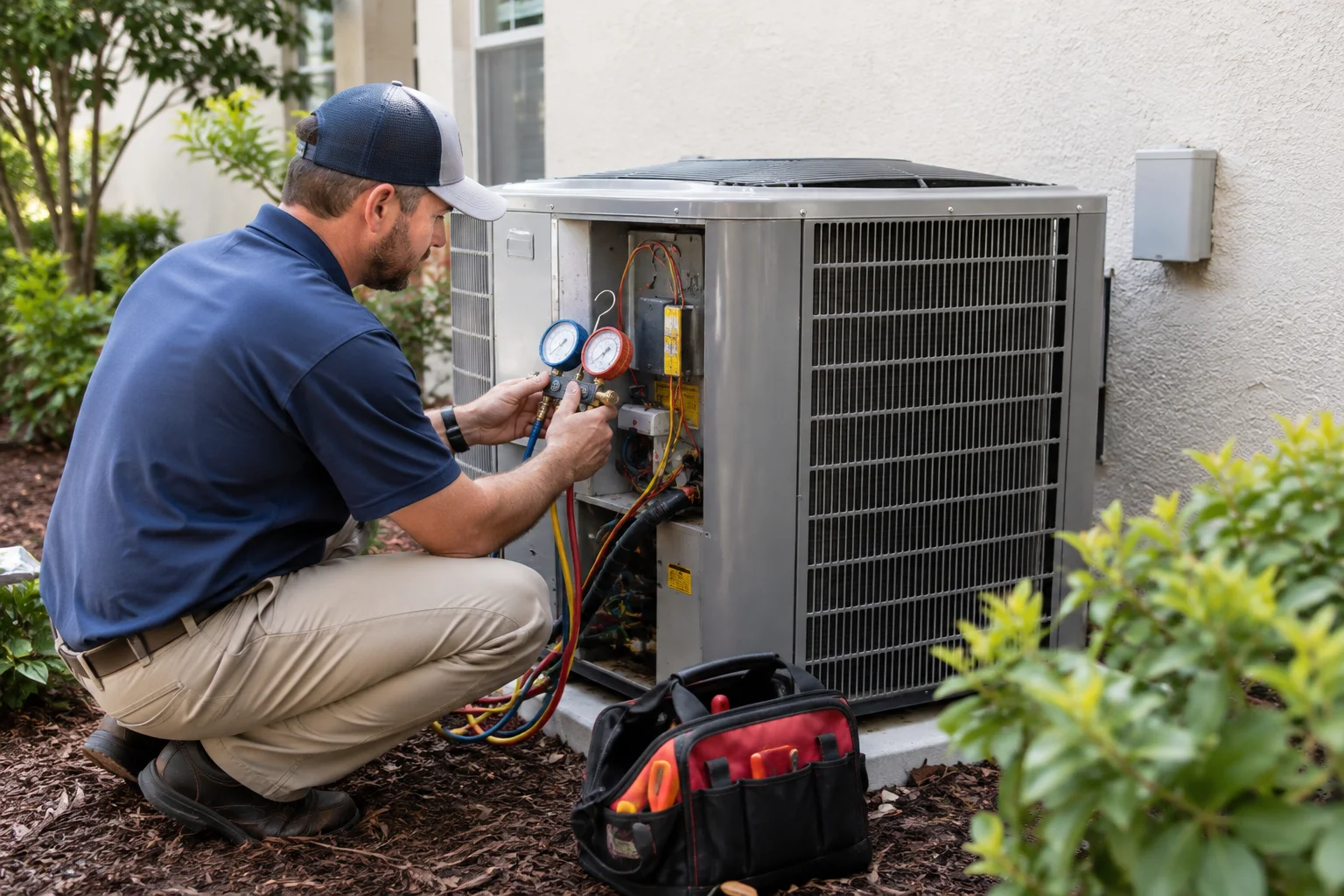
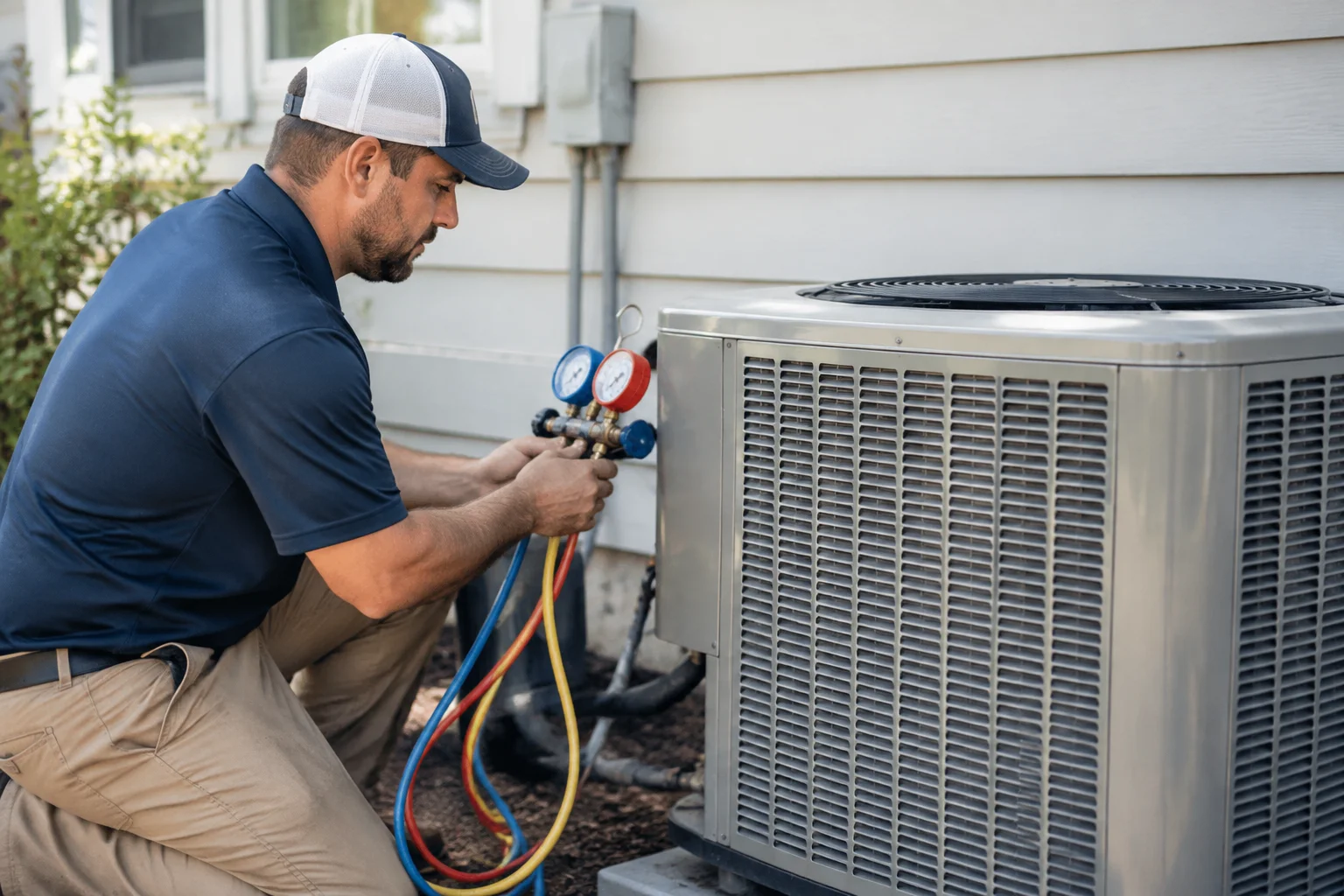
Regular HVAC service also helps catch small issues before they turn into breakdowns. A loose connection, low airflow, or minor refrigerant issue can affect comfort and energy use long before the system fails completely. For homeowners who want to avoid surprise repairs, preventive maintenance is part of the long term strategy, not an optional extra.
If a project budget is tight during construction, some homeowners also look into financing options to make sure they can choose the right system instead of cutting corners. That is one reason articles like Why HVAC Financing Matters More Than Most Laguna Beach Homeowners Realize can be helpful during the planning stage.
How local service helps protect the investment
Working with a local HVAC contractor gives homeowners an advantage that goes beyond convenience. A company that serves Laguna Beach every day knows the climate challenges, the building styles, and the common mistakes that can affect long term performance. That local knowledge helps with equipment selection, duct design, humidity control, and service after installation.
It also means help is nearby if something needs to be adjusted after the home is occupied. Whether the project is a single family home, a rental property, or a custom build, local service keeps the system easier to manage over time. For urgent situations later on, homeowners can also benefit from understanding the value of 24/7 emergency HVAC service, especially in a climate where comfort problems can escalate quickly.
Building for efficiency now saves trouble later
New construction is the best time to get air conditioning right. When the load calculation is accurate, the ductwork is planned carefully, the equipment is matched to the home, and humidity control is part of the design, the system is more likely to deliver steady comfort for years. That is especially important in Laguna Beach, where heat and moisture are part of daily life.
Homeowners who want a system designed for the local climate can count on A Superior Mechanical for new construction air conditioning in Laguna Beach, FL that supports comfort, efficiency, and long term performance from day one.
When the plan starts with the right HVAC design, the home is easier to live in, easier to maintain, and better prepared for coastal conditions from the moment the first thermostat is set.
Find New Construction Air Conditioning in Laguna Beach, FL
If you need New Construction Air Conditioning in Laguna Beach, FL, visit our local service page or contact A Superior Mechanical today.
Map of Laguna Beach, FL
Frequently Asked Questions
Why is new construction air conditioning different in Laguna Beach, FL?
Laguna Beach homes deal with heat, humidity, and coastal air, so new construction AC needs to be designed for moisture control, efficiency, and durability, not just cooling capacity.
How does proper ductwork affect a new home’s comfort?
Well planned ductwork helps air reach every room evenly, reduces energy loss, and supports better humidity control. Poor duct design can cause hot spots, noise, and higher utility bills.
Should a new construction system be oversized to handle Florida heat?
No. Oversizing can cause short cycling, poor humidity removal, and uneven comfort. A proper load calculation is the better way to size the system for the home.
How often should a new HVAC system be serviced after installation?
A new system should still be checked regularly, usually at least twice a year, to keep coils clean, drains clear, and airflow balanced in Laguna Beach’s humid climate.
Related Articles
- Keeping Laguna Beach Properties Reliable with Smarter HVAC Management
- Cleaner Air Starts in the Ducts: A Laguna Beach Homeowner’s Guide to Better HVAC Performance
- Why Laguna Beach Property Owners Should Pay Closer Attention to 24/7 Emergency HVAC Service
- Why HVAC Financing Matters More Than Most Laguna Beach Homeowners Realize
Photo Gallery