If your home never seems to cool evenly, your energy bills keep climbing, or certain rooms feel humid and stuffy, your ductwork may be part of the problem. Many homeowners focus on the air conditioner itself, but ducts play a major role in comfort, airflow, efficiency, and indoor air quality. A professional duct inspection in Seagrove Beach, FL can uncover hidden leaks, disconnected sections, crushed ducts, contamination, and other issues that are easy to miss without the right tools and experience.
For homes near the coast, duct problems can be especially common. Seagrove Beach properties deal with heat, humidity, salt air, sand, and heavy HVAC use for much of the year. Vacation rentals and second homes may also have added wear from frequent occupancy changes, inconsistent thermostat settings, and long periods between routine maintenance. If you are searching for duct inspection near you, it helps to understand what inspectors look for, what symptoms matter, and why local experience makes a difference.
Why duct inspection matters in Seagrove Beach homes
Seagrove Beach homes rely heavily on air conditioning for much of the year. In a coastal Florida climate, the duct system does more than move cool air from one room to another. It also affects humidity control, filtration, pressure balance, and system efficiency. When ducts leak or become damaged, conditioned air can escape into attics, crawl spaces, wall cavities, or unconditioned storage areas. That means your HVAC system has to run longer to keep up.
Local homes also vary widely in age and design. Some properties in the area are newer and tightly built, while others may have older duct layouts, additions, renovations, or flexible duct runs that have shifted over time. Multi-story beach homes, rental properties, and homes elevated for flood protection can all create unique airflow challenges. A proper inspection helps identify whether the issue is with the equipment, the duct system, or both.
A Superior Mechanical serves homeowners across Walton County and understands how regional conditions affect HVAC performance. For homeowners in and around Seagrove Beach, local service matters because climate, construction style, and occupancy patterns all influence duct health.
What is a duct inspection?
A duct inspection is a detailed evaluation of your home's ductwork to check for problems that reduce comfort, efficiency, or air quality. The goal is not just to glance at visible vents. A real inspection looks at the condition and performance of the system as a whole.
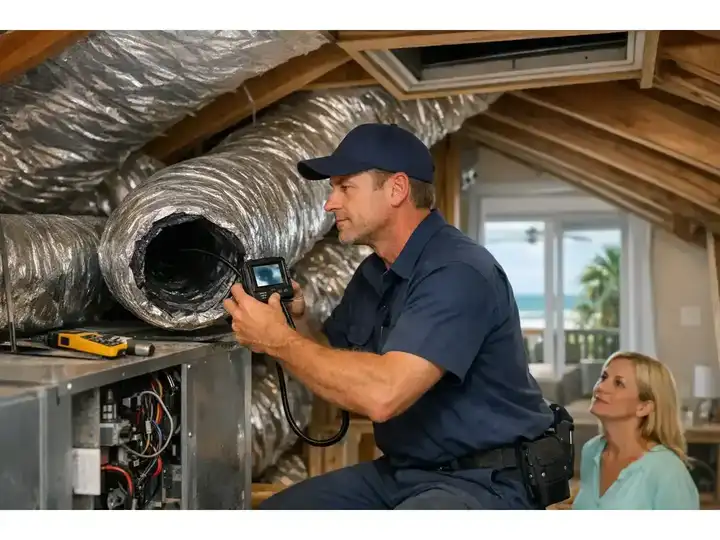
Depending on the home and the symptoms, an inspection may include checking accessible duct runs, connections, insulation, air leakage, airflow restrictions, return air pathways, signs of moisture, debris buildup, biological growth concerns, and physical damage. Technicians may also inspect registers, grilles, plenums, boots, and areas around the air handler where leaks are common.
In many cases, homeowners call because they think they need AC repair, but the root issue turns out to be duct-related. If your system is struggling, it can be smart to compare duct concerns with other cooling issues discussed in How to Know It’s Time for Air Conditioning Replacement in Sandestin, FL. Sometimes the equipment is aging, and sometimes the duct system is wasting the air the unit is producing.
Common signs you may need a duct inspection
Hot and cold spots from room to room
One of the most common complaints is uneven temperatures. If the living room feels fine but the upstairs bedroom is always warm, or one side of the home never seems comfortable, airflow problems in the duct system may be to blame. Leaks, poor design, disconnected ducts, and crushed flex ducts can all reduce air delivery where you need it most.
High energy bills without a clear reason
If your electric bill has increased and your usage habits have not changed much, leaking or inefficient ducts could be forcing your system to work harder. Even small leaks can add up over time, especially during long cooling seasons in Seagrove Beach.
Weak airflow at vents
When air barely moves from certain supply vents, the issue may be a blockage, duct sag, disconnected section, closed damper, or poor return airflow. Weak airflow often causes longer run times and less consistent cooling.
Dust, musty odors, or poor indoor air quality
Ducts with gaps or damage can pull in dust, insulation particles, attic air, or moisture-related contaminants. In humid coastal areas, musty smells should not be ignored. They can point to moisture intrusion, microbial growth, or dirty components within the system.
Noisy ducts or rattling sounds
Popping, rattling, whistling, or vibration noises may mean loose connections, pressure issues, or damaged duct sections. These sounds often become more noticeable when the system starts or stops.
Humidity problems indoors
If your home feels clammy even when the AC is running, the issue may involve duct leakage, return air problems, or an HVAC system that is not operating efficiently. In a place like Seagrove Beach, humidity control is just as important as temperature control.
What causes duct problems in coastal Florida?
Heat and humidity
Florida's climate puts heavy demand on HVAC systems. Ducts located in hot attics are exposed to extreme temperatures, and high humidity can worsen wear on insulation, seals, and surrounding materials. If ducts are poorly insulated or leaking, the performance loss can be significant.
Salt air and coastal exposure
Homes near the beach deal with salt in the air, which can contribute to corrosion on metal components and hardware over time. While the duct material itself varies by system, nearby metal fasteners, supports, and equipment connections may deteriorate faster in coastal environments.
Age and settling
As homes age, duct connections can loosen, supports can fail, and flexible ducts can sag or kink. Renovations and additions may also leave behind mismatched duct sizing or awkward runs that hurt airflow.
Pests and debris
Attics and crawl spaces sometimes attract rodents or insects. Ducts can be damaged by nesting, chewing, or contamination. Wind-driven debris, insulation movement, and construction dust can also affect the system.
Heavy use in vacation rentals
Many Seagrove Beach properties serve as short-term rentals or second homes. Frequent turnover means thermostats are adjusted often, filters may be overlooked, and wear can go unnoticed until guests or owners report comfort issues. For rental owners, duct inspection can help prevent complaints and reduce strain on the HVAC system during peak season.
What happens during a professional duct inspection?
A professional inspection starts with your symptoms. A technician may ask which rooms are uncomfortable, whether you have noticed odors or dust, how long the issue has been happening, and whether there have been recent repairs or renovations.
From there, the inspection may include:
Checking visible duct runs for disconnections, tears, sagging, crushed sections, or missing insulation
Inspecting supply and return ducts for leaks at joints, seams, and boots
Evaluating airflow at vents and looking for signs of imbalance
Inspecting the air handler and plenum connections where leakage often occurs
Looking for moisture issues, staining, or conditions that may support contamination
Checking return air pathways to make sure the system can circulate air properly
Identifying signs of age, poor installation, or materials that may need replacement
The benefit of hiring a qualified local company is that the inspection is tied to practical recommendations. If a duct issue is found, the next step may be sealing, reconnecting, repairing, insulating, or redesigning part of the system. If the AC itself is contributing to the problem, homeowners may also need air conditioning repair or broader air conditioning services.
Can duct problems affect indoor air quality?
Yes. Duct issues can directly affect the air moving through your home. If return ducts leak in an attic or crawl space, the system may pull in dusty, humid, or contaminated air from those areas. That air then circulates through the living space. This is one reason homeowners sometimes notice more dust on furniture, worsening allergies, or musty smells even when the AC seems to be running.
Moisture is another concern in coastal homes. If humid air enters the duct system or condensation forms on poorly insulated ducts, it can create conditions that support biological growth. A duct inspection helps identify whether the system is staying sealed and dry enough to support better indoor air quality.
Homeowners often compare indoor air concerns across home systems. For example, hidden leaks behind walls or under slabs can also create moisture-related problems, as discussed in Why Homeowners Need Leak Detection and Slab Leak Repair in Bluewater Bay, FL. In HVAC systems, catching moisture-related issues early is just as important.
Are duct inspections only for older homes?
No. Older homes are more likely to have wear, outdated materials, or previous repairs that need attention, but newer homes can also have duct problems. Poor installation, loose connections, undersized returns, and damaged flex duct can happen in homes of any age. New construction does not automatically mean the duct system is optimized.
Inspections are especially useful after remodeling, after storm events, when buying a home, or when taking over a rental property. If comfort issues start soon after moving in, the duct layout may need closer review.
How often should ducts be inspected?
There is no single schedule that fits every home, but many homeowners benefit from a duct inspection when there are clear comfort or efficiency issues, after major HVAC work, or every few years as part of broader system maintenance. Homes with pets, high occupancy, recent construction, or vacation rental turnover may need more frequent attention.
If you have already needed emergency service because your cooling system stopped working during a heat wave, it may be worth looking beyond the equipment itself. In some cases, poor airflow or duct damage adds strain that contributes to breakdowns. Homeowners facing urgent cooling issues can also learn more about 24/7 emergency HVAC services in the area.
What are the most common solutions after an inspection?
Duct sealing
If leaks are found at joints, seams, or connections, sealing those areas can improve efficiency and help more conditioned air reach the living space.
Repairing or replacing damaged sections
Crushed, torn, disconnected, or poorly supported duct sections may need repair or replacement. This is common with aging flex duct in attics.
Improving insulation
In hot attics, duct insulation matters. Better insulation can reduce energy loss and help prevent condensation issues.
Airflow balancing or redesign
Some homes have layout-related airflow problems that require more than patching a leak. Adjusting duct sizing, return placement, or branch runs may improve comfort in hard-to-cool rooms.
Addressing related HVAC issues
Sometimes the ductwork is only part of the picture. Dirty coils, blower issues, incorrect equipment sizing, or aging systems can all affect airflow and comfort. In select homes looking for long-term efficiency upgrades, higher-performance options such as geothermal energy systems may also be worth discussing depending on the property and goals.
What can homeowners do to help prevent duct problems?
Change filters on schedule
Dirty filters restrict airflow and add stress to the system. Regular filter changes support cleaner operation and help technicians evaluate performance more accurately.
Schedule routine HVAC maintenance
Annual or seasonal maintenance helps catch airflow issues before they become expensive problems. Technicians may notice signs of duct leakage, insulation damage, or moisture during routine visits.
Pay attention to new comfort changes
If one room suddenly becomes warmer, airflow drops, or odors appear, do not wait months to investigate. Small duct issues can worsen under heavy summer use.
Inspect after storms or renovations
Storms, attic work, pest activity, and remodeling can all affect duct systems. A post-project inspection can confirm everything is still connected and performing properly.
Keep records for rental properties
For owners of vacation rentals in Seagrove Beach, documenting HVAC and duct inspections can help reduce guest complaints and support preventive maintenance between busy seasons.
When should you call a professional for duct inspection in Seagrove Beach?
Call a professional if you have uneven cooling, rising utility bills, weak airflow, persistent dust, musty smells, noisy ducts, or rooms that never seem comfortable. It is also smart to schedule an inspection when buying a home, preparing a vacation rental for peak season, or after replacing major HVAC equipment.
Local knowledge matters because beach-area homes do not all behave the same way. Elevated homes, second-story living spaces, enclosed attics, and high humidity all affect how duct systems perform. A company familiar with Seagrove Beach and the surrounding Walton County area can better recognize the patterns that show up in coastal properties.
Homeowners sometimes read about HVAC issues in nearby communities and wonder whether the same principles apply. They often do. For example, airflow, equipment stress, and maintenance expectations are also part of commercial system care, as covered in What to Expect From Commercial HVAC Repair in Upper Grand Lagoon, FL. The details differ, but the core idea is the same: hidden system problems can affect comfort, cost, and reliability if they are not inspected properly.
Even though plumbing and HVAC are different systems, the same preventive mindset applies across the home. Catching issues early is usually less disruptive and less expensive than waiting for visible damage or major failure. That is also why homeowners value educational resources like Sewer Repair and Maintenance in Callaway, FL: Common Problems and Solutions when trying to stay ahead of home maintenance problems.
For homeowners searching for duct inspection near them in Seagrove Beach, the right service should do more than confirm that air is moving. It should identify why certain rooms feel uncomfortable, why humidity seems hard to control, and whether your duct system is helping or hurting overall HVAC performance. A detailed local inspection gives you a clearer path toward better comfort, cleaner air, and more efficient operation year-round.
Find Duct Inspection in Seagrove Beach, FL
If you need Duct Inspection in Seagrove Beach, FL, visit our local service page or contact A Superior Mechanical today.
Map of Seagrove Beach, FL
Frequently Asked Questions
How do I know if I need a duct inspection in Seagrove Beach, FL?
Common signs include uneven cooling, weak airflow, higher energy bills, extra dust, musty odors, or rooms that stay humid. In Seagrove Beach, coastal humidity and heavy AC use can make duct issues show up faster.
What problems can a duct inspection find?
A professional duct inspection can uncover leaks, disconnected duct sections, crushed or sagging flex duct, poor insulation, airflow restrictions, contamination concerns, and signs of moisture or age-related damage.
Are duct inspections important for vacation rentals?
Yes. Vacation rentals often have frequent thermostat changes, heavy seasonal use, and less consistent filter replacement. A duct inspection can help improve comfort for guests and reduce strain on the HVAC system.
Related Articles
Photo Gallery