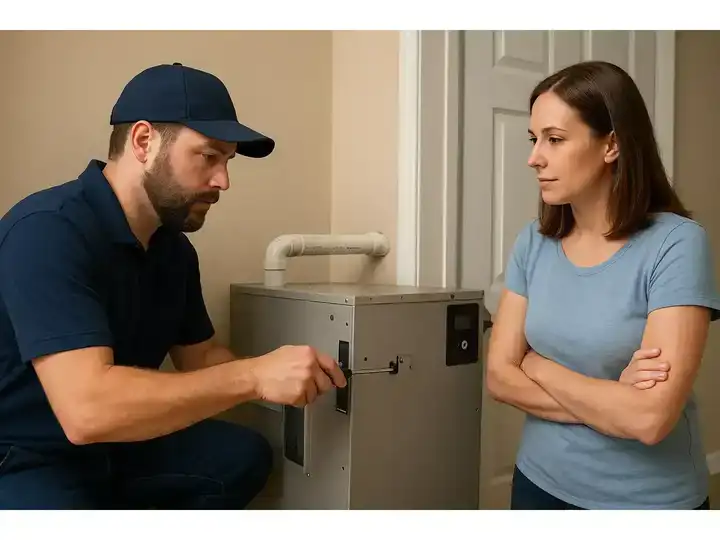
Upper Grand Lagoon homeowners know that humidity is not a seasonal nuisance here. It is part of daily life. Between the Gulf air, summer rain, and the moisture that hangs around coastal Bay County, indoor humidity can climb fast and stay there if your system is not set up correctly. That is why whole home dehumidifiers in Upper Grand Lagoon, FL are such a practical upgrade for local homes.
A properly installed dehumidifier can make a house feel cooler, help reduce musty odors, and protect finishes, furniture, and air quality. But like any HVAC equipment, long term results depend on more than just buying the right unit. Homeowners need to understand how local climate, home layout, maintenance habits, and ductwork all affect performance. Small issues can quietly cut efficiency and shorten equipment life if they are ignored.
If you live in Upper Grand Lagoon or anywhere in Bay County, the sections below explain what usually gets in the way of good humidity control and what you can do to keep your system working the way it should.
Why humidity control matters so much in Upper Grand Lagoon
Coastal Florida homes deal with more than heat. Moisture moves in through doors, windows, crawl spaces, attic leakage, and everyday activities like cooking and showering. Even when the air conditioner runs often, it may not remove enough water vapor from the air, especially during mild but sticky weather when the cooling load is lower.
That is where a whole home dehumidifier helps. Instead of treating one room or relying on a portable unit, it works with your HVAC system to pull moisture from the air throughout the house. In a place like Upper Grand Lagoon, that can mean fewer damp spots, less condensation on vents and windows, and a more comfortable home overall.
Homes near the coast can also be more vulnerable to hidden moisture problems. Vacation properties, older homes, and houses that sit closed up for stretches of time may trap humidity longer than expected. If you own a rental, manage a second home, or spend part of the year away, steady humidity control becomes even more important.
Common issues homeowners should not ignore
The system is running, but the house still feels damp
If your dehumidifier turns on and off but indoor air still feels sticky, the unit may be undersized, set up incorrectly, or fighting too much infiltration. In coastal homes, air leaks around attic access points, doors, and ductwork can keep pulling humid outdoor air inside. The dehumidifier can only do so much if the home is constantly taking on moisture.
Another possibility is that the unit is not moving enough air through the right parts of the home. Poor duct design or a blocked return can limit how well the system performs. A local technician who understands Upper Grand Lagoon homes can check whether the equipment matches your square footage and your actual moisture load.
Musty odors keep coming back
Persistent musty smells usually mean moisture is still present somewhere. It may be in the air handler cabinet, inside supply ducts, in insulation, or in areas of the house that do not get enough conditioned airflow. A dehumidifier can help, but it should not be used as a substitute for fixing the source of the odor.
Homeowners sometimes notice the smell most strongly after the air conditioner has been off for a while. That can point to standing moisture in the system or in the home itself. If the odor returns after cleaning, the problem may be deeper than surface dust or dirt.
Condensation is showing up on windows, vents, or closets
Visible condensation is one of the clearest signs that indoor humidity is too high. It often appears on cooler surfaces first, including glass, supply registers, and exterior walls. Closets and interior rooms with limited airflow can also trap moisture and develop dampness faster than the rest of the home.
When this happens, the dehumidifier may need calibration, better drainage, or a service check. It can also mean your HVAC system is short cycling, which gives the unit less time to remove moisture from the air. If your home has hot and cold spots, the humidity problem may be connected to airflow issues as well.
The dehumidifier drains slowly or not at all
Drainage problems are common and easy to overlook. A clogged drain line, a bad condensate pump, or a poor installation angle can keep water from leaving the unit properly. If the drain backs up, the system may shut down, leak, or work harder than it should.
In a humid climate like Upper Grand Lagoon, even a minor drainage issue can become a bigger one quickly. Standing water can lead to mold growth, water damage, and unnecessary wear on the equipment. Homeowners should not wait for a leak to get attention.
The air conditioner seems to run less efficiently
Whole home dehumidifiers can support HVAC performance, but only if the system is balanced correctly. When humidity control is poor, the air conditioner often has to work harder to make the home feel comfortable. That can show up as longer runtime, uneven temperatures, and higher energy use.
For homeowners comparing comfort upgrades, it is worth looking at the whole picture. In some homes, a dehumidifier works best alongside other improvements such as ductless mini-splits in problem areas or new construction air conditioning design that accounts for humidity from the start.
What usually causes long term performance problems
Most dehumidifier problems do not start with the equipment itself. They start with the conditions around it. In Upper Grand Lagoon, the most common causes include poor installation, oversized or undersized HVAC systems, leaky ductwork, weak attic sealing, and lack of regular maintenance.
Another frequent issue is assuming that any dehumidifier will solve any humidity problem. Homes vary widely. A one story ranch, a beachside rental, and a newer home with tighter construction each need a different approach. If the unit is not matched to the home, it may cycle too often, fail to remove enough moisture, or overwork itself trying to keep up.
Local weather matters too. Coastal storms, long stretches of rain, and salt air can all affect HVAC components over time. That is one reason local service matters. A technician who works in Bay County every day is more likely to spot the patterns that cause recurring humidity trouble and suggest fixes that fit the home, not just the equipment.
How to improve long term results
Keep the filters and airflow paths clean
Restricted airflow makes it harder for a dehumidifier to do its job. Check filters on the schedule recommended for your system, and do not let dust build up around return grilles or supply vents. If the unit is tied into the HVAC system, dirty filters can affect both comfort and moisture removal.
Good airflow also means keeping furniture, storage items, and curtains from blocking vents. In homes with closets or rooms that feel damp, simple airflow adjustments can make a noticeable difference.
Watch the drain line and drain pan
Drain components need periodic attention. A clear drain line helps prevent backup, leaks, and shutoffs. The drain pan should also be checked for standing water, rust, or debris. If water is not leaving the system the way it should, the unit cannot protect your home effectively.
During routine maintenance, a technician can flush the line, test the pump if there is one, and make sure the unit is draining safely. That is especially helpful in humid coastal homes where condensate production can be heavy for much of the year.
Seal air leaks and control attic moisture
Whole home dehumidifiers work better when the house is not constantly pulling in humid outdoor air. Sealing gaps around windows, doors, attic penetrations, and duct connections can reduce the moisture load. In some homes, attic insulation and ventilation should also be reviewed to make sure they are not contributing to humidity problems.
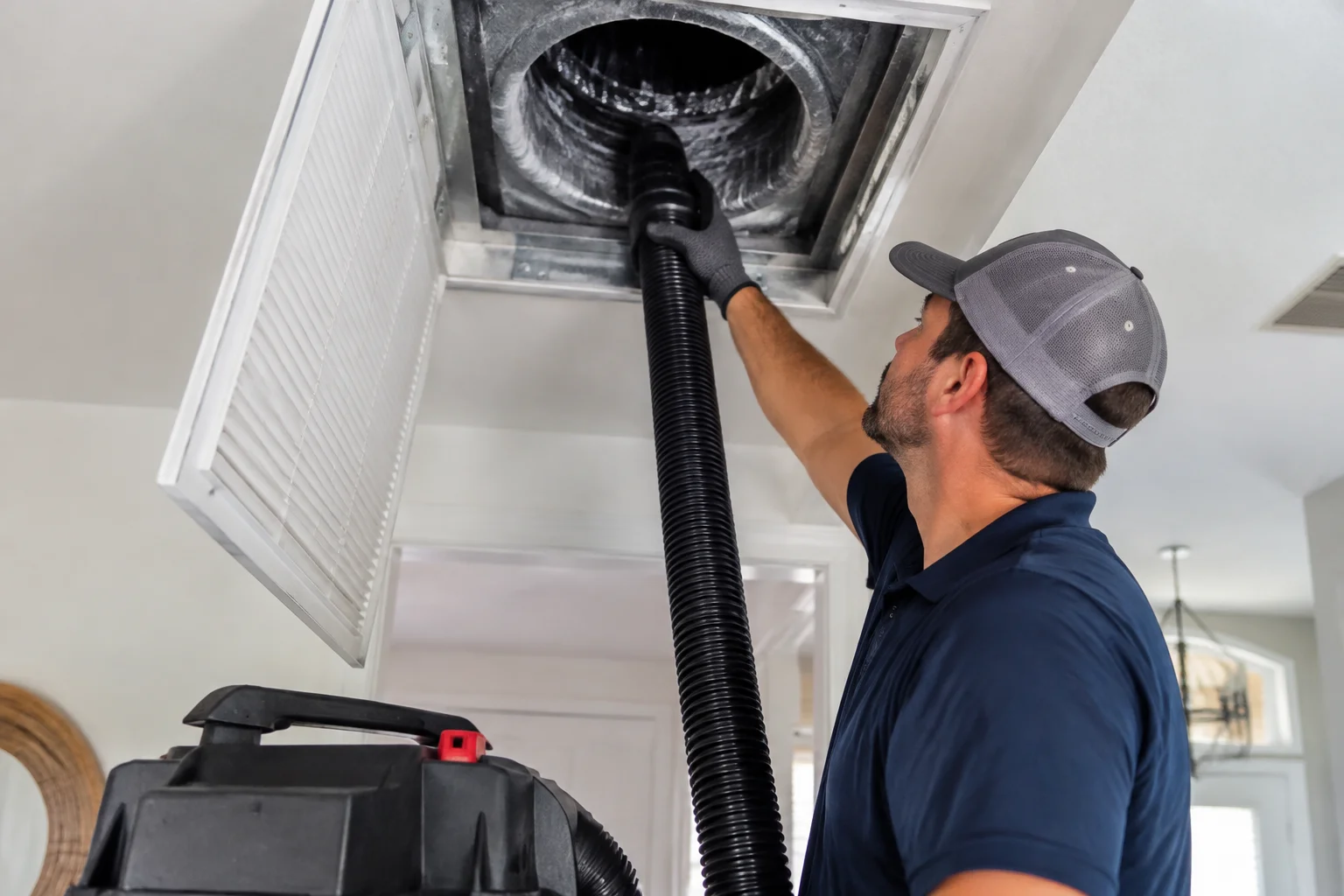
If the home has a history of moisture issues, it may be worth having the duct system inspected as part of the same visit. Leaky ducts can undo a lot of the work your dehumidifier is doing.
Use the system settings correctly
Some homeowners set the humidity target too low because they want the air to feel extra dry. In reality, overcorrecting can waste energy and put unnecessary strain on the equipment. A comfortable indoor humidity range for many homes is often around 45 to 50 percent, though the best setting can depend on the house and the season.
If you are not sure how your system should be set, ask a technician during service. A small adjustment can improve comfort without making the unit work harder than necessary.
Schedule regular service with a local HVAC company
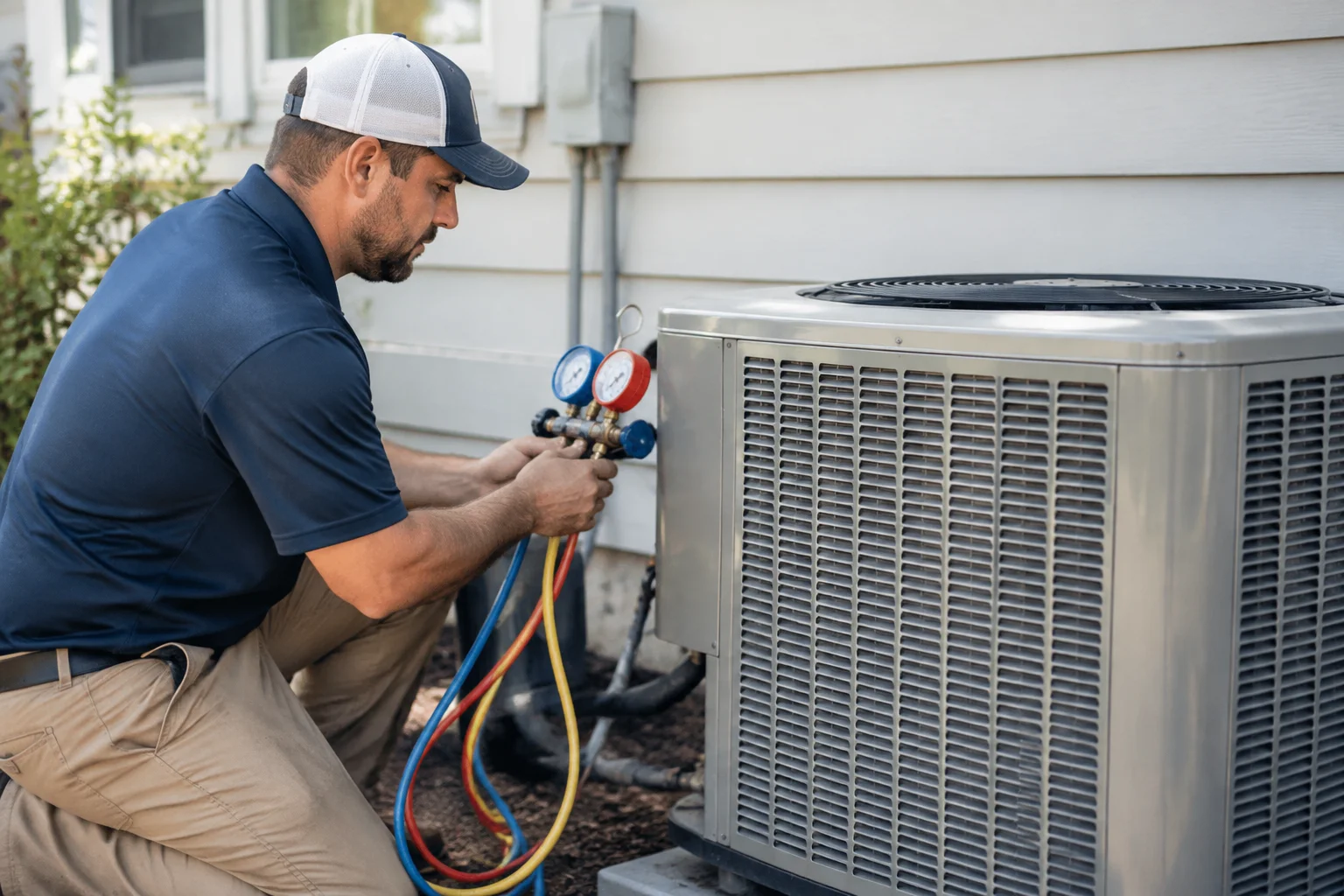
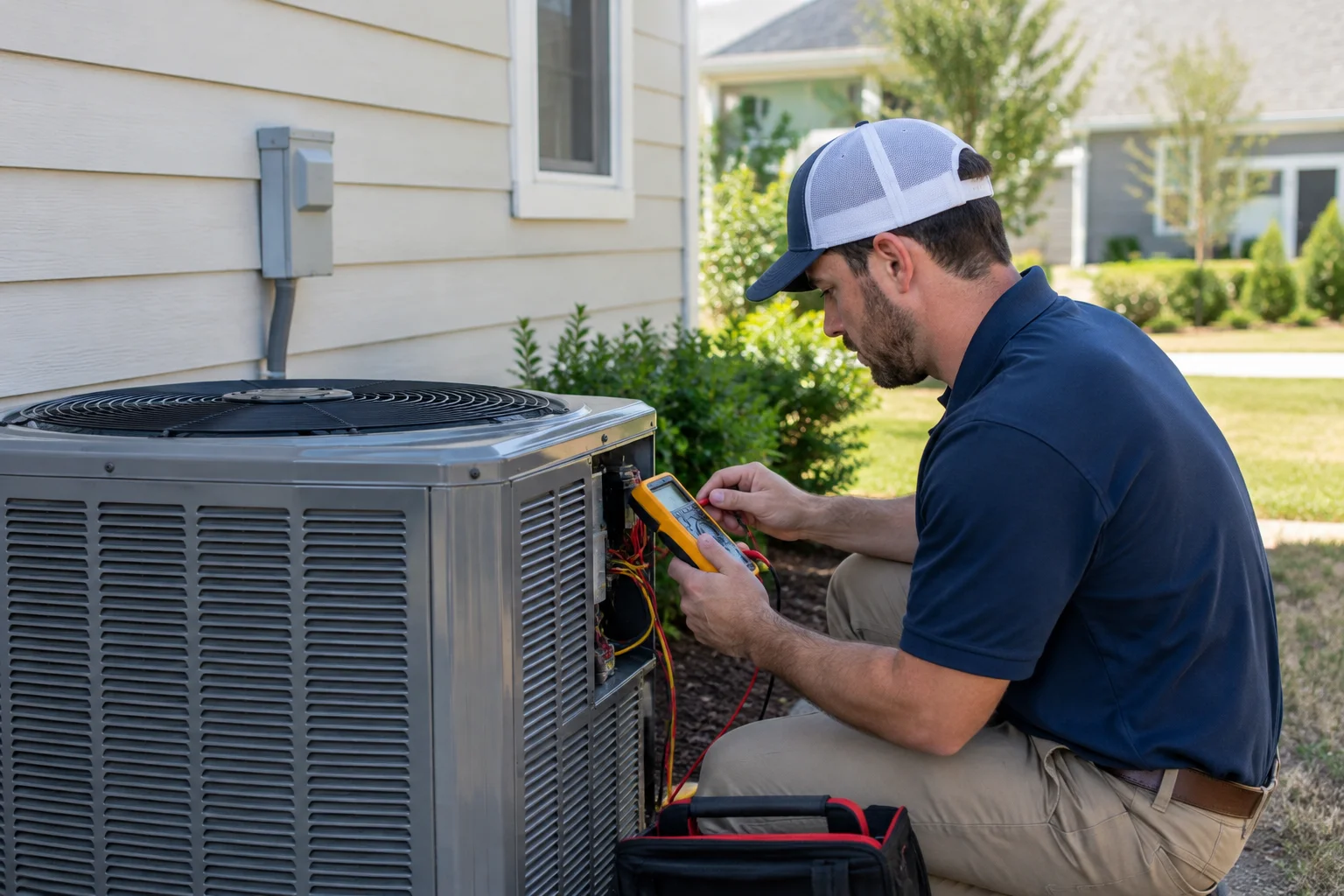
Routine maintenance is one of the easiest ways to protect your investment. During a service visit, a technician can inspect electrical connections, confirm proper operation, clean coils if needed, test drainage, and look for signs of wear before they turn into expensive repairs.
That kind of service is especially useful in Bay County, where humidity and salt exposure can shorten the life of HVAC components. If you already rely on local HVAC support for other equipment, such as commercial HVAC services or water heating needs like water heater installation, it makes sense to keep humidity control on the same maintenance calendar.
When professional help makes the most sense
Some issues are simple homeowner fixes. Others need professional diagnosis. If the unit is not draining, the home still feels damp after adjustments, or you keep seeing condensation and odors, it is time to have the system checked by an HVAC technician who understands local humidity patterns.
Professional service is also important if your dehumidifier was added to an existing HVAC system and never seemed to work quite right. Sometimes the issue is installation related, not equipment failure. Duct sizing, return placement, control wiring, and airflow balance all affect performance.
For homeowners who want a better long term setup, it is worth working with a company that serves Upper Grand Lagoon directly. Local knowledge matters when homes are dealing with salt air, seasonal moisture swings, and the everyday realities of living near the coast. A Superior Mechanical provides whole home dehumidifiers in Upper Grand Lagoon, FL with service designed for these conditions.
How humidity control fits into broader home comfort
Whole home dehumidifiers are one part of a healthier, more efficient home. They can support better indoor air quality, reduce strain on cooling equipment, and help protect finishes and furnishings from moisture damage. For some households, they also pair well with other comfort upgrades and HVAC planning, especially in homes that are being renovated, expanded, or rebuilt.
That is why homeowners often talk with a local HVAC team about more than one system at a time. Whether the project involves humidity control, ductless comfort in specific rooms, or a larger HVAC update, the right plan should fit the home and the climate. In Upper Grand Lagoon, that means accounting for moisture from the start instead of treating it as an afterthought.
If your home already has a dehumidifier, paying attention to the small warning signs can help you get better results for years. If you are thinking about adding one, the best time to plan for humidity control is before the next stretch of muggy weather settles in.
Find Whole Home Dehumidifiers in Upper Grand Lagoon, FL
If you need Whole Home Dehumidifiers in Upper Grand Lagoon, FL, visit our local service page or contact A Superior Mechanical today.
Map of Upper Grand Lagoon, FL
Frequently Asked Questions
How do whole home dehumidifiers help homes in Upper Grand Lagoon?
They remove excess moisture from the air throughout the house, which can help reduce stickiness, musty odors, condensation, and strain on the air conditioner in Bay County's humid coastal climate.
Why does my dehumidifier run but the house still feels damp?
This usually points to airflow issues, duct leaks, an undersized unit, or too much outdoor humidity entering the home. A local HVAC inspection can identify the cause.
How often should a whole home dehumidifier be serviced?
Most homeowners should have it checked at least once a year, and more often if the home has heavy humidity, drainage concerns, or other HVAC issues.
Can a whole home dehumidifier lower energy use?
It can help the HVAC system feel more effective, which may reduce how hard the air conditioner has to work. Results depend on the home's layout, insulation, and overall system setup.
Related Articles
Photo Gallery