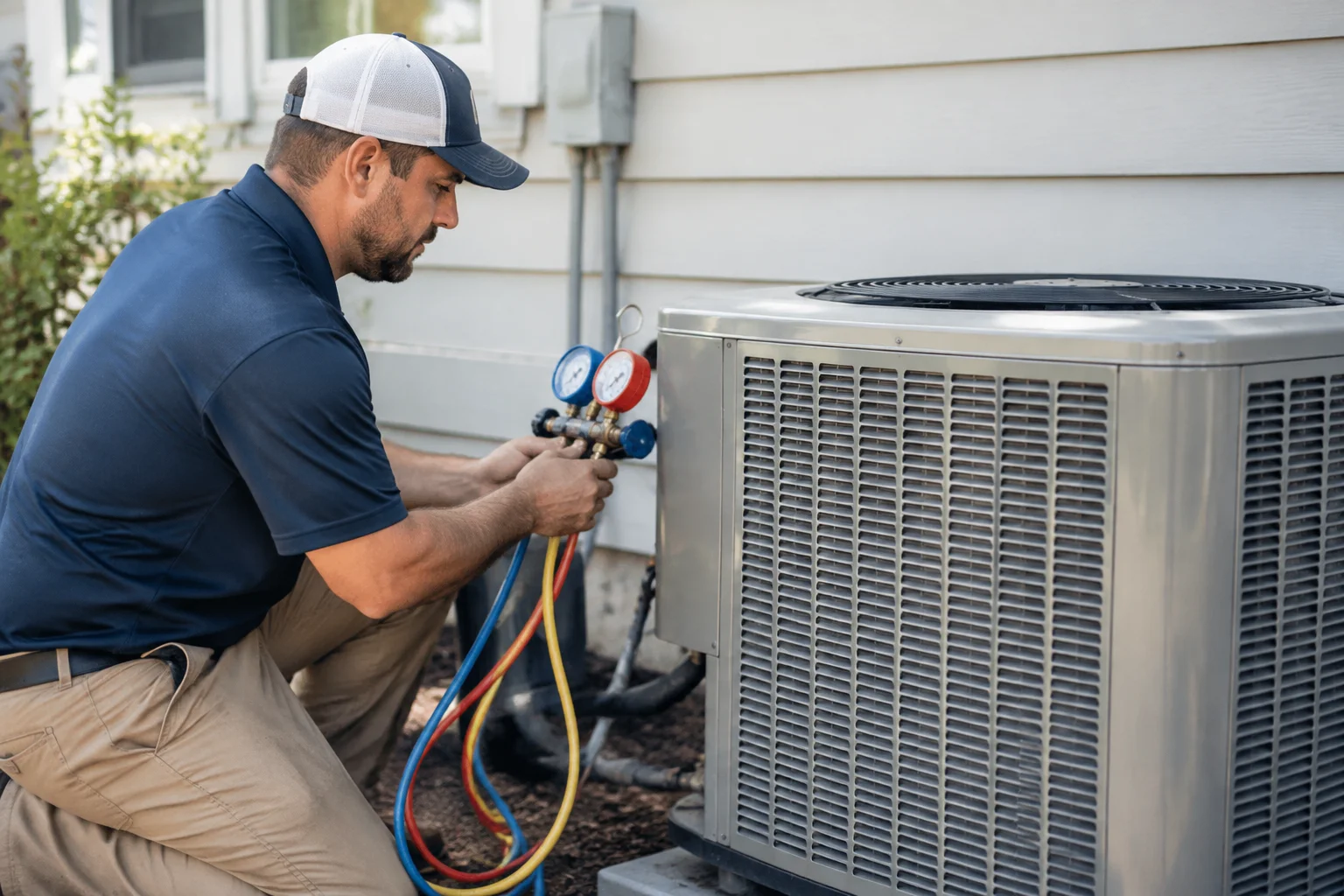
New construction air conditioning should do more than cool a house. In DeFuniak Springs, it needs to handle hot afternoons, sticky summer humidity, and the kind of seasonal weather swings that make comfort feel inconsistent if the system is not planned well. For homeowners moving into a new build or finishing a custom home, the HVAC system is one of the most important parts of the whole project, even though it is often hidden behind walls, in the attic, or outside near the driveway.
That is why it helps to know what a good installation should look like and how to spot early trouble before small issues turn into uneven temperatures, high utility bills, or moisture problems. If you are planning a project in the area, A Superior Mechanical offers new construction air conditioning in DeFuniak Springs, FL designed for local homes and the conditions homeowners deal with across Walton County. You can also learn more about the area on the DeFuniak Springs service page and the broader Walton County service page.
Why new construction AC deserves extra attention
A new home gives you a rare chance to get the HVAC system right from the start. Ductwork can be sized correctly, airflow can be balanced for the layout, and equipment can be matched to the home instead of squeezed into an older design. That matters in DeFuniak Springs, where heat and humidity can make an undersized or poorly planned system work much harder than it should.
New construction also comes with a lot of moving parts. Framing, insulation, drywall, electrical work, roofing, and plumbing all affect how an HVAC system performs. If one trade changes something late in the process, such as closing off attic access, shifting duct routes, or altering insulation coverage, the AC system may not deliver the comfort the plans promised. Homeowners do not need to become HVAC experts, but they should know enough to ask good questions and notice red flags early.
What a well planned system should do in a Walton County home
In a place like DeFuniak Springs, a properly designed system should keep temperatures even from room to room, control humidity without making the house feel clammy, and run efficiently without short cycling. It should also fit the home’s square footage, ceiling height, insulation level, window exposure, and floor plan. A system that works on paper but not in real life usually has a sizing or installation issue somewhere in the chain.
That is especially true in newer neighborhoods and custom homes where open floor plans, bonus rooms, and large glass areas can create uneven cooling demands. A bedroom over the garage may need different airflow than a shaded living room. A good contractor will account for those differences before the system is installed, not after the homeowner starts complaining about hot spots.
Early warning signs homeowners should pay attention to
Rooms that never feel quite right
If one room stays warm while the rest of the house feels fine, the issue may not be the thermostat. It could be duct sizing, poor air balancing, a restrictive return path, or a system that was not matched to the home’s design. In a new build, this is one of the first signs that something was missed during installation or startup.
Humidity that lingers indoors
DeFuniak Springs homeowners know how uncomfortable indoor humidity can feel, even when the AC is running. If windows fog, the air feels sticky, or bedding and furniture start to feel damp, the system may be oversized, short cycling, or not moving enough air across the coil. In new construction, this can point to both equipment selection and duct design issues.
Airflow that seems weak or noisy
Weak airflow can mean blocked ducts, poor duct layout, dirty construction debris in the system, or problems with the blower setup. Loud rushing sounds, rattling, or whistling can also signal that the system is fighting against poor installation details. A new HVAC system should not sound strained every time it starts.
Energy bills that feel too high for a new home
New construction homes are often expected to be efficient, so a surprisingly high utility bill is worth a closer look. If the AC is running longer than expected, shutting off too quickly, or struggling to maintain temperature, the problem may be hidden in the ductwork, thermostat placement, or refrigerant charge. Even a brand new system can waste energy if it was not set up correctly.
Dust, drywall debris, or musty odors
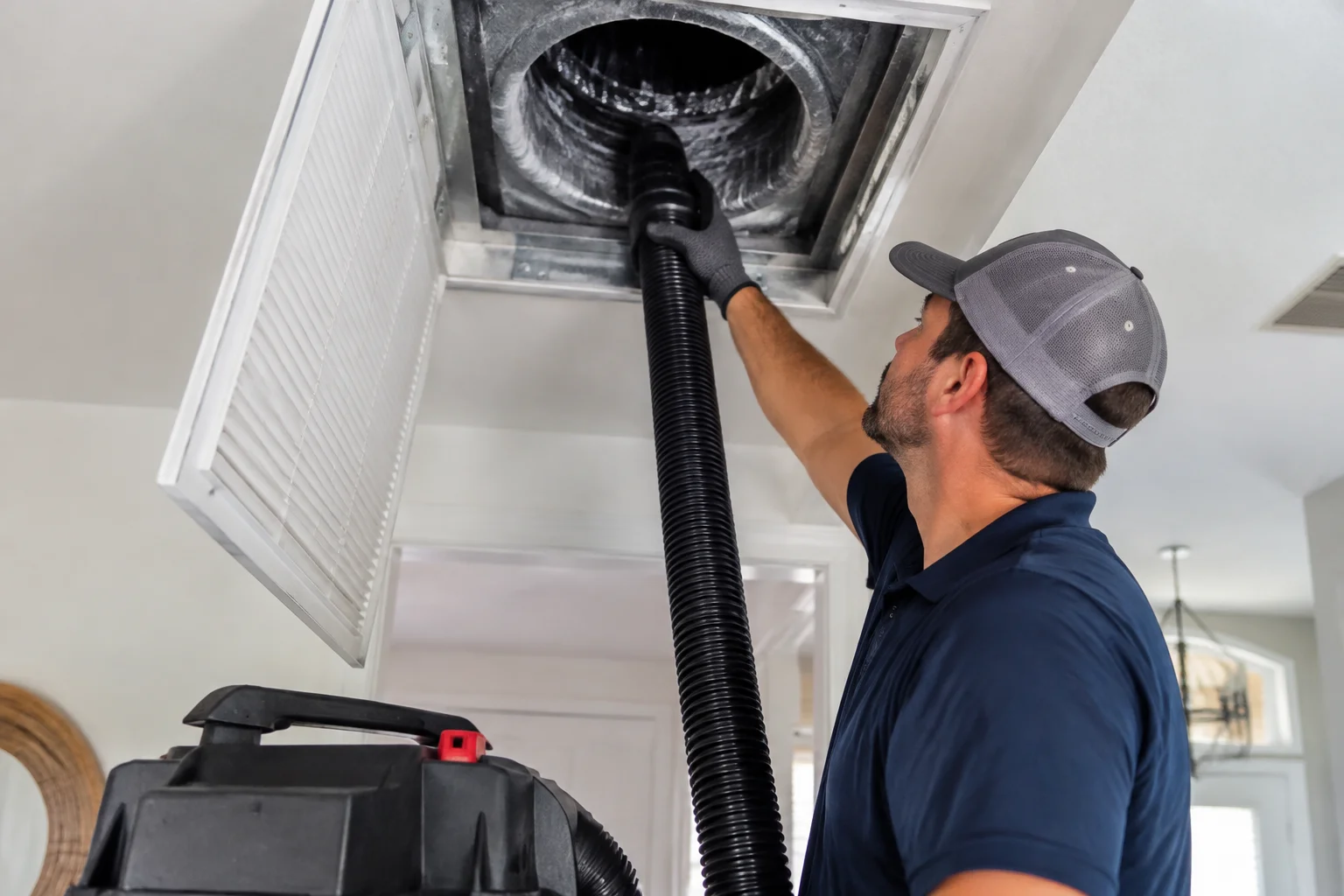
Construction dust can collect inside ducts, registers, and air handlers if the system was not protected during the build. Musty odors may point to moisture getting into the system, which is a concern in humid North Florida homes. A clean startup matters, because debris and moisture can affect both comfort and indoor air quality.
Why problems show up after move in
Some issues do not become obvious until the home is occupied. A house that sat empty during construction may have seemed fine during a quick walkthrough, but once doors open and close more often, showers add humidity, and appliances produce extra heat, the HVAC system gets tested in a real way.
That is when homeowners begin noticing the details that matter. Maybe a guest room never cools down. Maybe the thermostat is set low, but the house still feels muggy. Maybe the system seems to run constantly during the hottest part of the day. These are not just minor annoyances. They can point to installation mistakes that are easier and less expensive to correct early.
Common causes of trouble in new construction AC
One of the most common causes is incorrect sizing. Bigger is not always better. An oversized system may cool the air too quickly without removing enough humidity, which is a real issue in Walton County. An undersized system may run too long and still never make the home comfortable.
Ductwork problems are another frequent issue. Leaky ducts, crushed runs, poor insulation, or bad layout can all reduce performance. In attic spaces, where summer heat is intense, poorly insulated ducts can lose a lot of cooling before the air ever reaches the rooms.
Thermostat placement also matters. If a thermostat is installed in direct sunlight, near a supply vent, or in a drafty hallway, it may misread the home’s actual conditions. That can cause the system to cycle incorrectly and leave certain areas uncomfortable.
Construction debris is another overlooked problem. Drywall dust, sawdust, and other material can get into the system during the build if equipment is not protected. That can clog filters, reduce airflow, and create extra wear before the home has even been lived in for long.
How local climate changes the installation conversation
DeFuniak Springs is not a place where an AC system can be treated like a one size fits all project. Hot summers, high humidity, and long cooling seasons mean the equipment has to be set up to manage both temperature and moisture. Homes in Walton County also face the realities of attic heat, afternoon sun exposure, and occasional weather swings that can put more stress on the system than homeowners expect.
That is why local experience matters. A contractor who works in the area understands how homes are built here, what types of layouts commonly need extra attention, and how to design for comfort that lasts. That local knowledge can make the difference between a system that merely turns on and one that actually keeps the house comfortable day after day.
What homeowners can do during and after installation
Homeowners do not need to manage the technical side of the project, but they can stay involved in practical ways. Ask how the system was sized. Ask whether the ductwork was tested for leaks. Ask how humidity control was considered. Ask where the thermostat will be placed and whether the return air setup supports the layout of the home.
After move in, pay attention to how the house feels during the first few weeks of real use. Keep notes on rooms that run warm, areas that feel damp, or times of day when the system struggles. If the home is still under construction or just recently completed, these details can help a technician correct the issue before it becomes part of your everyday routine.
It also helps to keep filters changed on schedule and make sure supply and return vents stay clear. Furniture, rugs, and décor can affect airflow more than people realize, especially in smaller rooms or tight hallways. Good airflow is part of good comfort.
Maintenance that protects a new system from the start
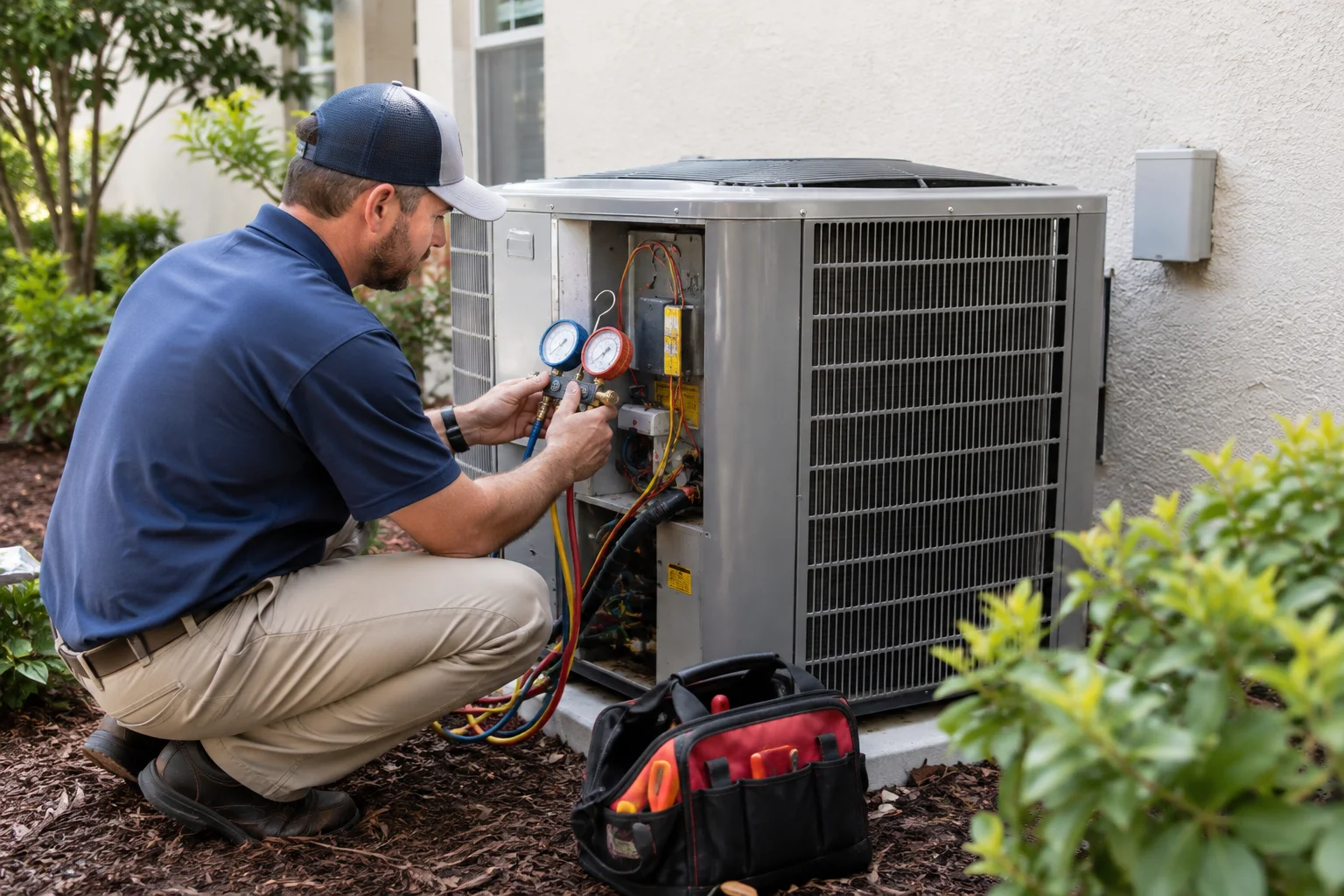
Even a well installed system needs routine care. A new AC system should have its first checkup after the home has been occupied long enough to reveal how it performs under normal conditions. That visit can catch loose connections, airflow imbalances, condensate issues, or thermostat concerns before they grow.
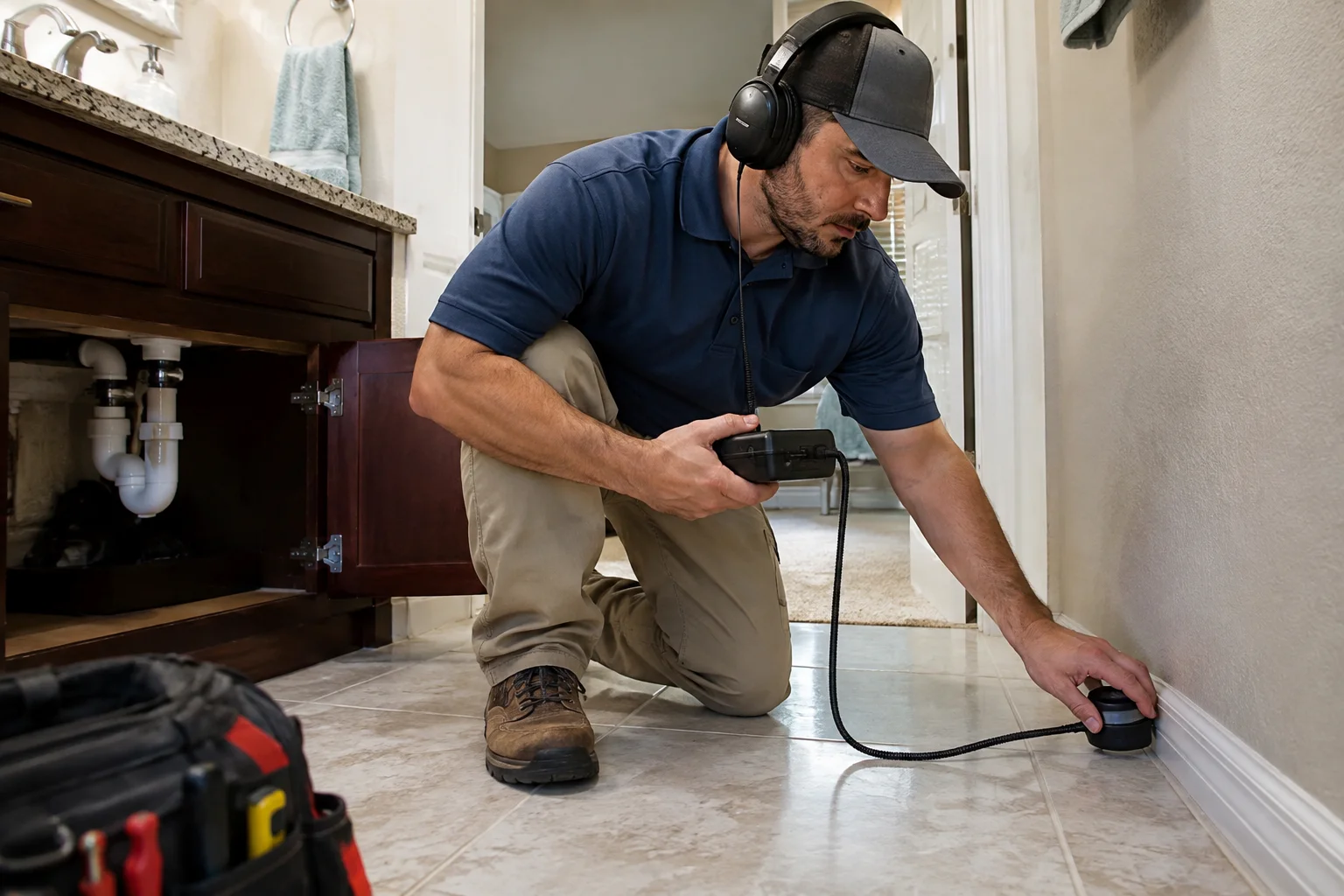
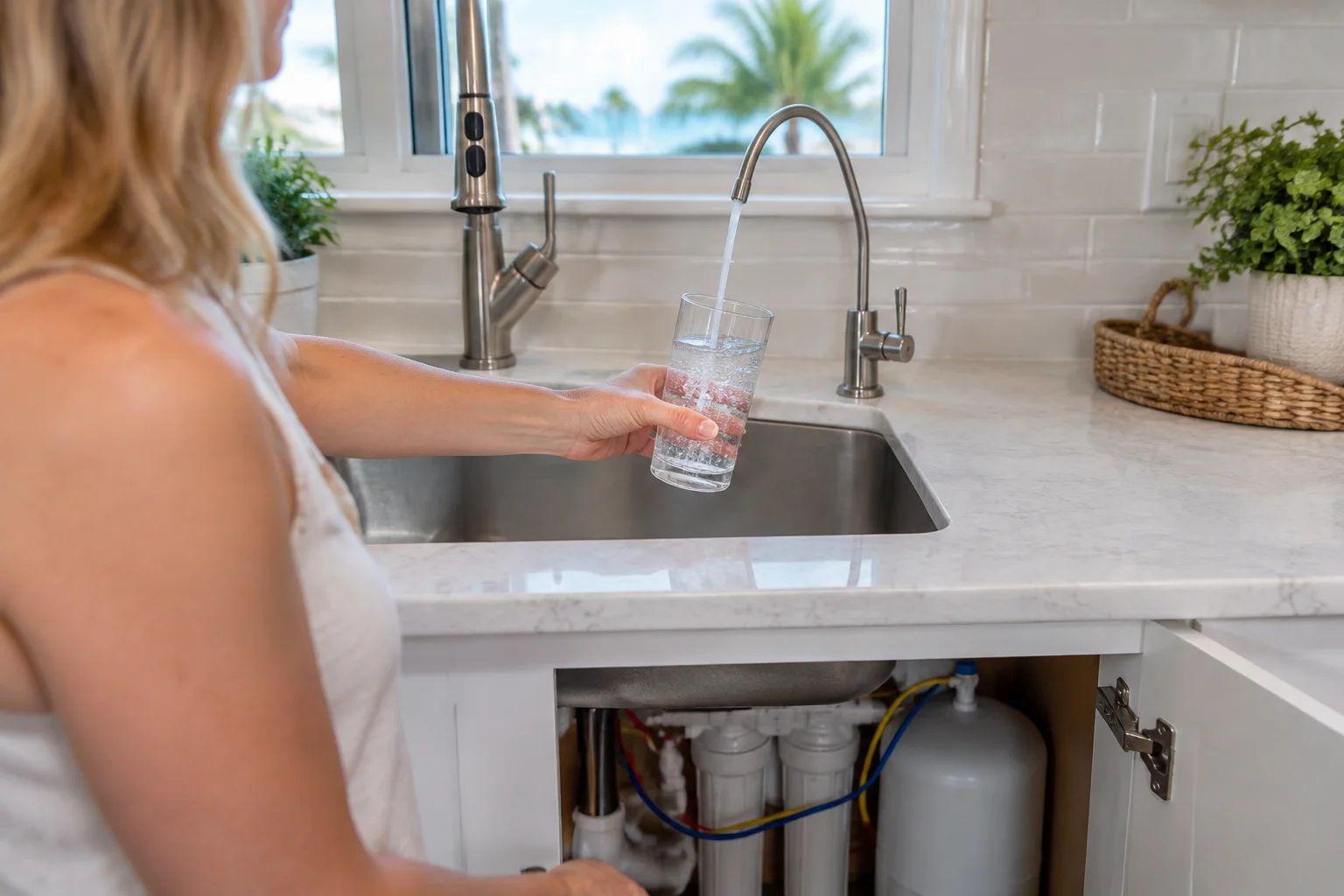
For homeowners who want to stay ahead of problems in a new home, it can also be smart to look at the rest of the property. If you notice moisture near the slab, odors in the yard, or unusual drainage around the foundation, services like Leak Detection and Slab Leak Repair may be worth exploring. If indoor water quality is a concern, Reverse Osmosis Systems can help improve drinking water at the kitchen sink. And if your new home has plumbing lines that need a closer look, a Sewer Camera Inspection can be a practical step before small issues turn into bigger ones.
For homes that use heat pumps as part of the comfort plan, A Superior Mechanical also offers Heat Pump Services in DeFuniak Springs. That can be a good fit for homeowners who want efficient year round comfort in a climate that does not stay cool for long.
When it makes sense to call a professional
If the system is brand new but the house feels uneven, humid, noisy, or expensive to cool, it is worth having a professional take a look sooner rather than later. New construction HVAC issues are often easiest to correct while the project is still fresh and the equipment is accessible. Once drywall, trim, and finished surfaces are fully in place, some fixes become more time consuming.
It is also wise to call if you notice odors, condensation around vents, repeated thermostat errors, or a system that seems to run constantly without reaching the set temperature. Those are not normal break in quirks. They are signs that the installation, startup, or airflow balance may need attention.
For builders, homeowners, and property owners who want a system designed with local conditions in mind, working with a team that understands DeFuniak Springs and Walton County can make the whole process smoother. A properly planned system saves energy, supports better indoor air quality, and helps a new home feel finished in the way it should.
If your project also includes commercial space or mixed use property, you may find these related resources helpful: A Smarter Way to Plan Commercial HVAC Installation in DeFuniak Springs, FL, Commercial HVAC Repair in DeFuniak Springs: Problems Property Owners Should Not Brush Off, Keeping Managed Properties Comfortable in DeFuniak Springs: HVAC Issues Landlords Should Not Overlook, and Keeping DeFuniak Springs Businesses Comfortable Through Smarter Commercial HVAC Repair.
Find New Construction Air Conditioning in DeFuniak Springs, FL
If you need New Construction Air Conditioning in DeFuniak Springs, FL, visit our local service page or contact A Superior Mechanical today.
Map of DeFuniak Springs, FL
Frequently Asked Questions
How soon should a new construction AC system be checked after move in?
It is a good idea to have the system reviewed after the home has been occupied long enough to reflect normal use. That helps catch airflow, humidity, and thermostat issues that may not show up during construction.
Why does a brand new home still feel humid inside?
Humidity problems can come from oversized equipment, short cycling, duct leakage, or poor airflow. In DeFuniak Springs, where humidity is a major part of the climate, the system has to be set up to remove moisture as well as cool the air.
What is the most common issue with new construction air conditioning?
Improper sizing and duct design are two of the most common problems. If the equipment is not matched to the home or the ductwork is not balanced, comfort issues usually show up after move in.
Can construction dust damage a new AC system?
Yes. Drywall dust and other debris can clog filters, reduce airflow, and add wear to the system. Equipment should be protected during construction and inspected before the home is fully occupied.
Related Articles
- Commercial HVAC Repair in DeFuniak Springs: Problems Property Owners Should Not Brush Off
- Keeping Managed Properties Comfortable in DeFuniak Springs: HVAC Issues Landlords Should Not Overlook
- Keeping DeFuniak Springs Businesses Comfortable Through Smarter Commercial HVAC Repair
- A Smarter Way to Plan Commercial HVAC Installation in DeFuniak Springs, FL
Photo Gallery