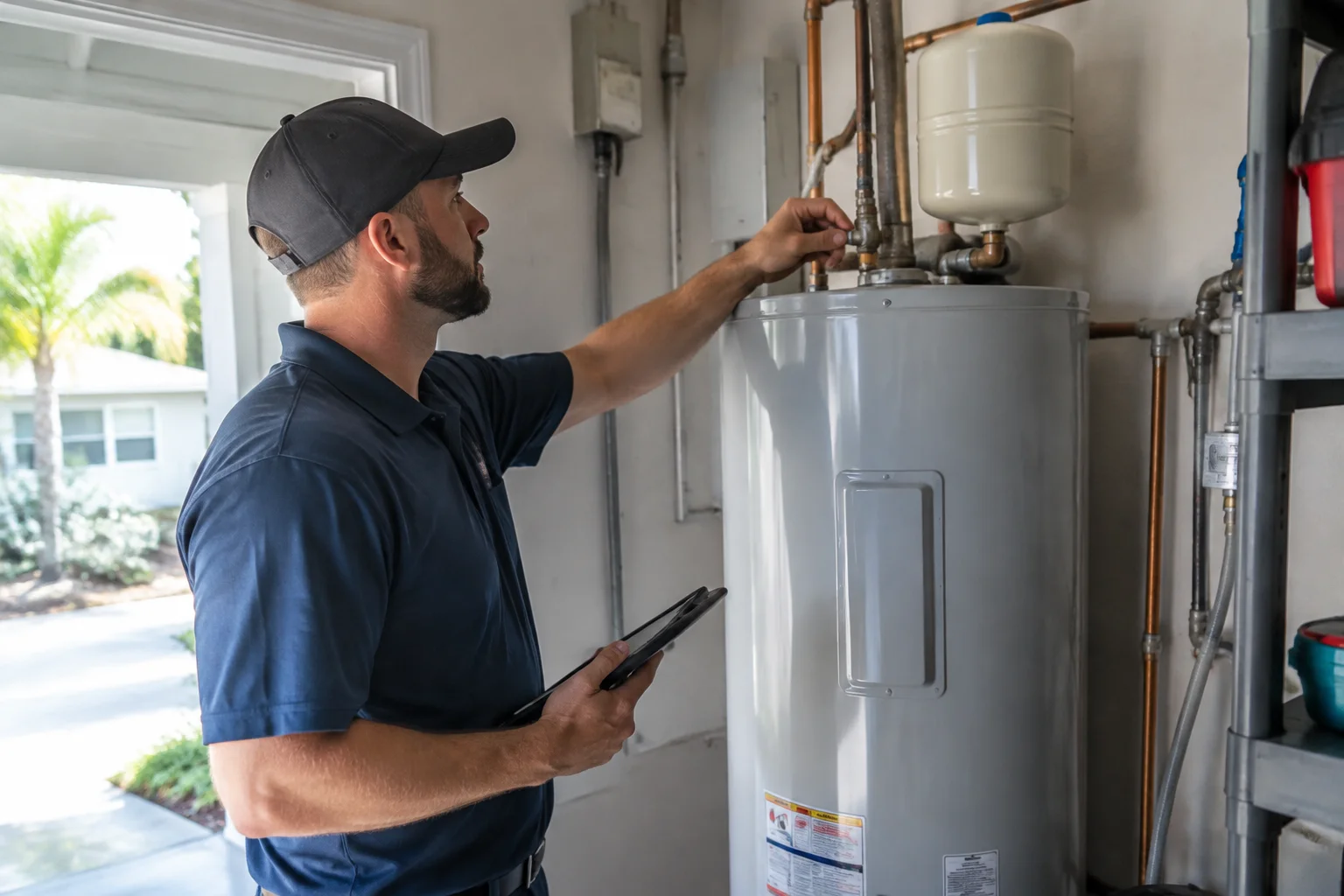
In Miramar Beach, a water heater does more than warm showers. It supports busy family routines, vacation rental turnovers, and commercial properties that need dependable hot water every day. Over time, though, local conditions in Walton County can make a water heater wear out faster than homeowners expect.
If your system is getting older, making noise, or struggling to keep up, it may be time to consider water heater replacement in Miramar Beach, FL. The right replacement depends on more than the unit’s age. Water quality, humidity, usage patterns, and the condition of the plumbing system all play a role in how long a water heater lasts and how well it performs.
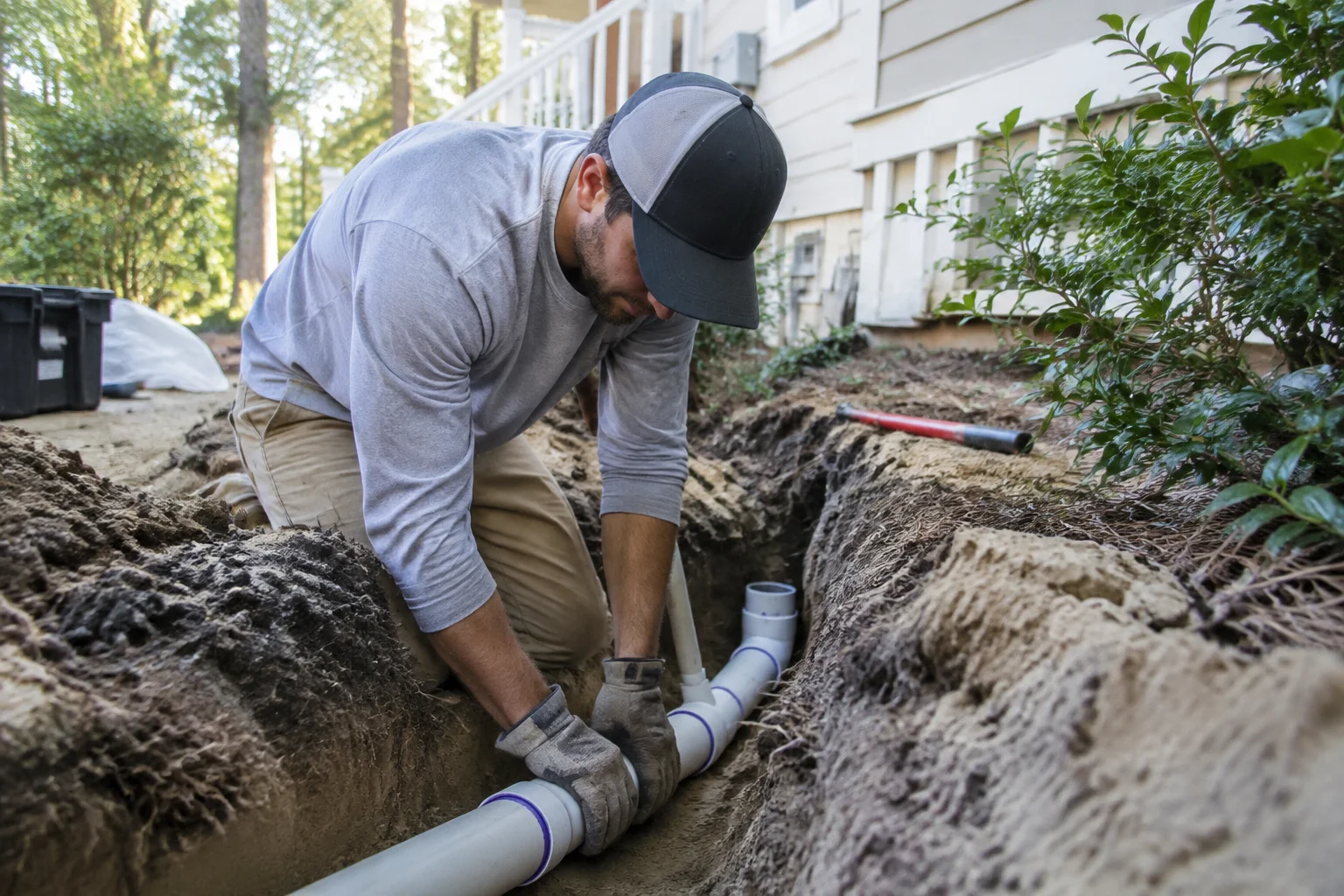
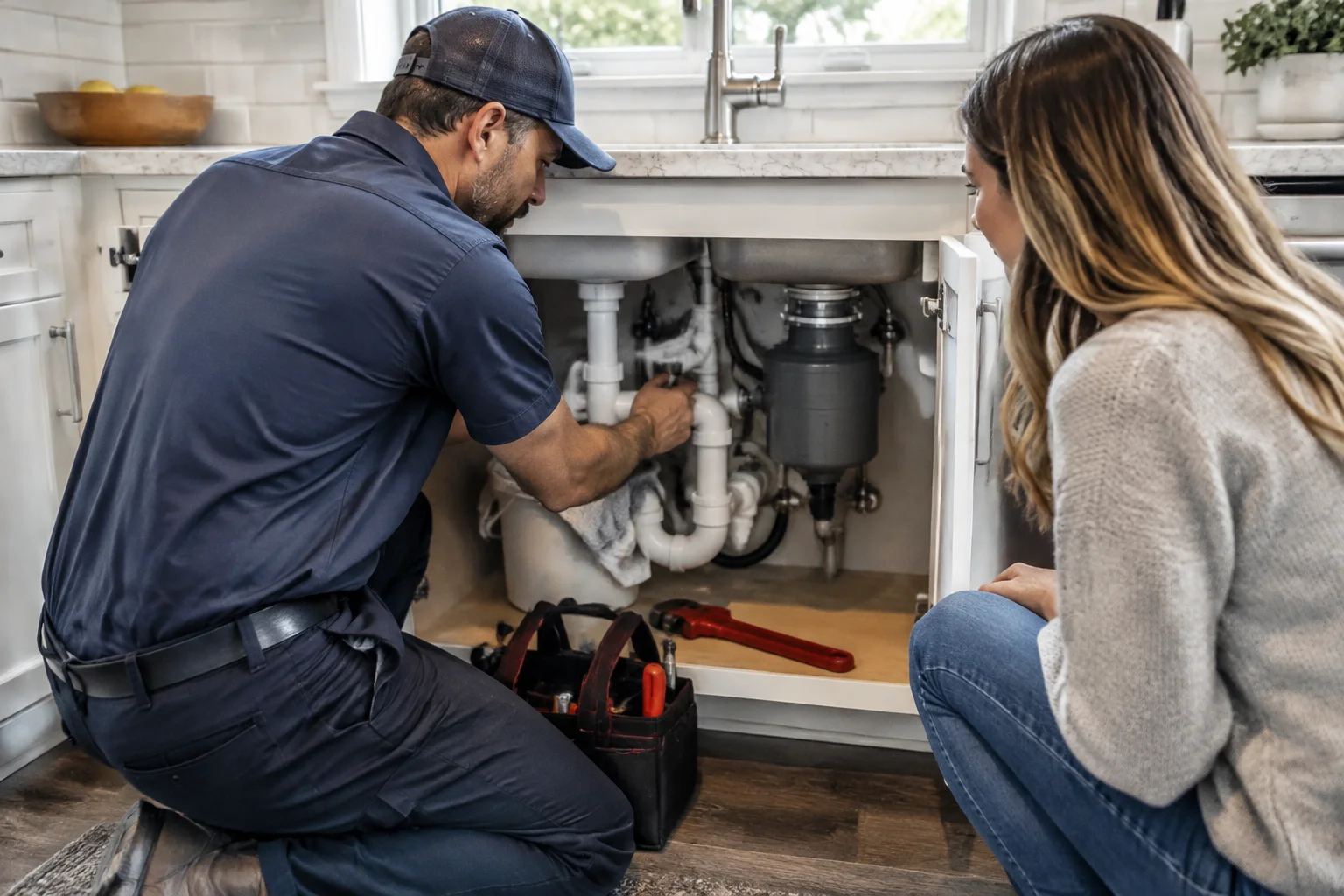
For homeowners looking at the bigger picture, it also helps to understand how local plumbing needs fit into the rest of the property. A home with recurring leaks, corrosion, or drainage issues may need more than a new tank. In some cases, related services like water leak repair or even sewer repair & maintenance can protect the new system and extend its life.
Why water heaters in Miramar Beach often wear out differently
Miramar Beach has a coastal climate that can be tough on plumbing equipment. Warm, humid air and salt exposure can speed up corrosion around fittings, valves, and venting components. Even when a water heater is installed correctly, the environment around it matters.
Many homes in the area are used seasonally or as short-term rentals, which can create another challenge: irregular demand. A water heater may sit unused for periods and then suddenly be pushed hard when guests arrive or family members visit. That stop-and-start pattern can stress heating elements, thermostats, and tanks over time.
In Walton County, water quality also affects how long a system lasts. Minerals in the water can build up inside the tank, reducing efficiency and increasing wear. If your household has noticed cloudy water, inconsistent temperature, or sediment at the bottom of fixtures, the water heater may be part of the problem.
Age is only part of the story
Most traditional tank water heaters last around 8 to 12 years, while tankless units can last longer with proper maintenance. Still, age alone does not tell the whole story. A 7-year-old unit that has been heavily used in a rental property may be closer to replacement than a 12-year-old system in a lightly occupied home.
Homeowners in Miramar Beach should pay attention to how the heater has been used over time. High demand, frequent temperature changes, and skipped maintenance can shorten the service life. If the unit has already needed multiple repairs, replacement may be the more practical choice.
Common aging issues homeowners should not ignore
Some warning signs are easy to overlook until hot water stops working altogether. Rust-colored water, rumbling noises, and a leaking base can all point to internal deterioration. A failing thermostat may cause water to swing between too hot and too cold. A worn anode rod can leave the tank unprotected against corrosion.
In coastal homes, even the area around the unit matters. Rust on the exterior, moisture around the base, or corrosion on nearby connections can signal that the system is aging faster because of local conditions. If the heater is installed in a garage, closet, or utility room with poor ventilation, humidity can make the problem worse.
The role of water quality and mineral buildup
Hard water is one of the most common reasons water heaters lose efficiency over time. As minerals settle inside the tank, they form sediment that forces the unit to work harder. That can lead to longer heating cycles, higher utility bills, and more wear on the tank itself.
Sediment buildup can also cause popping or crackling sounds as water heats underneath the layer of minerals. If ignored, that buildup may lead to overheating, reduced capacity, or damage to the bottom of the tank. In tankless systems, scale can restrict flow and reduce performance if the unit is not flushed regularly.
Homeowners who are already thinking about water quality may also want to read Why Reverse Osmosis Systems Matter for Homes in Miramar Beach, FL. Better water treatment can help protect plumbing fixtures and appliances, including the water heater, from mineral-related wear.
Humidity, salt air, and hidden corrosion
Miramar Beach’s coastal air can be hard on metal components. Salt in the air can speed up rust on exposed connections, especially if the water heater is in a space that already traps moisture. Over time, corrosion can affect valves, supply lines, drain pans, and the tank itself.
Even small amounts of corrosion can create bigger problems later. A connection that looks slightly rusted today may become a leak next season. That is one reason local service matters: a technician familiar with Walton County homes will know how coastal conditions affect equipment and can recommend materials and installation methods that hold up better over time.
For homeowners managing multiple properties or rental units, local weather and humidity can also affect other systems in the home. This is similar to the way weather influences plumbing and mechanical equipment in nearby markets, as discussed in How Local Weather Affects Property Management Plumbing Services in Destin, FL.
Usage patterns can shorten replacement timelines
Water heaters in Miramar Beach often face heavier-than-average demand. A family home with multiple bathrooms, laundry loads, and guests can use far more hot water than a smaller household. Vacation rentals can be even harder on a system because several showers, dishwashers, and laundry cycles may happen in a short window.
When a water heater is undersized for the property, it works harder every day. That extra strain can shorten its lifespan and make replacement necessary sooner. If you are planning upgrades, a professional can help size the new system based on actual household or occupancy needs instead of just matching the old unit.
Commercial properties also need careful planning. Small offices, retail spaces, and hospitality businesses often depend on steady hot water for restrooms, cleaning, and operations. In those settings, a failing unit can disrupt business quickly. For larger facilities, it may be worth discussing related service planning such as commercial HVAC repair if the mechanical room or building systems are being updated together.
Repair or replace: how to tell the difference
A small repair can make sense when the water heater is relatively new and the issue is isolated. A bad thermostat, a failed heating element, or a leaking valve may be worth fixing. But repeated repairs, rust inside the tank, or visible tank damage usually point toward replacement.
Replacement often becomes the better option when:
- The unit is near or past its expected lifespan
- Repairs are becoming more frequent
- Hot water output has dropped noticeably
- Rust or sediment is affecting performance
- The tank is leaking from the body, not just a fitting
If you are unsure, a local plumber can inspect the system and explain whether a repair will buy meaningful time or whether the money is better spent on a new unit. That kind of honest assessment is especially helpful for homeowners balancing multiple property expenses, including projects that may require HVAC financing or other budget-sensitive upgrades.
Choosing the right replacement for a Miramar Beach property
Not every home needs the same type of water heater. Traditional tank systems remain common because they are familiar and affordable upfront. Tankless units can be a strong choice for homeowners who want greater efficiency, more space, and on-demand hot water. The best option depends on the size of the property, hot water usage, and available installation space.
In Miramar Beach, many homeowners also think about how the home is used throughout the year. A vacation rental may benefit from a system that recovers quickly between guests. A full-time residence may need a larger tank or a tankless setup that can support multiple bathrooms at once. A professional installer can help compare operating costs, recovery rates, and maintenance needs before recommending a system.
That is where local experience makes a real difference. A plumber who works in Walton County understands the mix of beach homes, condos, rentals, and commercial properties in the area and can recommend equipment that fits the building, not just the brochure.
Maintenance that helps a new water heater last longer
Once a new water heater is installed, a little maintenance goes a long way. Flushing a tank periodically can reduce sediment buildup. Checking the anode rod can help slow corrosion. Confirming the temperature setting is not too high can reduce wear and keep energy use in check.
Homeowners should also watch for early signs of trouble after installation. Moisture around the base, inconsistent hot water, or unusual sounds should be checked before they turn into larger problems. In coastal homes, keeping the area around the unit dry and well-ventilated can also help protect the system from humidity-related damage.
If your home has had recurring plumbing issues, it may be smart to have the surrounding system inspected at the same time. Leaks, drainage problems, or aging pipework can all affect how long the new heater performs well.
Why local service matters in Miramar Beach and Walton County
Water heater replacement is not just about swapping out equipment. It is about understanding how the system fits the home, the water supply, and the local climate. In Miramar Beach and across Walton County, salt air, humidity, and property type all influence how a water heater should be selected and installed.
Working with a local company also makes follow-up service easier. If you live in Miramar Beach or nearby communities, a technician who already knows the area can respond faster and recommend solutions that make sense for coastal homes. That local knowledge matters whether the property is a primary residence, a second home, or a rental that needs dependable hot water for guests.
For homeowners ready to move forward, Miramar Beach plumbing service from A Superior Mechanical can help you compare options and choose a replacement that fits your home’s needs today and over time.
Small problems can lead to bigger replacement costs
A water heater rarely fails without warning. More often, the signs build slowly: longer recovery times, lukewarm showers, rust stains, or a little moisture around the tank. Ignoring those changes can lead to a larger repair bill, water damage, or an emergency replacement at the worst possible time.
That is especially true in Miramar Beach, where many homes depend on reliable hot water for guests, cleaning, and daily routines. If your system has been acting differently, having it checked sooner can help you plan ahead instead of reacting to a breakdown.
A Superior Mechanical provides professional water heater replacement in Miramar Beach, FL with dependable options for homes, rentals, and businesses across Walton County. If your current unit is showing its age, getting a local opinion now can help you avoid bigger problems later.
Find Water Heater Replacement in Miramar Beach, FL
If you need Water Heater Replacement in Miramar Beach, FL, visit our local service page or contact A Superior Mechanical today.
Map of Miramar Beach, FL
Frequently Asked Questions
How long does a water heater usually last in Miramar Beach, FL?
Most tank water heaters last about 8 to 12 years, but coastal humidity, salt air, water quality, and heavy use can shorten that timeline. Tankless units often last longer with regular maintenance.
What are the most common reasons a water heater needs replacement?
Frequent repairs, rust in the tank, sediment buildup, leaks from the tank body, and inconsistent hot water are common reasons homeowners choose replacement instead of another repair.
Should I replace my water heater before it fails completely?
Yes, if the unit is old or showing clear signs of wear. Replacing it before a full failure can help you avoid water damage, emergency service, and a loss of hot water during busy times.
Can local water quality affect how often I need replacement?
Yes. Mineral buildup and sediment can reduce efficiency and increase wear on both tank and tankless systems. Regular maintenance and water treatment can help extend the life of the unit.
Related Articles
Photo Gallery