Commercial plumbing systems in Parker, FL work hard year round. Between the coastal humidity, heavy summer rain, and the everyday demands of businesses and multi unit properties, pipes, drains, fixtures, and water heaters can wear down faster than many owners expect. Small changes in water pressure or drainage may not seem urgent at first, but over time they can affect efficiency, raise utility costs, and create avoidable repairs.
That is why local property owners often rely on commercial plumbing services in Parker, FL to keep systems running smoothly. A well maintained plumbing setup supports tenants, staff, customers, and equipment while helping a building avoid disruptions. For businesses across Bay County, local service matters because the conditions here are not the same as in drier inland areas. Salt air, humidity, and seasonal storms all play a role in how plumbing ages.
Why plumbing in Parker wears differently over time
Parker sits in a Gulf Coast environment where moisture is part of daily life. That matters for plumbing. High humidity can encourage corrosion on exposed metal parts, while warm temperatures can speed up wear on seals, gaskets, and certain fixture components. Heavy rainfall can also put extra strain on drainage and sewer systems, especially in older commercial buildings or properties with limited slope and aging lines.
In many Parker buildings, plumbing systems were installed years ago and have been modified over time as tenants changed or spaces were updated. That can create a mix of pipe materials, fixture types, and repair histories. If one section of the system is newer than another, performance may be uneven. A building can look fine on the surface while hidden wear continues inside walls, under slabs, or in service areas.
For local readers looking for broader city information and service coverage, the Parker service area page is a helpful place to start. It is also useful to compare plumbing concerns with other property care needs, such as Plumbing Installation in Parker, FL: What Local Property Owners Should Pay Attention To and How Plumbing Changes Over Time in Parker Properties and What Managers Should Watch.
Common issues that slowly reduce efficiency
Mineral buildup and corrosion
Even when water seems clear, minerals can build up inside pipes, valves, and water heater tanks. Over time, that buildup narrows flow and makes fixtures work harder. In humid coastal areas, corrosion is another concern, especially on metal fittings, shutoff valves, and older pipe sections. Once corrosion starts, it can spread and weaken the system.
Homeowners and property managers may notice slower sinks, inconsistent water pressure, or discolored water. Those are not just comfort issues. They can point to a system that is losing efficiency and may need cleaning, repair, or replacement before a bigger failure develops.
Drain line clogs and grease accumulation
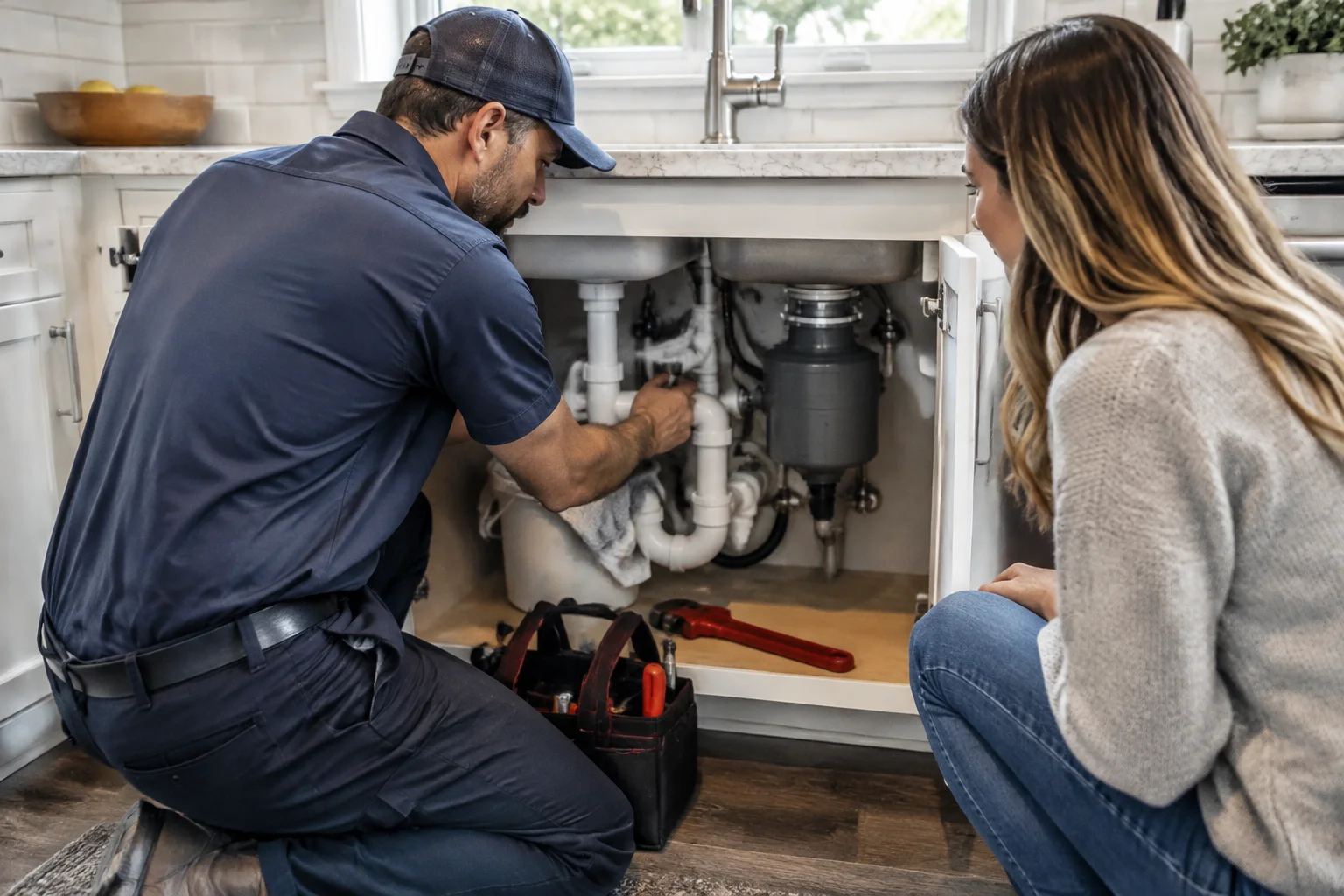
Commercial kitchens, break rooms, laundry areas, and shared restrooms all put pressure on drain systems. Grease, soap residue, food particles, hair, and paper products can collect inside lines and slow drainage. In a busy property, a drain that starts out slightly sluggish can become a major backup if no one addresses it early.
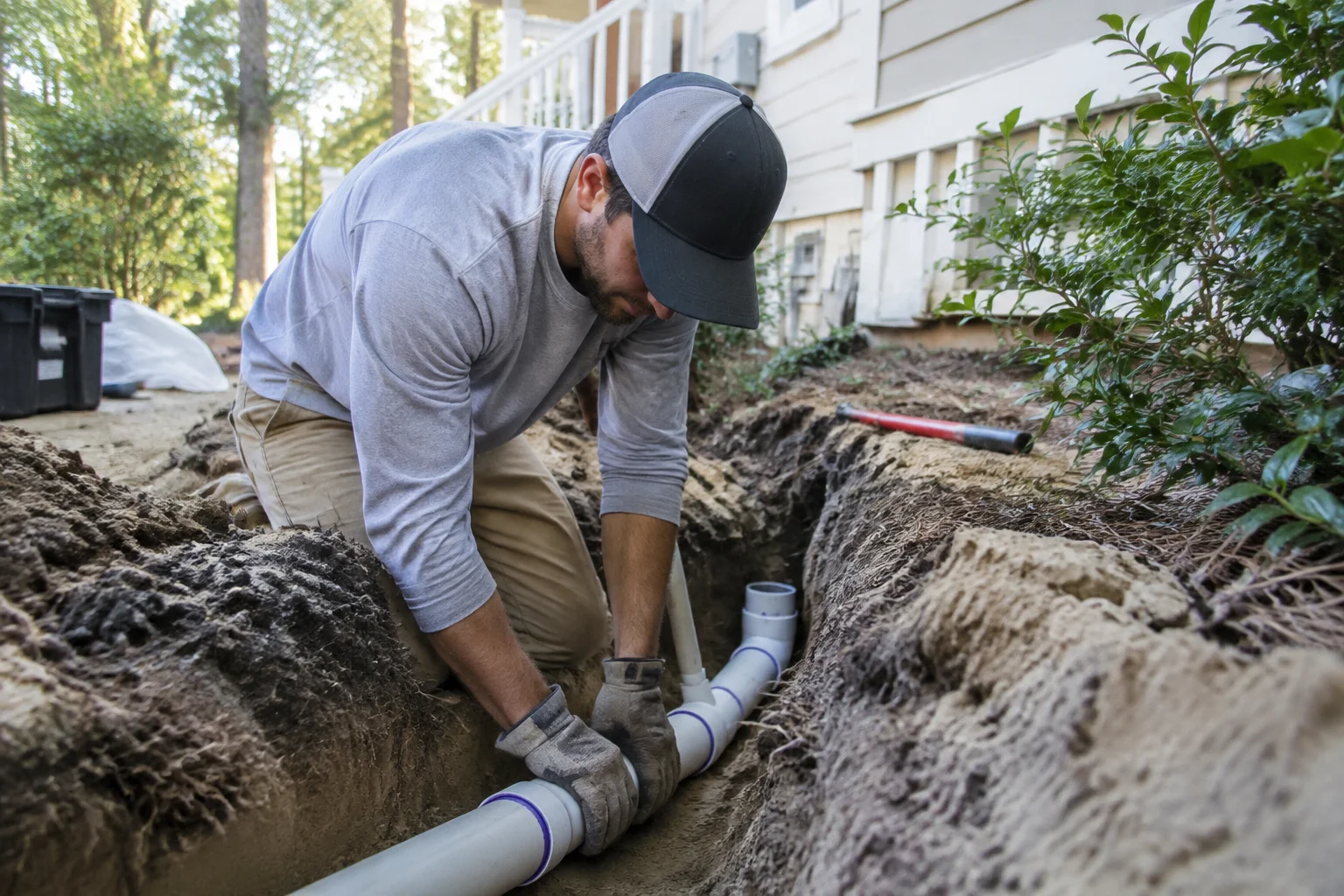
If a building has recurring drain problems, a Sewer Camera Inspection can help identify the cause without unnecessary guesswork. That is often a smart step when slow drains keep returning or when a sewer line may have roots, breaks, or sagging sections.
Hidden leaks and fixture wear
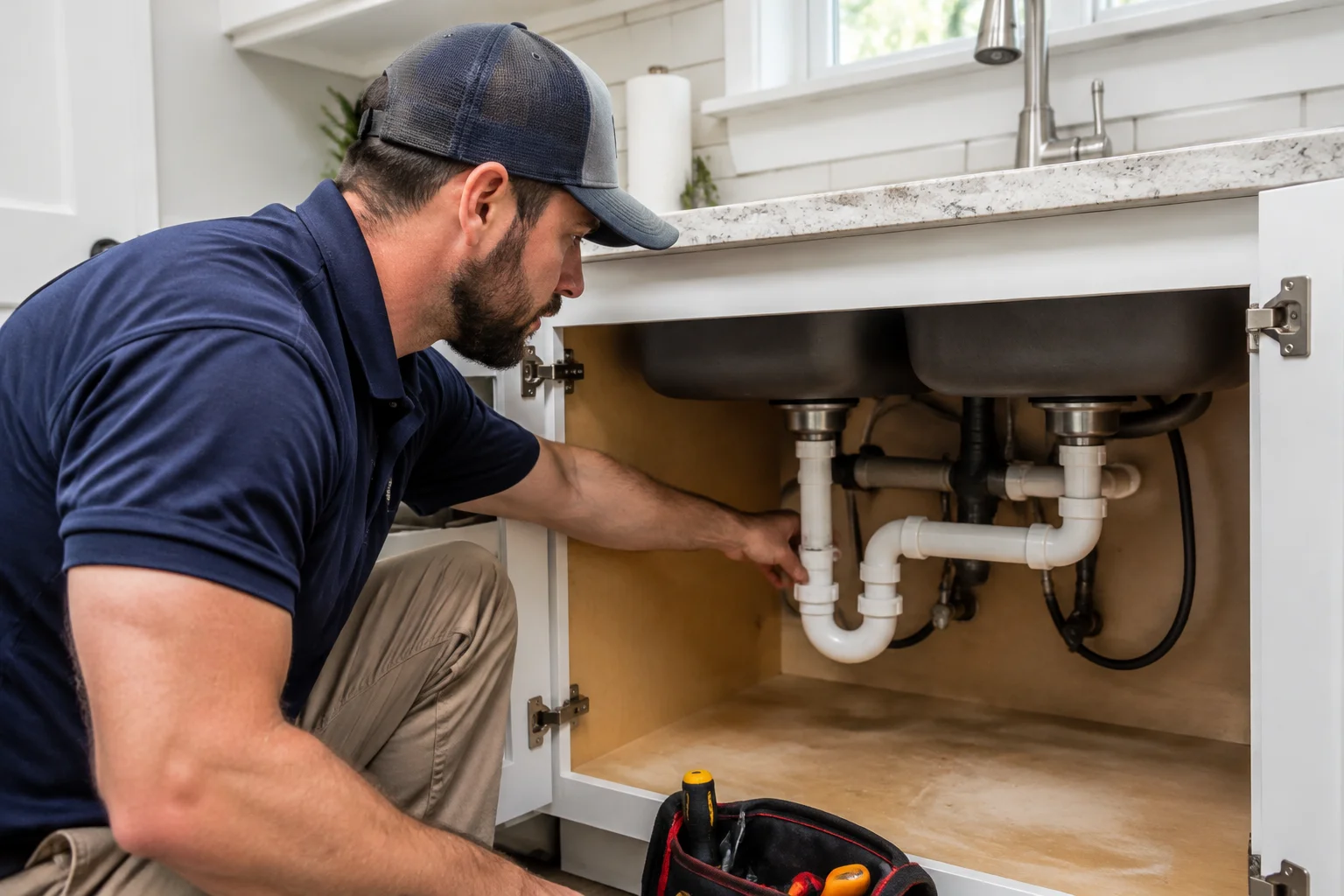
A slow leak under a sink or behind a wall may not seem serious, but even small leaks waste water and can damage cabinets, flooring, drywall, and nearby finishes. In commercial spaces, fixtures are used more often and by more people, so wear happens faster than in a typical home. Flappers, cartridges, handles, flush valves, and supply lines can all age out sooner than expected.
Leaks also create a maintenance ripple effect. A dripping faucet can increase water bills. A running toilet can strain the system. A hidden leak can encourage mold growth or attract pests if it stays damp long enough. For properties already dealing with moisture concerns, pairing plumbing care with Whole Home Dehumidifiers can help support a drier, healthier indoor environment.
Water heater strain
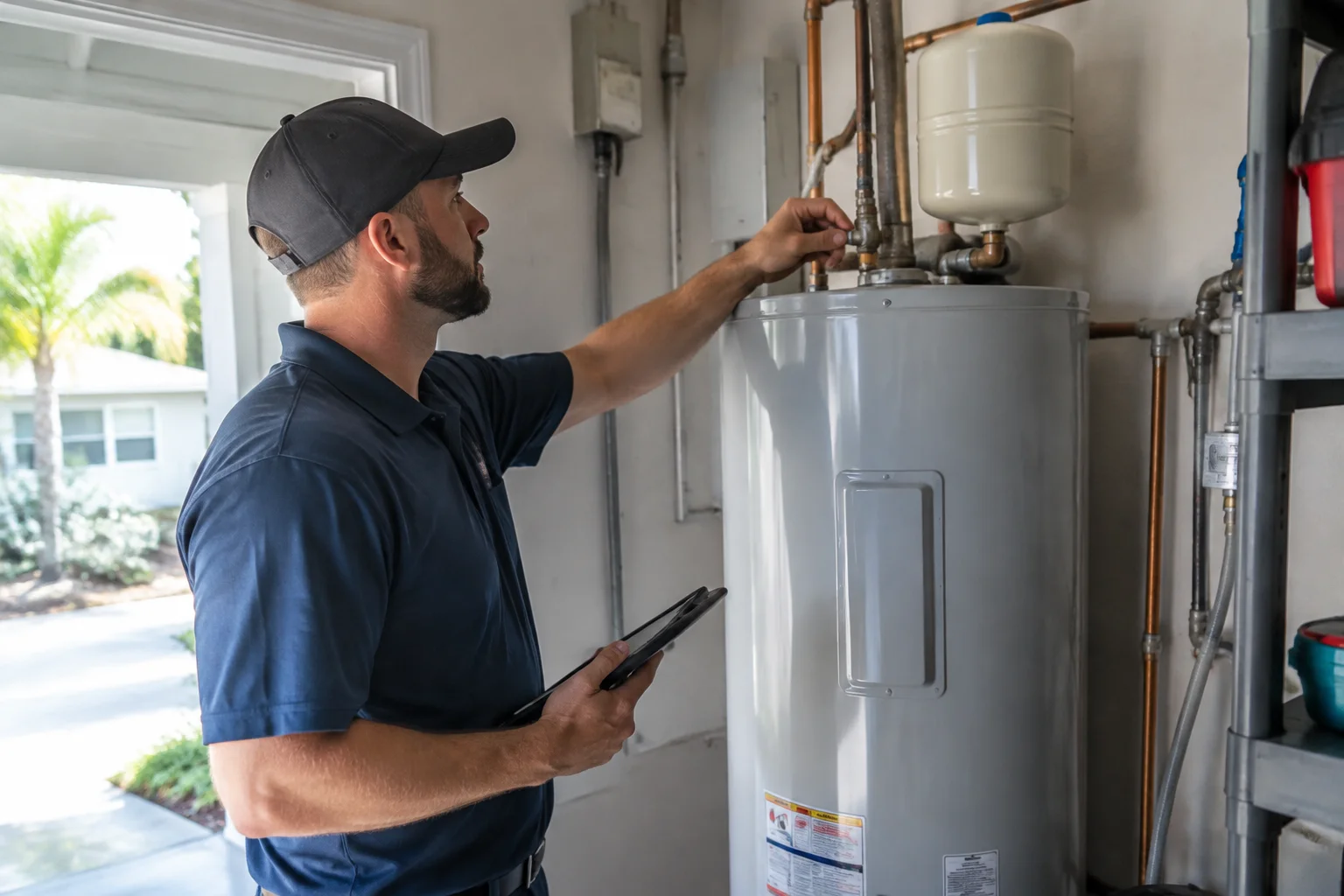
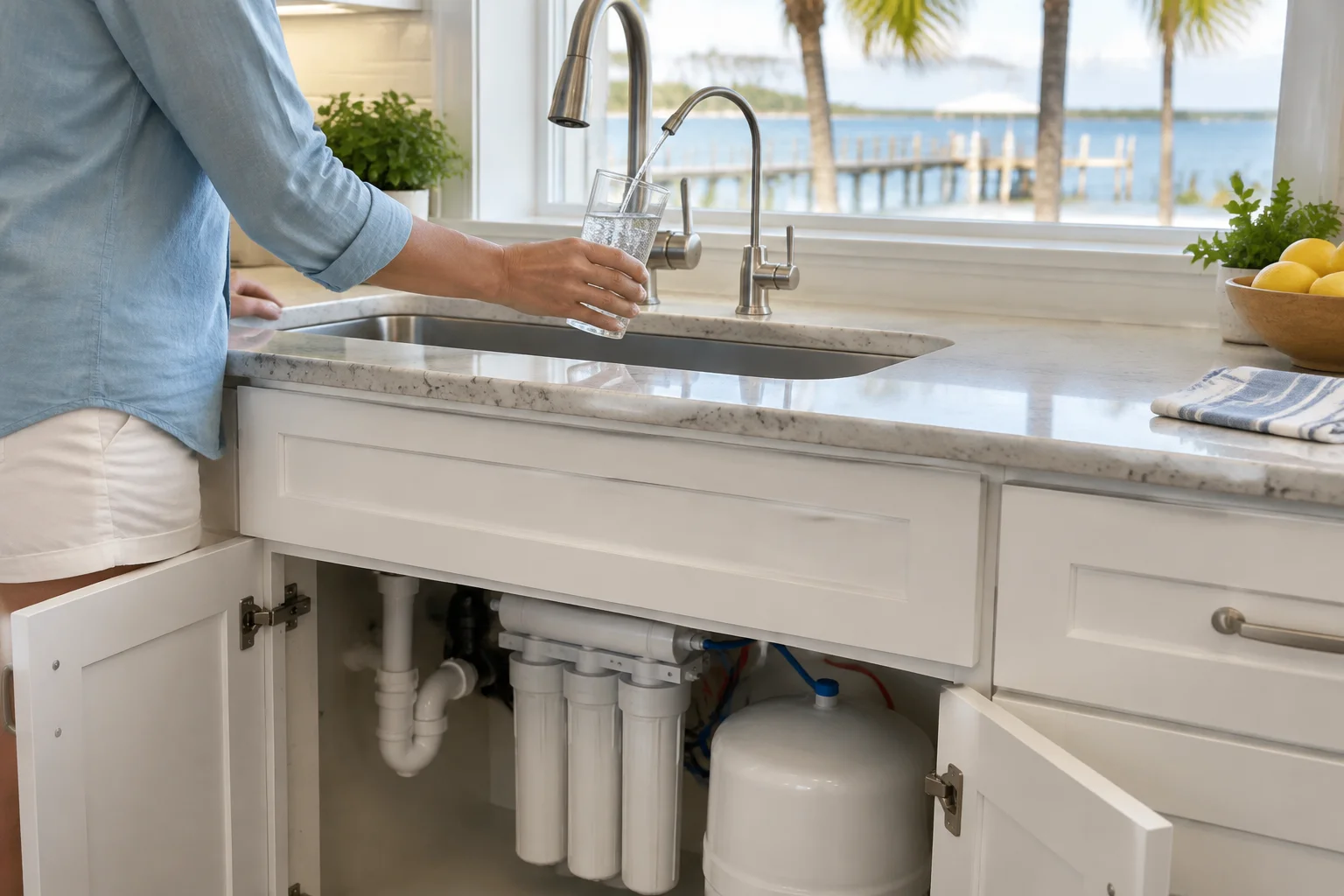
Commercial water heaters in Parker work in a climate where warm incoming water and heavy usage can still create a lot of demand. Sediment buildup, aging components, and inconsistent maintenance can reduce efficiency over time. If hot water takes longer to arrive, runs out quickly, or varies in temperature, the heater may be struggling.
That matters for restaurants, offices, retail spaces, and managed properties that rely on steady hot water for cleaning, handwashing, and tenant comfort. A neglected water heater can become less efficient long before it fails completely.
Storm water and sewer stress
Seasonal storms and heavy rain can push drainage systems harder than usual. If a property already has aging sewer lines, poor grading, or low spots around the building, water intrusion and backups become more likely. In some cases, storm related pressure exposes a problem that had been developing for months.
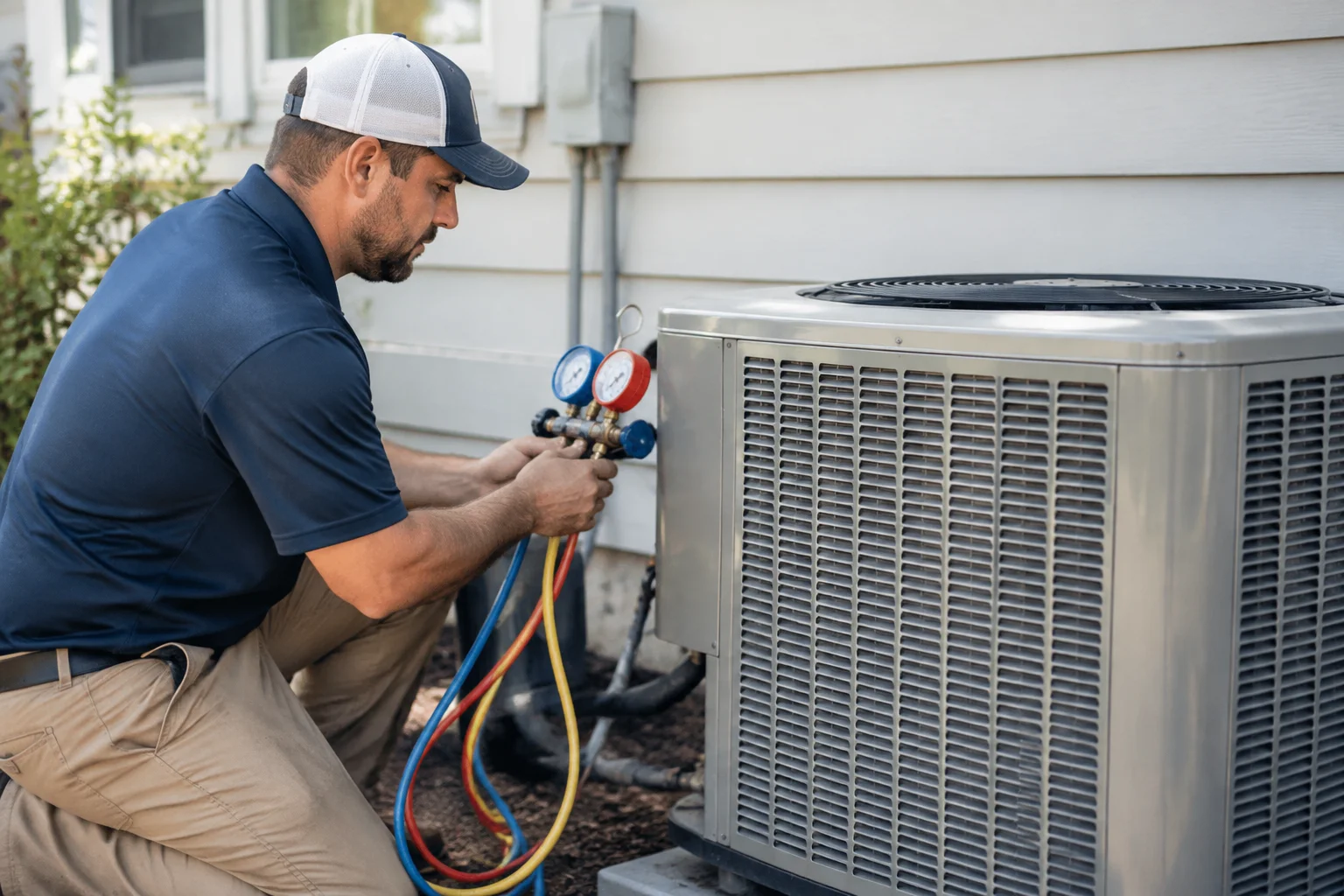
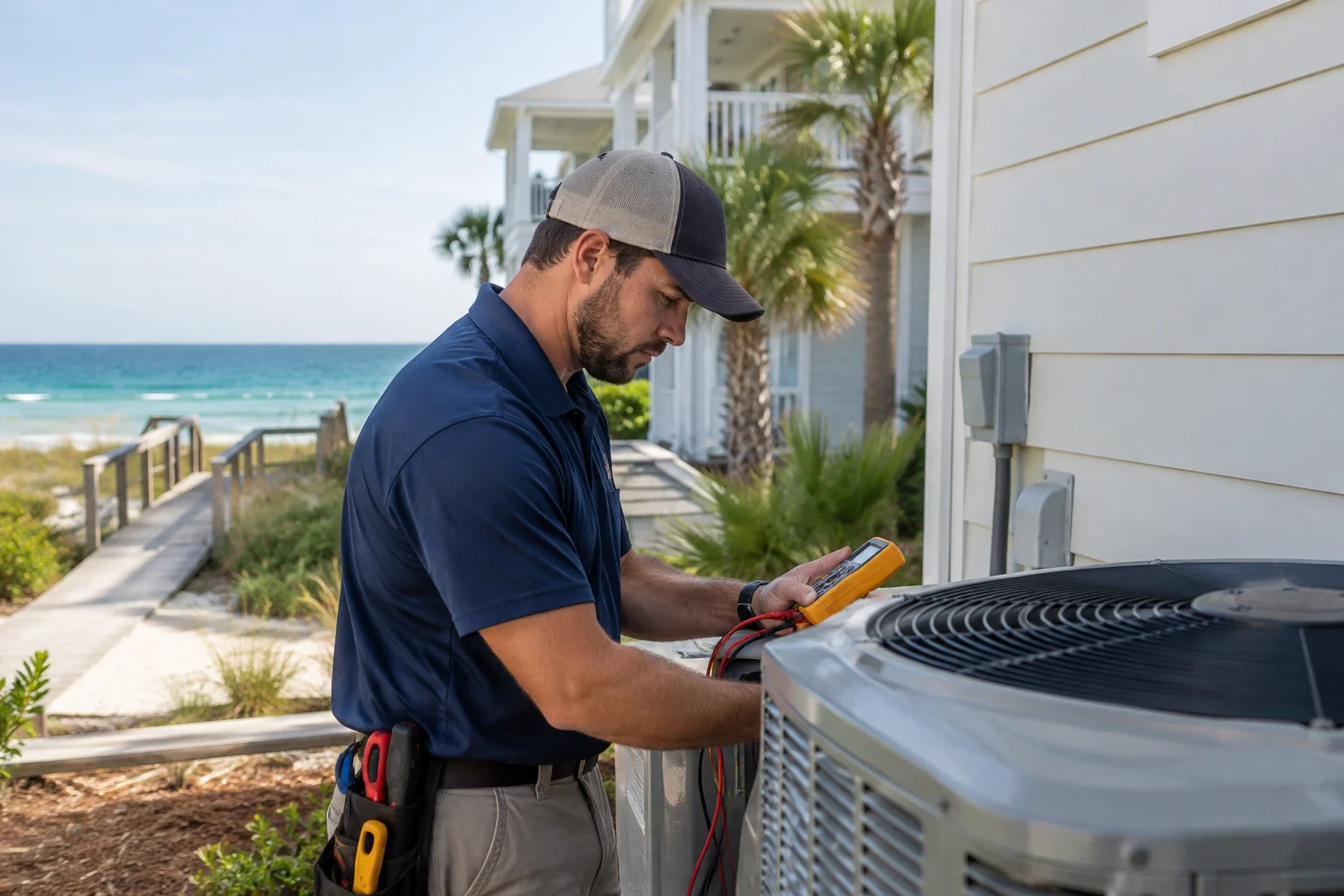
Properties with older HVAC systems can also see moisture issues that affect plumbing areas. In those cases, services like Duct Cleaning and Heat Pump Services may support better indoor conditions, especially when humidity and airflow are part of the bigger picture.
Signs efficiency is slipping before a breakdown happens
Commercial plumbing problems rarely appear all at once. More often, the system starts giving small warnings. Water pressure may drop in one part of the building. A restroom may need repeated plunging. Drain odors might show up near floor drains or sinks. Hot water may take longer to recover after busy periods. These are early signs that the system is working harder than it should.
Other clues include stains around fixtures, unexplained water use, banging pipes, and recurring clogs in the same location. If staff keeps reporting the same issue, the problem may be deeper than a simple fixture repair. That is usually the time to bring in a professional before the issue spreads to another part of the building.
For owners who want a practical approach to small problems before they turn into expensive ones, Keeping Small Plumbing Issues Small in Parker, FL offers a helpful local perspective.
Why local service matters in Parker
Commercial plumbing is not just about fixing a leak. It is about understanding how a property is used, how old the system is, and how local conditions affect the long term performance of pipes and fixtures. A plumber who works in Parker and across Bay County understands the impact of humidity, storm season, and mixed age construction. That local knowledge helps with troubleshooting and planning maintenance that actually fits the building.
For example, a drainage issue in a humid coastal property may need a different inspection approach than the same issue in a drier region. A water heater in a busy commercial space may need more frequent service because sediment and usage patterns are different. Local service also matters when repairs need to be completed quickly to reduce downtime for tenants or customers.
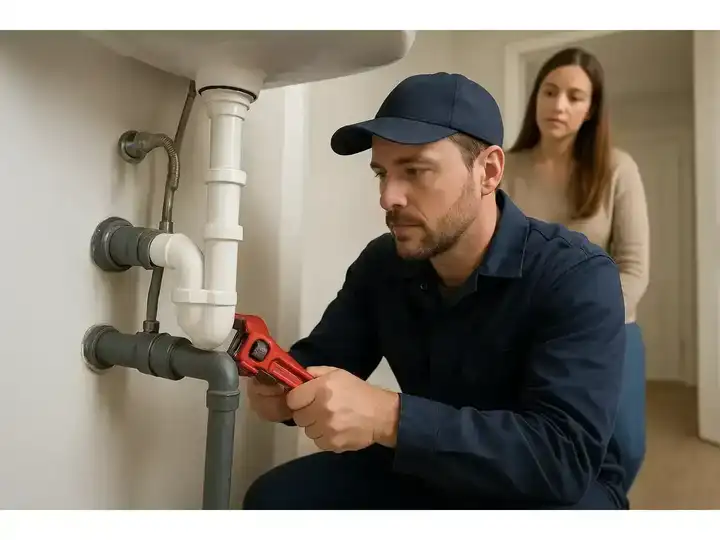
A Superior Mechanical provides dependable commercial plumbing services in Parker, FL for businesses, facilities, and property managers across Bay County. That includes repairs, installations, replacements, drain and sewer work, water heater service, and preventative maintenance. You can learn more about the service itself on the commercial plumbing services page.
Maintenance habits that help systems last longer
Routine maintenance is one of the best ways to protect long term efficiency. That does not always mean major work. In many buildings, simple habits make a real difference.
Regular inspections can catch small leaks, loose connections, and early corrosion. Drain cleaning can keep buildup from turning into a backup. Water heater flushing can reduce sediment and improve performance. Checking shutoff valves, supply lines, and exposed piping can also help identify wear before it becomes a disruption.
Property managers should also track recurring complaints. If the same restroom, sink, or floor drain keeps acting up, there is usually a reason. Logging those issues helps technicians spot patterns and recommend a better fix. For buildings with repeated drainage concerns, a sewer camera inspection may be more efficient than repeated temporary clearing.
How homeowners and managers can help between service visits
Even though commercial plumbing should be handled by qualified professionals, staff and property owners can support the system between visits. Watch for changes in water pressure, drainage speed, and fixture performance. Report leaks quickly. Keep grease, wipes, and other clog causing materials out of drains. Make sure restrooms and utility areas are checked regularly, especially after storms or periods of heavy use.
It is also smart to schedule service before a problem becomes disruptive. Preventative work often costs less than emergency repair, and it helps avoid the kind of downtime that affects tenants, customers, or operations. For properties with changing occupancy or aging infrastructure, that planning becomes even more important.
Knowing when a professional should step in
Some plumbing issues are easy to overlook until they become expensive. If a drain keeps backing up, a fixture keeps leaking, water pressure keeps dropping, or the water heater is no longer keeping up, it is time to call a commercial plumbing professional. The same is true if you suspect a hidden leak, sewer issue, or corrosion inside older lines.
In Parker, local conditions can make these issues move faster than expected. A small leak in a humid building can lead to moisture damage. A slow drain can turn into a backup during a busy shift. A tired water heater can create complaints across multiple units or work areas. Prompt service helps preserve efficiency and reduce the chance of larger repairs later.
For property owners comparing service needs across multiple systems, it can also help to review related local articles like A Smarter Way to Handle Property Management Plumbing in Parker, FL. It gives a broader look at how property care and plumbing planning work together in this area.
Commercial plumbing systems in Parker last longer and perform better when they are checked, maintained, and repaired with local conditions in mind. Heat, humidity, storms, and everyday use all affect how plumbing ages. With the right attention, owners can protect efficiency, reduce disruptions, and keep their buildings ready for the people who depend on them.
Find Commercial Plumbing Services in Parker, FL
If you need Commercial Plumbing Services in Parker, FL, visit our local service page or contact A Superior Mechanical today.
Map of Parker, FL
Frequently Asked Questions
How does Parker’s climate affect commercial plumbing over time?
Parker’s humidity, warm temperatures, and seasonal storms can speed up corrosion, wear on seals, and drainage strain. Moisture also makes hidden leaks and mold concerns more likely if problems are not addressed quickly.
What are the most common commercial plumbing issues in Bay County buildings?
Slow drains, grease buildup, fixture leaks, water heater sediment, corrosion, and sewer line problems are among the most common. Older properties may also have mixed pipe materials that create uneven wear over time.
How often should a commercial plumbing system be inspected?
It depends on the building type and how heavily the system is used, but many properties benefit from regular inspections at least once or twice a year. High use spaces, older buildings, and properties with past plumbing issues may need more frequent service.
Related Articles
Photo Gallery