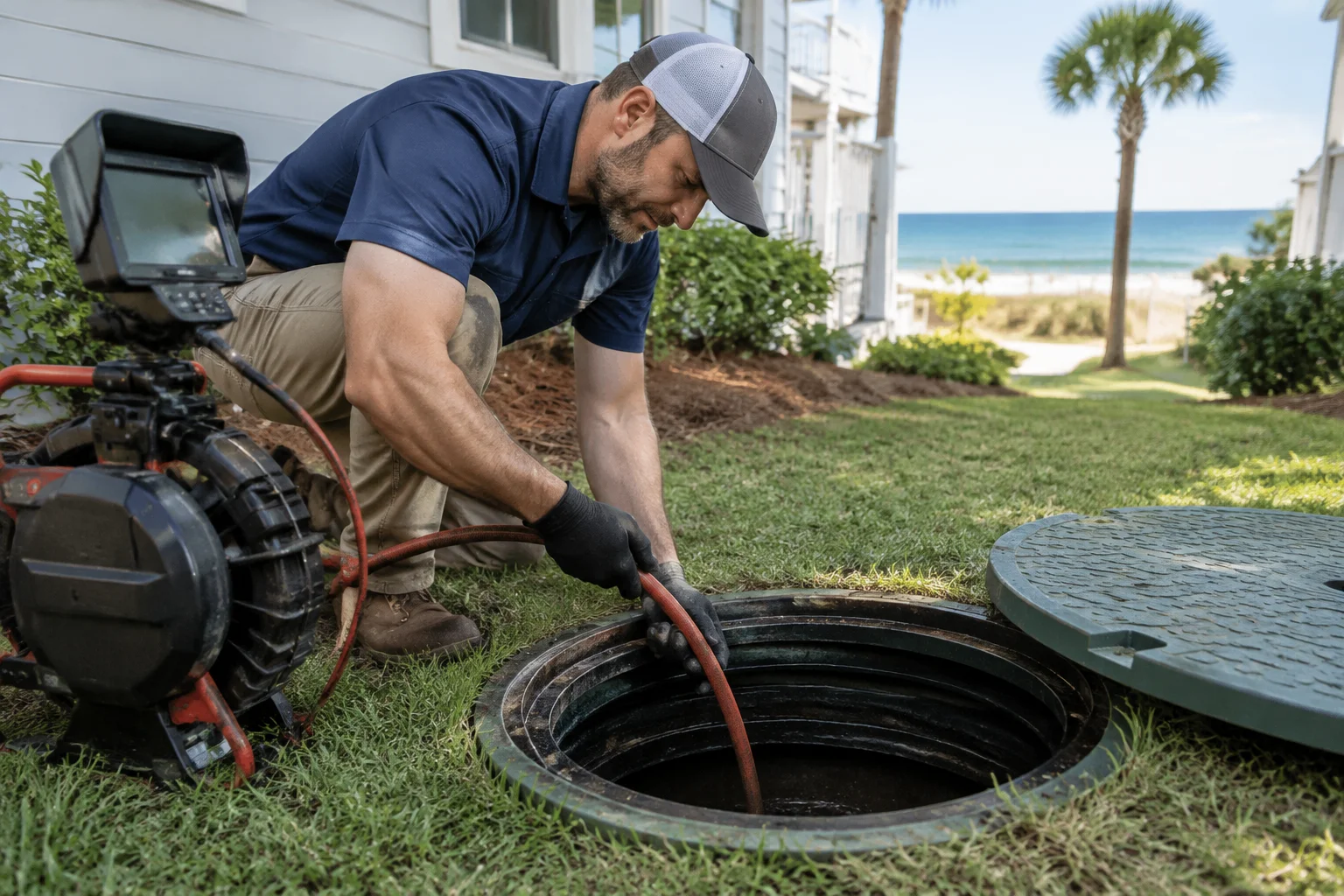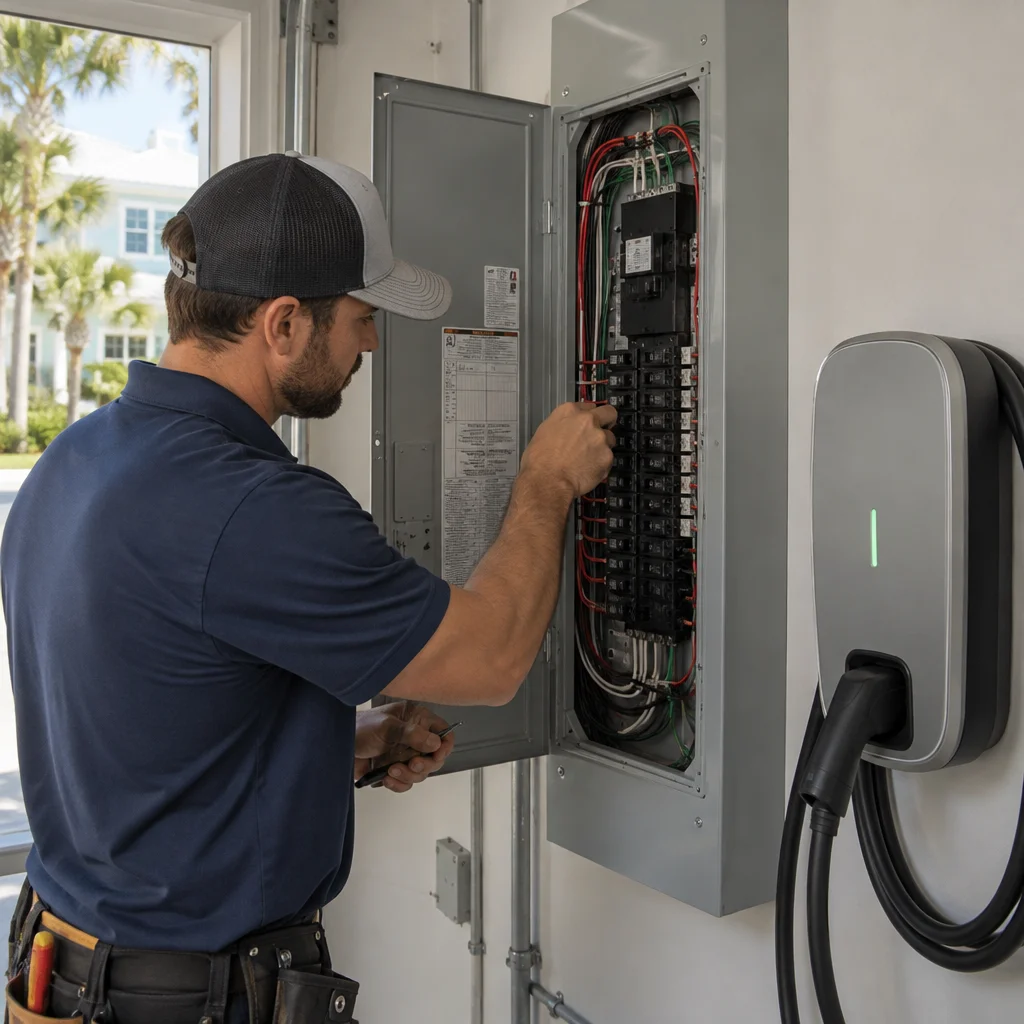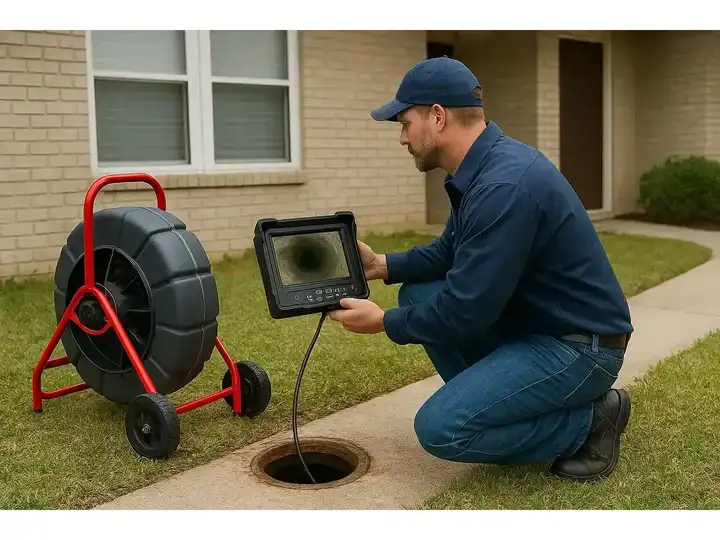
Along 30A, plumbing systems deal with more than everyday wear. Salt air, shifting sandy soil, heavy summer rain, and a mix of older beach homes and newer vacation properties all put pressure on sewer lines over time. A sewer camera inspection gives homeowners a clear view inside those lines without digging up the yard, which is why it has become such a practical tool for local plumbing diagnostics.
A Superior Mechanical provides sewer camera inspection in 30A, FL for homeowners, rental property owners, and businesses that want accurate answers before a small issue turns into a larger repair. If you live anywhere from Grayton Beach to Rosemary Beach, or anywhere else along the corridor, a camera inspection can help identify what is happening underground and whether the problem is getting worse over time.
Why sewer camera inspections matter in a coastal place like 30A
In a coastal community, plumbing systems face conditions that are different from inland neighborhoods. Many homes in 30A sit on sandy lots where the ground can shift after heavy rain or repeated moisture changes. That movement can stress pipe joints, create low spots in the line, or allow debris to collect in places where wastewater should move freely.
Humidity and salt exposure also matter. While sewer lines are buried, the homes above them often experience the effects of a harsh coastal environment. Older plumbing materials can corrode faster, and properties that sit vacant for parts of the year may not show obvious warning signs until a blockage or backup is already underway. A sewer camera inspection helps reveal the actual condition of the line so homeowners are not left guessing.
For property owners who manage rentals or second homes, that visibility is especially helpful. When a home is only occupied seasonally, plumbing issues can sit unnoticed for weeks or months. A camera inspection can catch recurring buildup, root intrusion, or line damage before guests arrive and before emergency service is needed.
What can affect sewer camera inspection results over time
A sewer camera inspection is only as useful as the line conditions allow. In many cases, the inspection itself is straightforward, but several factors can influence what the camera shows and how easy it is to interpret the findings. Understanding those factors helps homeowners know when a follow-up inspection may be worth scheduling.
Pipe buildup and recurring debris
Grease, soap residue, wipes, hair, and mineral buildup can coat the inside of sewer lines. Over time, that buildup can narrow the pipe and make it harder for wastewater to move through. It can also make camera footage less clear, especially if residue clings to the lens view or if the line is partially blocked. In homes where kitchen drains are heavily used or where multiple bathrooms feed into one line, buildup can develop faster than many homeowners expect.
Root intrusion in older landscaping
Tree roots are one of the most common issues a sewer camera inspection can uncover. In 30A, mature landscaping and coastal vegetation often grow close to buried utilities. Roots naturally seek out moisture, and even a small crack or joint opening can draw them into the line. Once inside, roots can spread, catch debris, and eventually create a major blockage. A camera inspection can identify the location and severity of root intrusion before the line backs up completely.
Soil movement and settling
Sandy soil can shift over time, especially after storms or prolonged wet weather. When the ground settles unevenly, sewer lines can sag, separate, or develop offset joints. These changes may not be visible at the surface, but they can create trouble inside the pipe. A camera inspection may show standing water, dips in the line, or sections where the pipe has moved out of alignment. Those conditions can worsen gradually, which is why repeat inspections can be useful for homes with a history of drainage issues.
Corrosion and aging materials
Older sewer systems may include cast iron, clay, or other materials that wear down over time. In coastal Walton County, older pipes can corrode, crack, or become rough inside, which gives debris more places to catch. Even if the system still drains, the camera may show early signs of deterioration that point to future repair needs. That is one reason many homeowners use a Walton County plumbing professional who understands the local housing stock and the types of pipe problems common in the area.
Stormwater and heavy rainfall
Florida rain can be intense, and 30A properties often see quick changes in soil moisture after storms. If stormwater enters the sewer system through damaged connections or if the surrounding soil becomes oversaturated, the line can behave differently than it does during dry weather. Camera inspections done after major rain events may show temporary standing water, debris movement, or signs of infiltration. In some cases, the timing of the inspection matters just as much as the condition of the pipe.
How to tell if sewer line trouble may be developing
Homeowners do not need to see the inside of the pipe to know something may be off. Sewer line problems often leave clues inside the home first. Slow drains in more than one fixture, gurgling sounds in toilets, recurring clogs, sewer odors, or water backing up in the lowest drain are all worth paying attention to.
If these symptoms keep coming back after a basic drain clearing, a sewer camera inspection can help determine whether the issue is in the line itself rather than just in one fixture. That distinction matters because a repeated clog may be caused by a deeper structural problem, not just a surface blockage.
For homeowners comparing plumbing services, it can also help to review related local resources such as How 30A Property Owners Can Stay Ahead of Plumbing Problems Before They Turn Costly. Preventive maintenance is often far less disruptive than waiting for a backup.
Why the inspection may need to be repeated
Many homeowners assume a camera inspection is a one-time fix, but sewer conditions change. A line that looked clear last year may not look the same after a storm season, a landscaping project, or a period of heavy use. Vacation rentals, in particular, can place extra strain on plumbing during peak season and then sit idle during slower months, which can allow unnoticed issues to develop.
Repeat inspections can be helpful when a property has a history of clogs, when a major repair has already been made, or when buying or selling a home. In older 30A neighborhoods, a camera inspection can also provide peace of mind before renovating bathrooms, replacing fixtures, or adding occupancy to the property.
If a sewer line has already shown signs of damage, homeowners may also want to consider whether related plumbing updates are needed. In some cases, plumbing replacement in 30A is the more practical long term solution. If the issue extends to the water service side, waterline replacement may also be part of the conversation.
Local conditions that make service in 30A different
30A is not a generic plumbing market. Homes here often have unique floor plans, outdoor living areas, guest houses, and multiple bathrooms packed into a relatively small footprint. That means sewer systems may serve more fixtures than a homeowner expects, and one hidden issue can affect the whole property quickly.
The local climate also creates year-round wear. Warm temperatures can accelerate odor problems and bacterial buildup in stagnant sections of pipe, while seasonal traffic can push plumbing systems harder than usual. Add in the effects of salty air, older infrastructure in some neighborhoods, and the occasional high water table, and it becomes clear why local experience matters.
Working with a team that knows 30A and the surrounding Walton County area helps homeowners get more accurate recommendations. A technician familiar with coastal properties can better judge whether a camera finding points to a simple blockage, a root issue, a broken pipe, or a broader drainage concern.
How homeowners can help sewer lines stay in better shape
Good maintenance does not stop every sewer problem, but it can slow down wear and make camera inspections more useful. Avoid flushing wipes, paper towels, feminine products, or other nonflushable items. Keep grease out of kitchen drains. Watch for tree planting near utility paths. And if a drain starts acting up repeatedly, do not keep resetting the same clog with short term fixes.
For homeowners who also want to improve the overall performance of the property, plumbing care often works best alongside other system upkeep. Clean water quality can help protect fixtures and appliances, which is why many local owners also read A Practical Look at Clean Water Systems for Better Home Performance in 30A, FL. If the home has broader mechanical needs, it may also be useful to explore clean water systems and other related services that support long term reliability.
Property managers may also benefit from routine service planning that includes HVAC and plumbing coordination. For multi unit or rental properties, property management HVAC services can help keep the whole home operating smoothly, especially when the property is occupied seasonally and maintenance windows are limited.
Why a professional inspection is worth it
Sewer camera inspections are useful because they turn guesswork into evidence. Instead of assuming a clog is minor or hoping a drain cleaner will solve it, homeowners get a direct look at the line. That can save time, reduce unnecessary digging, and help guide the next repair step with more confidence.
A professional inspection is especially helpful when the problem keeps coming back, when a home is older, when a property is near mature trees, or when there has been recent flooding or heavy rain. It is also a smart step before major renovations, after purchasing a home, or when preparing a rental property for another busy season.
For 30A homeowners who want accurate diagnostics without unnecessary digging, a sewer camera inspection is one of the most practical ways to protect the property. A Superior Mechanical helps local residents identify hidden line issues early and make informed decisions about repair, maintenance, and long term planning.
Find Sewer Camera Inspection in 30A, FL
If you need Sewer Camera Inspection in 30A, FL, visit our local service page or contact A Superior Mechanical today.
Map of 30A, FL
Frequently Asked Questions
How often should a sewer camera inspection be done in 30A, FL?
It depends on the age of the home, past plumbing issues, and whether the property is occupied full time or seasonally. Homes with older pipes, heavy tree coverage, or recurring drain problems may benefit from more frequent inspections.
Can coastal weather affect sewer lines in 30A?
Yes. Heavy rain, shifting sandy soil, and moisture changes can all affect buried sewer lines. In some homes, those conditions lead to settling, root intrusion, or debris buildup over time.
What does a sewer camera inspection usually find?
A camera inspection can reveal clogs, root intrusion, cracked or offset pipes, buildup, standing water, corrosion, and other hidden problems inside the sewer line.
Is a sewer camera inspection useful before buying a home in Walton County?
Yes. It can help buyers understand the condition of the sewer line before closing, especially in older coastal homes or properties with mature landscaping.
Related Articles
Photo Gallery