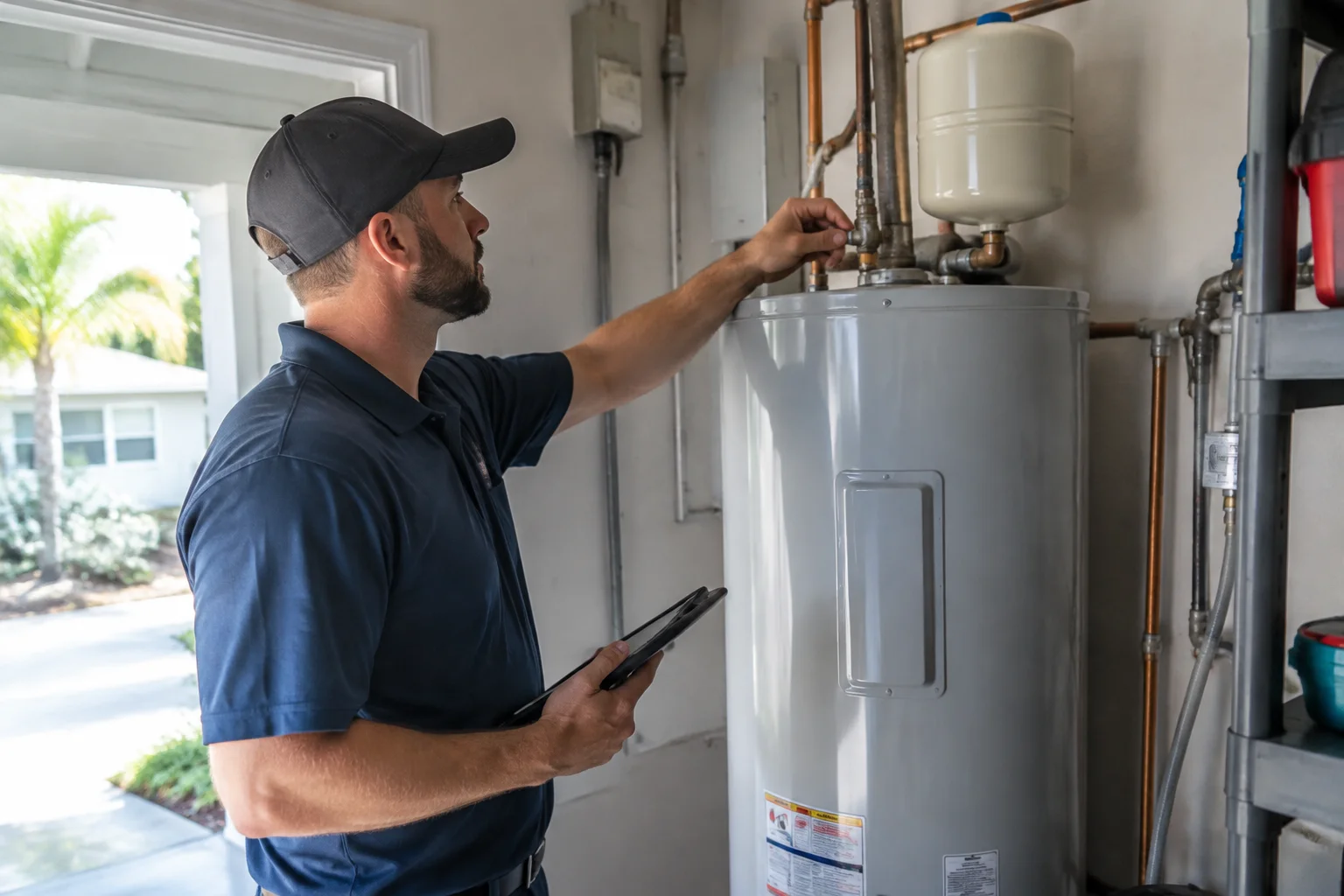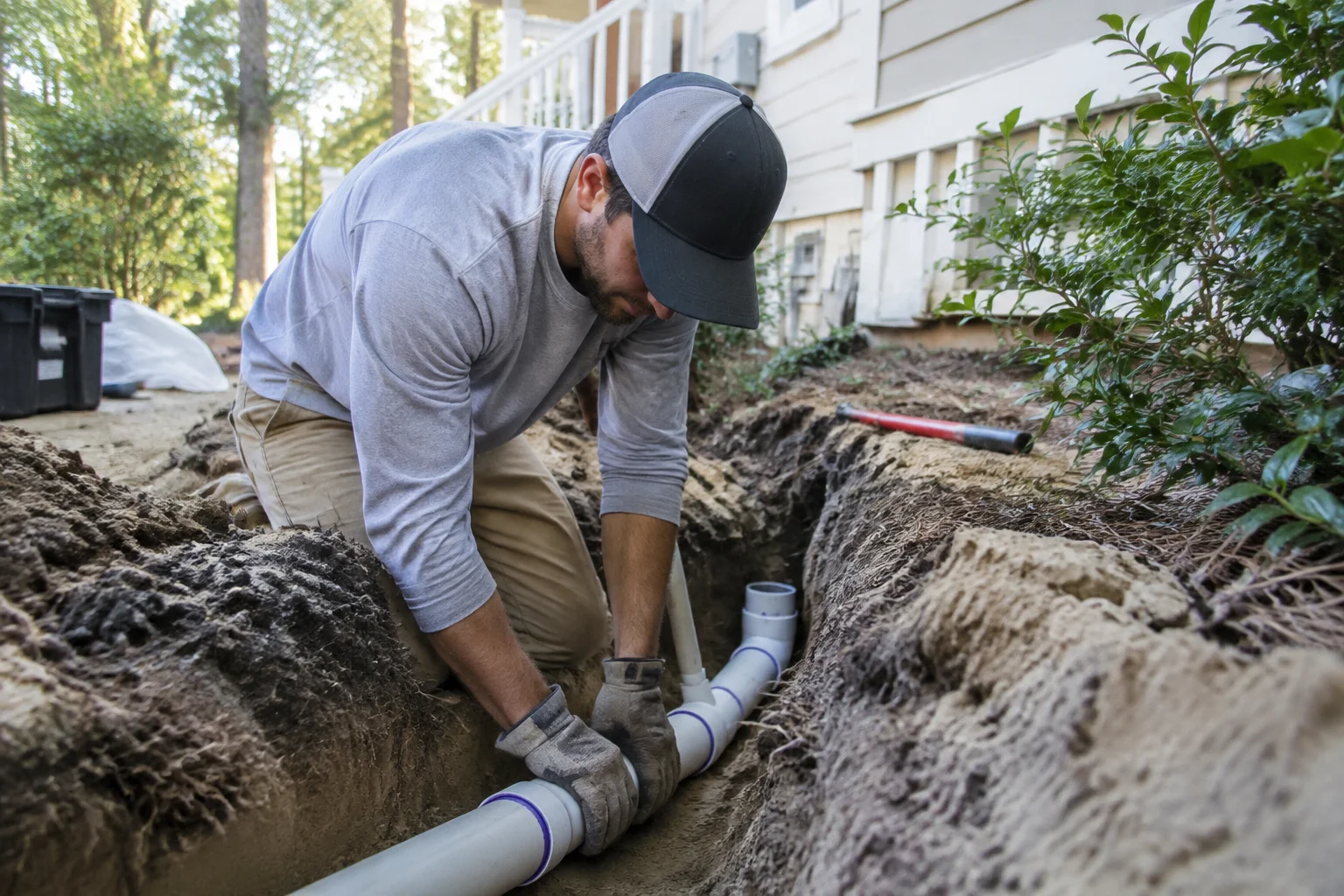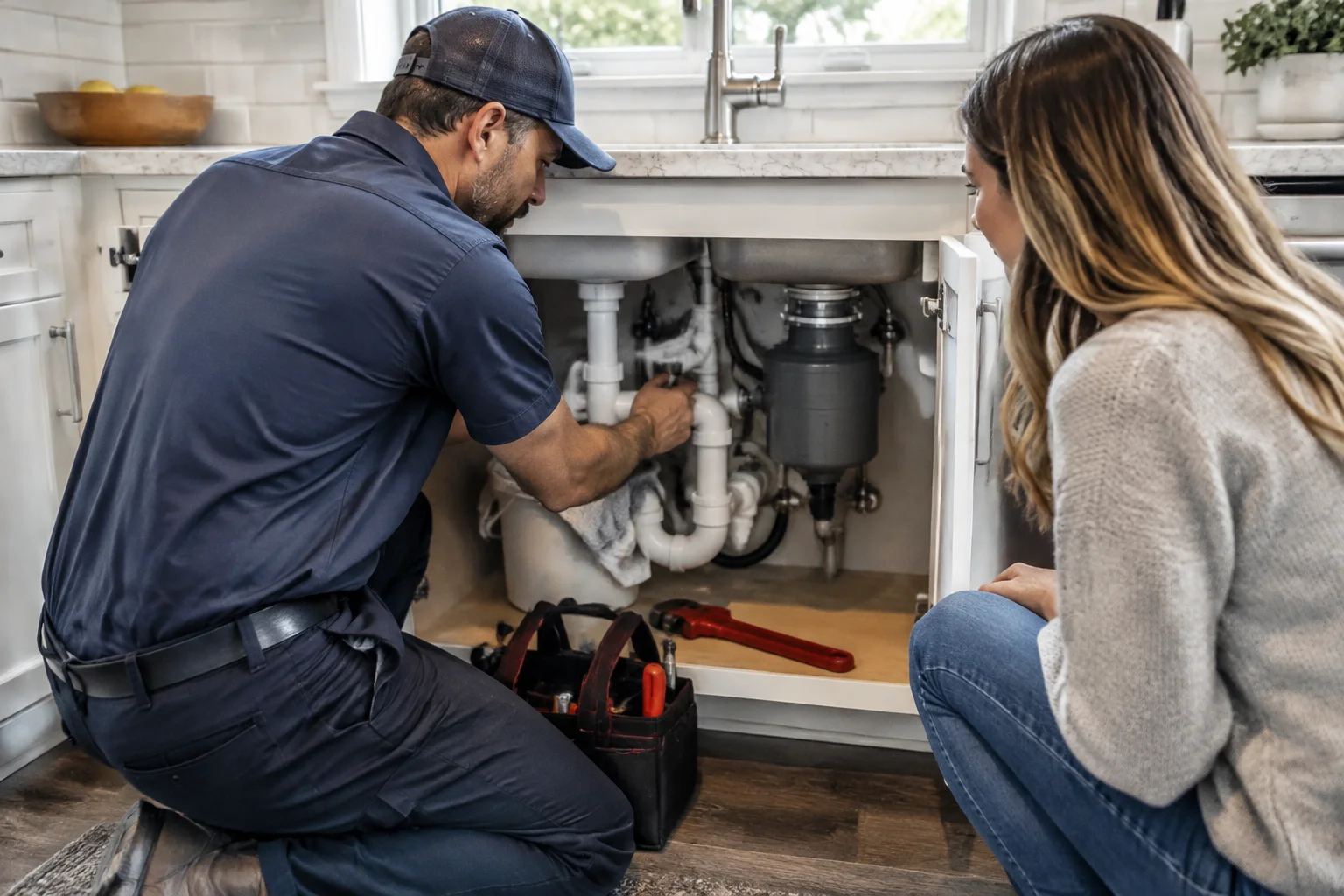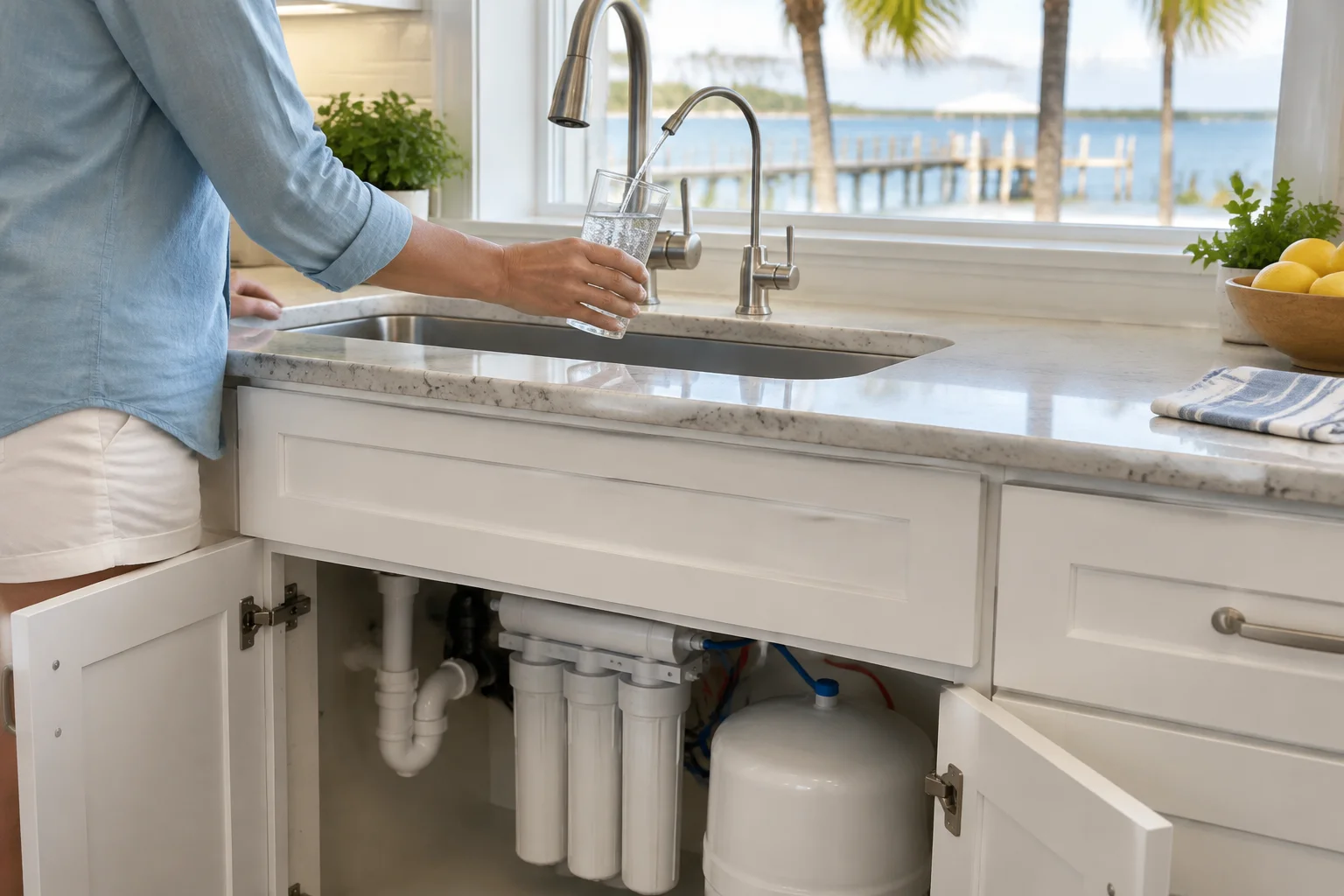
In Fort Walton Beach, water softening systems do a lot of quiet work behind the scenes. They help reduce scale, protect plumbing, and keep fixtures and appliances running more smoothly in homes that already deal with coastal humidity, mineral heavy water, and everyday wear from Florida living. Over time, though, even a well installed softener can lose efficiency if local conditions, maintenance gaps, or hidden plumbing issues start to pile up.
For homeowners in Okaloosa County, understanding what affects a water softener is just as important as choosing the right system in the first place. If you already have a system in place, or you are looking into water softening systems in Fort Walton Beach, FL, it helps to know what shortens system life and what keeps it performing the way it should.
Why Fort Walton Beach conditions matter
Fort Walton Beach homes see a mix of conditions that can be rough on plumbing equipment. Salt air, high humidity, and seasonal temperature swings all create an environment where metal parts, valves, and control components may wear faster than they would in a drier inland area. Many homes in the city and throughout Okaloosa County also deal with hard water that leaves mineral residue on faucets, shower doors, water heaters, and inside pipes.
That combination matters because a water softener is not just treating water. It is also working within a system that includes pressure changes, drainage, resin media, and electrical controls. When any one of those pieces is stressed, the whole system can start to underperform.
Mineral buildup is the most common long term problem
Hard water is one of the main reasons local homeowners install softeners, but it is also one of the main reasons those systems need attention later. Over time, calcium and magnesium can collect in the resin bed, valves, and brine tank. If the system is not regenerating properly, those minerals can build up faster and reduce how much hardness the unit can remove.
Homeowners often notice the change slowly. Soap may stop rinsing cleanly. Glassware may come out spotted. Shower doors may develop a film again. Water heaters can also lose efficiency when scale starts forming inside the tank, which can lead to higher energy use and more wear on the equipment.
What to watch for
Common signs of mineral buildup include a salty taste that seems off, reduced water pressure, soap that does not lather well, and white residue around fixtures. If the system seems to be using more salt than usual without improving water quality, buildup may be affecting the resin or the regeneration cycle.
Salt bridging and salt mushing can stop the system from working
The brine tank plays a major role in how a softener regenerates. In Fort Walton Beach, humidity can affect salt storage and performance, especially if the tank is in a garage, closet, or utility space that is not climate controlled. Salt can harden into a crust at the top of the tank, a problem called salt bridging. It can also turn into a thick sludge at the bottom, known as salt mushing.
Both problems keep the system from drawing the right amount of brine during regeneration. That means the softener may look full of salt but still fail to soften water properly.
Routine checks matter here. A homeowner may not notice a bridge until the water gets harder again or the system stops using salt at a normal rate. If the salt level appears unchanged for weeks, that is worth a closer look.
Humidity and coastal air can wear parts down faster
Coastal Florida is tough on equipment. Even indoors, high humidity can affect electrical controls, fittings, and metal parts. In homes near the beach or in neighborhoods exposed to salty air, corrosion can become a real maintenance issue over time. Small parts like clamps, screws, and connectors can rust or deteriorate, especially if the system has not been checked in years.
This is one reason local service matters. A technician who works in Fort Walton Beach understands the effects of moisture, corrosion, and mineral exposure on plumbing equipment. That local experience can make it easier to spot early wear before a small issue turns into a full system failure. For homeowners who want help from a nearby team familiar with local water conditions, Fort Walton Beach plumbing service can make maintenance simpler and more reliable.
Water pressure changes can affect performance
Water softeners depend on steady flow and pressure to function properly. If a home has pressure fluctuations, clogged prefilters, partially closed valves, or aging plumbing, the softener may not regenerate correctly or may not treat water evenly. In older Fort Walton Beach homes, plumbing updates are sometimes needed alongside softener service to keep everything working as intended.
Low pressure can make the system cycle poorly. High pressure can stress fittings and valves. Either one can shorten the life of the equipment if it is left unchecked. If pressure problems are affecting more than one fixture, homeowners may also want to look at related plumbing issues such as fixture problems that spread through the home or broader maintenance habits covered in smarter plumbing maintenance for Fort Walton Beach homes.
Resin media does not last forever
The resin inside a water softener is what actually captures hardness minerals. Over time, that resin can wear out, become coated with iron or sediment, or lose efficiency. In areas with heavy mineral content, this can happen sooner than homeowners expect. Once resin performance drops, the system may still run, but it will not soften water as well.
Signs of aging resin include water that feels hard again, soap scum returning, and a system that regenerates more often without restoring softness. In some cases, the resin can be cleaned. In others, it may need replacement. A professional can test whether the issue is the resin, the control valve, or a separate plumbing problem.
Sediment and iron can create hidden trouble
Water softeners are designed to handle hardness, but they are not always enough on their own if sediment or iron is present. In homes with older plumbing, well connected systems, or water that carries extra particles, sediment can clog the softener’s internal parts. Iron can stain fixtures, foul the resin bed, and create an orange or brown tint in water or around drains.
This is where a broader water quality approach can help. Some homes need prefiltration or additional treatment through clean water solutions to protect the softener and improve overall water quality. When sediment or iron is ignored, the softener works harder than it should and may wear out much sooner.
Installation quality affects how long the system lasts
A softener can only perform well if it is installed correctly. Drain placement, bypass valve setup, line sizing, and regeneration settings all affect how the unit runs over time. If the installation was rushed or not matched to the home’s plumbing demand, the system may cycle too often or not often enough.
That is especially important for homes with higher water use, multiple bathrooms, or light commercial needs. A system that is undersized will struggle from the start. A system that is oversized may not regenerate often enough to stay efficient. For homeowners planning a new setup or replacement, it helps to read about planning plumbing installation the right way in Fort Walton Beach homes before making decisions.
Routine maintenance keeps small issues from becoming expensive ones
Most water softener problems do not happen overnight. They build gradually, which is why simple maintenance matters. Checking salt levels, cleaning the brine tank, inspecting the bypass valve, and testing water hardness can help catch trouble early. In Fort Walton Beach, where humidity and mineral content both play a role, regular service is often the difference between a system that lasts and one that fails early.
Homeowners who stay on top of maintenance can also protect other plumbing fixtures and appliances. A properly working softener helps water heaters, toilets, faucets, and shower fixtures last longer by reducing scale and residue. If scale has already started affecting bathroom or kitchen fixtures, some homes may also need toilet repair and replacement or other fixture work to address the damage caused by untreated hard water.
When a professional inspection is worth it
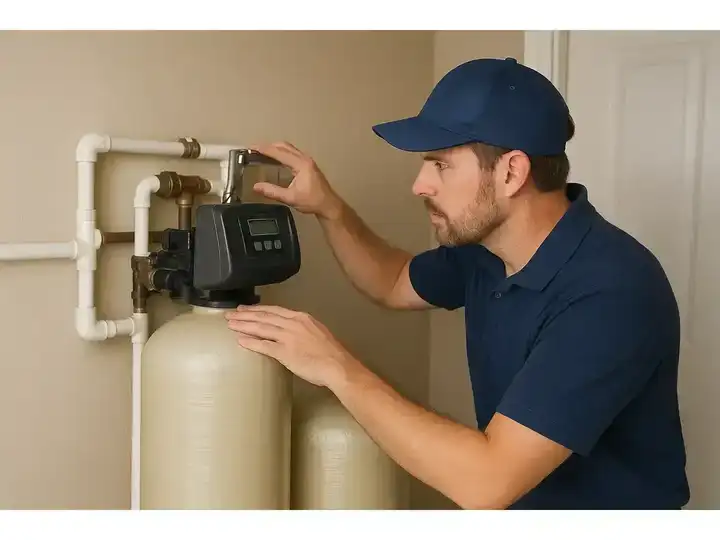
Some softener issues are easy for a homeowner to spot, but others hide inside the tank, valve, or plumbing connections. If the water feels hard again, the system is making unusual noises, salt use has changed, or there are signs of corrosion around the unit, it is a good time to have it checked. A professional can test hardness, inspect the resin, evaluate the control settings, and look for plumbing issues that may be affecting performance.
This matters even more for homes with older plumbing, vacation properties that sit unused for stretches, or light commercial spaces that depend on consistent water quality. A system that is not serviced in time can waste salt, use more water during regeneration, and leave fixtures exposed to scale buildup.
For property owners who want dependable service from a local team, A Superior Mechanical provides help with water softening systems in Fort Walton Beach, FL, along with related plumbing and water quality support across the area.
Local homes benefit from a system matched to local water
Not every home in Fort Walton Beach has the same water conditions. Some neighborhoods deal with more mineral content, while others have plumbing layouts or usage patterns that change how a softener should be sized and maintained. That is why a one size fits all approach rarely works well for long.
Homes near the coast, older properties with aging pipes, and newer builds with high efficiency fixtures all place different demands on a water softener. A local technician can match the system to the home and the water conditions instead of guessing. That can improve performance, reduce service calls, and help the equipment last longer.
For many homeowners, the best results come from combining softener service with broader plumbing care and practical maintenance habits. That approach protects water quality, preserves fixtures, and keeps the system working the way it should through Fort Walton Beach’s humid seasons and mineral heavy water conditions.
Find Water Softening Systems in Fort Walton Beach, FL
If you need Water Softening Systems in Fort Walton Beach, FL, visit our local service page or contact A Superior Mechanical today.
Map of Fort Walton Beach, FL
Frequently Asked Questions
How often should a water softener be serviced in Fort Walton Beach?
Most systems benefit from a yearly inspection, but homes with heavy hard water, humidity exposure, or higher water use may need more frequent checks. A technician can test hardness and inspect the resin, salt tank, and control valve.
Why is my water softener using salt but the water still feels hard?
Salt bridging, resin wear, clogged valves, or incorrect settings can all keep the system from regenerating properly. In Fort Walton Beach, humidity can also affect how salt performs in the brine tank.
Can hard water damage other plumbing fixtures in my home?
Yes. Hard water can leave scale on faucets, showerheads, toilets, and inside water heaters. Over time, that buildup can reduce efficiency and contribute to premature repairs.
Do coastal conditions really affect water softeners?
They can. Humidity and salty air may speed up corrosion and wear on fittings, controls, and metal parts, especially if the system is in a garage, utility room, or other damp space.
Related Articles
- Plumbing Financing in Fort Walton Beach, FL: Answers to Common Questions
- Smarter Plumbing Maintenance for Fort Walton Beach Homes: Small Habits That Prevent Bigger Repairs
- Keeping Everyday Plumbing Comfortable in Fort Walton Beach: How to Spot Fixture Problems Before They Spread
- Planning Plumbing Installation the Right Way in Fort Walton Beach Homes
Photo Gallery