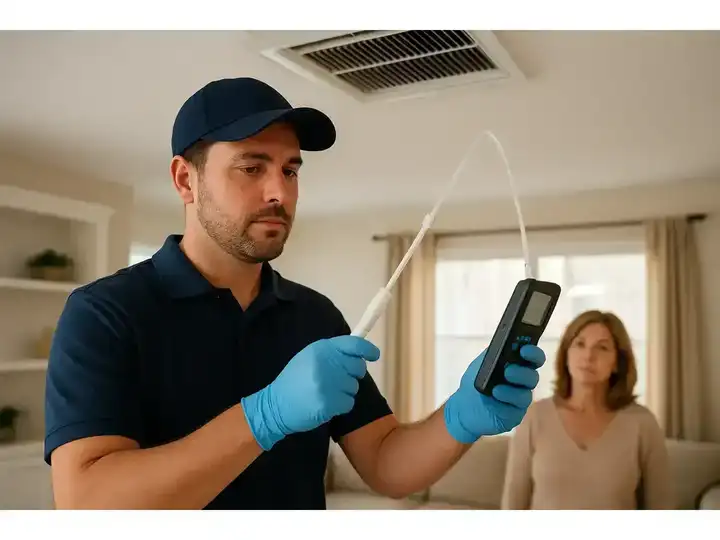
For property owners in Destin, reliable comfort is not just about keeping the air cool. It is also about keeping the air clean, balanced, and dry enough to protect the building itself. Along the Gulf Coast, homes, condos, vacation rentals, and small commercial spaces all deal with the same basic challenge: warm, humid air that can push indoor systems harder than they should have to work.
That is why indoor air quality testing in Destin, FL is more than a health related service. It is a practical way to improve HVAC reliability, reduce avoidable repairs, and catch problems that often stay hidden until they become expensive. A Superior Mechanical provides local service in Destin and throughout Okaloosa County, where salt air, humidity, and seasonal occupancy create conditions that can change indoor air quickly.
Why Destin properties need a closer look at indoor air
Destin’s climate creates a specific set of indoor air challenges. Summer humidity stays high for long stretches, and the air near the coast often carries salt and moisture that can affect ductwork, filters, coils, and ventilation components. Even in well maintained homes, that combination can lead to damp surfaces, musty odors, and extra stress on the HVAC system.
Vacation rentals and second homes can be especially vulnerable. When a property sits unoccupied for periods of time, humidity can rise indoors, especially if the thermostat is set too high or the system is not running often enough. In occupied homes, daily cooking, bathing, pets, and open door traffic all add to the indoor load. In commercial spaces, higher foot traffic and variable occupancy can make air quality changes harder to spot without testing.
Testing gives property owners real data instead of guesswork. It can help identify whether the problem is related to humidity, filtration, ventilation, contaminants, or the HVAC system itself.
Common indoor air issues property owners should not ignore
Humidity that stays too high
High humidity is one of the most common issues in Destin. If indoor moisture stays elevated, you may notice sticky air, condensation on windows, or a home that never quite feels comfortable. Over time, excess humidity can encourage mold growth, damage wood, and make your HVAC system work longer to achieve the same result.
Indoor air quality testing can help determine whether humidity is staying in a safe range and whether the air conditioning system is actually removing enough moisture. In some homes, the issue is not the thermostat setting. It is a system sizing problem, poor airflow, or duct leakage that allows humid air to keep entering the living space.
Mold concerns and musty odors
Mold does not always show up in obvious places. Sometimes the first clue is a smell in a closet, guest room, or near supply vents. In coastal homes, mold growth can develop around damp ducts, in crawl spaces, near air handlers, or behind walls where condensation has been building for a while.
Testing can help narrow down whether the odor is linked to elevated moisture, hidden water intrusion, or an HVAC related condition. If a property has had roof leaks, plumbing leaks, or past storm damage, testing is especially useful before the issue spreads.
Allergens and indoor particles
Dust, pollen, pet dander, and other particles can build up in homes and rentals quickly, especially when filters are not changed often enough. In Destin, pollen and outdoor debris can enter during frequent door openings and through leaky ductwork. For residents with allergies or asthma, that can make a home feel uncomfortable even when the temperature is fine.
Air quality testing can show whether particle levels are part of the problem and whether filtration or ventilation changes could help. In some cases, the answer is as simple as improving filter selection. In others, the issue points to duct leaks or poor return air design.
Poor ventilation
Ventilation is easy to overlook because it is not always visible. Yet a home or rental with weak ventilation can trap odors, moisture, and contaminants indoors. Kitchens, bathrooms, laundry areas, and enclosed mechanical rooms all depend on proper airflow to stay healthy and dry.
Testing helps determine whether the property is exchanging air the way it should. This matters in tightly sealed homes, updated properties with new windows, and older buildings where the original HVAC layout may not match the current use of the space.
How testing improves HVAC reliability
Indoor air quality testing is not just about comfort. It can also reveal conditions that shorten the life of HVAC equipment or make the system less dependable. A unit that is constantly fighting moisture or clogged airflow will often run longer, cycle more often, and wear out sooner.
For example, if testing shows high humidity, the system may need service, duct repair, or a different dehumidification approach. If airborne particles are high, the issue may be tied to filtration or return air leaks. If odors and moisture appear near vents, the problem could point to a duct issue that deserves attention before it affects the whole building.
That is especially important for property owners who manage multiple homes or rentals. A small indoor air problem can turn into complaints, maintenance calls, and avoidable downtime. Reliable HVAC performance starts with understanding what the air is doing inside the building.
Local conditions that make Destin different
Destin is not a generic HVAC market. Salt air, high humidity, and seasonal occupancy patterns create maintenance needs that are very specific to the coast. A property close to the water may experience faster wear on metal components. A rental that sits empty for days may develop moisture issues that are not obvious until guests arrive. A commercial space may need more frequent monitoring because of changing occupancy and ventilation demands.
That is why local service matters. A provider familiar with Destin properties and the wider Okaloosa County area can connect the test results to real world conditions, not just a checklist. The goal is to understand how the home or building behaves in this climate and what should be done next.
Helpful steps before and after testing
Start with the basics
If you are planning an inspection, begin by noting the symptoms you have already seen. Musty smells, condensation, uneven temperatures, frequent filter clogs, or allergy complaints can all help guide the testing process. The more specific the observations, the easier it is to pinpoint the source.
It also helps to review recent changes in the property. New flooring, a roof repair, a plumbing leak, a change in occupancy, or a new HVAC setting can all affect indoor air quality.
Keep humidity under control
In Destin, moisture control is one of the best ways to protect indoor air. Keep an eye on dehumidification, make sure bath fans and kitchen exhaust are working, and avoid setting the thermostat too high during long vacant periods. If the system seems to struggle with humidity, testing can help determine whether the issue is in the equipment, ductwork, or ventilation.
Maintain filters and airflow
Filter changes matter more than many homeowners realize. A dirty filter reduces airflow, and reduced airflow can make a system less effective at removing moisture. That can affect comfort and indoor air quality at the same time. If filters clog too quickly, it may be a sign that the system is pulling in too much dust or that ductwork needs attention.
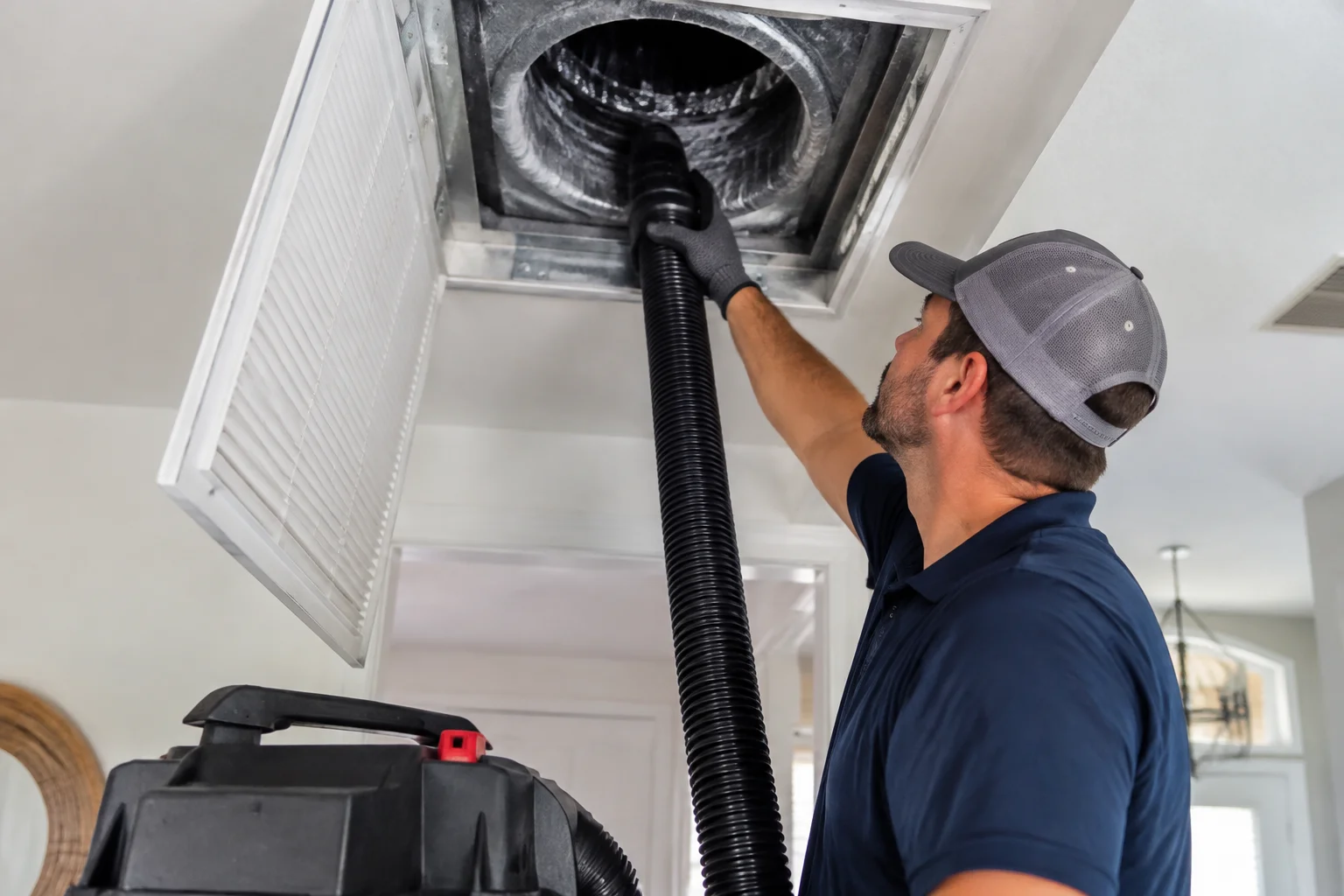
For some homes, a larger issue may be in the ducts themselves. If you suspect leakage, damage, or poor airflow balance, duct replacement may be part of the long term solution.
Consider related upgrades when needed
Sometimes testing points to more than one improvement. A home with recurring moisture problems may benefit from HVAC adjustments or air conditioning installation if the current system is not sized or performing correctly. New construction and major remodels should also account for ventilation and air quality from the start, which is where new construction HVAC services can help create a healthier baseline.
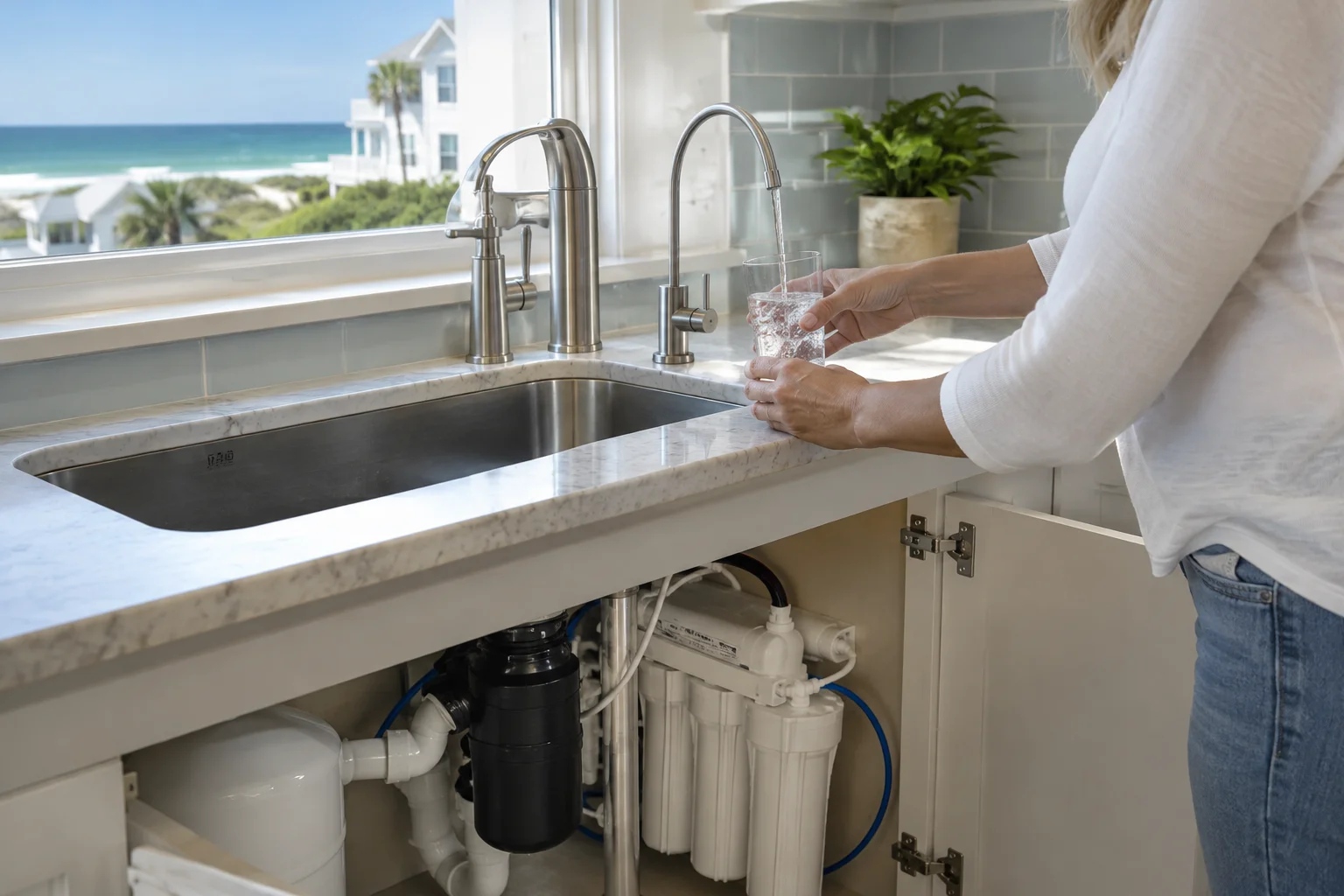
For properties that also deal with water quality concerns, some owners choose to pair HVAC planning with reverse osmosis systems to improve overall household comfort and reduce the burden on daily living systems.
How property owners can use testing results wisely
The value of testing comes from acting on the results. If the report shows high humidity, the next step may be maintenance, ventilation changes, or equipment repair. If it shows particles or allergens, filtration and duct sealing may be the priority. If it points to a hidden moisture issue, the property owner can address the source before it becomes a larger building problem.
For vacation rental owners, testing can also help protect reviews and reduce emergency calls. Guests notice odors, stuffiness, and temperature swings quickly. A property that feels clean and balanced is easier to maintain and easier to rent. For commercial owners, healthier indoor air can support employee comfort and customer experience, which is one reason some businesses look at broader HVAC planning alongside local resources like Commercial HVAC Services in Sandestin, FL: Answers to Common Questions and How Local Weather Affects Commercial HVAC Repair in Destin, FL.
Property managers in the area often need a broader view as well. Indoor air quality, HVAC maintenance, and tenant comfort all connect. That is why articles like A Practical Look at Property Management HVAC Services for Local Property Owners in Sandestin, FL and A Practical Look at Commercial HVAC Repair in Sandestin, FL can be helpful when planning long term upkeep for multiple buildings or investment properties.
When it makes sense to call a professional
If a home has recurring odors, unexplained humidity, visible mold, frequent allergy complaints, or HVAC problems that keep coming back, professional testing is the smart next step. The same is true if the property has had water damage, storm intrusion, or recent duct issues. A technician can help separate surface level symptoms from the real source of the problem.
Professional testing is also useful when buying, selling, or preparing a rental for peak season. It gives property owners a clearer picture of how the building is performing and whether the HVAC system is supporting healthy indoor conditions. In a coastal market like Destin, that kind of insight can save time, reduce surprises, and help protect the property over the long haul.
A Superior Mechanical offers indoor air quality testing in Destin, FL for homes, vacation rentals, and businesses that need practical answers about humidity, airflow, and the HVAC issues that affect comfort every day.
Find Indoor Air Quality Testing in Destin, FL
If you need Indoor Air Quality Testing in Destin, FL, visit our local service page or contact A Superior Mechanical today.
Map of Destin, FL
Frequently Asked Questions
What does indoor air quality testing measure in a Destin home?
Testing can help identify humidity problems, mold concerns, allergens, ventilation issues, and HVAC related air quality conditions. In coastal homes, it is especially useful for spotting moisture issues before they spread.
Why is indoor air quality such a concern in Destin, FL?
Destin’s heat, humidity, and salt air can make it harder for HVAC systems to keep indoor spaces dry and comfortable. Vacation rentals and second homes can also develop moisture problems when they sit unoccupied.
How often should property owners schedule indoor air quality testing?
There is no single schedule for every property, but testing is a good idea after water damage, recurring odors, allergy complaints, or unexplained HVAC issues. Many owners also test before buying, selling, or opening a rental for the season.
Can indoor air quality testing help with HVAC reliability?
Yes. Testing can show whether humidity, poor airflow, dirty filtration, or duct problems are making the system work harder than it should. That information helps guide repairs and maintenance that support better performance.
Related Articles
Photo Gallery