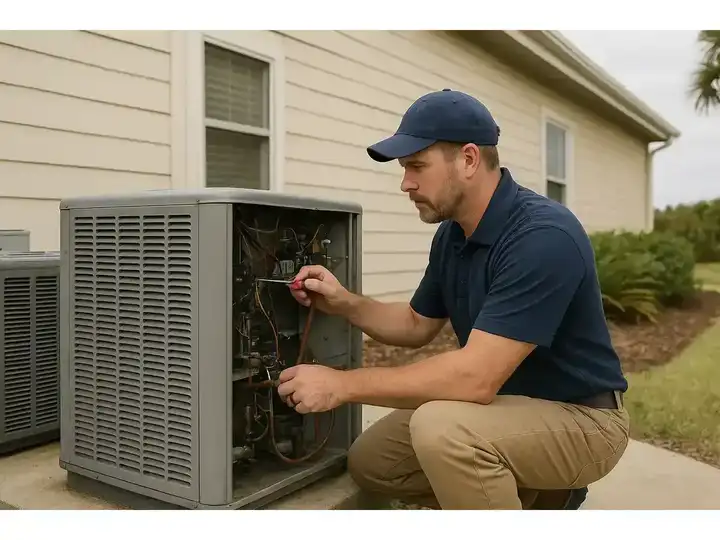
Commercial HVAC systems in 30A, FL work hard year round. Between humid Gulf air, salt exposure, and the steady flow of guests, shoppers, tenants, and staff, even a well sized system can fall behind if it does not get regular attention. For business owners and property managers in Walton County, maintenance is not just about comfort. It is about protecting equipment, avoiding downtime, and keeping energy costs under control.
A Superior Mechanical provides commercial HVAC maintenance in 30A, FL for restaurants, retail spaces, offices, and multi-unit properties. Local service matters here because coastal conditions create problems that do not always show up right away. A system may still run, but hidden wear can lead to weak airflow, rising utility bills, poor humidity control, and sudden breakdowns when the building is busiest.
Why HVAC systems in 30A need a closer watch
30A has a climate that is tough on commercial equipment. Summers are hot and humid, and the salty coastal air can speed up corrosion on outdoor components. In buildings close to the beach, rooftop units and condensers often face constant exposure to moisture and airborne salt. That combination can shorten equipment life if coils, drains, electrical parts, and moving components are not inspected regularly.
Many local buildings also have unique layouts. Some are designed for vacation traffic, seasonal occupancy, or mixed use. That means HVAC demand can change quickly. A system that seems fine during a slower week may struggle when occupancy rises, doors open more often, or kitchen equipment and lighting add extra heat. Routine maintenance helps catch those changes before they turn into comfort complaints or emergency calls.
Small issues that can turn into bigger disruptions
Most commercial HVAC problems start small. The challenge is that small problems are easy to ignore until they affect the whole building. A dirty filter, a clogged condensate drain, or a loose electrical connection may not seem urgent, but each one can create bigger failures over time.
Restricted airflow
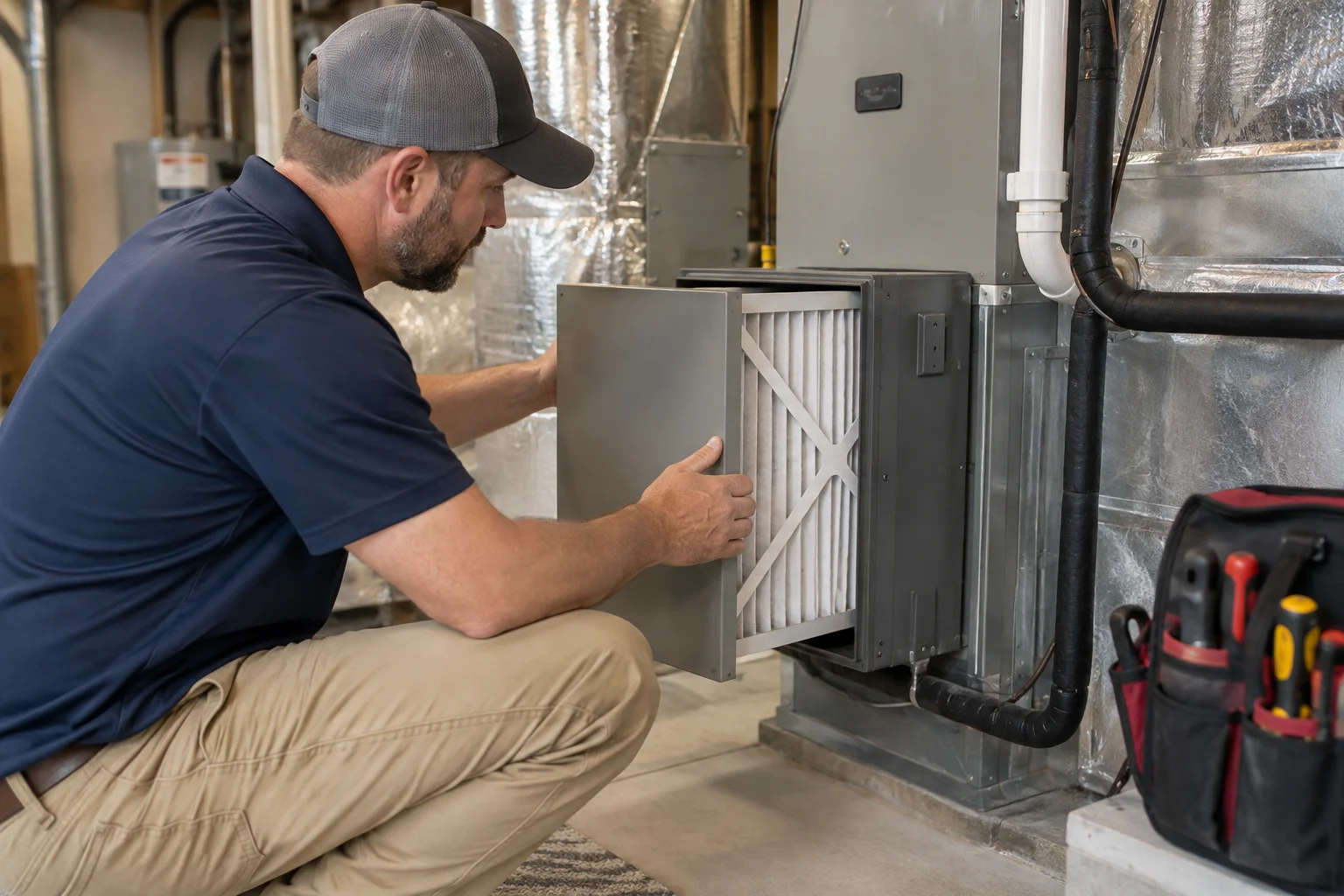
When filters, coils, or ductwork are dirty, the system has to work harder to move air. That can leave some rooms too warm, create uneven temperatures, and increase wear on the blower motor. In a commercial setting, poor airflow can mean unhappy customers, uncomfortable employees, and equipment that runs longer than necessary.
Humidity problems
In coastal Walton County, humidity control is just as important as temperature control. If a system is not removing moisture properly, indoor spaces can feel sticky even when the thermostat says the temperature is right. High humidity can also encourage mold growth and create odors that are especially noticeable in restaurants, offices, and shared buildings.
Drain and water issues
Condensate drains can clog with algae, dirt, and debris. When that happens, water may back up into the unit or leak into the building. That can damage ceilings, walls, flooring, and nearby equipment. If your property already deals with plumbing concerns, it is worth coordinating HVAC care with commercial plumbing services so drainage and water related issues are handled before they spread.
Electrical wear
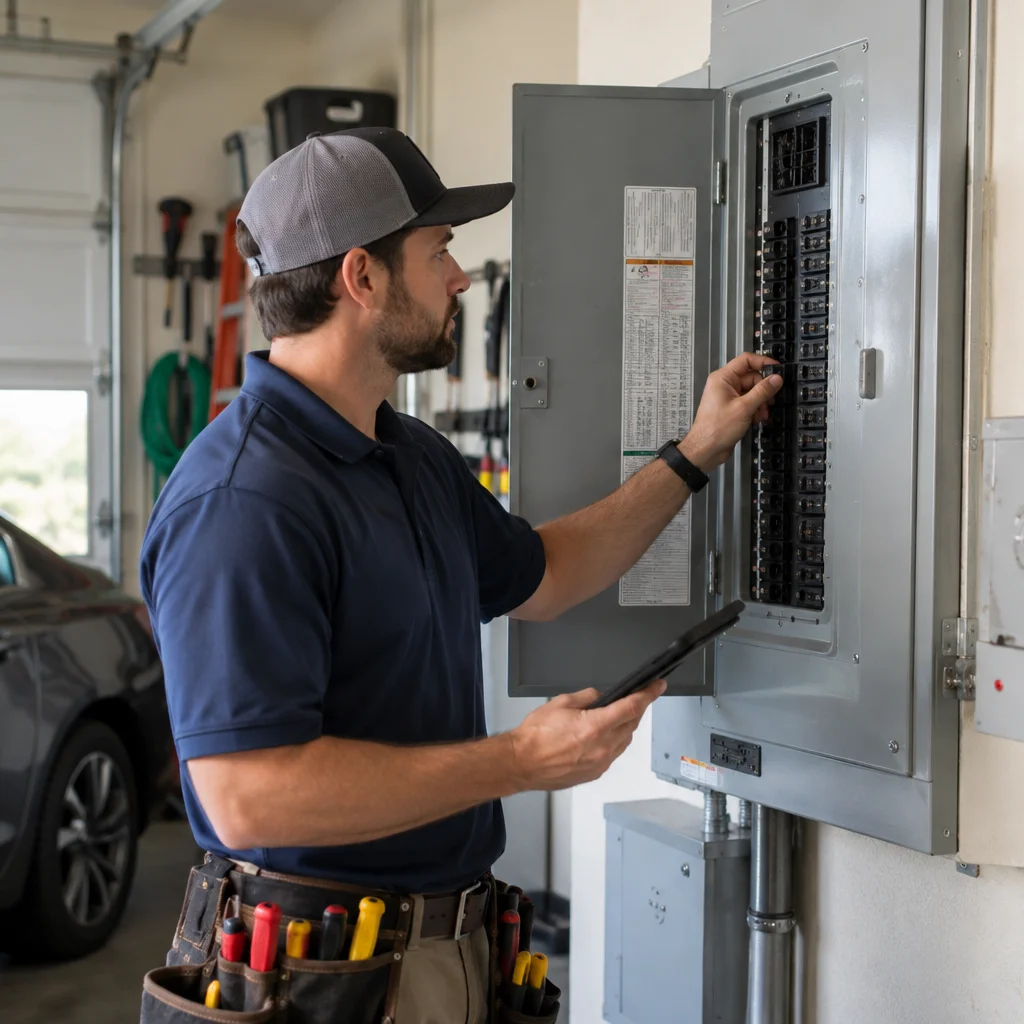
Heat, vibration, and moisture can loosen connections and stress electrical parts. Contactors, capacitors, and relays can fail without much warning. Maintenance checks help identify worn parts before they leave a building without cooling during peak hours.
Refrigerant issues
Low refrigerant does not just affect cooling performance. It can also point to a leak or another system problem. If refrigerant levels are off, the unit may run longer, cool less effectively, and put added strain on the compressor. That is one of the most expensive parts to replace, so early detection matters.
How maintenance helps prevent breakdowns
Commercial HVAC maintenance is not a one time fix. It is a routine process that keeps the system clean, calibrated, and ready for heavy use. In a place like 30A, that usually includes checking filters, cleaning coils, inspecting drain lines, testing controls, tightening electrical connections, checking refrigerant levels, and confirming that the system is cycling correctly.
These steps may sound simple, but they make a real difference. Clean coils transfer heat more efficiently. Clear drains reduce leak risk. Accurate controls help avoid short cycling. Tight electrical connections lower the chance of sudden failure. When these items are checked on a schedule, the system is less likely to surprise you with a costly repair.
For buildings that depend on steady cooling, maintenance also supports better planning. Instead of reacting to an emergency, owners can track wear, budget for parts, and address issues before they interrupt business operations. That is especially helpful for properties near busy stretches of Highway 30A where customer expectations are high and downtime is hard to absorb.
Local conditions that make service more important
30A is not like inland Florida. Salt air, sand, storms, and humidity all add stress to HVAC systems. Outdoor units near the coast can develop corrosion faster. Filters may load up more quickly in buildings with heavy foot traffic or frequent door openings. Storm season can also bring power fluctuations, moisture intrusion, and debris around outdoor equipment.
That is why working with a local team matters. A company that regularly services properties in 30A and across Walton County understands the pace of the area, the seasonal swings, and the conditions that affect commercial systems most. Local experience helps technicians spot the difference between normal wear and a problem that needs attention now.
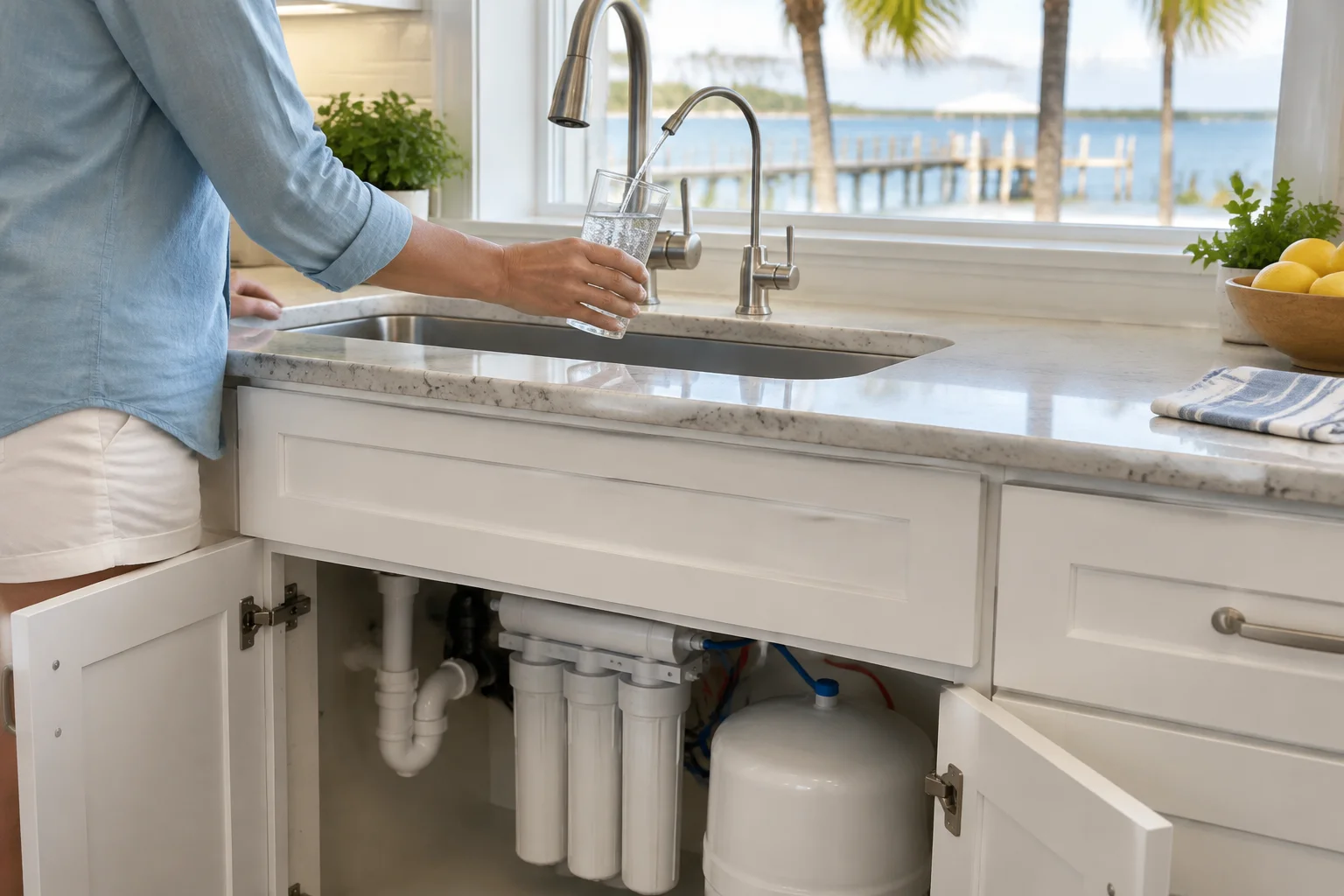
For some properties, maintenance also pairs well with other indoor air quality services. If dust, odors, or airflow issues are part of the complaint, duct cleaning may help reduce buildup that makes HVAC systems work harder. In buildings where water quality affects equipment or operations, water purification can also support cleaner, more reliable systems in the long run.
What homeowners and property managers should notice
Even if you are not a technician, there are a few warning signs that should not be ignored. Uneven temperatures from room to room, rising energy bills, musty odors, frequent thermostat adjustments, and louder than usual equipment can all point to a system that needs service. If the unit is short cycling, blowing weaker air, or struggling to keep up on hot afternoons, those are also signs the system is under stress.
In commercial spaces, the cost of ignoring these signs is often higher than the repair itself. A small issue can affect tenants, staff productivity, customer comfort, and even inventory or equipment inside the building. That is why it helps to address concerns early, especially before the hottest part of the season or before a busy stretch of visitors arrives.
How often commercial HVAC maintenance should happen
The right schedule depends on the system, the building, and how heavily the equipment is used. Many commercial properties in 30A benefit from maintenance at least twice a year, with additional checks for high demand spaces or buildings exposed to heavier coastal conditions. Restaurants, hospitality properties, and multi-unit buildings may need more frequent attention because they place more strain on the system.
A regular plan can also help with filter changes, seasonal tune ups, and early part replacement. If your property has older equipment or recurring comfort complaints, it may be time to review whether the current system still matches the building’s needs. In some cases, a maintenance visit can reveal that the issue is not the thermostat at all but the overall system setup. That is where commercial HVAC services can help with repairs, upgrades, or system improvements.
Why local expertise saves time and money
National service standards are useful, but local knowledge is what helps in 30A. A technician who understands coastal corrosion, seasonal occupancy, and the demands of commercial properties along the beach corridor can often diagnose issues faster and recommend more practical solutions. That can mean fewer repeat visits, less guesswork, and better long term performance.
Local service also helps with response times. When a system starts acting up during a busy week, waiting too long for help can lead to lost business and frustrated occupants. Having a maintenance partner nearby gives you a better chance of catching issues early and getting support before a minor problem becomes a full shutdown.
Building a maintenance routine that actually works
The best maintenance plan is the one that fits the property. A small office may need a simple seasonal schedule, while a larger commercial building may need more detailed inspections and documented service intervals. Either way, the goal is the same: keep the system clean, efficient, and reliable.
That usually means tracking service dates, noting recurring issues, replacing filters on schedule, and following up on anything that looks unusual. It also means paying attention to the building itself. If one area is always warmer, if humidity spikes after rain, or if certain rooms never seem to cool properly, those details help technicians narrow down the cause faster.
For business owners in 30A, the smartest approach is usually prevention. Regular maintenance costs far less than emergency repairs, lost comfort, or damaged equipment. It also helps extend the life of the system, which matters in a market where replacing commercial HVAC equipment is a major investment.
If your property is overdue for service or you want a maintenance plan built around the demands of the coast, A Superior Mechanical can help keep your equipment ready for the season ahead and the one after that.
Find Commercial HVAC Maintenance in 30A, FL
If you need Commercial HVAC Maintenance in 30A, FL, visit our local service page or contact A Superior Mechanical today.
Map of 30A, FL
Frequently Asked Questions
How often should commercial HVAC maintenance be scheduled in 30A, FL?
Most commercial properties in 30A benefit from maintenance at least twice a year. Buildings with heavy occupancy, coastal exposure, or high cooling demand may need more frequent service.
Why does coastal weather affect commercial HVAC systems so much?
Salt air, humidity, sand, and storm related moisture can speed up corrosion, clog drains, and stress electrical components. That makes regular inspections especially important near the coast.
Can maintenance really help reduce energy costs?
Yes. Clean coils, proper airflow, accurate controls, and healthy refrigerant levels all help a system run more efficiently. That can reduce wasted energy and lower monthly operating costs.
Related Articles
- Why 30A Homes Need Fast HVAC Help When Cooling Problems Can’t Wait
- Why duct sealing matters in 30A homes and how Aeroseal helps cut hidden HVAC losses
- Commercial HVAC Maintenance in Lynn Haven, FL: The Small Problems That Turn Into Big Disruptions
- Why Commercial HVAC Maintenance Matters More Than Ever for Year Round Comfort in Seagrove Beach, FL
Photo Gallery