Living along 30A has plenty of perks, but coastal conditions can be hard on plumbing. Between salt air, sandy soil, seasonal traffic, and the mix of older homes and newer vacation properties, waterlines in Walton County can face wear that is not always obvious at first. Small leaks underground often stay hidden until they start affecting water pressure, utility bills, landscaping, or even the foundation around a home.
That is why a little prevention goes a long way. Homeowners who stay alert to changes in water use and schedule routine plumbing checks can often avoid larger repairs later. If you are already noticing damp spots, low pressure, or unexplained spikes in your bill, it may be time to look into Waterline Repair in 30A, FL before the problem grows.
Why waterlines in 30A need extra attention
Homes along 30A deal with a coastal environment that puts plumbing under more stress than many inland properties. Salt in the air can accelerate corrosion on exposed parts of a system. Sandy or shifting soil can move around buried lines. Heavy rain, irrigation, and hurricane season can also change the ground conditions around a waterline, creating movement that eventually leads to cracks or joint failures.
In Walton County, many homeowners also manage second homes or rental properties that sit unused for parts of the year. A hidden leak in a vacant home can run for weeks before anyone notices. That is one reason local service matters. A plumber who works regularly in 30A understands the kinds of properties, soil conditions, and water demands common to the area, and can recommend repairs that fit the local environment.
Small warning signs that are easy to miss
Waterline problems do not always start with a dramatic burst pipe. More often, they begin with subtle changes that homeowners overlook. Paying attention to those early clues can save money and reduce damage.
Water pressure that keeps changing
If showers feel weaker than usual or faucets seem to lose pressure at random, a waterline leak may be part of the issue. Pressure changes can also point to buildup, valve trouble, or a partial break in the line.
Unexpected increases in the water bill
A bill that climbs without a clear reason is one of the most common clues. Even a small underground leak can waste a surprising amount of water over time. If the usage pattern does not match your household habits, it is worth investigating.
Wet spots or greener patches in the yard
On a coastal property, a leak may show up as a patch of grass that stays greener than the rest of the lawn, a soggy area in the yard, or soft soil near the path of the line. In some cases, the ground may settle or sink slightly over the affected area.
Discolored or cloudy water
If water looks rusty, cloudy, or carries sediment, the issue may not be the waterline itself, but it can still signal trouble in the system. Homes that rely on older plumbing or have mineral-heavy water can benefit from a whole-home look at plumbing health, especially if the property would also benefit from Water Filtration Services.
What usually causes waterline problems in this part of Walton County
Most waterline issues come down to a few repeat offenders. Knowing them helps homeowners make smarter maintenance choices.
Corrosion and age
Older pipes can corrode from the inside out, especially in properties that have been exposed to moisture, mineral buildup, or long periods of service. Once corrosion begins, the line becomes more vulnerable to pinhole leaks and cracks.
Ground movement
Soil in coastal areas does not always stay put. Heavy rain, erosion, seasonal changes, and construction nearby can shift the ground around buried lines. Over time, that movement can stress fittings and joints.
Tree roots
Roots naturally seek out moisture. If they find a weak point in a buried waterline, they can create pressure or force their way into the pipe. Even a small root intrusion can lead to recurring leaks.
High water pressure
Water pressure that is too high may feel great at the showerhead, but it can strain pipes and fixtures. Over time, excess pressure can shorten the life of a waterline and increase the chance of leaks.
Coastal wear and tear
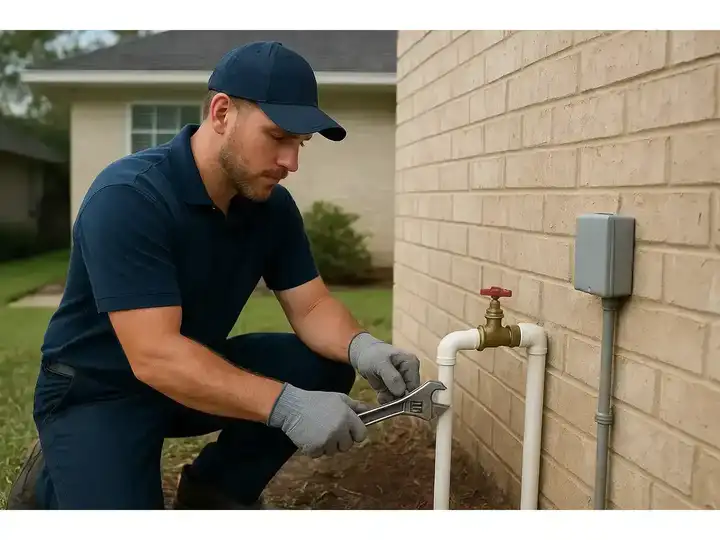
Salt air does not just affect outdoor equipment. It can also contribute to faster deterioration of exposed plumbing components, especially around meter connections, hose bibs, and other vulnerable points near the home.
Maintenance habits that help homeowners stay ahead of repairs
Routine care will not prevent every plumbing issue, but it can reduce the odds of a major surprise. These habits are practical for full-time residents and vacation homeowners alike.
Watch your water bill and usage patterns
Compare each month’s bill to the same period last year, if possible. A steady increase without a change in household size or water habits can point to a hidden leak. If a vacation rental is occupied seasonally, track usage during similar booking periods so you can spot unusual patterns.
Inspect exposed plumbing regularly
Check visible pipes, hose connections, and shutoff valves for moisture, corrosion, or staining. While the main waterline is usually underground, visible signs near the home can provide early warning.
Pay attention after storms
After heavy rain or a tropical system, walk the property and look for standing water, shifting soil, or new low spots. Coastal weather can reveal a weak point in a buried line that was already under stress.
Protect the yard and irrigation areas
When digging for landscaping or irrigation work, make sure buried utilities are marked first. Accidental damage during yard projects is a common cause of waterline repair calls. It is also wise to keep large trees and aggressive root systems in mind when planning new plantings.
Schedule plumbing checks before peak season
For owners who rent or visit seasonally, a pre-season inspection can catch issues before guests arrive. That is especially useful in 30A, where busy months can make emergency plumbing problems more disruptive and expensive.
How local repairs can reduce long-term costs
Fixing a waterline early usually costs less than waiting for a larger failure. A small leak can waste water, erode soil, damage landscaping, and create pressure problems throughout the plumbing system. In some cases, it can also affect nearby structures if the leak goes unnoticed long enough.
Professional diagnostics help narrow down the issue without unnecessary digging. That matters on coastal properties where preserving landscaping, driveways, and hardscaping is part of protecting the home’s value. A local plumber can determine whether the problem needs a targeted repair, a section replacement, or a broader plumbing assessment.
If the home also struggles with uneven temperatures or humidity-related comfort issues, it may be worth looking at other systems too. Homeowners in the area often pair plumbing maintenance with services like Heating Services, Duct Sealing & Aeroseal Services, or VRF Multi-Zone Systems to keep the whole property running efficiently.
Why local service matters for 30A homes
Waterline repair is not the same everywhere. In 30A, the mix of beach homes, rental properties, and year-round residences creates different demands than a typical inland neighborhood. A plumber familiar with Walton County knows how to work around coastal soil, how to plan for moisture exposure, and how to recommend repair materials that hold up over time.
Local service also helps with response time. If a waterline problem starts affecting a home’s water supply, fast diagnostics can make a major difference. That is especially important for owners managing guests, rental turnovers, or multiple properties across the county. For broader plumbing concerns that affect the home’s ability to handle water intrusion, it can help to read Protecting 30A Homes From Costly Water Damage Starts With Better Plumbing Repair.
When a professional inspection makes sense
Some maintenance tasks are easy for homeowners to handle, but waterline issues often need professional tools and experience. If you notice low pressure, unexplained moisture, recurring puddles, or a water bill that does not make sense, it is time to bring in a plumber. The same is true if your home has older piping, a history of leaks, or a property layout that makes buried lines hard to access.
Professional leak detection can identify the source without guesswork. From there, a plumber can recommend the most practical repair for the property and the soil conditions around it. That may be a focused repair at a damaged section or a more durable replacement if the line has reached the end of its useful life.
For homeowners who want a better picture of how clean water and plumbing performance work together, A Practical Look at Clean Water Systems for Better Home Performance in 30A, FL offers useful context. And for businesses or rental operators managing multiple units, Keeping 30A Properties Dry, Efficient, and Ready for Guests With Smarter Commercial Plumbing Maintenance covers the value of staying proactive.
Simple steps that make a difference year-round
Homeowners do not need to overhaul their plumbing routine to stay ahead of waterline trouble. A few consistent habits can make a real difference:
Check the water bill each month.
Walk the yard after storms.
Keep an eye on pressure changes.
Protect buried lines during landscaping work.
Schedule routine inspections before peak rental or travel seasons.
Those small steps are often enough to catch a problem before it becomes a costly emergency. If a leak is suspected, or if your property needs a more durable fix, Walton County homeowners can rely on local plumbing help that understands the realities of coastal living.
A Superior Mechanical provides professional waterline repair in 30A, FL for homes, vacation rentals, and commercial properties across Walton County. With the right maintenance habits and a local plumber you can call when something changes, it is much easier to protect your property, your water supply, and your budget.
Find Waterline Repair in 30A, FL
If you need Waterline Repair in 30A, FL, visit our local service page or contact A Superior Mechanical today.
Map of 30A, FL
Frequently Asked Questions
How do I know if I need waterline repair in 30A, FL?
Common clues include low water pressure, wet spots in the yard, higher water bills, or discolored water. If these changes happen without a clear reason, a professional inspection is a smart next step.
Why do coastal homes in 30A have more waterline issues?
Salt air, sandy soil, heavy rain, and shifting ground can all put extra stress on buried plumbing. Vacation homes that sit empty for part of the year can also hide leaks longer than occupied homes.
Can a small underground leak really raise my water bill that much?
Yes. Even a slow leak can waste a large amount of water over time. The longer it goes unnoticed, the more it can affect your bill and the surrounding soil.
Should I repair or replace a damaged waterline?
It depends on the age of the line, the location of the damage, and how often problems have happened before. A plumber can inspect the system and recommend the most cost-effective option for the property.
Related Articles
- Protecting 30A Homes From Costly Water Damage Starts With Better Plumbing Repair
- Keeping 30A Properties Dry, Efficient, and Ready for Guests With Smarter Commercial Plumbing Maintenance
- Ductwork Services in 30A, FL: Common Problems and Solutions
- A Practical Look at Clean Water Systems for Better Home Performance in 30A, FL
Photo Gallery