In Callaway, air conditioners do not get much of a break. Between the Gulf Coast humidity, long cooling seasons, and sudden summer storms, local systems spend most of the year running hard. That kind of workload makes routine air conditioning inspection in Callaway, FL one of the most practical ways to reduce surprise breakdowns and keep a home comfortable.
For homeowners in Bay County, preventive care matters because small issues can turn into expensive repairs fast. A loose electrical connection, a dirty coil, or a clogged drain line may not seem urgent today, but each one can strain the system and shorten its life. A detailed inspection helps catch those problems before the hottest week of the year does it for you.
If you live in Callaway or anywhere nearby in Bay County, it helps to understand what an inspection should cover, what warning signs to watch for, and how local conditions affect your cooling equipment. That knowledge can save money, reduce stress, and keep your system ready for the months when it matters most.
Why Callaway air conditioners need extra attention
Callaway’s climate puts more pressure on HVAC systems than many homeowners realize. Hot temperatures are only part of the story. Humidity makes the air feel heavier, which means the system has to remove moisture while also cooling the home. That extra work can lead to longer run times, more wear on parts, and more opportunities for something to go wrong.
Homes in Callaway also see a mix of housing styles, from older properties to newer builds and rental homes. Older systems may have aging components, while newer homes can still struggle with airflow, duct sealing, or drainage issues. In either case, an inspection helps identify the weak points before they become a no-cool call.
Storm season adds another layer. Power interruptions, lightning, and wind-driven debris can affect outdoor units and electrical parts. Even if the system keeps running after a storm, a professional inspection can uncover damage that is not obvious right away.
What a thorough inspection should include
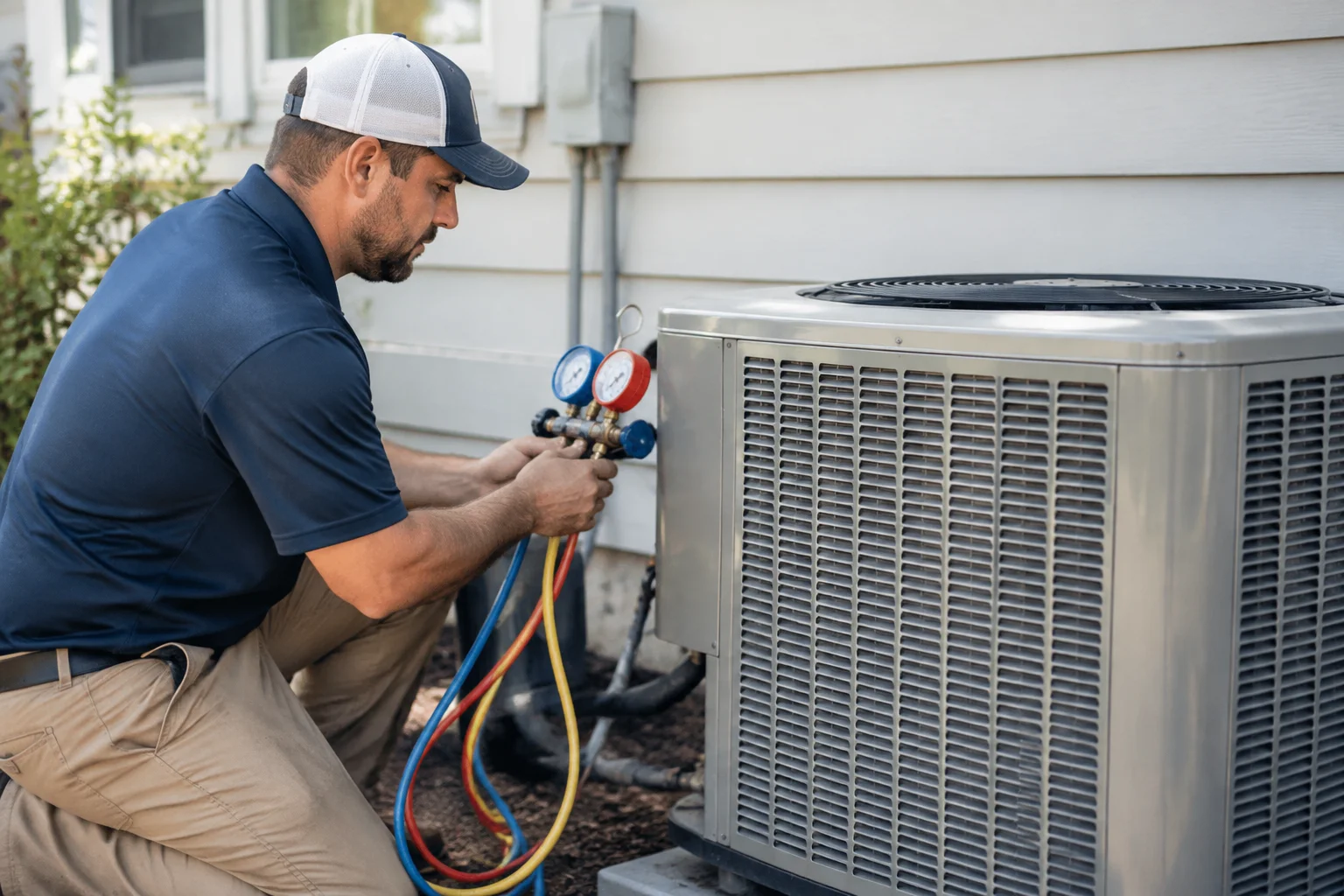
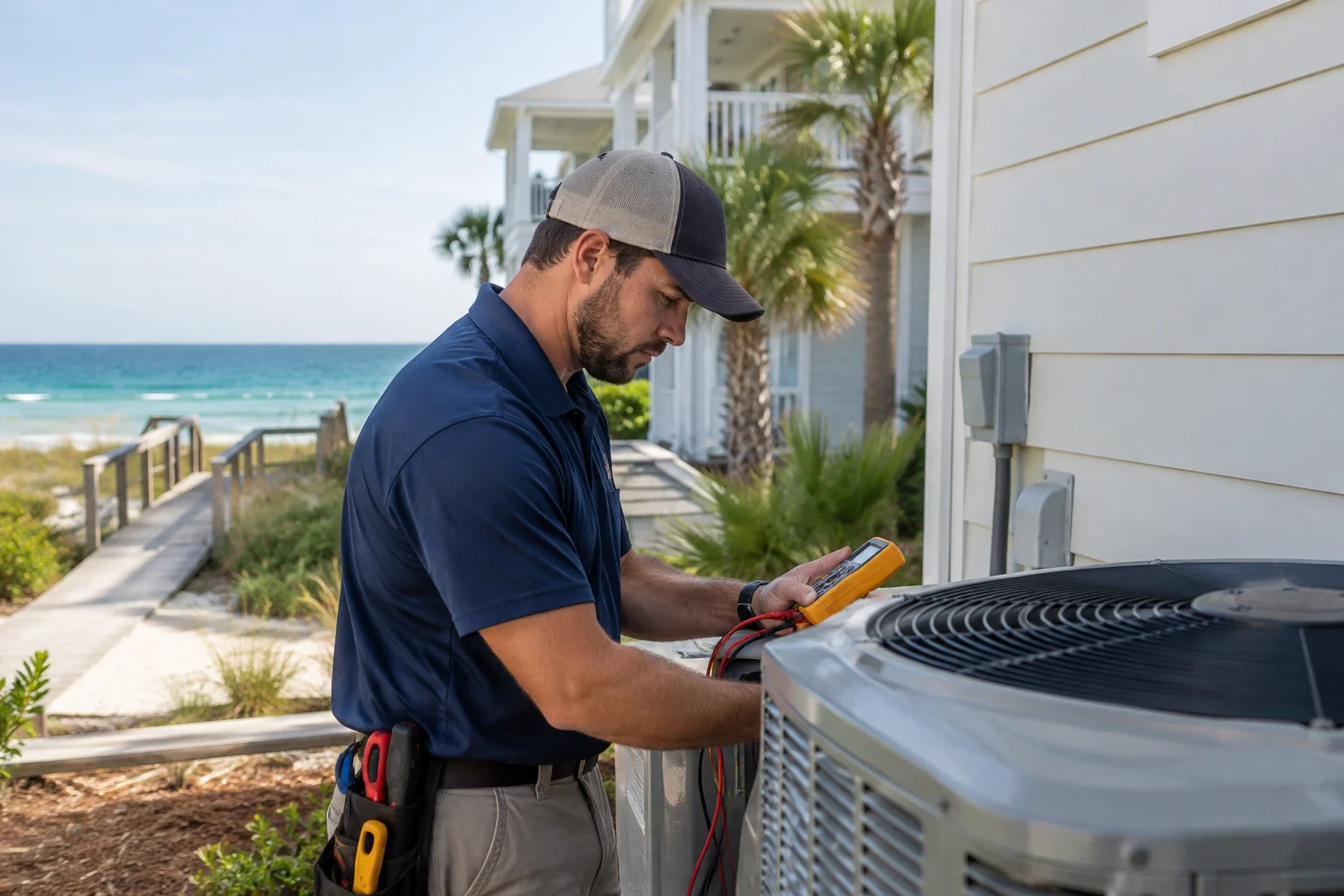
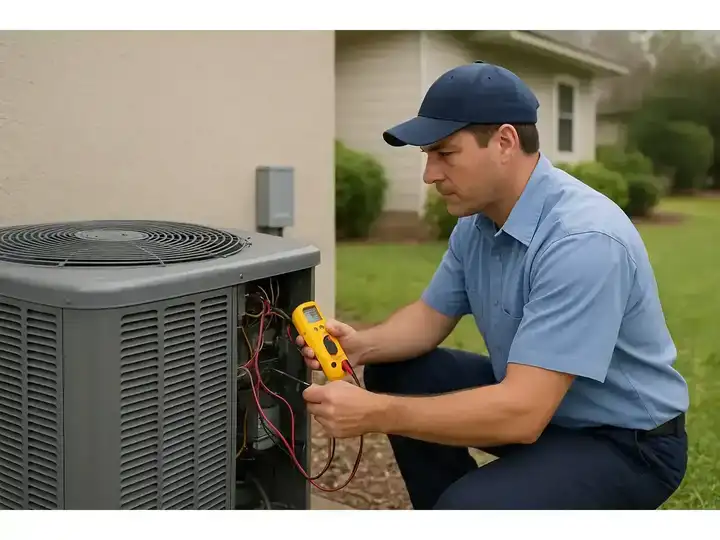
A quality air conditioning inspection is more than a quick look at the thermostat. It should evaluate the parts of the system that affect comfort, safety, and efficiency. At A Superior Mechanical, a detailed inspection in Callaway typically includes cooling performance, airflow, electrical components, refrigerant levels, coils, and drainage.
Cooling performance and thermostat response
The system should be able to reach the set temperature without running constantly. If it takes too long to cool the house or cycles on and off too often, there may be a deeper issue with the compressor, refrigerant charge, thermostat calibration, or airflow.
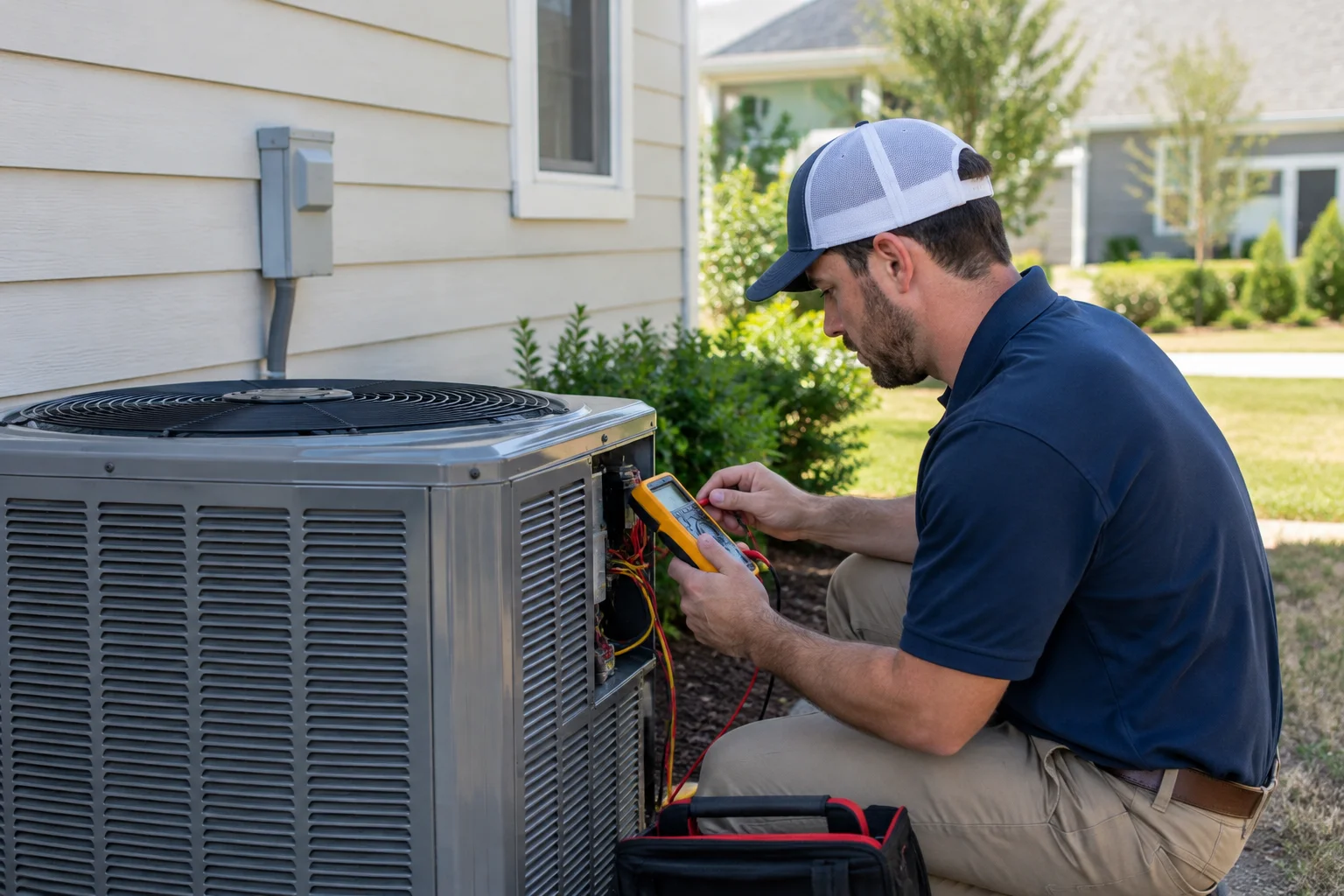
Electrical connections and controls
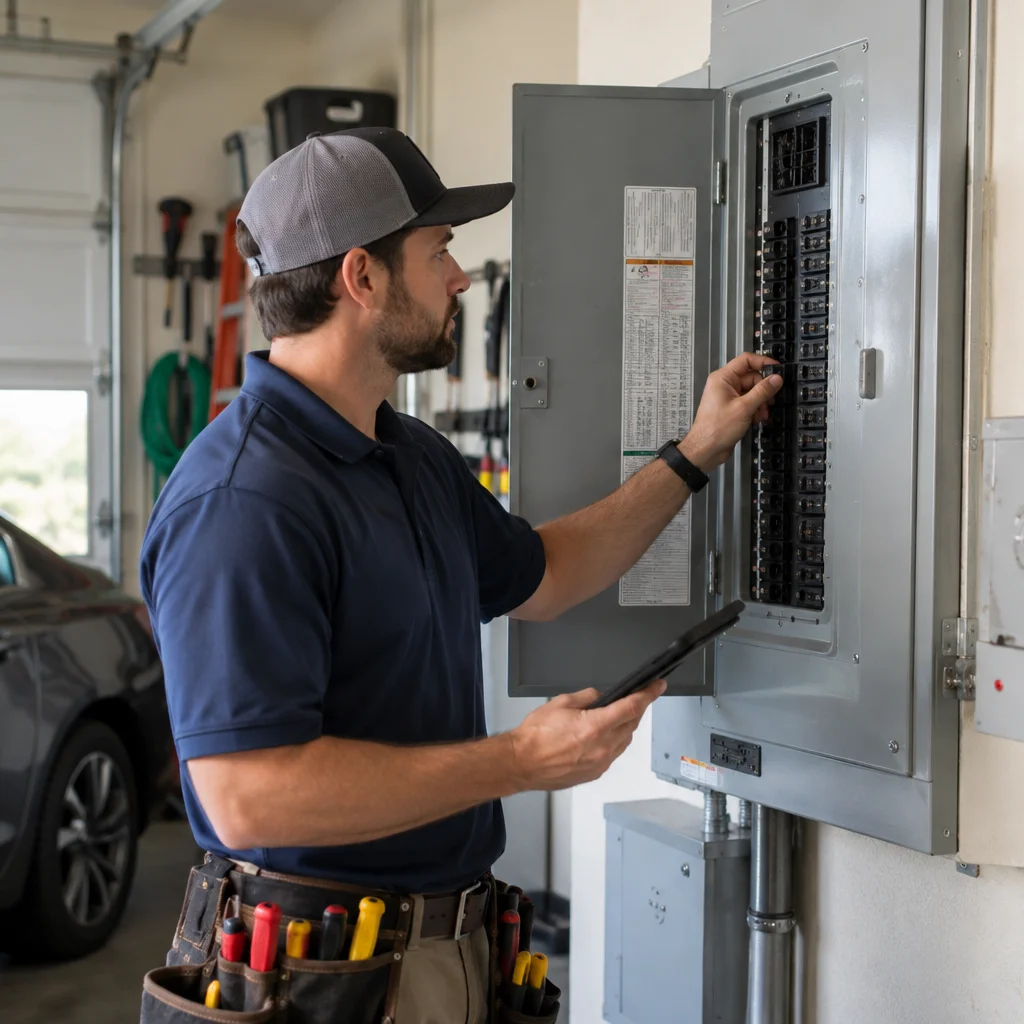
Loose wiring, worn contactors, or failing capacitors are common causes of breakdowns. These parts often show early signs of wear during an inspection, which gives homeowners a chance to fix them before they fail completely.
Refrigerant levels and pressure
Low refrigerant can reduce cooling capacity and make the system work harder than it should. It can also point to a leak, which should be addressed quickly. Simply adding refrigerant without finding the cause can lead to repeated problems.
Coils and airflow
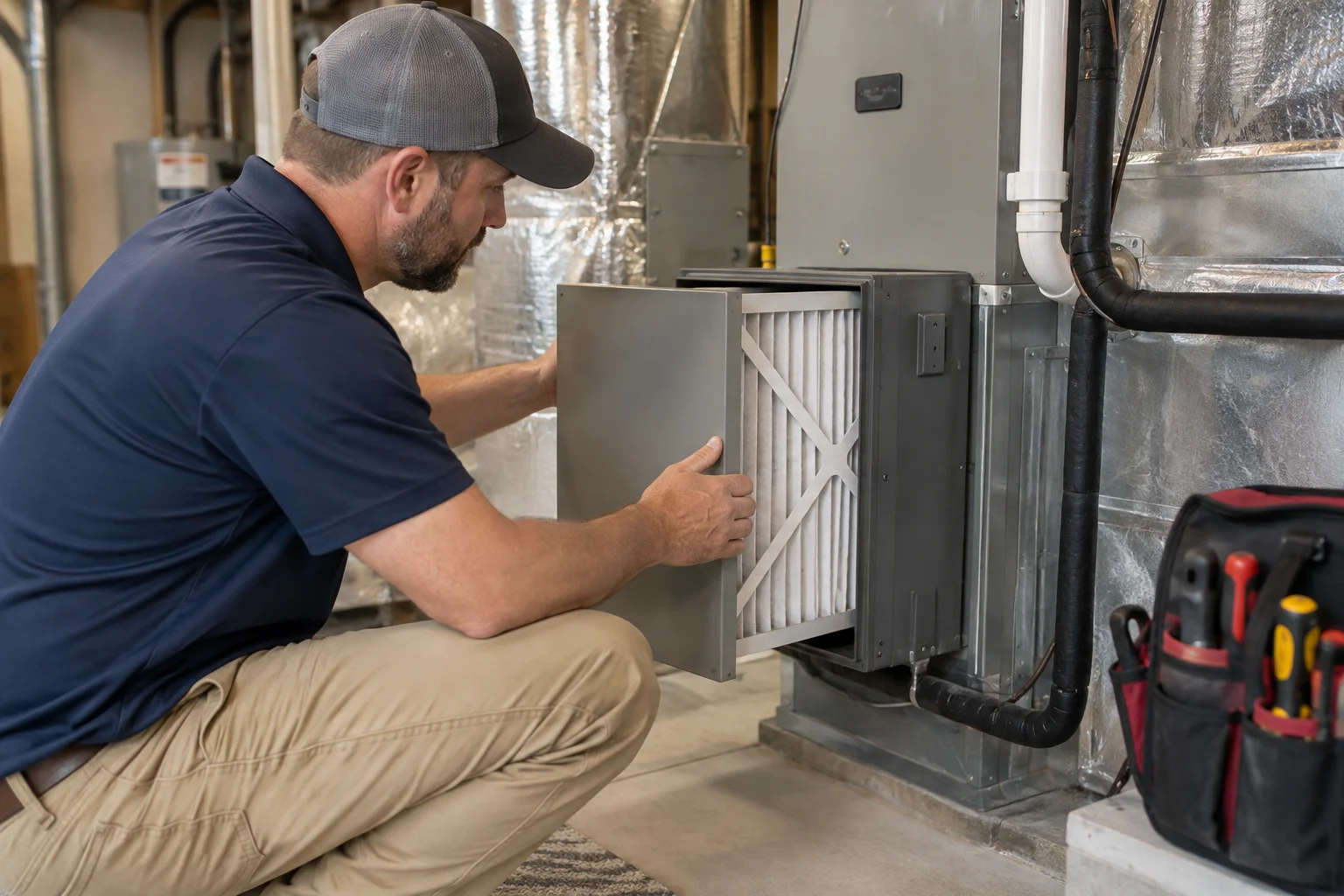
Dirty evaporator or condenser coils reduce heat transfer and make the unit less efficient. Restricted airflow from clogged filters, blocked vents, or duct issues can also make a system struggle. If the home feels unevenly cooled, airflow should be part of the inspection conversation.
Drainage and moisture control
In a humid place like Callaway, drain lines matter. A clogged condensate drain can cause water damage, mold growth, or shutdowns if the safety switch trips. That is one of the most preventable problems homeowners face.
Small warning signs that are easy to overlook
Many cooling issues begin with subtle changes. Homeowners often ignore them because the system still turns on, but those changes usually mean a repair is coming soon. Watch for rooms that cool unevenly, weak airflow from vents, unusual smells near the air handler, and higher utility bills without a clear reason.
Short cycling is another red flag. If the unit starts and stops frequently, it may be oversized, low on refrigerant, dirty, or having electrical trouble. In Callaway’s heat, short cycling can wear out parts quickly because the system never gets into a steady operating rhythm.
Moisture around the indoor unit, ice on the refrigerant line, or a breaker that trips more than once should also prompt a closer look. These are not problems to ignore until the next season. They often get worse during the hottest part of the year when the system is under the most stress.
How inspections help lower repair costs over time
Preventive inspections are useful because they help homeowners fix issues while they are still manageable. Replacing a worn capacitor or clearing a drain line is far less disruptive than replacing a compressor or dealing with water damage from a backed-up pan. That is especially true in Bay County, where cooling systems work harder and longer than in milder climates.
Routine inspections can also improve efficiency. A system that is clean, properly charged, and moving air the way it should usually uses less energy to cool the home. Over time, that can help reduce monthly bills and extend the life of the equipment.
For homeowners managing multiple properties or rental homes, inspections can also create a record of system condition. That is useful when planning repairs, budgeting for replacements, or deciding whether a home needs additional improvements such as duct cleaning to improve airflow.
Why local service matters in Callaway
Local HVAC service matters because the problems that affect systems in Callaway are not always the same as the ones in drier or cooler parts of the country. A technician who works in Bay County understands how humidity affects drain lines, how storm season can impact outdoor units, and how quickly a small cooling issue can become a comfort problem when temperatures climb.
That local experience is useful for homeowners in neighborhoods near Panama City, Tyndall, and the surrounding parts of Callaway. It also matters when scheduling service around busy seasons, rentals, and family routines. A local company can often spot patterns that come from the area itself, not just from the equipment.
If you are comparing service options, start with a provider that offers dedicated air conditioning inspection in Callaway, FL and understands the needs of nearby homes and businesses. You can also learn more about the area and service coverage on the Callaway service page.
Simple habits that help your system last longer
Homeowners can do a few things between professional inspections to keep the system in better shape. Replace filters on schedule, keep supply and return vents clear, and make sure the outdoor unit has space around it for airflow. Trim back plants, remove leaves, and rinse away loose debris from around the condenser if needed, while avoiding anything that could bend the fins.
It also helps to pay attention to how the system sounds and feels. A new rattle, a buzzing sound, or a sudden change in airflow is often the first clue that something needs attention. Catching those changes early can prevent a larger repair later.
If your home has persistent dust, uneven cooling, or musty air, the issue may not be limited to the AC unit itself. In some homes, airflow and indoor air quality improve when the ductwork is cleaned, and that can make a big difference during long cooling seasons.
When inspection should lead to repair or replacement planning
Not every problem can be solved with a tune-up. If the system is older, requires frequent repairs, or struggles to keep up even after basic service, it may be time to look at the bigger picture. Repeated compressor issues, major refrigerant leaks, or failing electrical parts can add up quickly.
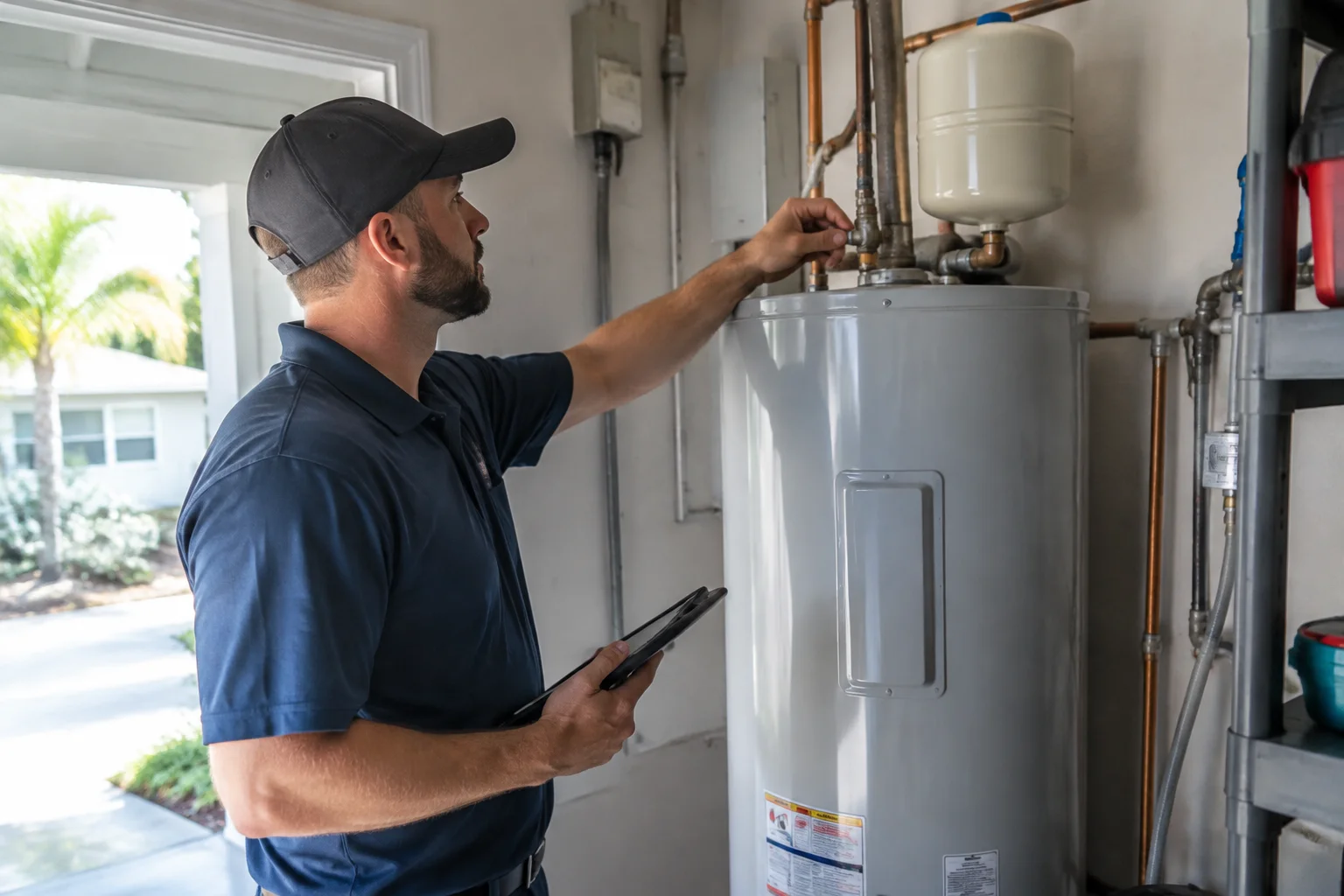
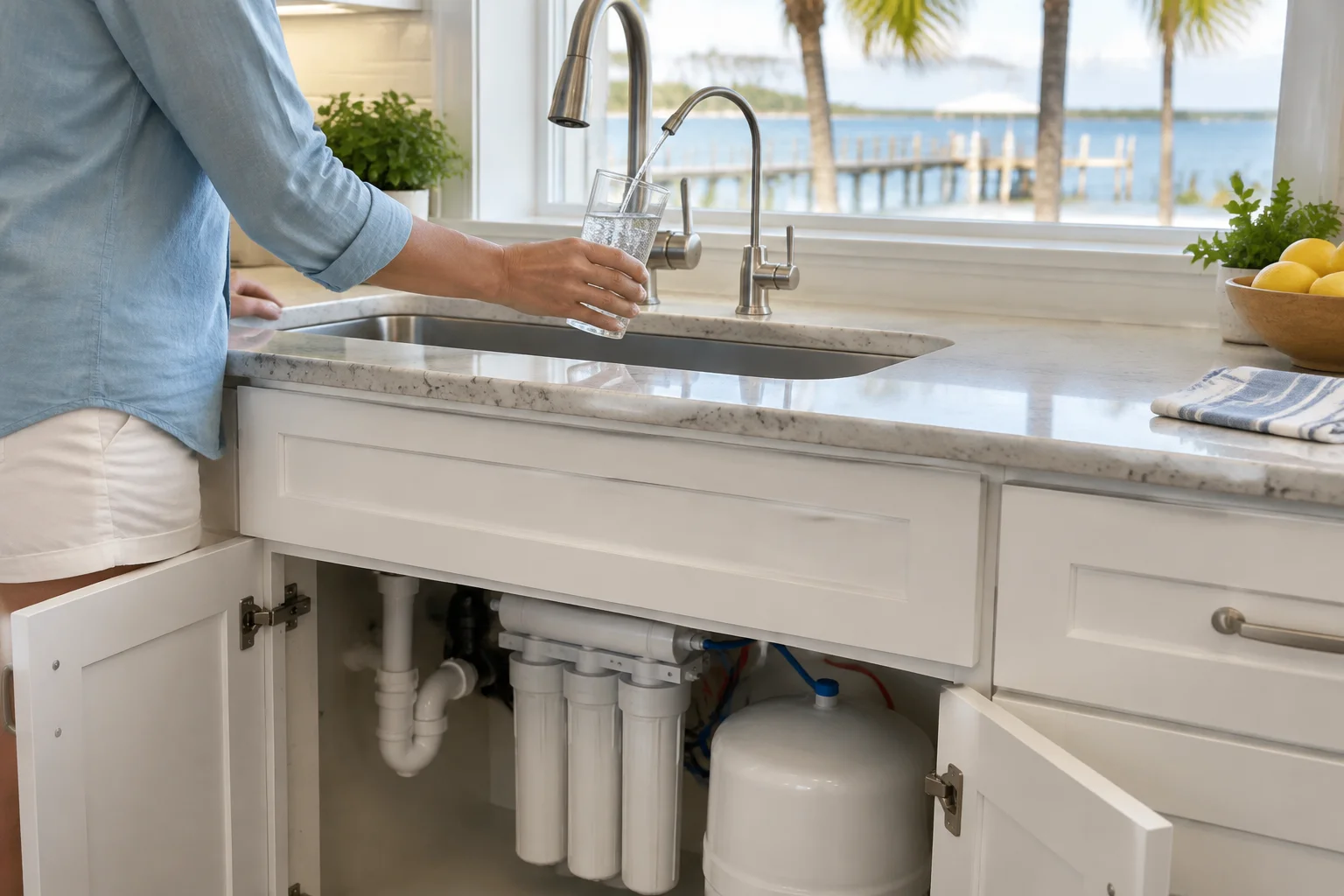
For some homeowners, the inspection is also a good time to discuss other plumbing and mechanical needs around the home. A property with aging systems may benefit from planning ahead on items like plumbing fixture replacement, water heater installation, or even waterline replacement if the home has broader maintenance concerns. Keeping the major systems in good shape can reduce emergency calls later.
For commercial property owners and managers, the same principle applies. A small issue in a cooling system can affect tenants, customers, and operations quickly. That is one reason many local owners also read about keeping small HVAC issues small in Callaway’s commercial spaces and how property management HVAC systems in Callaway change over time and what to watch for before comfort slips.
A practical inspection schedule for Bay County homes
For most homes in Callaway, an annual inspection is a smart baseline, and twice a year can be even better for older systems or homes that run the AC heavily. Spring is a good time to prepare before peak heat arrives. Late summer or early fall can help catch wear after the system has gone through the toughest part of the season.
If the home has pets, high humidity, recent remodeling dust, or a history of drainage problems, more frequent checks may be worth it. The goal is not to inspect for the sake of it. The goal is to catch the issues that are most likely to cause breakdowns in this climate.
That same preventive mindset applies to other home systems too. Homeowners who stay ahead on maintenance often have fewer surprises and better long-term budgeting. For anyone looking to make preventive repairs easier to manage, keeping Callaway plumbing reliable with financing that makes preventive repairs easier is a useful read as well.
Getting ahead of breakdowns before the heat settles in
In a place like Callaway, a dependable air conditioner is not a luxury. It is part of daily comfort, sleep, and indoor air quality. A detailed inspection gives homeowners a chance to correct small problems before they become uncomfortable, expensive, or disruptive.
A Superior Mechanical helps Bay County homeowners stay ready for the Florida heat with professional inspection service that looks beyond the surface. If your system has been running harder than usual, cooling unevenly, or making you wonder how much longer it can hold up, scheduling an inspection is a practical next step.
For local homeowners who want fewer surprises and more reliable cooling, a well-timed inspection can make the difference between a smooth season and an emergency repair call.
Find Air Conditioning Inspection in Callaway, FL
If you need Air Conditioning Inspection in Callaway, FL, visit our local service page or contact A Superior Mechanical today.
Map of Callaway, FL
Frequently Asked Questions
How often should I schedule an air conditioning inspection in Callaway, FL?
Most homeowners should plan on at least one inspection each year. In Callaway’s hot, humid climate, twice a year can be helpful for older systems, homes with heavy AC use, or units that have had past repair issues.
What problems does an AC inspection usually catch?
An inspection can uncover dirty coils, low refrigerant, electrical wear, clogged drain lines, weak airflow, thermostat issues, and early signs of equipment failure. Finding those problems early can help prevent larger breakdowns.
Why is local HVAC service important in Bay County, FL?
Local technicians understand how humidity, storm season, and long cooling cycles affect systems in this area. That experience helps them spot common issues faster and recommend solutions that fit Callaway homes and weather conditions.
Can an inspection help lower my energy bills?
Yes. A system that is clean, properly adjusted, and moving air correctly usually runs more efficiently. That can reduce strain on the equipment and may help lower monthly cooling costs.
Related Articles
- How Property Management HVAC Systems in Callaway Change Over Time and What to Watch for Before Comfort Slips
- Keeping Small HVAC Issues Small in Callaway’s Commercial Spaces
- Sewer Repair and Maintenance in Callaway, FL: Common Problems and Solutions
- Keeping Callaway Plumbing Reliable With Financing That Makes Preventive Repairs Easier
Photo Gallery