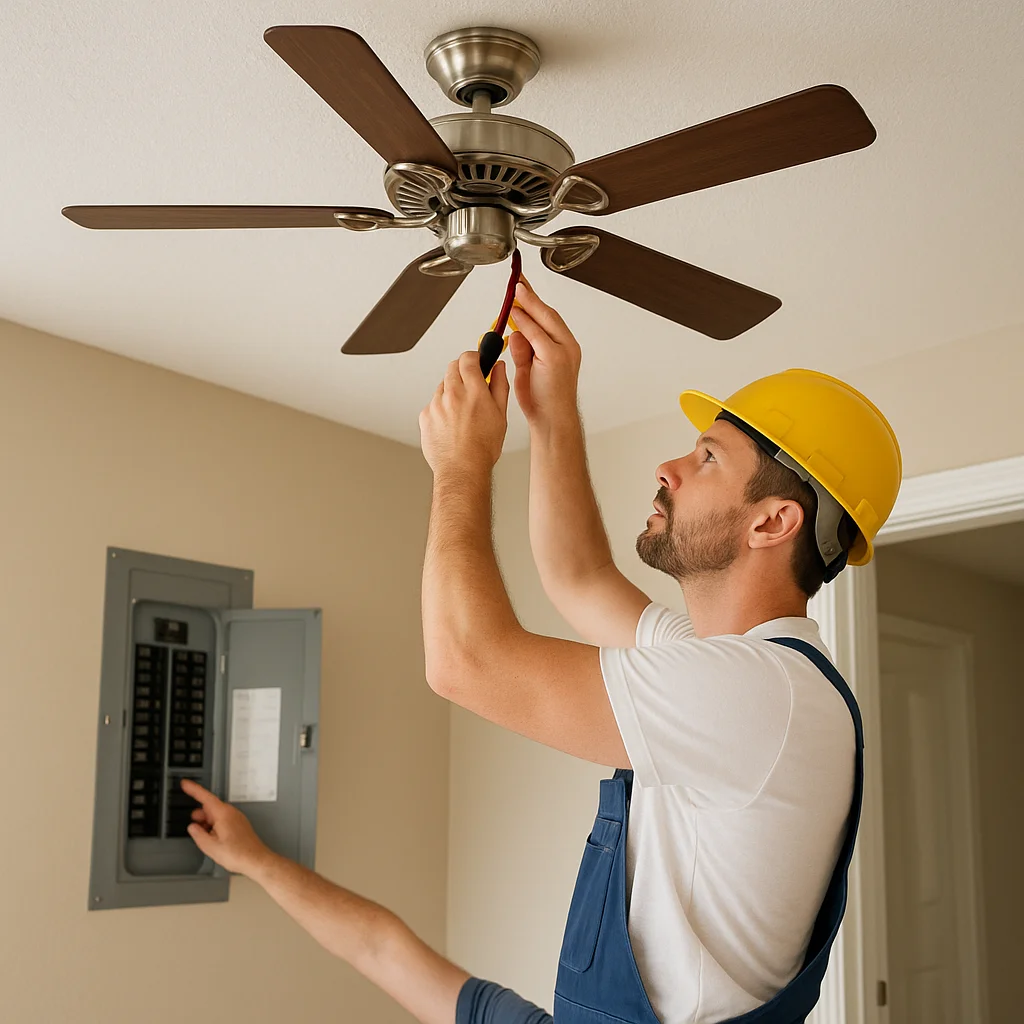
In Lower Grand Lagoon, ceiling fans do more than move air. They help homes feel lighter in humid weather, reduce strain on cooling systems, and make porches, bedrooms, and living rooms more comfortable year round. But a ceiling fan only works well when the wiring, switch, box, and circuit behind it are set up correctly.
That matters even more in a coastal area like Bay County, where salt air, storms, moisture, and older electrical systems can all affect performance. A fan that wobbles, hums, trips a breaker, or flickers with the lights may be pointing to a bigger electrical issue. For homeowners looking for dependable local help, A Superior Mechanical provides ceiling fan service in Lower Grand Lagoon with installation, replacement, repair, and wiring support that fits the needs of local homes and rentals.
Why ceiling fan safety starts with the electrical system
Many fan problems are really electrical problems. A fan that was installed on a standard ceiling box instead of a fan rated box can loosen over time. A switch that was not matched to the fan can cause noise, speed issues, or overheating. And if the circuit is already carrying too much load, the fan may be the last device that pushes it into trouble.
In Lower Grand Lagoon, this comes up often in older homes, remodels, and additions where wiring was updated in stages. A fan may be added to a room without checking whether the ceiling box is secured to framing, whether the circuit has enough capacity, or whether the switch leg was wired correctly. That is why local electrical service matters. A fan installation should be treated like part of the home’s electrical system, not just a fixture swap.
What homeowners should watch for with ceiling fans
Some warning signs are easy to spot. A fan that shakes, clicks, or wobbles may have loose mounting hardware, but it can also have a damaged box or unbalanced blades. A fan that responds slowly to the switch, only works on certain speeds, or causes the lights to flicker may be tied to a worn switch, loose connection, or overloaded circuit.
Burning smells, warm switch plates, buzzing from the ceiling, or repeated breaker trips should be taken seriously. If a fan shares a circuit with several lights or outlets and the breaker trips when the fan starts, that can point to a breaker issue or a wiring problem deeper in the branch circuit. Homeowners searching for emergency electrical services should not ignore these signs, especially after a storm or power surge.
Humidity can also affect fan performance. Coastal moisture can corrode connections, especially in rooms with poor ventilation or in homes near the water. If a fan works fine in winter but becomes noisy or inconsistent during the warmer, wetter months, a local inspection may reveal corrosion, loose splices, or aging components.
Proper installation makes a big difference
A ceiling fan needs more than a hole in the ceiling and a power source. It needs a fan rated electrical box, secure mounting, correct wiring, and the right control setup. If the fan includes a light kit, remote control, or wall control, those parts need to be compatible with the fan motor and the circuit.
In homes with higher ceilings, vaulted ceilings, or covered outdoor spaces, installation details matter even more. The downrod length, blade clearance, and support method all affect safety and airflow. In vacation rentals and second homes, a well installed fan also means fewer service calls and less wear from frequent use.
For homeowners comparing options, ceiling fan work often overlaps with indoor lighting, switch upgrades, and wiring corrections. That is especially true when a room is being remodeled or when an older fan is being replaced with a newer model that draws power differently.
Common installation mistakes that create problems later
One of the most common mistakes is using a standard light fixture box for a fan. Another is tying the fan into an overloaded circuit that already serves multiple outlets and fixtures. Some homes also have old switch wiring that was never intended for a fan with a light kit or smart control.
Another issue is poor grounding. If the fan is not properly grounded, or if the circuit has aging connections, the homeowner may notice intermittent operation, static in the control, or unusual behavior after storms. In coastal Florida, grounding and bonding should be checked carefully as part of any ceiling fan replacement or electrical inspection.
Storms, surge events, and coastal wear in Lower Grand Lagoon
Lower Grand Lagoon homes deal with weather that can be hard on electrical systems. Summer storms, lightning, and utility surges can damage fan controls, wall switches, and connected lighting. Even if the fan still turns on, a surge may weaken the motor or damage the remote receiver inside the canopy.
That is one reason surge protection is worth discussing with a local electrician. A whole home surge protector can help protect ceiling fans, televisions, appliances, and sensitive electronics from sudden voltage spikes. For homes near the water or in storm prone areas, this is often a practical part of broader electrical maintenance.
Fans in outdoor living spaces or screened porches may need extra attention as well. Moisture rated fixtures, proper wiring methods, and corrosion resistant components can help them last longer. If the home also has landscape lighting, pool equipment, or outdoor receptacles, it is smart to have the entire electrical setup reviewed together. Our article on outdoor landscape lighting and the electrical clues Lower Grand Lagoon homeowners should not ignore covers some of the same storm related concerns.
When a ceiling fan points to a larger electrical issue
Sometimes the fan is not the real problem. A tripping breaker, dimming lights, or a dead switch can point to a worn panel, loose neutral, or failing branch circuit. Homeowners searching for electrical replacement or smart panels may be dealing with a system that no longer fits the home’s power demand.
This comes up in remodels and additions, especially when a new bedroom, sunroom, or garage conversion adds more lighting and fan loads. A homeowner might start with a ceiling fan issue and discover the circuit also serves outlets, smoke detectors, or a bathroom light. That is where a careful inspection helps identify whether the fix is a simple repair, a breaker replacement, or a panel upgrade.
For homeowners searching for local electrical service in Lower Grand Lagoon, it is worth asking whether the fan issue could be part of a broader system concern. A small symptom can reveal loose wiring, outdated devices, or an overloaded panel.
Ceiling fans, outlets, switches, and the rest of the room
Fan performance is often connected to the rest of the room’s electrical layout. A worn wall switch can mimic a fan problem. A loose outlet on the same circuit can signal aging wiring. And if the room has multiple loads sharing one breaker, the fan may be competing with lighting, a television, or a space heater.
That is why homeowners who search for keeping outlets and switches reliable in Lower Grand Lagoon homes often end up needing a broader electrical repair plan. If the circuit is struggling, a dedicated circuit or sub panel installation may be the best long term answer, especially in homes with additions, workshops, or upgraded living spaces.
Bathrooms and bedrooms can also benefit from smarter planning. A ceiling fan with integrated lighting may need the same kind of attention as bathroom lighting installation near me searches often uncover, because safe wiring and proper switching matter just as much as the fixture itself.
Code compliance and older homes in Bay County
Older homes in Bay County sometimes have wiring that predates modern fan ratings, grounding standards, or GFCI requirements in nearby areas. In those homes, a fan replacement can uncover aluminum wiring, brittle insulation, or junction boxes that were never designed for the load. That is when homeowners searching for old wiring replacement near me or aluminum wiring repair near me may need more than a fixture change.
Newer homes are not immune either. Remodels, added rooms, and DIY upgrades can leave a ceiling fan tied into a circuit that does not match the current layout. A code compliant inspection can catch issues with box support, grounding, wire splices, switch wiring, and breaker sizing before they become failures.
If the home has a pool, spa, or outdoor entertainment area, the electrical system may already be carrying significant demand. In those cases, a fan installation should be reviewed alongside other high load equipment. Our post on keeping pool, spa, and hot tub wiring safe in Lower Grand Lagoon homes is a useful reference for homeowners balancing comfort and safety across the property.
How local electricians help keep power use balanced
Ceiling fans are efficient, but they are still part of a home’s total electrical load. In homes with EV chargers, updated kitchens, security lighting, or backup power systems, it helps to think about the whole electrical picture. A fan may be easy to install, but the circuit it uses should still be reviewed in relation to the panel and the rest of the house.
That is especially relevant for homeowners searching for electrical panel replacement near me or electrical panel upgrade near me. If the panel is full, breakers are aging, or the home needs new circuits for fans, lighting, or chargers, it may be time to plan an upgrade instead of patching one issue at a time.
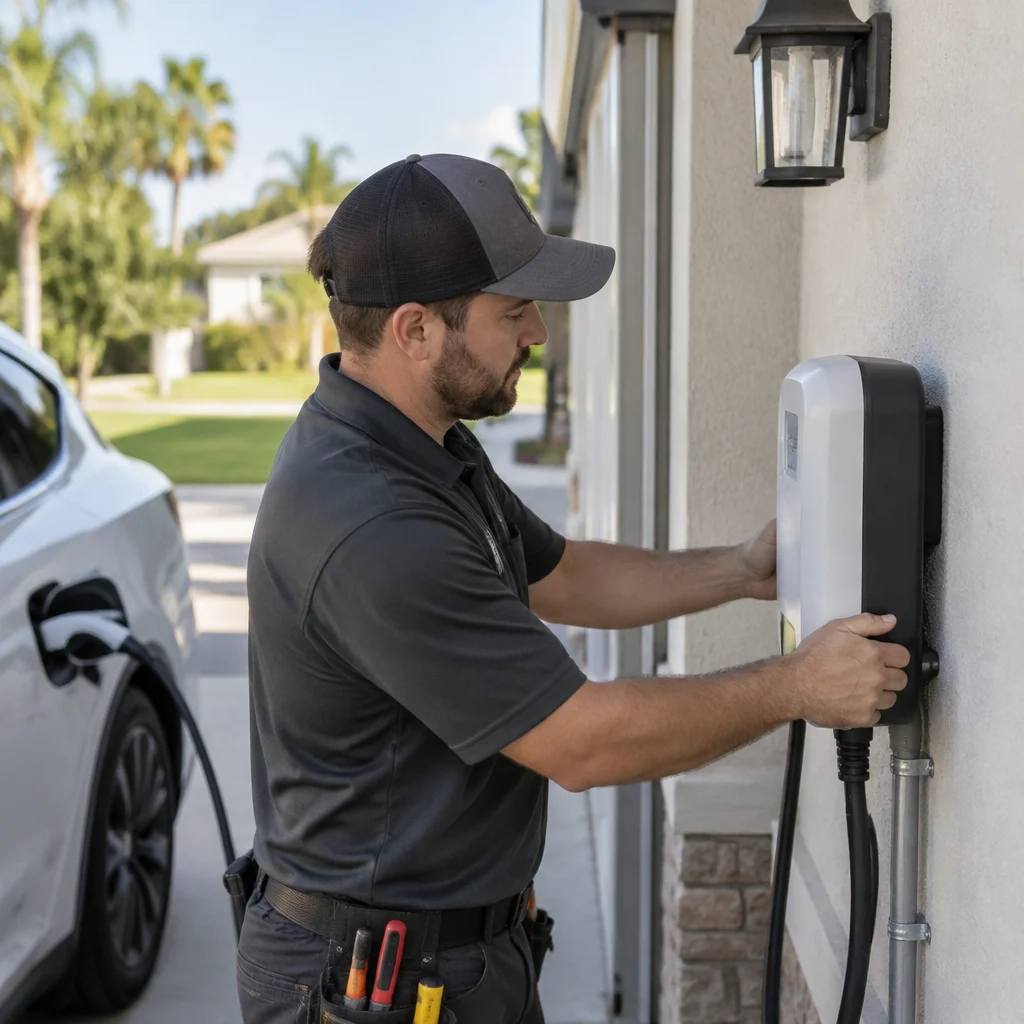
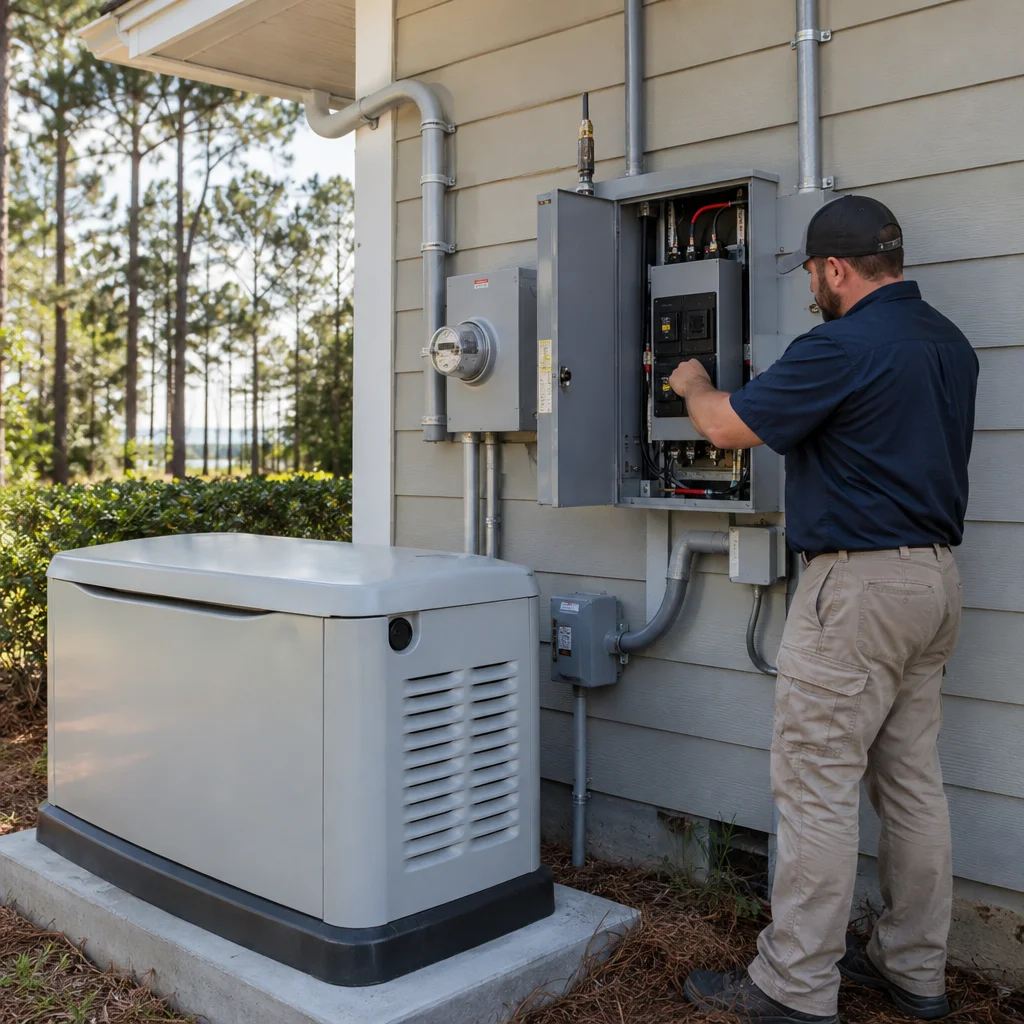
For homes with backup power, ceiling fans can also be part of a practical generator plan. A properly wired fan can help make a home more comfortable during outages when paired with generator installation near me searches and whole home backup planning. If the home may need a future charger, it is also smart to look at smart panels and dedicated circuits now instead of waiting for a capacity problem later.
Maintenance habits that keep fans running safely
Homeowners can help ceiling fans last longer by keeping blades clean, checking for wobble, and watching for changes in sound or speed. It also helps to test the wall switch, remote, and light kit after storms or power interruptions. If a fan starts behaving differently after a surge, the control module or motor may need inspection.
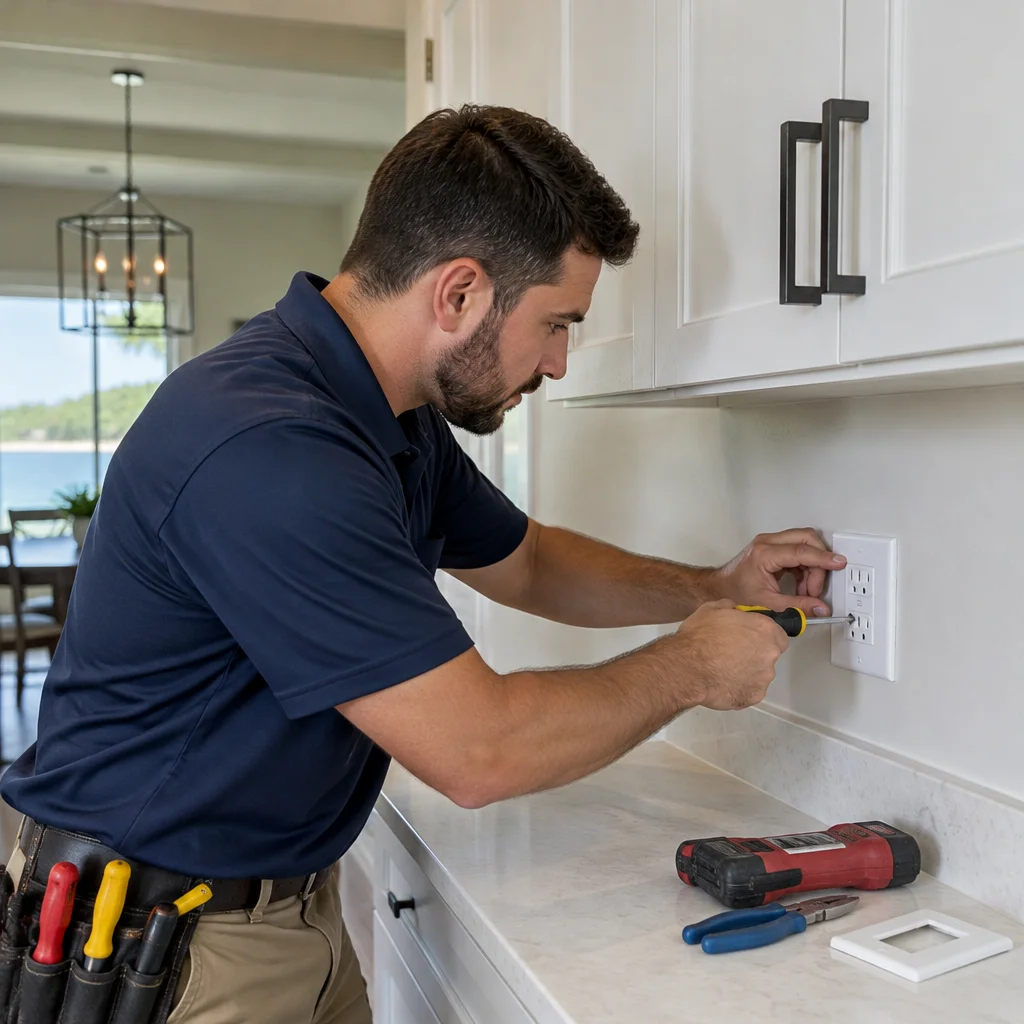
During routine electrical maintenance, ask a local electrician to check the fan box, mounting, grounding, and circuit load. If the home has other electrical concerns, this is also a good time to review smoke detectors, outlet condition, and breaker performance. A single visit can cover several items, from electrical upgrade planning to outlet repair near me searches that reveal worn devices or loose connections.
Homeowners who want help with ceiling fan installation, replacement, or repair can rely on A Superior Mechanical for local service that fits Lower Grand Lagoon homes, rentals, and businesses. Whether the issue is a noisy fan, a weak switch, a circuit that keeps tripping, or a larger panel concern, the safest fix starts with the wiring behind the fixture.
If your fan is acting up, if you are planning a remodel, or if you need a better setup for comfort and airflow, the right electrical contractor can make the room safer and more reliable without unnecessary guesswork.
Find Ceiling Fans in Lower Grand Lagoon, FL
If you need Ceiling Fans in Lower Grand Lagoon, FL, visit our local service page or contact A Superior Mechanical today.
Map of Lower Grand Lagoon, FL
Frequently Asked Questions
Can a ceiling fan be installed on any ceiling box?
No. A ceiling fan should be mounted to a box rated for fan support. Standard light fixture boxes may not hold the weight or vibration safely.
Why does my ceiling fan trip the breaker?
It may be a loose connection, overloaded circuit, failing breaker, or a wiring issue in the switch or fan motor. A local electrician can test the full circuit.
Do ceiling fans need special wiring in coastal homes?
Often, yes. In Lower Grand Lagoon, moisture, salt air, and storm related surges can affect wiring, grounding, switches, and fan controls, so inspections matter.
Can a fan replacement reveal a bigger electrical problem?
Yes. Fan work can expose old wiring, a weak panel, poor grounding, or a box that was never fan rated. That is common in older homes and remodels.
Related Articles
- Keeping Lower Grand Lagoon Homes Ready for the Next Electrical Upgrade
- Outdoor Landscape Lighting and the Electrical Clues Lower Grand Lagoon Homeowners Should Not Ignore
- Keeping Pool, Spa, and Hot Tub Wiring Safe in Lower Grand Lagoon Homes
- Keeping Outlets and Switches Reliable in Lower Grand Lagoon Homes
Photo Gallery