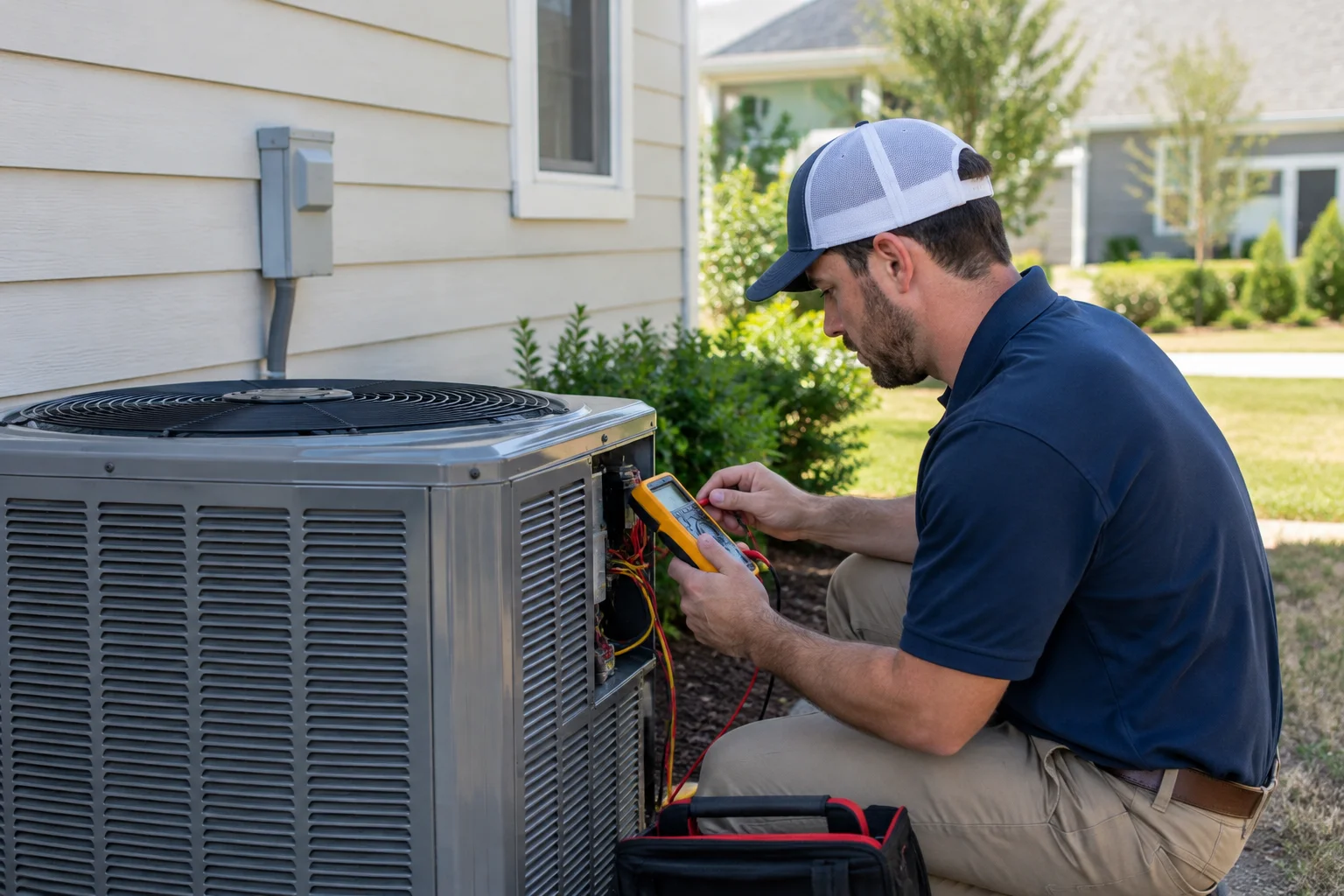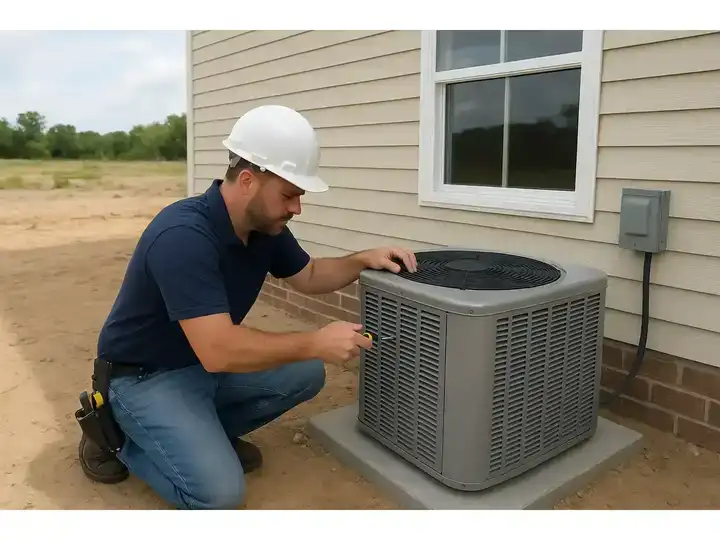
New construction air conditioning should feel like one less thing to worry about, but homes in Callaway, FL still need the right care after move in. The Gulf Coast climate brings heat, humidity, and long cooling seasons that put steady pressure on HVAC equipment. Even a brand new system can run into avoidable problems if the ducts, drainage, thermostat settings, or airflow are not checked and maintained properly.
For homeowners in Callaway and across Bay County, a new system is only as good as the design, installation, and follow up care behind it. If you are building or settling into a new home, it helps to know what can go wrong, what you can do to prevent it, and when to bring in a professional. A Superior Mechanical provides new construction air conditioning in Callaway, FL for homes, commercial buildings, and development projects that need dependable cooling from the start.
Why new systems still need attention
A lot of homeowners assume a brand new AC system should run perfectly for years without much oversight. In reality, new construction homes often go through a settling period. Duct joints can shift slightly, insulation may settle, and construction dust can collect in registers and filters. In humid places like Callaway, those small changes can lead to bigger issues faster than many people expect.
Florida weather also makes cooling systems work hard for much of the year. High humidity can cause longer run times, more condensation, and extra strain on drain lines and indoor coils. If the system was sized too large or too small during construction, comfort problems can show up quickly. That is why careful installation and early maintenance matter just as much as the equipment itself.
Homeowner habits that help a new AC system last longer
Keep the filter clean
One of the simplest ways to protect a new system is to check the air filter regularly. Construction dust, drywall particles, and everyday household debris can clog a filter faster in a new home than in an older one. A dirty filter reduces airflow, makes the system work harder, and can lead to uneven cooling. In many homes, checking the filter every month is a smart habit, especially during the hottest parts of the year.
Watch the thermostat settings
New construction homes often cool differently than older houses because of better insulation, tighter envelopes, and modern windows. That can be a benefit, but it also means thermostat settings should be adjusted with the home, not against it. Constantly lowering the temperature to speed up cooling can create unnecessary wear. A steady setting that matches your household routine usually works better and helps control energy use.
Keep supply and return vents open
It is common for homeowners to close vents in rooms they do not use often, but that can disrupt airflow and make the system less efficient. Balanced airflow matters in a new home, especially if the ductwork was designed for specific room loads. Furniture, rugs, and storage items can also block vents without anyone noticing. A quick walk through the house every few weeks can prevent those small blockages from turning into comfort complaints.
Pay attention to condensation and drainage
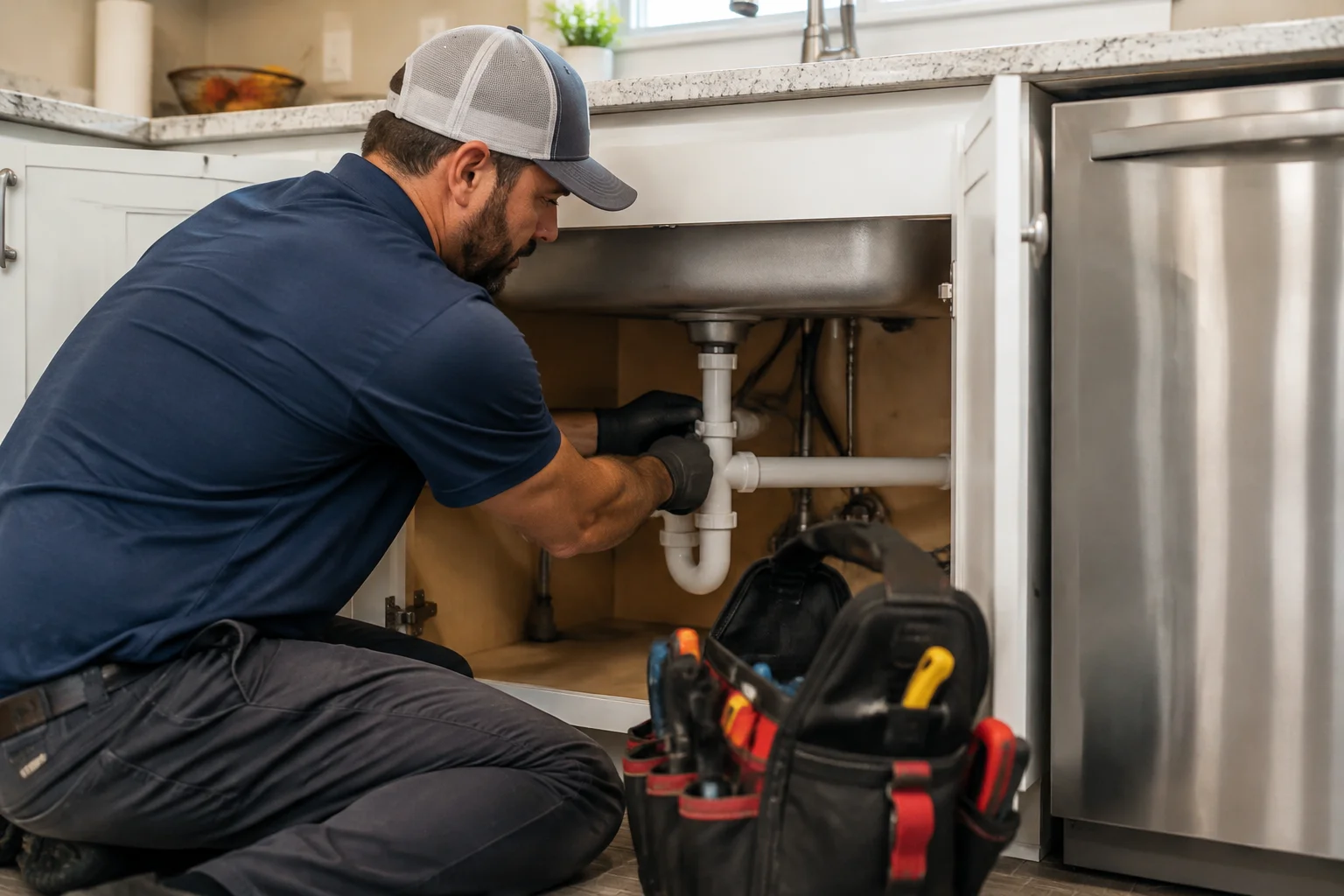
Humidity is a major part of life in Callaway, and AC systems remove a lot of moisture from the air. That moisture has to drain properly. If the condensate line gets clogged, you may notice water near the air handler, musty smells, or a system that shuts off unexpectedly. Since water issues can also affect nearby walls, ceilings, and flooring, it is smart to act quickly. If you suspect a hidden leak or drainage problem, related services like Water Leak Repairs or Plumbing Repair may also be part of the solution when moisture is affecting more than the HVAC equipment.
Common problems in Callaway new construction homes
Dust and debris from the build process
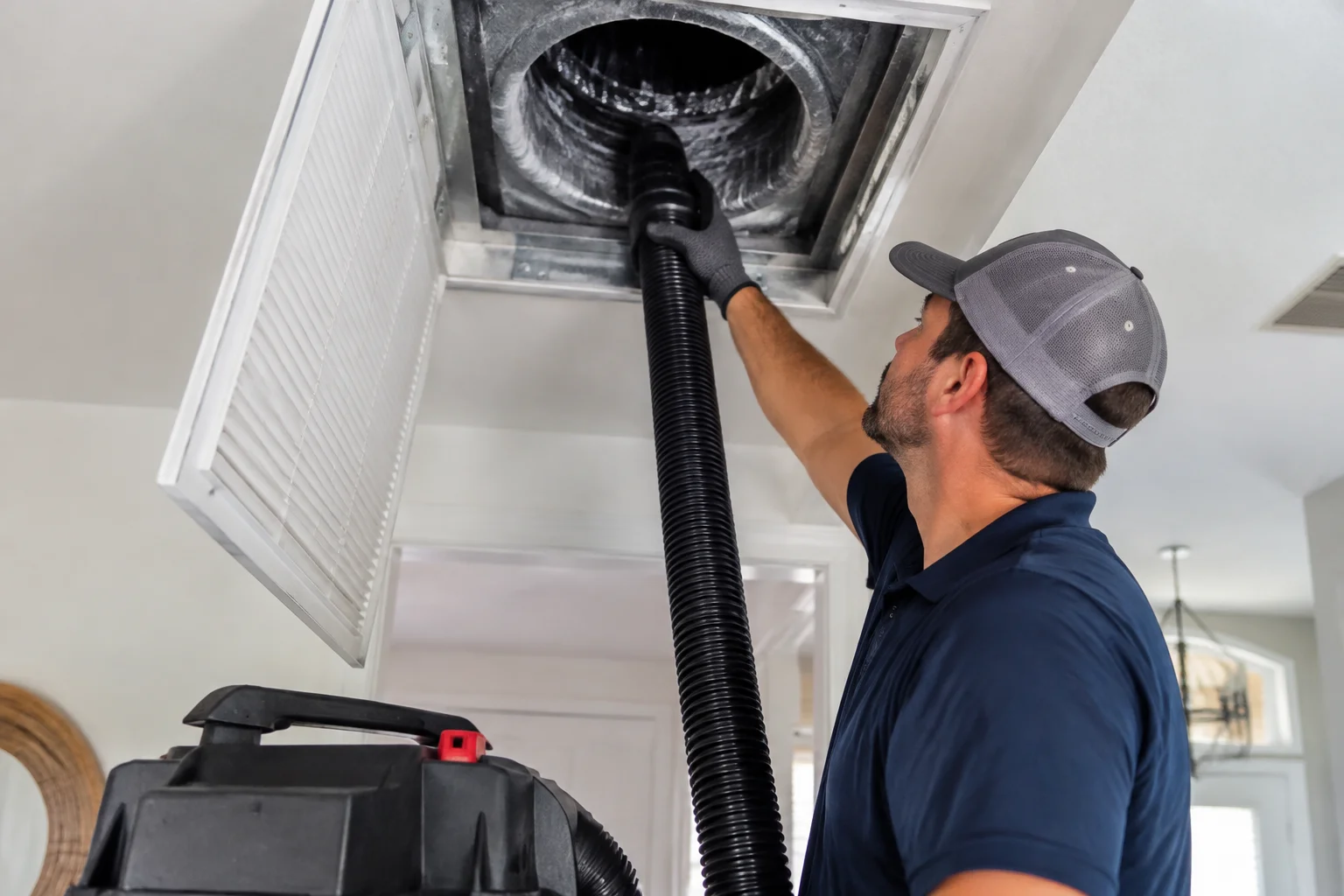
Construction leaves behind more dust than most homeowners realize. Even after a home looks finished, fine particles can continue circulating through the system. If the ducts were not sealed well or the unit was started before the home was fully cleaned, debris can collect on coils and filters. That can reduce airflow and make the system less efficient right away.
Ductwork that needs balancing
New homes in Callaway and nearby parts of Bay County often have open floor plans, bonus rooms, and additions like garages or enclosed porches that create different cooling needs. If the duct system was not balanced correctly, some rooms may feel warm while others get too cold. This is a common issue in new construction and one that is easier to fix early than after the house is fully occupied.
Humidity control that is not quite right
Cooling and humidity control are related but not identical. A system can lower the temperature and still leave the house feeling sticky if the run time, airflow, or equipment selection is off. In a coastal climate, that can lead to discomfort, condensation, and even mold concerns. Homes in Callaway benefit from systems designed with both temperature and moisture in mind.
Thermostat or control issues
Modern thermostats can be helpful, but they also need to be set up correctly. If sensors are placed in the wrong spot or the controls are not programmed for the home’s layout, the system may short cycle or run longer than necessary. That wastes energy and can shorten equipment life. A professional startup and testing process helps catch these issues before they become routine headaches.
Maintenance steps that can save money over time
Routine care is usually less expensive than emergency repairs, especially in a new home where small issues can be corrected before they damage the system. Here are a few maintenance steps that make a real difference.
Schedule a startup check after move in
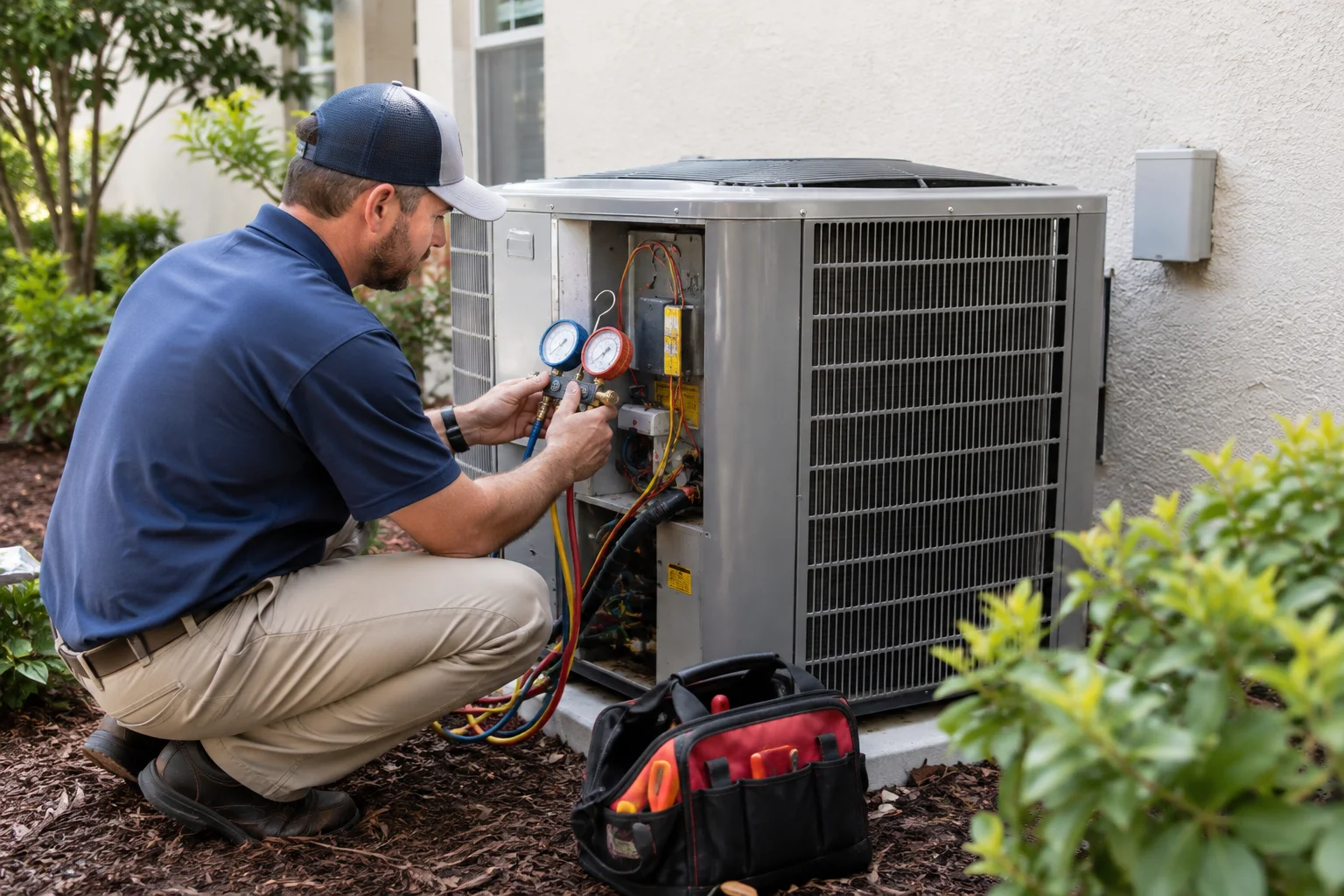
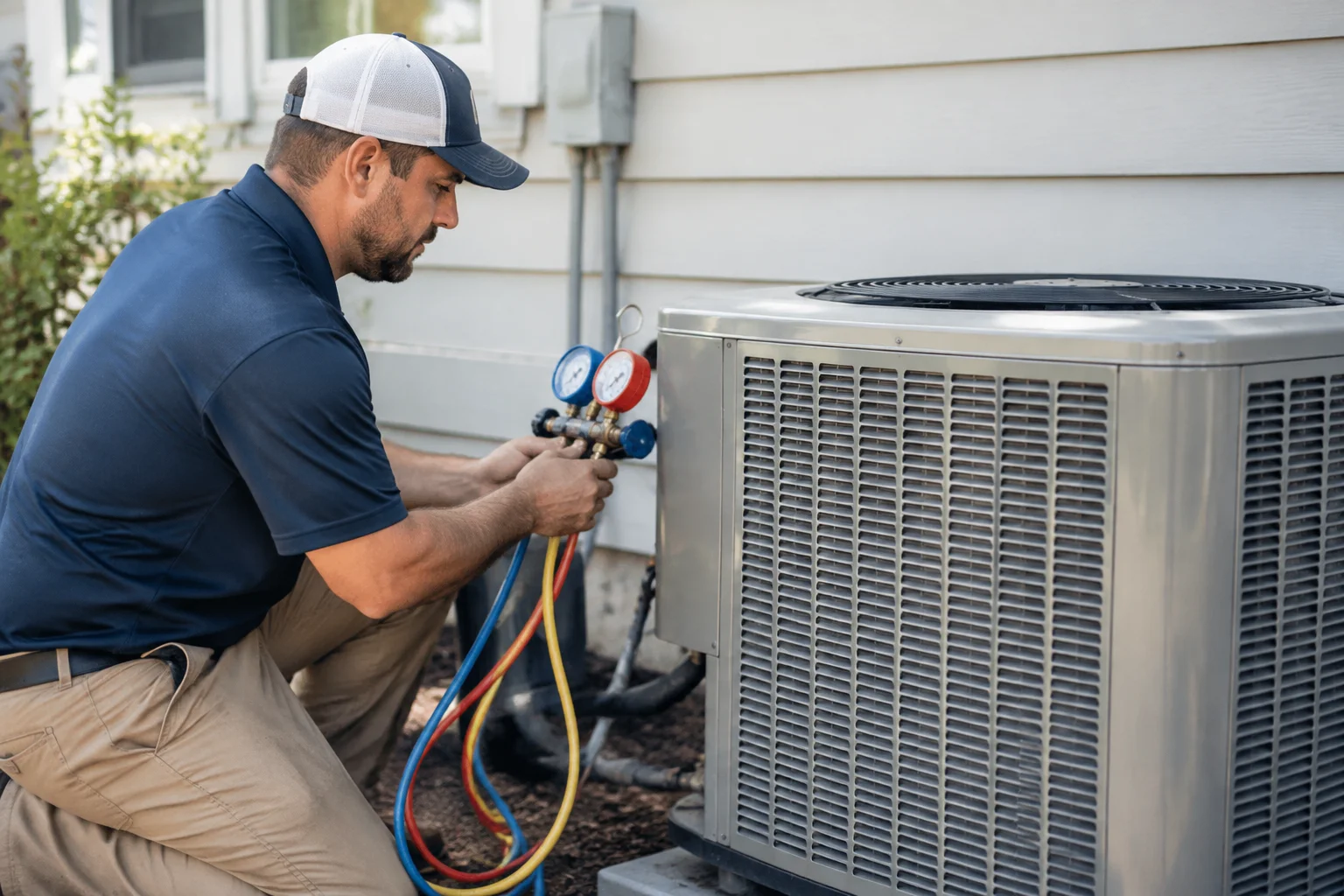
Once the home is occupied, it is wise to have the system checked during the first cooling season. A startup check can confirm refrigerant levels, airflow, thermostat operation, drain performance, and overall system response. This is especially useful if the home sat empty for a while after completion or if the system has been running through final construction cleanup.
Keep the outdoor unit clear
New construction neighborhoods often have leftover landscaping debris, mulch, or dirt near the condenser. The outdoor unit needs clear space for airflow. Trim back plants, remove trash, and keep sprinklers from spraying directly on the equipment. In Callaway, where storms and wind can move debris quickly, a quick visual check after bad weather can prevent problems.
Watch energy bills for sudden changes
One of the earliest signs that something is off is a utility bill that climbs without a clear reason. If your new home is suddenly using more energy than expected, the system may be cycling too often, losing efficiency, or struggling with airflow. That does not always mean a major repair, but it is worth investigating before the issue grows.
Use professional maintenance instead of guesswork
Some AC issues are easy to spot, but others are not. A system can appear to cool normally while slowly developing a problem with refrigerant charge, electrical components, or duct leakage. Professional maintenance can catch those issues early and help protect the warranty on new equipment. For homeowners comparing service options, it is also worth looking at broader home support needs like Sewer and Drain Services if drainage concerns extend beyond the HVAC system.
Why local service matters in Callaway
Local HVAC service matters because Callaway homes face conditions that are different from inland markets. Salt air, humidity, summer storms, and long cooling seasons all affect how a system performs. A contractor who works regularly in Callaway understands how to design around those conditions, choose the right equipment, and set up ductwork that supports comfort in real homes.
That local knowledge matters during new construction, too. Builders and homeowners need systems that fit the home’s size, layout, and usage patterns. A house near the water may need a different approach than one farther inland. A home with high ceilings, lots of windows, or an open concept living area may need careful load calculations to avoid hot spots and humidity problems. That is why new construction HVAC should never be treated like a one size fits all install.
If you are still in the planning or building stage, the service page for new construction air conditioning in Callaway, FL explains how design, ductwork, equipment installation, and final testing come together for a better result. Good planning at the start can prevent expensive corrections later.
Small issues that deserve attention right away
Some problems seem minor but can turn into bigger repair bills if they are ignored. A faint rattling sound, a little water near the air handler, a room that never quite cools, or a filter that keeps getting dirty too fast can all point to a system that needs adjustment. In a new home, these warning signs often mean the system is still settling or that something in the install needs to be fine tuned.
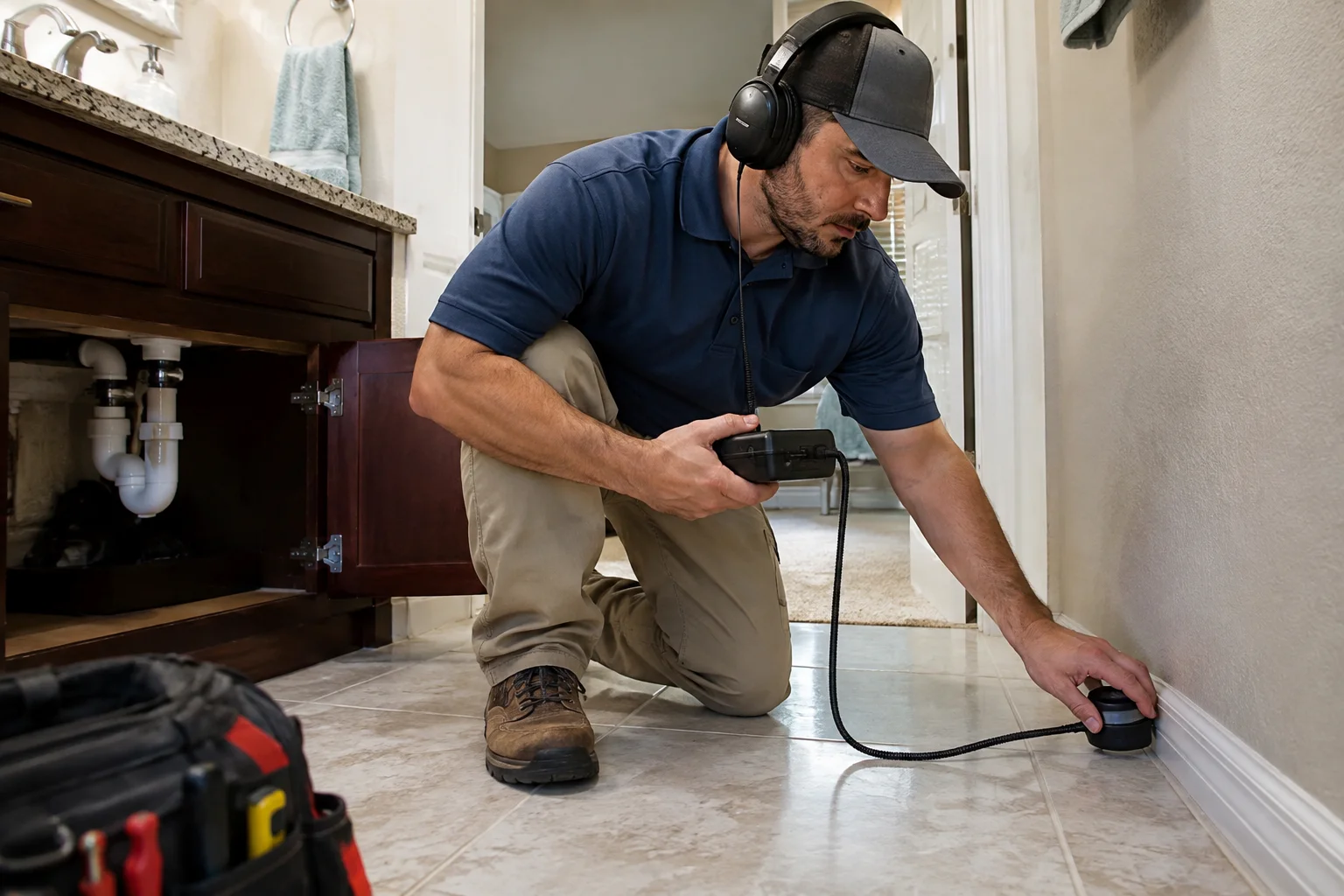
It is also smart to keep an eye on other home systems that may affect HVAC performance. Plumbing leaks can raise indoor humidity. Drain line problems can lead to water damage near the air handler. Even a partially blocked drain can create conditions that make the AC work harder. If you notice moisture near walls, ceilings, or the utility closet, services like Water Leak Repairs can help protect the home while the HVAC issue is being addressed.
How homeowners can stretch the life of a new system
The best way to get value from a new AC system is to treat maintenance as part of homeownership, not an afterthought. Keep the filter changed, protect the outdoor unit, watch for moisture, and have the system checked if cooling feels uneven. If the home was recently completed, a follow up inspection can uncover problems that would otherwise stay hidden until peak summer.
For families who want to stay ahead of future costs, it can also help to plan for service before a major issue appears. Some homeowners look at financing options when they are building or upgrading systems, especially if the project includes other home improvements. If that is part of your planning, these related posts may be useful: A Practical Look at HVAC Financing for Homeowners in Callaway, FL and How Callaway Homeowners Can Reduce the Risk of HVAC Financing Problems.
When the system is part of a larger development or commercial project, the same principle applies. Careful maintenance and early corrections protect the investment. For property owners and managers, Keeping Small HVAC Issues Small in Callaway’s Commercial Spaces offers a useful look at how fast small problems can add up. Businesses can also benefit from What Callaway Businesses Often Miss About Commercial HVAC Maintenance for a broader maintenance perspective.
New construction homes in Callaway should feel comfortable from the first hot day, not after a long list of repairs. With the right setup, regular attention, and help from a local team that understands Bay County conditions, homeowners can keep new construction air conditioning running the way it should for years.
Find New Construction Air Conditioning in Callaway, FL
If you need New Construction Air Conditioning in Callaway, FL, visit our local service page or contact A Superior Mechanical today.
Map of Callaway, FL
Frequently Asked Questions
How soon should a new AC system be checked after a home is built?
It is a good idea to have the system inspected during the first cooling season after move in. That helps confirm airflow, drainage, thermostat settings, and overall performance once the home is actually occupied.
Why does my new home in Callaway still feel humid with the AC running?
Humidity problems can happen if the system is oversized, airflow is off, or the ductwork needs balancing. Callaway’s humid climate makes moisture control just as important as temperature control.
What maintenance matters most for new construction air conditioning?
Filter changes, drain line checks, clear outdoor unit space, and professional inspections are the biggest priorities. These steps help prevent airflow problems, water issues, and unnecessary wear.
Related Articles
Photo Gallery