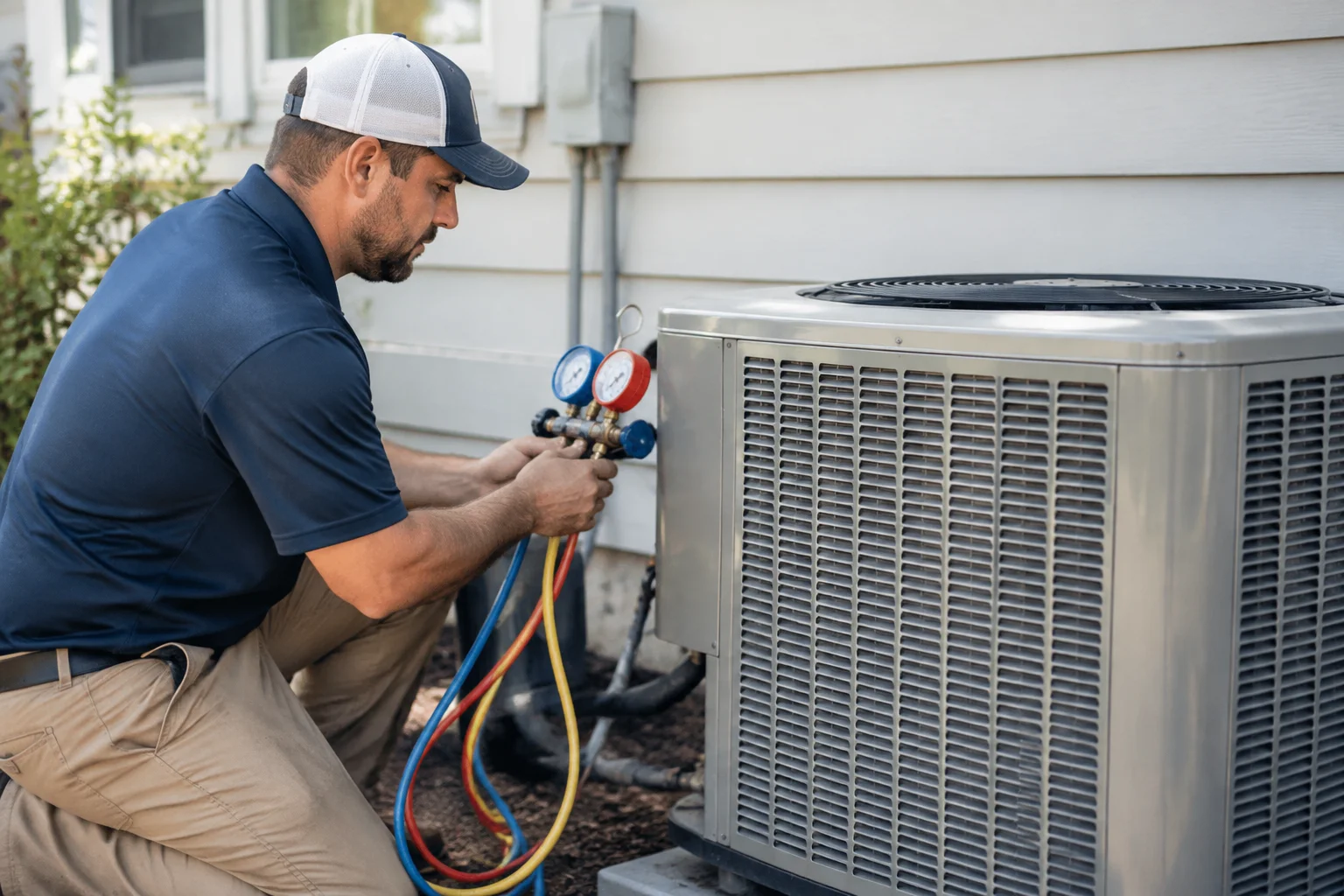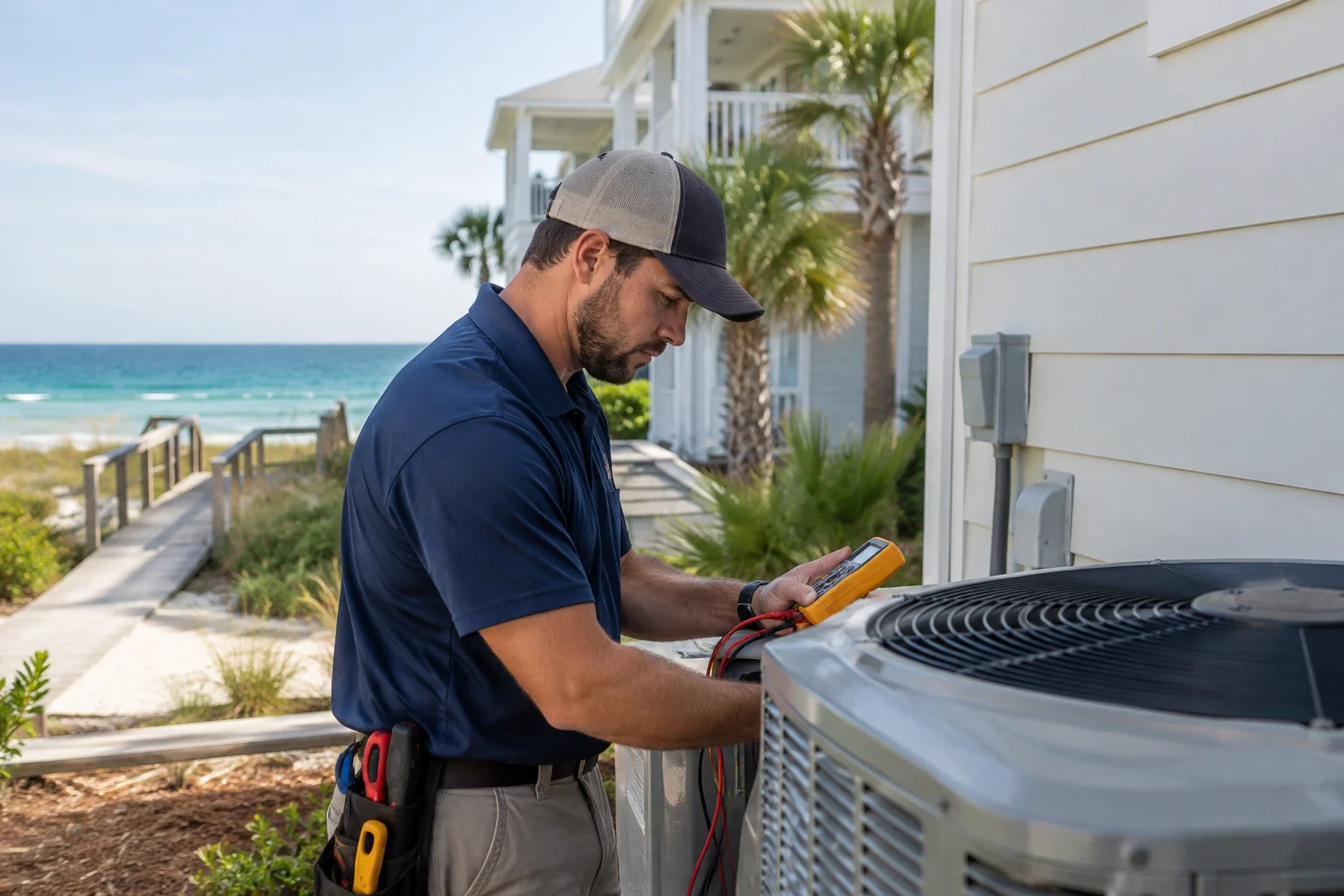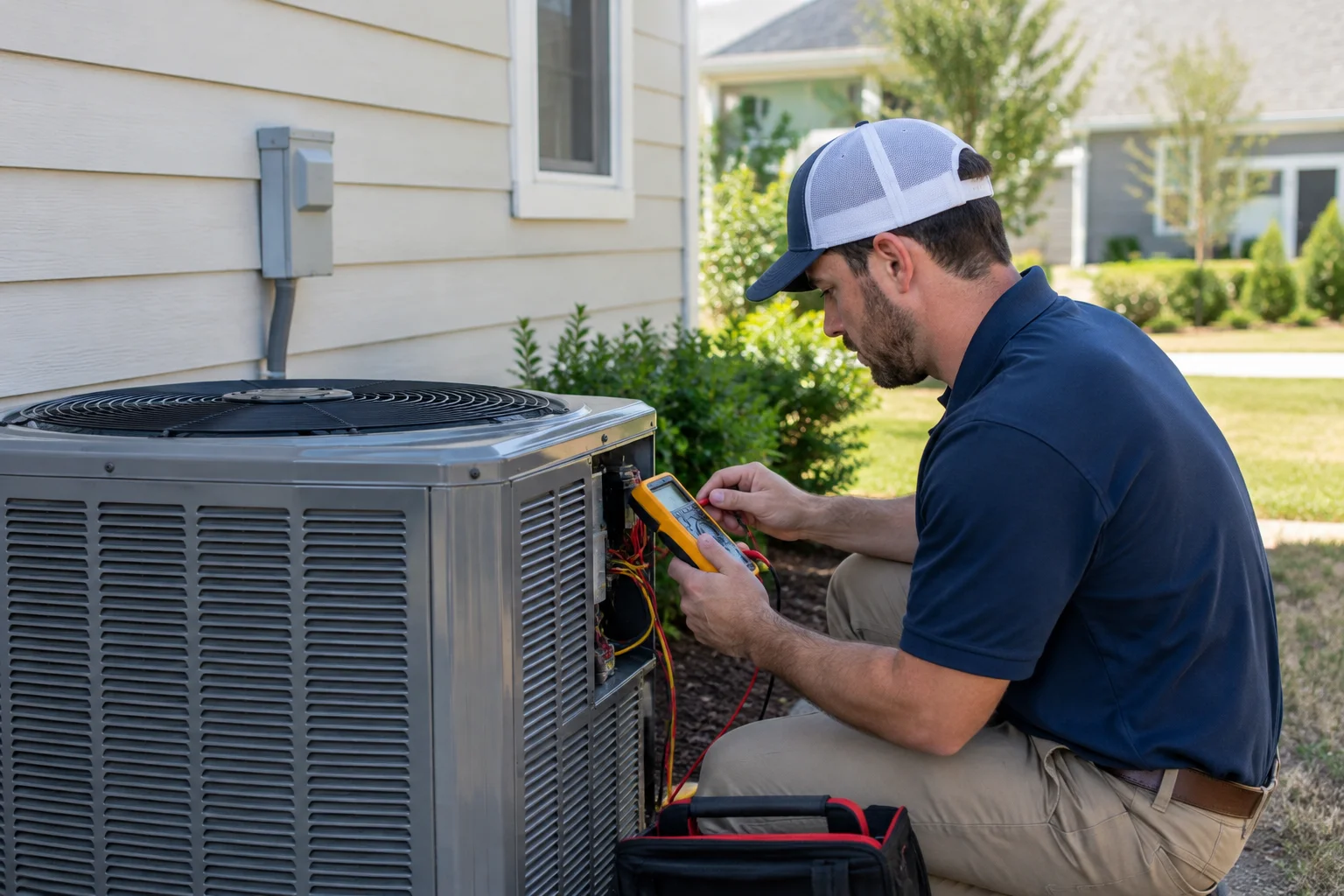
New construction homes in Santa Rosa Beach should feel comfortable from the first day you move in. That only happens when the HVAC system is designed and installed with the home, the climate, and the coastal environment in mind. In Walton County, humidity, salt air, and long cooling seasons all put extra pressure on heating and cooling equipment. A system that looks fine on paper can still struggle if the planning, sizing, or installation is rushed.
For homeowners building in Santa Rosa Beach, paying attention early can prevent a long list of headaches later. If you are planning a new build or already have a system going in, new construction HVAC in Santa Rosa Beach, FL should be treated as a core part of the project, not an afterthought. The right approach helps with comfort, indoor air quality, energy use, and long-term reliability.
Why new construction HVAC needs local planning
Santa Rosa Beach homes face conditions that inland properties do not. High humidity is common for much of the year, summer cooling demand is heavy, and coastal air can be hard on metal components. That means the HVAC system needs more than standard sizing and a basic install. It needs careful duct planning, proper airflow, moisture control, and equipment chosen for the home’s layout and exposure.
Local service matters because a team familiar with Santa Rosa Beach and the surrounding Walton County area understands how these homes are built. Beachside properties, elevated homes, vacation rentals, and larger custom builds all have different needs. A one size fits all setup often leads to uneven temperatures, noisy operation, and higher utility bills.
Issues homeowners should not ignore during a new build
Some HVAC problems show up right away. Others take months to become obvious. Either way, the earlier they are caught, the easier they are to fix. Here are the issues that deserve attention during and after new construction.
Improper system sizing
One of the most common mistakes is installing equipment that is too large or too small for the home. An oversized system may cool the house too quickly without removing enough humidity. That leaves rooms feeling clammy, especially in Santa Rosa Beach’s muggy climate. An undersized system can run constantly and still fail to keep up during peak summer heat.
Proper sizing depends on square footage, insulation, window placement, ceiling height, orientation, and the home’s air sealing. In coastal Florida, humidity control should be part of the sizing conversation from the start.
Poor duct design
Ductwork is often hidden, so it is easy to overlook. But if the ducts are poorly planned, the whole system suffers. Long runs, sharp bends, undersized duct lines, or leaky joints can reduce airflow and create hot and cold spots throughout the house. In new construction, this can also make some rooms feel much less comfortable than others.
Homeowners should ask for ductwork that is designed for the home’s layout, not simply squeezed into available space. Balanced airflow is especially important in larger homes and multi level properties common in growing parts of Walton County.
Weak humidity control
In Santa Rosa Beach, cooling is only part of the job. Moisture control matters just as much. If the system is not set up to manage humidity well, you may notice sticky indoor air, condensation on vents, or a musty smell. Excess moisture can also contribute to mold growth and damage finishes inside the home.
Humidity issues can come from oversized equipment, poor duct sealing, inadequate ventilation, or installation mistakes that allow warm air to leak into conditioned spaces. These problems are much easier to correct during construction than after drywall is finished.
Refrigerant or drainage problems
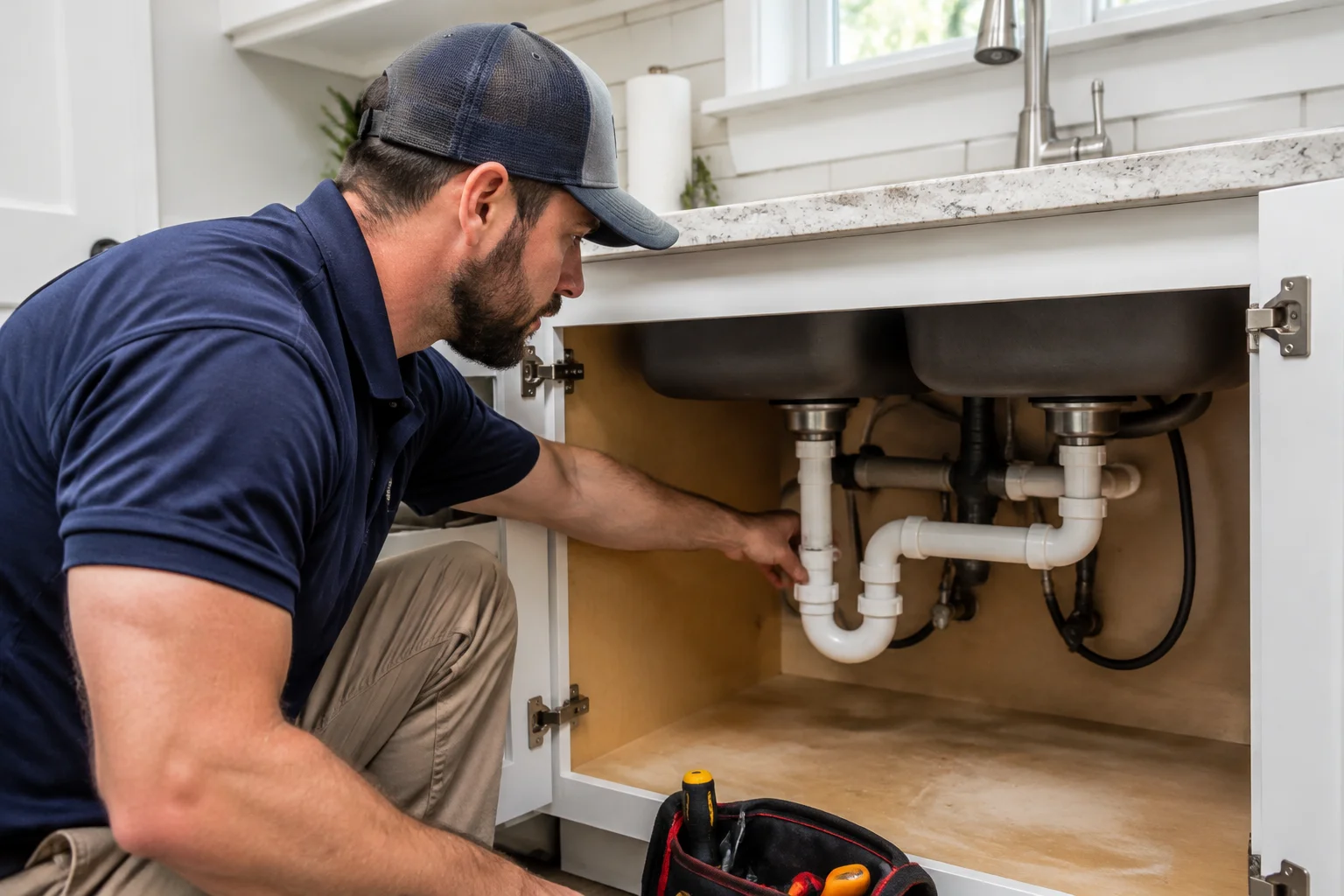
Drain lines, condensate pans, and refrigerant connections need to be installed correctly and tested carefully. A clogged or poorly sloped drain can lead to water leaks inside the home. Refrigerant issues can reduce cooling performance and strain the compressor. In a humid climate, even a small drainage problem can become a big repair if it is ignored.
If you want a broader look at how HVAC budgeting and planning can affect your project, this local financing guide can help homeowners think through the bigger picture before construction wraps up.
Electrical and control issues
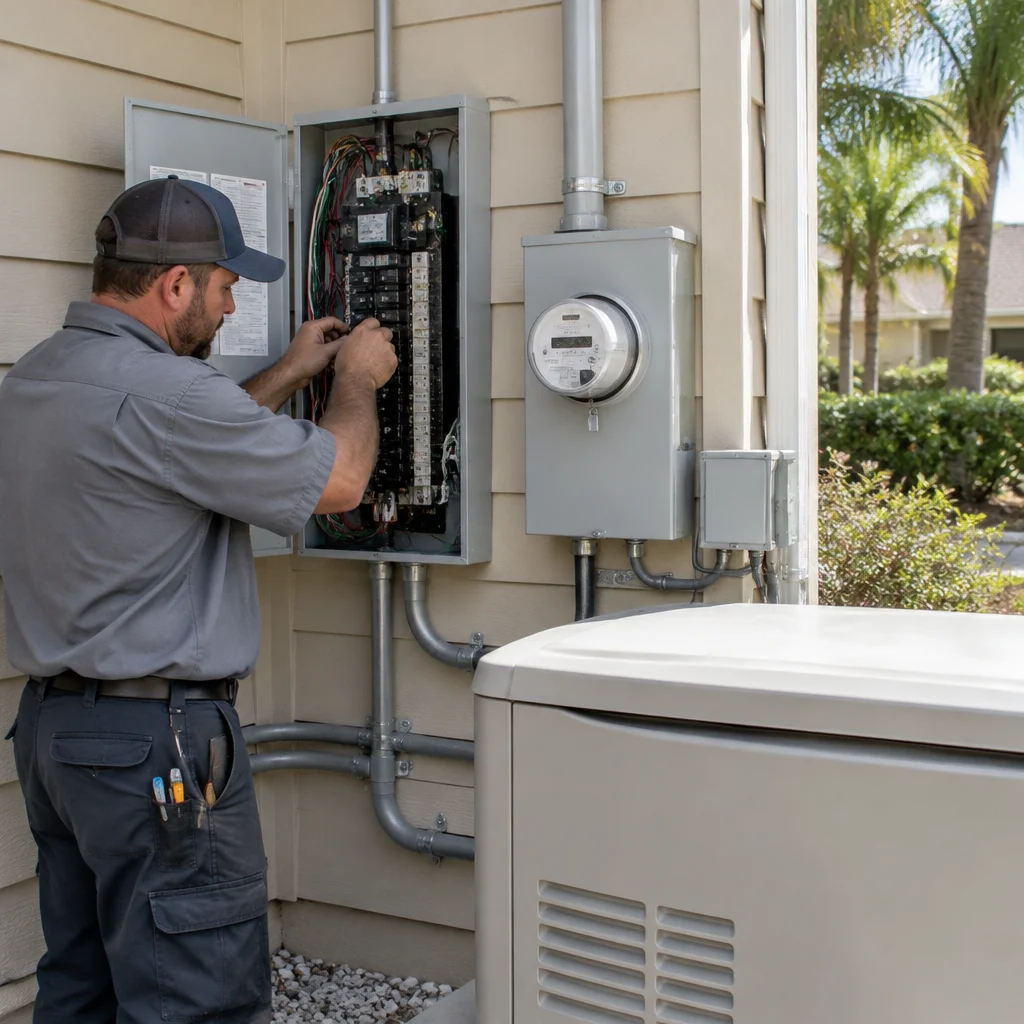
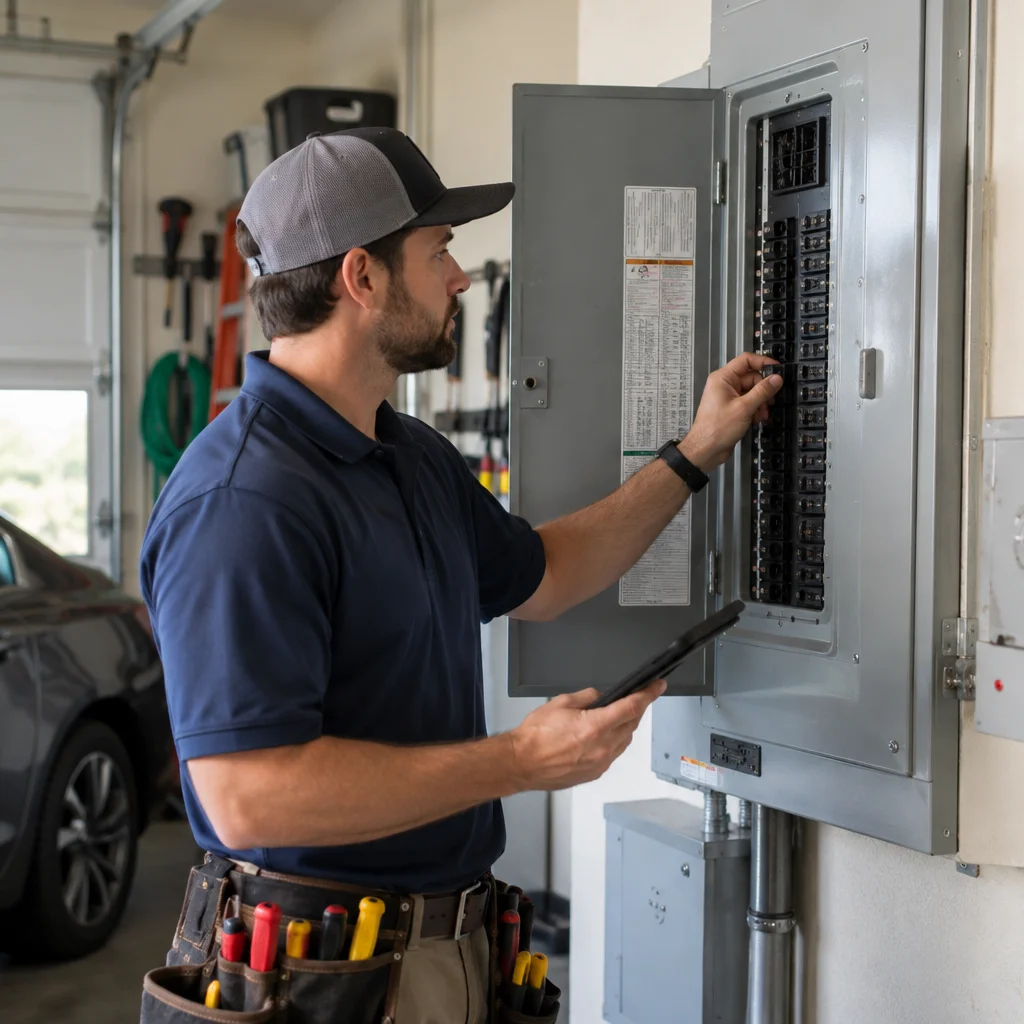
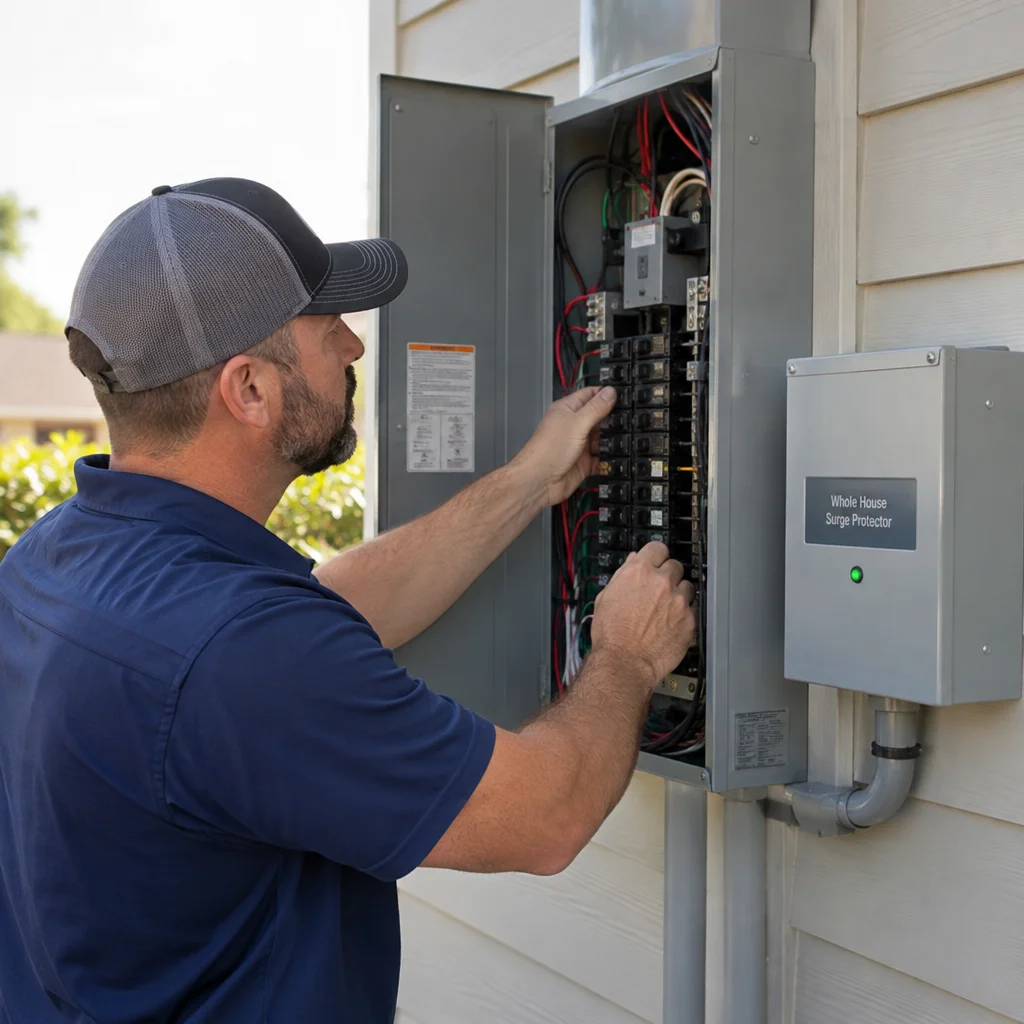
Thermostats, wiring, breakers, and control boards all need to match the system and the home’s electrical setup. If controls are installed poorly or placed in the wrong location, the system may short cycle, read the wrong temperature, or fail to respond properly. That can lead to comfort complaints that seem random but are actually tied to setup issues.
In new homes with smart thermostats and zoning systems, careful commissioning is especially important. Every setting should be tested before the project is closed out.
How to spot trouble early in a new HVAC system
Even a brand new system can give hints that something is off. Homeowners should pay attention to the way the system sounds and feels during the first few weeks and months of use. Early warning signs often include uneven temperatures, weak airflow from certain vents, rooms that stay humid, frequent cycling, or a system that seems louder than expected.
Other signs include water around the indoor unit, a musty odor, dust that seems to collect quickly, or utility bills that seem high for a newly built home. None of these automatically mean major failure, but they do suggest the system should be checked before the issue grows.
If the home is being built as part of a larger development or mixed use project, it may also help to look at how HVAC planning affects neighboring systems and shared infrastructure. This article on smarter commercial HVAC installation explains why design quality matters across different types of properties.
What a proper installation should include
Good new construction HVAC work is more than setting equipment in place. It should include a full review of the home’s design, load calculations, duct layout, airflow testing, and startup checks. The system should be matched to the home’s actual needs, not estimated from rough assumptions.
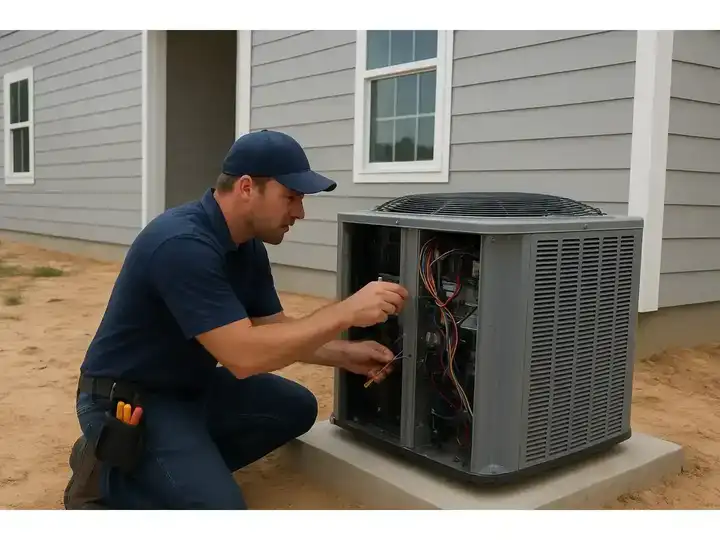
Homeowners should expect the contractor to confirm refrigerant charge, inspect condensate drainage, seal ductwork, and test airflow in each zone or room. The thermostat should be programmed correctly, and the system should run long enough to verify that it is cooling evenly and controlling humidity. If the home includes special features such as a bonus room, large glass areas, or a second floor exposed to more sun, those details should be addressed before the project is complete.
For homes that also need plumbing or water related work during the build, it can be helpful to coordinate with other trades early. Services like water heater repair, commercial plumbing services, or clogged pipes and drain cleaning may come into play on larger projects or mixed use properties.
Why coastal homes need extra attention
Salt air can shorten the life of exposed components, especially if the equipment is placed where it takes direct coastal exposure. Corrosion, rust, and worn electrical parts can show up faster near the beach than they would inland. That is one reason homeowners in Santa Rosa Beach should choose a contractor who understands coastal installation practices.
Homes in this area also tend to stay closed up for long periods during hot weather or when used as vacation properties. That makes it even more important for the HVAC system to handle moisture well while remaining efficient during long run times. If the system is not set up correctly, the home can feel stuffy even when the temperature looks right on the thermostat.
For property owners managing multiple homes or rental units, staying ahead of HVAC trouble can be even more important. This guide for managed properties offers a useful look at how preventive planning can reduce surprises.
Maintenance habits that protect a new system
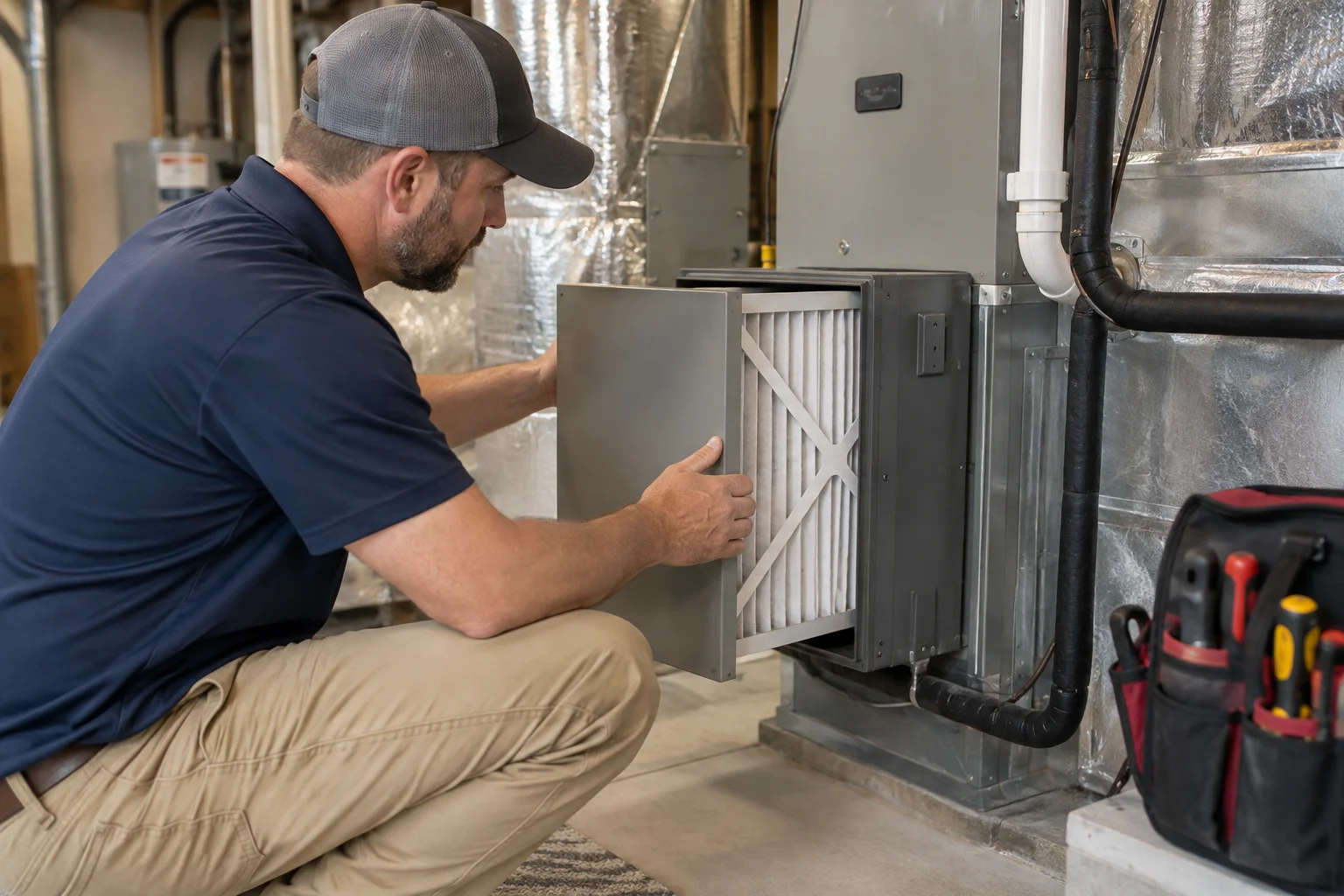
Once the home is finished, a few simple habits can help protect the investment. Homeowners should change filters on schedule, keep supply and return vents clear, and watch for signs of moisture around the indoor unit. It also helps to schedule seasonal inspections so small issues can be caught before peak cooling season.
Outdoor units should stay clear of leaves, sand, and debris. In a beach town, it is smart to check the area around the condenser more often than you might in a drier climate. Landscaping should be trimmed back enough to allow airflow, but not so close that it traps heat or moisture around the equipment.
Regular service also gives technicians a chance to spot loose connections, worn parts, drain issues, and airflow problems before they affect comfort. That kind of maintenance is especially valuable in a new build because it protects the warranty period and helps the system settle in properly.
When to bring in a professional
If the system is not cooling evenly, if humidity stays high, or if you notice water, noise, or airflow problems, it is time to have it checked. The same is true if the system seems to be cycling too often or if the home feels uncomfortable even though the equipment is new. These issues usually point to installation or design problems, not just normal wear.
Homeowners in Santa Rosa Beach should look for a contractor who can evaluate both the equipment and the home itself. A professional familiar with new construction HVAC can identify whether the issue comes from duct design, sizing, controls, airflow, or drainage. That kind of local knowledge is what helps new homes avoid years of preventable discomfort.
If you are building or finishing a home in Walton County, the best time to address HVAC concerns is before the drywall is sealed and the move in date arrives. A careful installation now can save money, improve comfort, and help the system perform the way it should in Santa Rosa Beach’s demanding coastal climate.
Find New Construction HVAC in Santa Rosa Beach, FL
If you need New Construction HVAC in Santa Rosa Beach, FL, visit our local service page or contact A Superior Mechanical today.
Map of Santa Rosa Beach, FL
Frequently Asked Questions
Why is new construction HVAC in Santa Rosa Beach different from inland Florida homes?
Santa Rosa Beach homes deal with higher humidity, salt air, and long cooling seasons. That means the HVAC system needs careful sizing, strong moisture control, and materials that hold up well in a coastal environment.
What are the most common problems with new HVAC systems in a new build?
Common issues include poor duct design, incorrect sizing, weak humidity control, drainage problems, and thermostat or wiring mistakes. Many of these problems are easier to fix during construction than after the home is finished.
How often should a new HVAC system be inspected after installation?
A new system should be checked during startup and then serviced regularly, usually at least once or twice a year. In a coastal area like Santa Rosa Beach, routine maintenance helps catch corrosion, drainage issues, and airflow problems early.
Related Articles
- A Practical Look at HVAC Financing for Santa Rosa Beach Property Owners
- Protecting Santa Rosa Beach Homes Starts With Smarter Commercial HVAC Installation
- Commercial HVAC Repair in Santa Rosa Beach: Problems Homeowners Should Not Brush Off
- Keeping Managed Properties Ahead of HVAC Trouble in Santa Rosa Beach
Photo Gallery