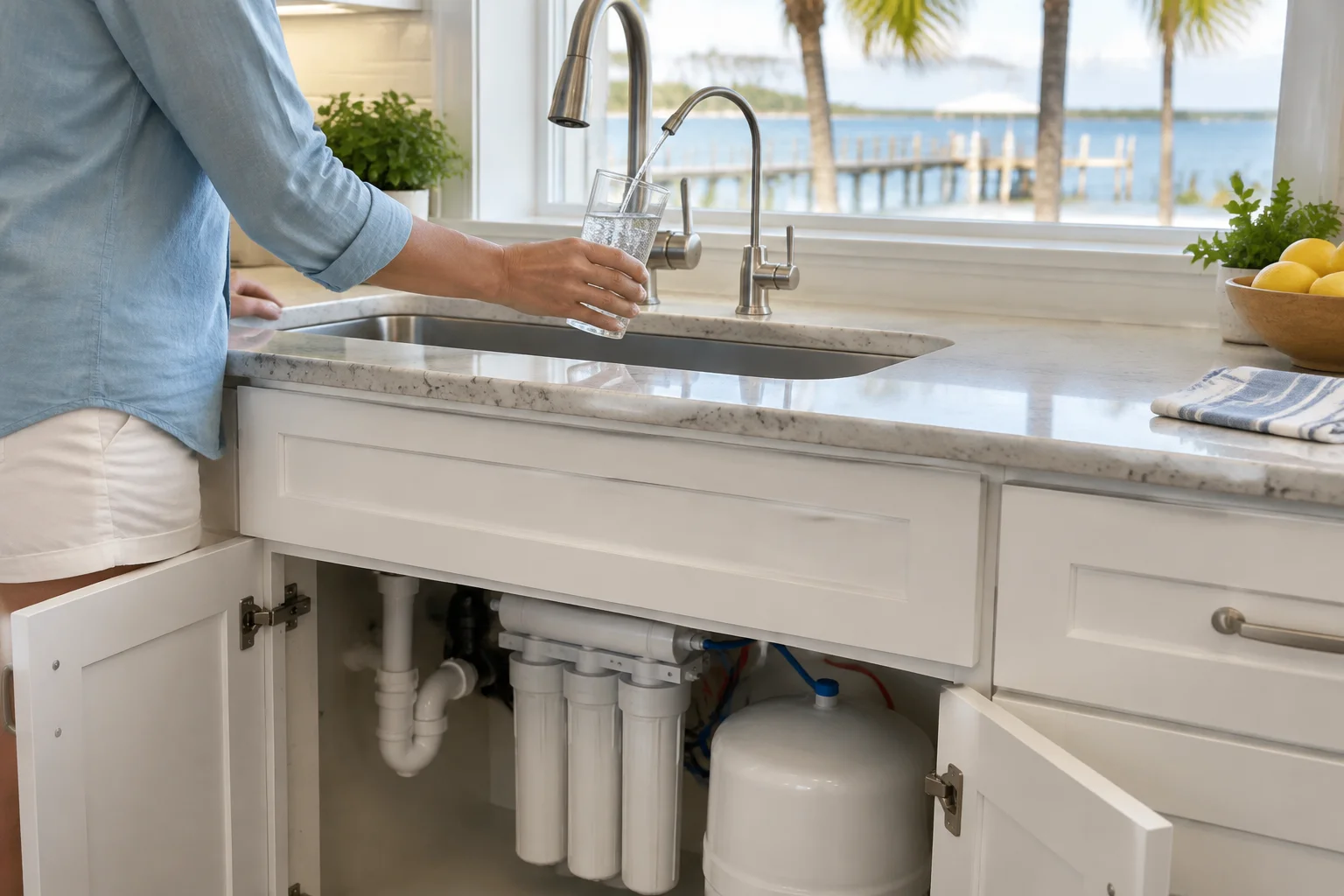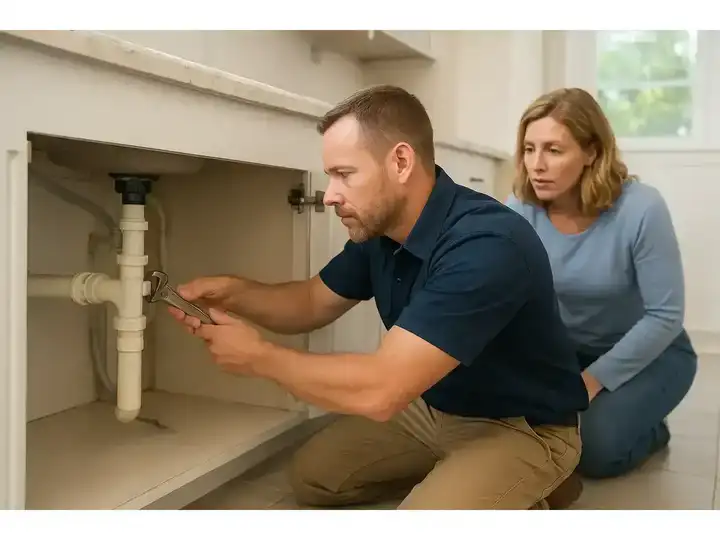
Plumbing in 30A, FL has to work harder than many homeowners realize. Between salt air, high humidity, seasonal occupancy changes, and the mix of full time homes and vacation rentals, small plumbing issues can grow fast if they are ignored. Regular upkeep is one of the simplest ways to protect your home, avoid water damage, and keep fixtures, drains, and water heaters working the way they should.
For homeowners in 30A and across Walton County, plumbing maintenance is not just about fixing leaks after they start. It is about spotting early warning signs, reducing wear from the local climate, and keeping a close eye on the parts of the system that are most likely to fail. If you want a deeper look at local service options, A Superior Mechanical offers plumbing maintenance in 30A, FL designed for coastal properties, vacation homes, and year round residences.
Why plumbing systems in 30A need more attention
Homes along 30A face a mix of conditions that can be tough on plumbing. The coastal environment brings moisture into places that should stay dry. Salt in the air can accelerate corrosion on exposed components. Sand and debris can find their way into drains, especially in homes that see frequent foot traffic from the beach. Vacation properties also tend to sit unused for stretches, which can allow small leaks, dry traps, and hidden issues to go unnoticed.
That combination makes maintenance especially important. A faucet that drips a little today may waste more water than you think over time. A slow drain can turn into a full blockage. A water heater that has not been flushed may lose efficiency and wear out sooner. These problems are often easier and less expensive to handle when they are caught early.
Plumbing issues homeowners should not brush off
Slow drains and recurring clogs
One of the most common complaints in coastal homes is a drain that keeps slowing down. Hair, soap residue, grease, and sand can all build up inside pipes. If you have a kitchen sink that backs up after heavy use or a shower that drains slowly every week, that is not just a minor annoyance. It may point to a deeper buildup in the line.
For homeowners dealing with repeated drain trouble, it can help to read Keeping 30A Drains Moving: Practical Maintenance for Clogged Pipes and Lower Plumbing Costs. It covers practical ways to reduce strain on drains before the problem becomes a bigger repair.
Small leaks around fixtures or shutoff valves
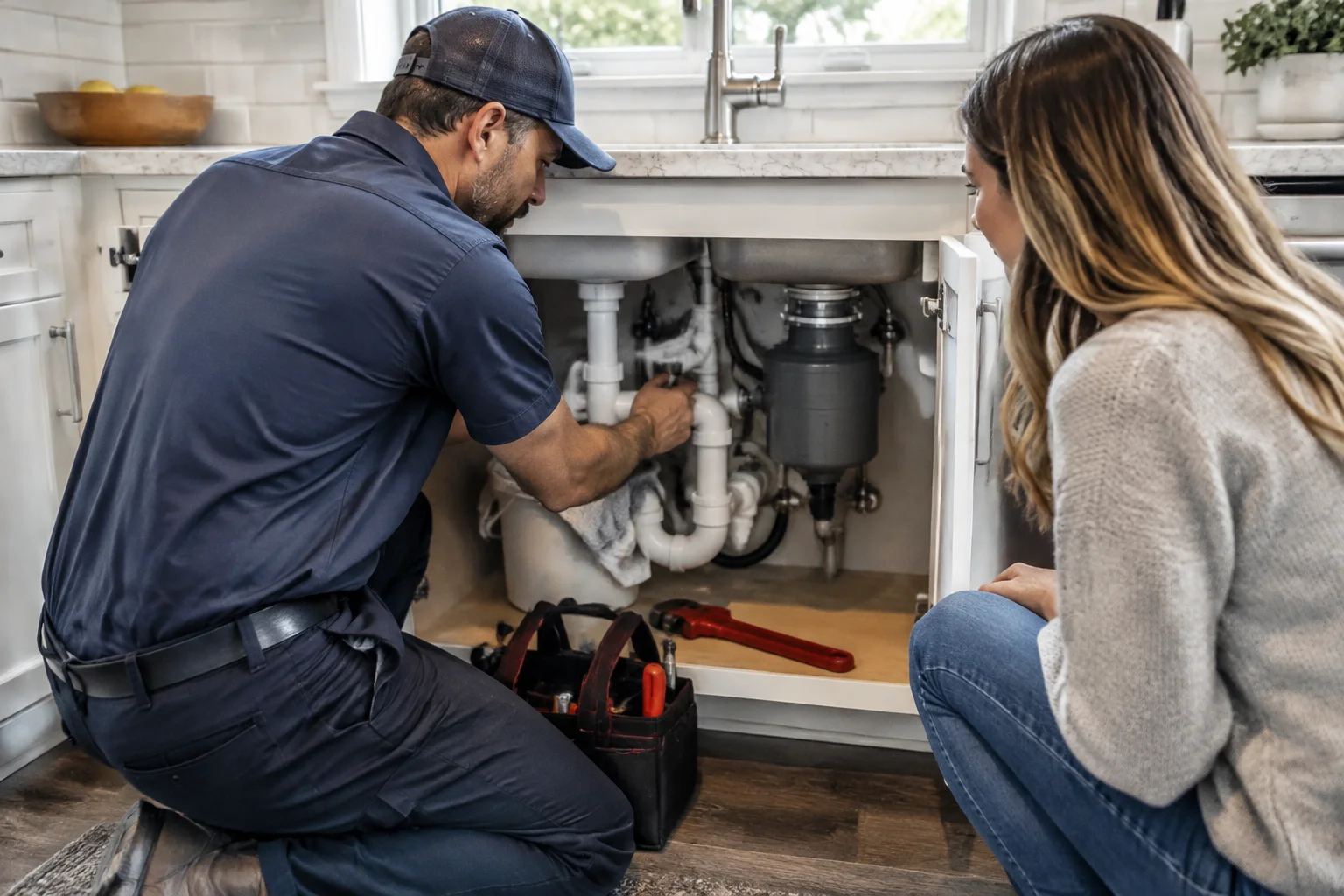
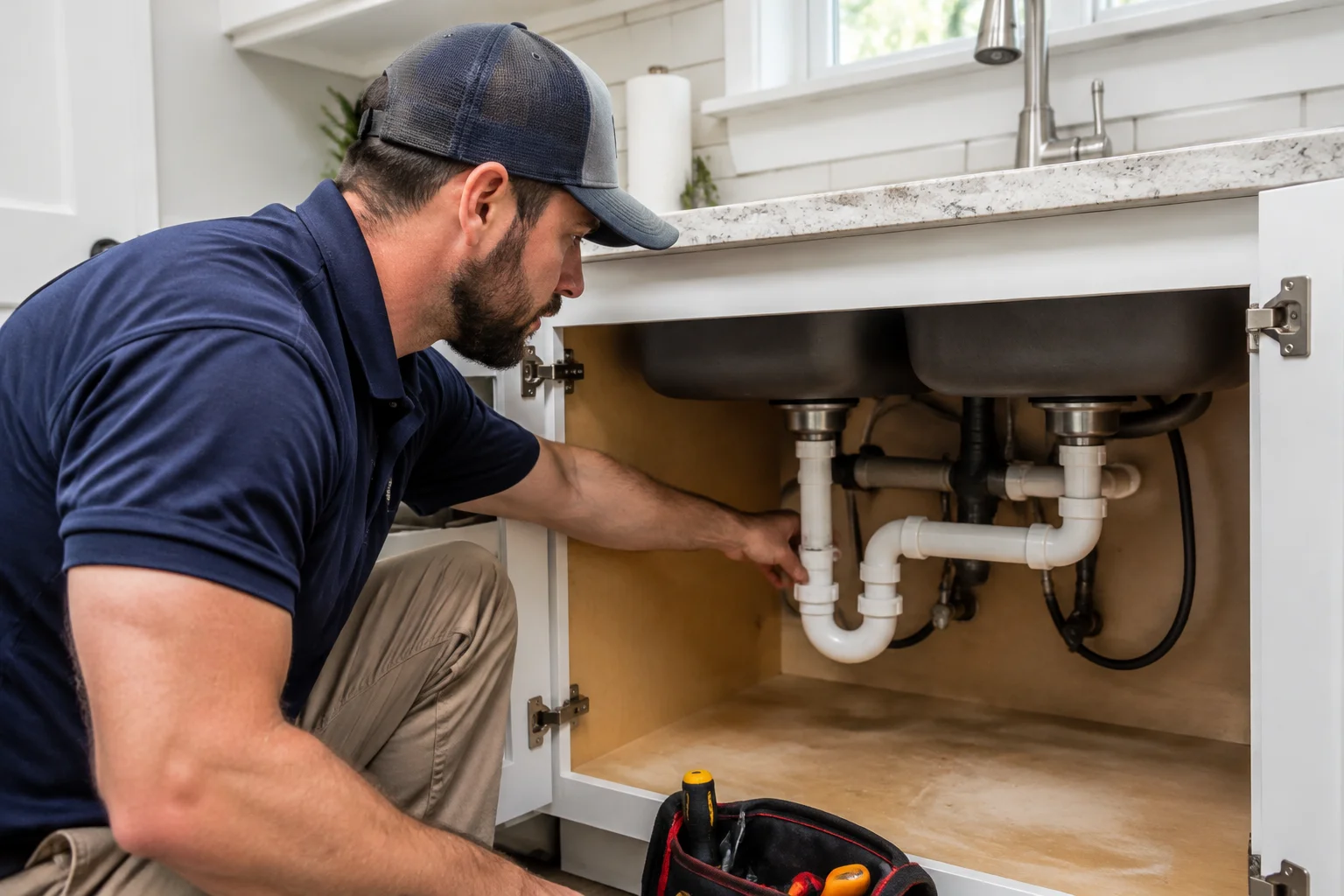
Even a tiny leak can do damage if it is left alone. Moisture under a sink may stain cabinets, warp wood, and encourage mold growth. A damp spot around a toilet base can damage flooring. Leaks near shutoff valves or supply lines may be easy to miss until the water bill climbs or a cabinet starts to smell musty.
In a humid place like 30A, moisture can linger longer than it would in a drier climate. That means hidden leaks are more likely to create secondary damage before anyone notices them. A routine check of visible plumbing connections can save a lot of trouble later.
Water heater sediment and inconsistent hot water
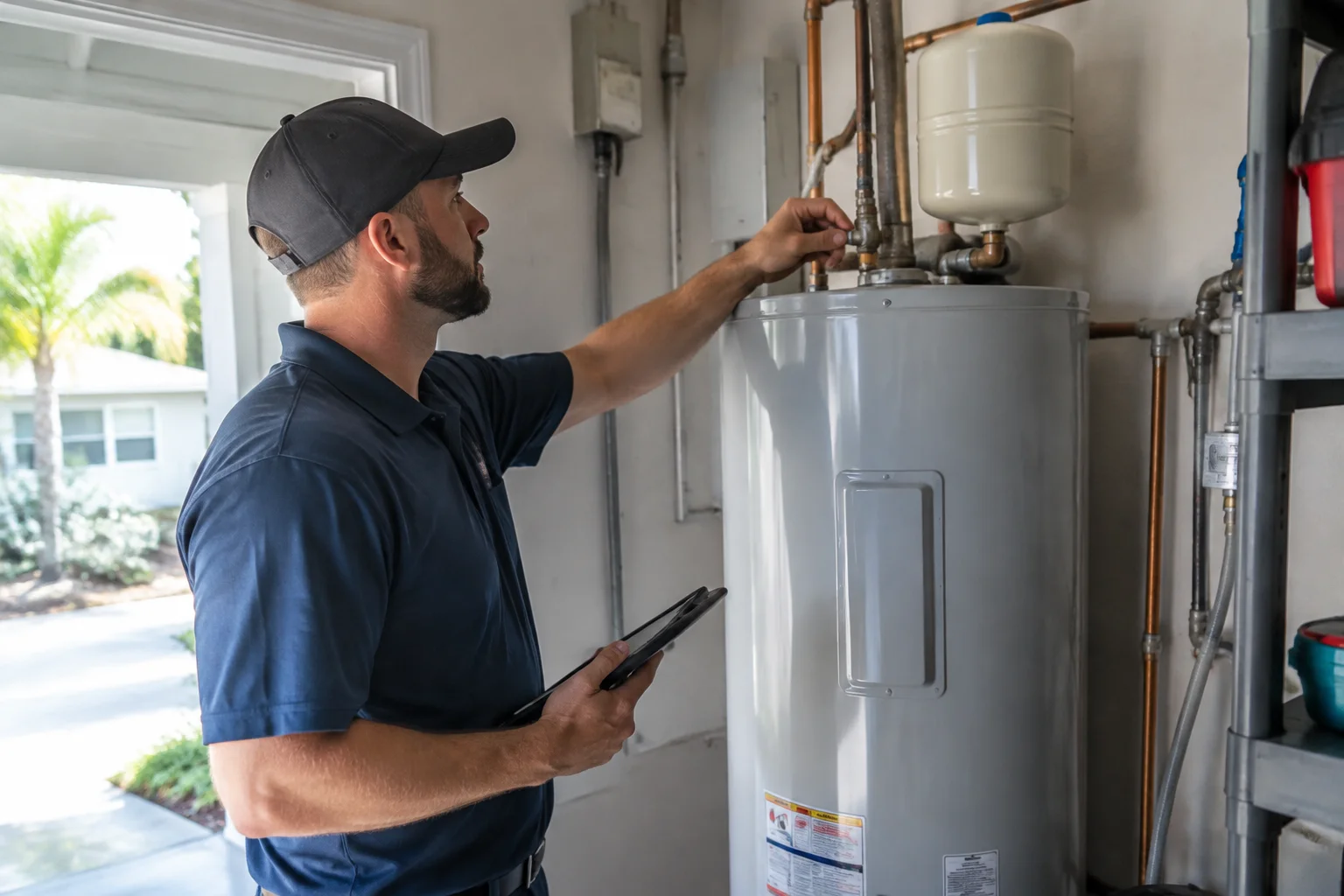
Hard water and mineral buildup can shorten the life of a water heater. In homes near the coast, water heaters also face the added challenge of humidity and corrosion. If your hot water runs out too quickly, takes too long to heat, or makes popping sounds, sediment buildup may be part of the problem.
Regular flushing and inspection can help the unit run more efficiently and may extend its service life. If your system is older or showing signs of wear, it may be worth comparing maintenance with replacement planning. Our post on What 30A Homeowners Should Know About Plumbing Replacement and the Maintenance That Protects It explains how preventive care can help protect long term plumbing investments.
Corrosion on exposed pipes and fittings
Salt air and moisture can speed up corrosion on metal components, especially in garages, crawl spaces, utility rooms, and outdoor connections. Rust on pipe straps, green buildup on copper fittings, or flaking around valves should not be ignored. Corrosion often means the material is already breaking down and may be close to failure.
This is one reason homeowners in coastal neighborhoods benefit from regular inspections. Catching corrosion early can prevent a burst line or a sudden leak that causes damage behind walls or under floors.
Maintenance habits that help prevent bigger repairs
Schedule regular inspections
A good plumbing inspection looks at more than just visible leaks. It should include supply lines, drains, shutoff valves, water heater condition, fixture performance, and signs of hidden moisture. In a coastal area, it also helps to check for corrosion and other signs of salt related wear.
Routine service is especially useful for second homes and rentals, where problems may sit unnoticed between guest stays. A maintenance visit can identify issues before they interrupt a booking or lead to an emergency repair.
Watch water pressure
High water pressure can stress fixtures, appliance connections, and pipes. Low pressure can point to buildup, a valve issue, or a hidden leak. Either way, pressure changes are worth paying attention to. Homeowners sometimes get used to these changes and ignore them, but steady pressure is a sign that the system is working as it should.
If pressure changes happen across multiple fixtures, it is a smart time to have the system checked. A professional can determine whether the issue is local to one fixture or part of a larger plumbing concern.
Flush and maintain the water heater
Water heaters benefit from routine maintenance just like any other major appliance. Flushing sediment, checking the anode rod, and looking for corrosion around connections can help prevent unexpected failure. In a humid climate, a neglected water heater may show wear faster than expected.
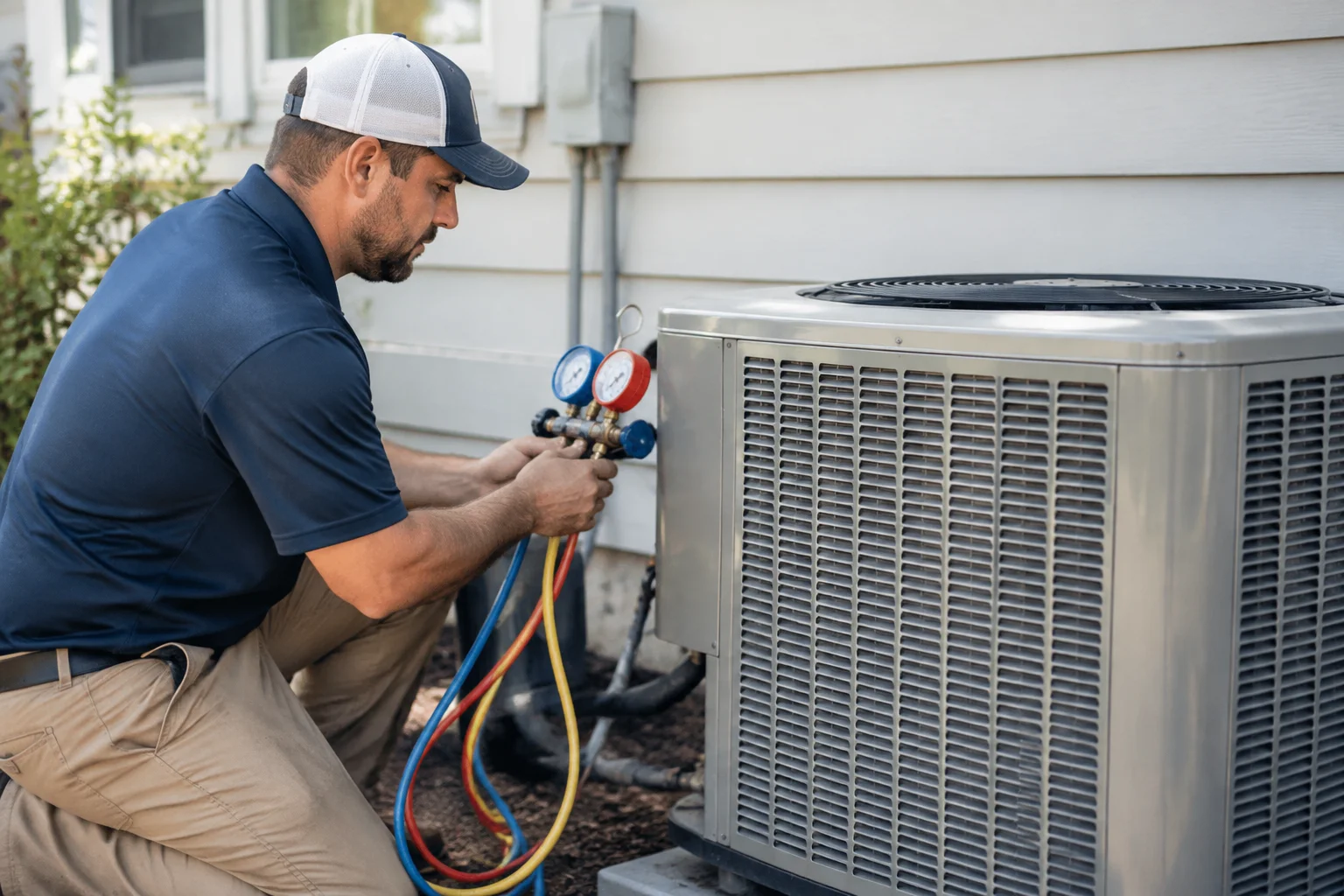
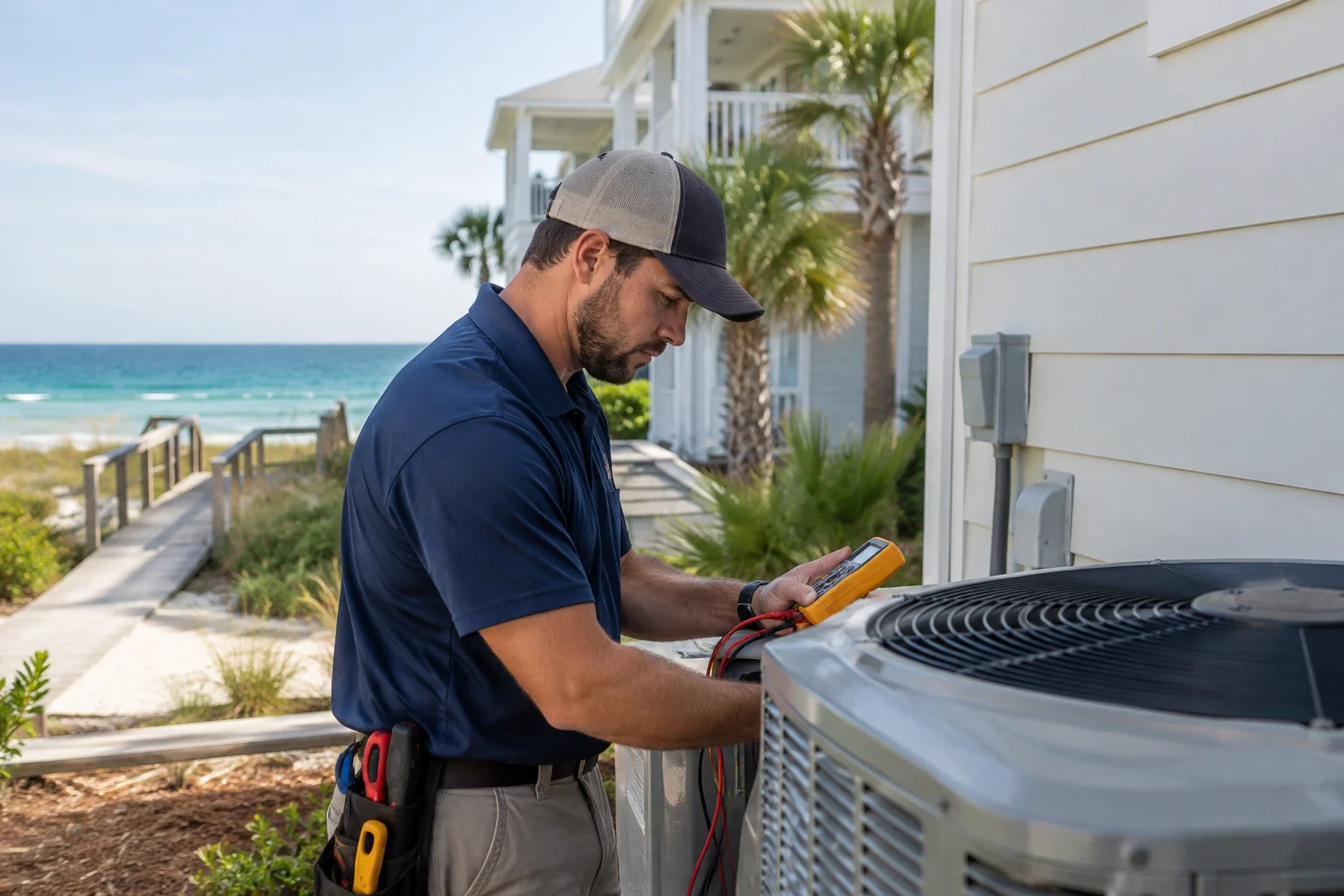
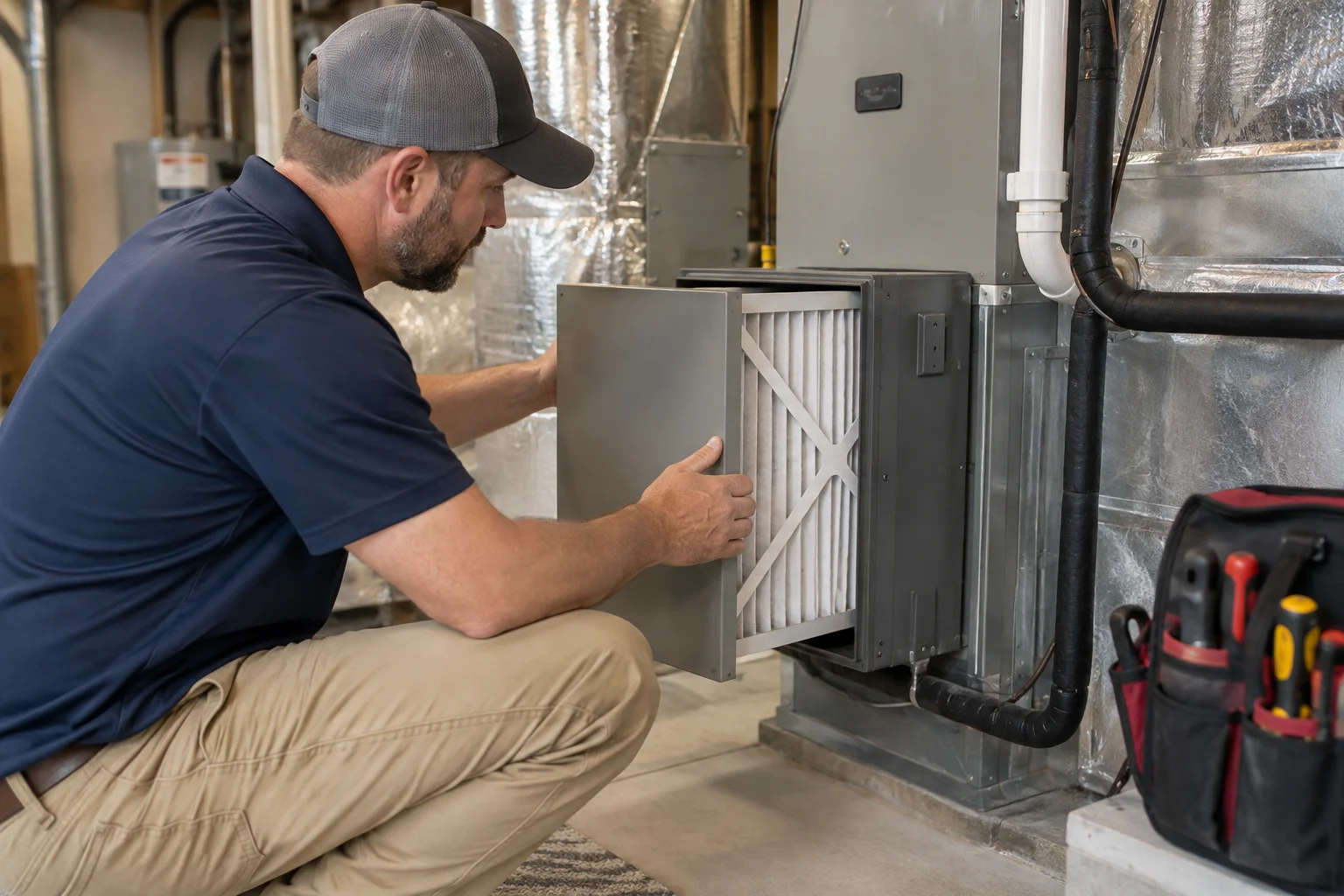
For homes that also rely on energy efficient systems, plumbing and HVAC maintenance often go hand in hand. A well maintained home may also benefit from related services like Heat Pump Services, Geothermal Energy Systems, and Air Filtration and Purifiers when indoor comfort and moisture control are part of the bigger picture.
Protect drains from buildup
Kitchen drains, bathroom sinks, and shower lines all benefit from simple care. Keep grease out of the kitchen sink, use drain strainers where needed, and avoid flushing items that do not belong in the system. In rental properties, clear guest guidance can reduce clogs caused by misuse.
Drain maintenance is one of the easiest ways to avoid emergency calls. If the same drain keeps clogging, the issue may be farther down the line and should be looked at before the blockage gets worse.
How local conditions in 30A affect plumbing maintenance
30A homes are often exposed to conditions that inland homes do not deal with as often. Humidity can make leaks harder to spot because surfaces dry slowly. Salt air can corrode fittings and fixtures. Seasonal occupancy can let a problem sit unnoticed for weeks. Even landscaping and irrigation can affect plumbing by increasing moisture near foundations or outdoor utility areas.
That is why local service matters. A plumber familiar with coastal homes understands which parts of the system need extra attention and which warning signs are more common in this area. A Superior Mechanical works with homeowners and property managers who need practical, preventative service that fits the realities of life along the Gulf Coast.
If you want more context on how the environment affects your system, Keeping 30A Plumbing Healthy in a Coastal Climate is a helpful companion piece. It explains why coastal conditions change the way plumbing ages and how maintenance can slow that process down.
Vacation rentals and second homes need a different maintenance rhythm
In 30A, many properties are not occupied every day of the year. That creates a different set of plumbing concerns. A small leak may sit unnoticed between visits. A toilet may run for hours without anyone hearing it. Traps can dry out, creating odors. Water heaters can sit idle and then be asked to work hard again when guests arrive.
For these homes, maintenance should be planned around occupancy patterns. Before busy rental seasons, it makes sense to inspect fixtures, drains, shutoff valves, and the water heater. Between stays, someone should verify that everything is dry, secure, and operating normally. Preventive service can help protect both the property and the guest experience.
When a professional should take a look
Some plumbing problems are easy to monitor, but others are better handled by a trained technician. Call for service if you notice repeated clogs, water stains, low pressure in multiple fixtures, rust or corrosion, a sudden spike in your water bill, or a water heater that is making unusual noises. Any sign of moisture inside cabinets, on floors, or around the base of fixtures should also be checked quickly.
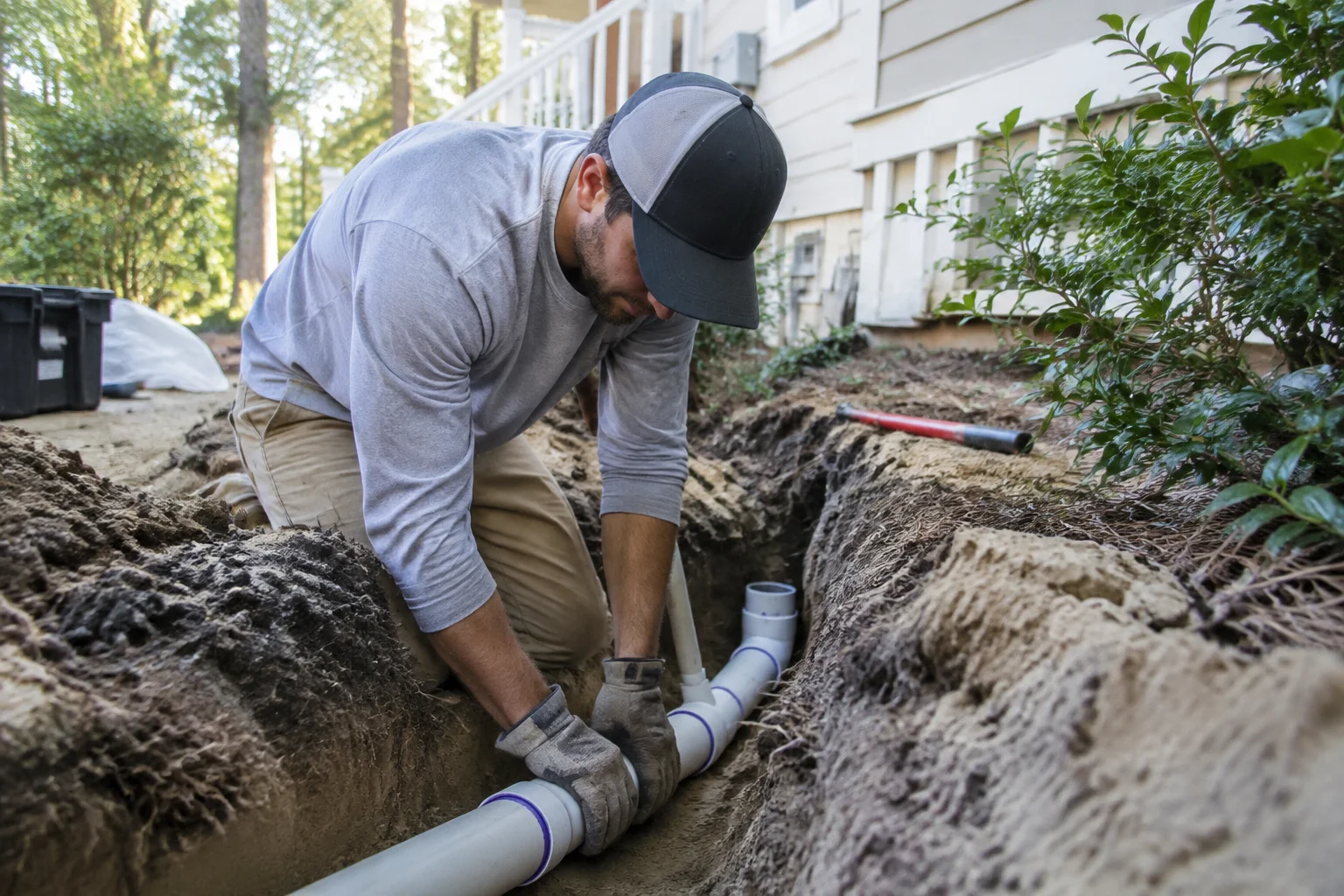
Professional maintenance can uncover issues that are not obvious from the surface. That includes hidden leaks, pipe wear, failing shutoff valves, and early signs of sewer or drain trouble. It is often less disruptive to handle these issues during a planned visit than after a pipe bursts or a drain backs up.
Simple habits that help between service visits
Homeowners can do a few things between maintenance appointments to keep plumbing in better shape. Check under sinks for moisture. Listen for running toilets. Watch how quickly tubs and sinks drain. Make sure outdoor hose bibs and exposed connections are not showing signs of wear. If you are away from the property for long periods, ask someone to inspect it regularly or consider a maintenance plan that includes seasonal checks.
It also helps to keep a record of repairs and service dates. That makes it easier to spot patterns, such as a fixture that needs repeated attention or a water heater that is losing performance faster than expected. Over time, those notes can help you make better decisions about repair versus replacement.
For homeowners who want a broader look at system quality, Better Plumbing Installation for Safer, More Reliable Homes in 30A offers useful context on how installation choices can affect long term maintenance needs.
Plumbing maintenance in 30A is about staying ahead of the climate, the property type, and the everyday wear that coastal homes experience. With the right inspections and a few consistent habits, homeowners can reduce emergencies, protect their investment, and keep water moving where it should.
Find Plumbing Maintenance in 30A, FL
If you need Plumbing Maintenance in 30A, FL, visit our local service page or contact A Superior Mechanical today.
Map of 30A, FL
Frequently Asked Questions
How often should plumbing maintenance be done in 30A, FL?
Most homes benefit from an annual plumbing inspection, but coastal homes, rentals, and older properties may need more frequent checks. Seasonal service can be especially helpful before peak occupancy.
What plumbing problems are most common in coastal homes?
In 30A, homeowners often deal with corrosion, slow drains, hidden leaks, water heater sediment, and fixture wear caused by humidity and salt air. Vacation homes can also develop problems that go unnoticed between visits.
Can regular maintenance really lower plumbing repair costs?
Yes. Catching small leaks, clogs, and worn parts early usually costs less than dealing with water damage, burst pipes, or major drain backups later. Preventive care also helps extend the life of fixtures and water heaters.
Related Articles
- Keeping 30A Plumbing Healthy in a Coastal Climate
- Keeping 30A Drains Moving: Practical Maintenance for Clogged Pipes and Lower Plumbing Costs
- Better Plumbing Installation for Safer, More Reliable Homes in 30A
- What 30A Homeowners Should Know About Plumbing Replacement and the Maintenance That Protects It
Photo Gallery