For many Niceville homeowners, a reverse osmosis system is one of the simplest ways to improve drinking water at the kitchen sink. It can help reduce impurities, improve taste, and give families more confidence in the water they use every day. But like any plumbing equipment, an RO system needs the right setup and regular attention if it is going to stay reliable.
In Niceville and across Okaloosa County, local conditions can put extra stress on water treatment equipment. Warm, humid weather can affect under sink components, coastal air can contribute to corrosion concerns in some homes, and older plumbing layouts may make installation and maintenance more complicated than expected. If you are comparing options for reverse osmosis systems in Niceville, FL, it helps to know which warning signs matter and how to keep the system working the way it should.
Why reverse osmosis systems need local attention
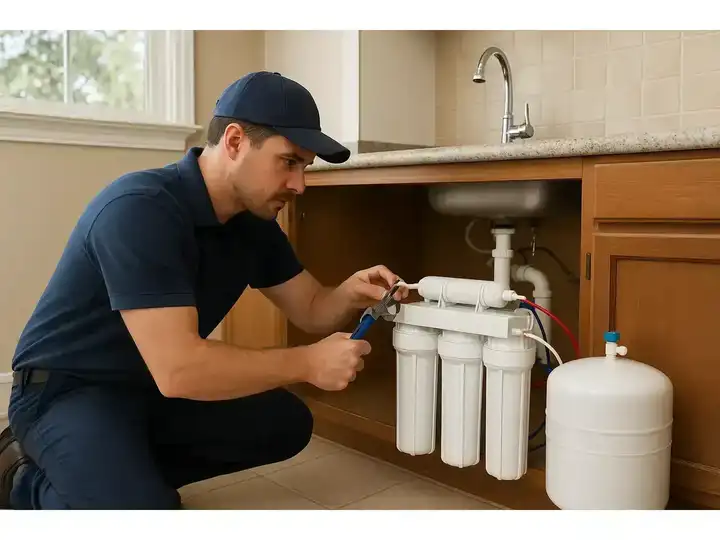
Reverse osmosis systems are designed to push water through a semi permeable membrane and multiple filters to remove a wide range of contaminants. That process is effective, but it also depends on water pressure, filter condition, membrane health, and proper drainage. When one part starts to fail, performance usually changes in ways homeowners can notice right away.
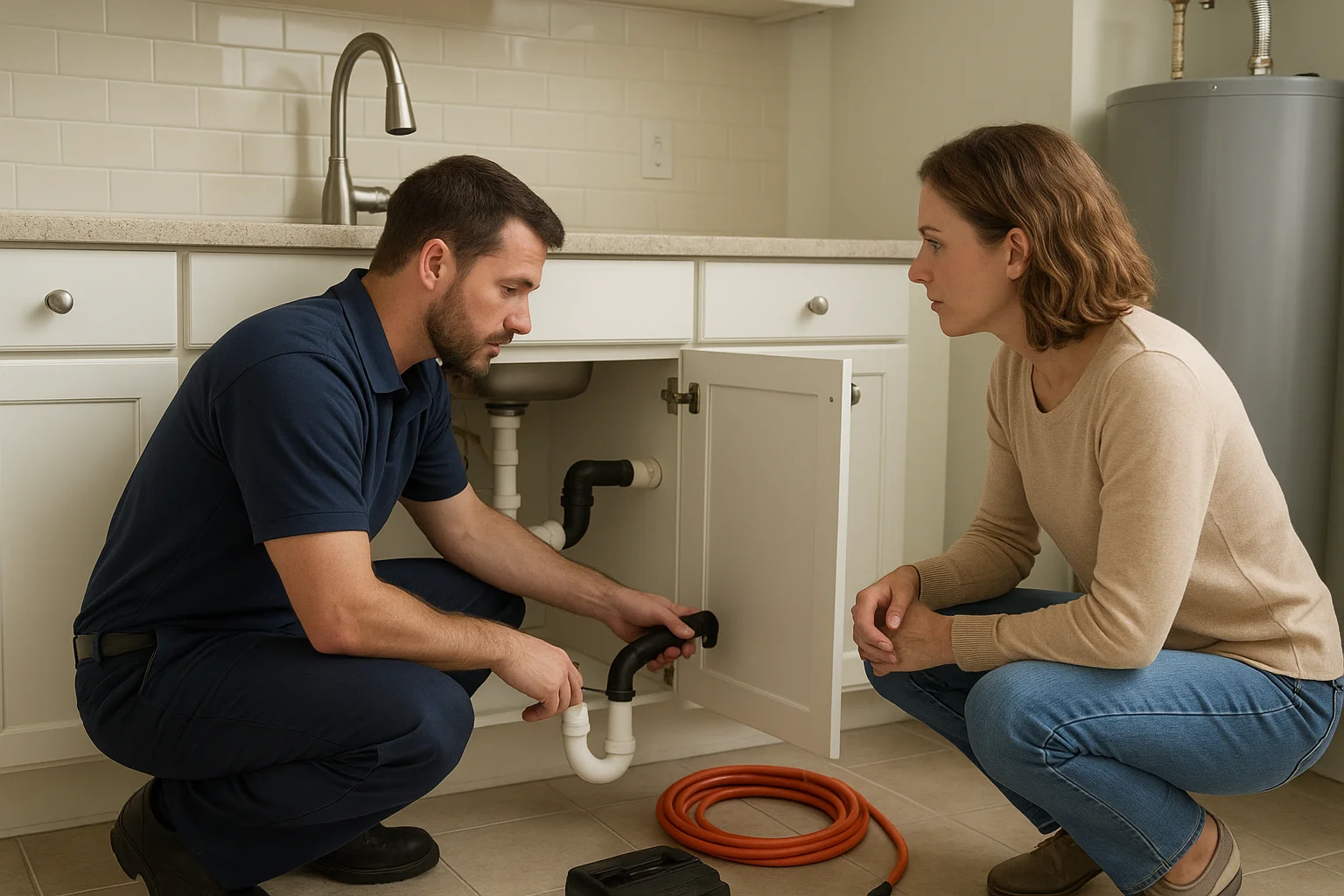
Niceville homes can face a few local challenges that make service important. Many properties in the area have compact under sink spaces, newer construction with tight plumbing runs, or older homes that have been updated over time. In those settings, an RO system may not be installed with enough room for easy filter changes or enough clearance for tubing and drain lines. If you live anywhere in Niceville or the surrounding county, having a plumber who understands local home layouts can save time and prevent repeat issues. That is especially true when the system is part of a broader plumbing plan for the home, something homeowners often think about alongside plumbing maintenance and other preventive care.
Problems homeowners should not brush off
Slow water flow at the faucet
A reverse osmosis faucet should deliver a steady stream after the tank has had time to refill. If the water starts coming out slowly or the flow gets weaker over time, the system may need new filters, a pressure check, or membrane service. Low flow can also point to a tank issue or a clogged drain line. In some homes, the problem is not the RO unit itself but another plumbing issue nearby that affects pressure throughout the kitchen.
Water that tastes or smells different
One of the main reasons homeowners install RO systems is to improve taste. If the water starts tasting metallic, flat, earthy, or just off, the filters may be saturated or the membrane may no longer be doing its job. A change in taste can also happen if the system has been sitting unused for a while, which is common in seasonal or part time homes around the Florida Panhandle. Because Niceville weather stays warm much of the year, unused systems can develop stale water faster than homeowners expect.
Leaks under the sink
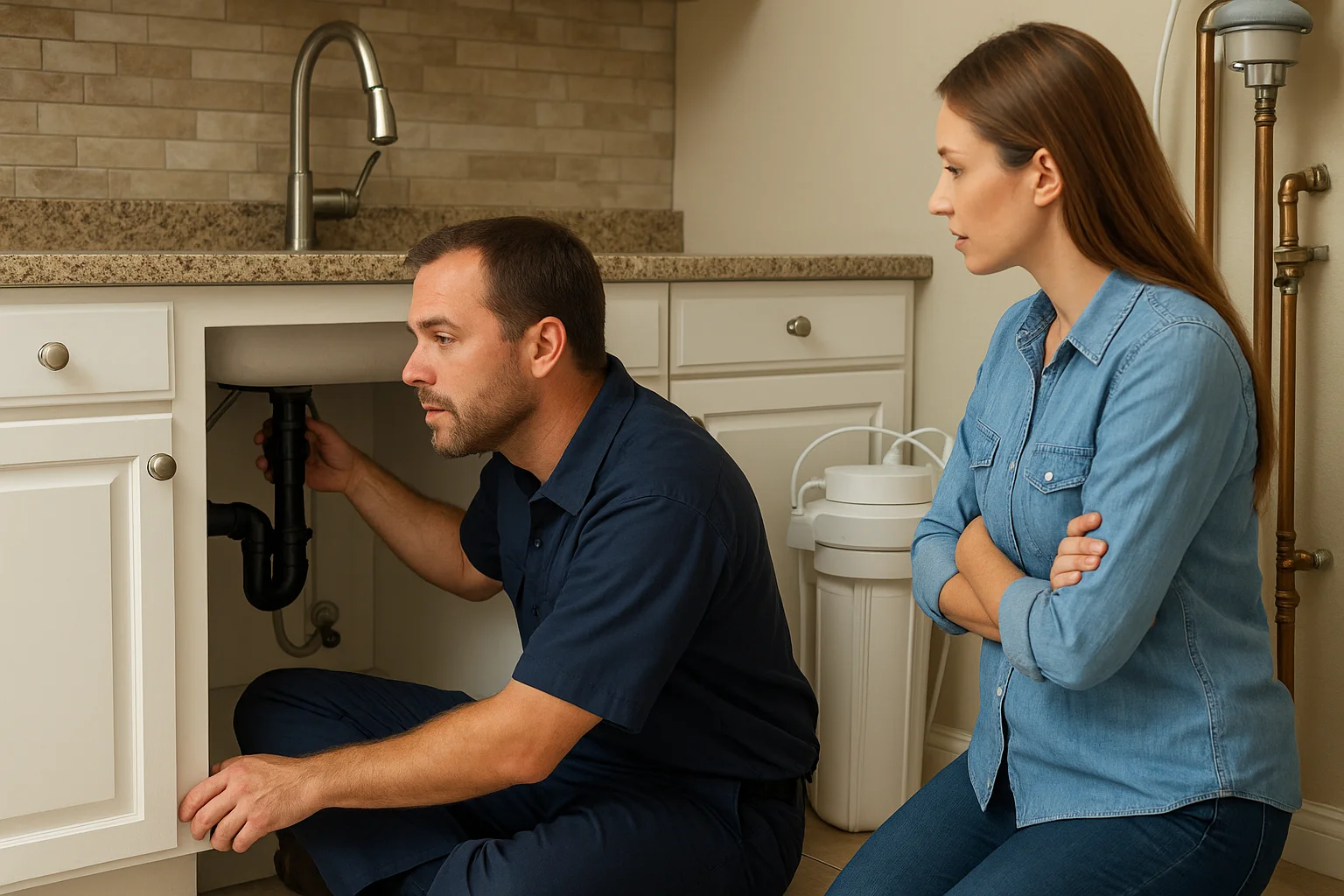
Even a small drip under the sink should be taken seriously. Reverse osmosis systems connect to several small tubes, fittings, and a storage tank, which means there are multiple places where leaks can develop. In humid Florida homes, a minor leak can stay hidden longer because the space under the sink may already feel damp. That can lead to cabinet damage, mold growth, or wood swelling if it is ignored. If you notice moisture around the RO unit, it is smart to schedule water leak repair before the problem spreads.
Cloudy water or air in the line
Some cloudiness in RO water is caused by tiny air bubbles and may clear after a short time. But if the water stays cloudy, has visible particles, or changes color, the system may need service. A damaged filter, a worn membrane, or contamination in the storage tank can all affect water quality. Homeowners in Okaloosa County should not assume the issue will go away on its own, especially if the system is supposed to be protecting drinking water for children, older adults, or anyone with a sensitive stomach.
Tank problems and cycling issues
If the RO tank seems slow to refill, never feels full, or the faucet sputters instead of flowing smoothly, the pressure in the tank may be off. A failing tank bladder or a pressure imbalance can make the whole system feel unreliable. In some cases, the issue is tied to the home’s plumbing or water pressure, which is why a trained technician is useful. The fix may be simple, but it usually takes the right tools to diagnose correctly.
What usually causes RO system trouble
Most reverse osmosis problems come down to a few common causes. Filters wear out on schedule, but many homeowners wait too long to replace them. When that happens, the membrane has to work harder and may fail sooner. Sediment buildup can also clog the system, especially if the home has older pipes or a water supply that carries more debris than expected.
Installation issues are another major cause. If the system was not sized correctly, if the drain line was routed poorly, or if the storage tank was not set up with the right pressure, the unit may never perform as well as it should. That is one reason local service matters. A plumber familiar with Okaloosa County homes can look at the full picture, not just the RO unit itself.
In Niceville, heat and humidity can also affect performance indirectly. Warm cabinet spaces can shorten the life of plastic parts, and damp conditions can accelerate wear around fittings and tubing. That is not a reason to avoid RO systems. It is simply a reminder that maintenance matters more in a climate like ours than many homeowners realize.
How to keep a reverse osmosis system working well
Stay on top of filter changes
Filter replacement is the simplest and most important maintenance task. Many systems use prefilters, a membrane, and a post filter, each with its own service schedule. If you are not sure when the last change happened, it is better to check than to guess. A fresh filter set helps protect the membrane and keeps water quality more consistent.
Watch for pressure changes
RO systems depend on pressure to operate properly. If the faucet output drops or the tank fills too slowly, the issue may be pressure related. Sometimes the cause is a worn filter, but sometimes the home’s plumbing needs attention. This is where broader service can help. Homeowners who already work with a trusted local plumber for water heater maintenance or other routine plumbing work often have an easier time catching these changes early.
Keep the area under the sink dry and clear
RO systems need space to breathe and room for service. Avoid stacking cleaning products, food items, or extra storage around the unit. Check the cabinet occasionally for moisture, loose tubing, or salt like deposits around fittings. A clean, dry cabinet makes leaks easier to spot and helps technicians access the system faster when maintenance is needed.
Schedule regular inspections
Even if the water still tastes fine, an annual or semiannual inspection can catch small problems before they turn into a full system failure. A technician can test water flow, inspect the membrane, check the tank pressure, and look for signs of wear that are easy to miss. For homeowners who value predictable costs, this kind of routine care can also make it easier to plan ahead financially. Some families even look into plumbing financing when a replacement or larger plumbing project makes more sense than another temporary repair.
Why local service makes a difference in Niceville
Local service matters because RO systems are not one size fits all. A home near the water may have different concerns than a home farther inland. A newer house may have tight cabinet space, while an older home may have plumbing that needs adjustment before an RO unit can be installed properly. A technician who works in Niceville every day understands those differences and can recommend a setup that fits the home instead of forcing a generic solution.
That local knowledge also matters when homeowners are comparing long term plumbing decisions. Some families want a simple repair, while others are trying to build a more dependable home water plan. In those cases, it can help to read about practical service approaches like How Niceville Homes Stay Ahead of Bigger Plumbing Problems with Commercial Service Know-How or Smarter Commercial Plumbing Decisions for Niceville Homes and Properties. Those topics may seem broader than an RO system, but they often reinforce the same idea: good plumbing decisions are easier when they are based on real conditions in the home, not guesswork.
When a replacement makes more sense than another repair
There comes a point when repeated filter changes and small fixes are not enough. If your RO system is older, leaking in multiple spots, or struggling to produce enough water even after service, replacement may be the better investment. Newer systems often run more efficiently, fit better in compact spaces, and provide more consistent water quality. They can also be easier to maintain if the old setup was difficult to access from the start.
Homeowners who are balancing home care costs often appreciate having options. That is one reason some people look into Why Homeowners Need Plumbing Financing in Niceville, FL before committing to a larger project. A well planned replacement can be less stressful than waiting for a complete failure, especially if the home depends on the RO system for daily drinking water.
Getting dependable drinking water in a coastal Florida climate
Niceville homeowners deal with a climate that is great for outdoor living but not always easy on plumbing equipment. Heat, humidity, and occasional storms can all affect the space where an RO system lives. That is why consistency matters. A properly installed and maintained system should give you clean water without constant attention, but it still needs periodic service to stay that way.
If your system has started to slow down, taste different, or leak, it is better to address it now than wait for the problem to spread. A Superior Mechanical provides reverse osmosis system installation, replacement, maintenance, and repair for homes across Niceville and Okaloosa County. For homeowners who want cleaner, better tasting drinking water from a system that is set up the right way, local service can make all the difference.
Whether you are upgrading an older unit or trying to keep a newer one running smoothly, the right help can protect both your water quality and your plumbing investment.
Find Reverse Osmosis Systems in Niceville, FL
If you need Reverse Osmosis Systems in Niceville, FL, visit our local service page or contact A Superior Mechanical today.
Map of Niceville, FL
Frequently Asked Questions
How often should reverse osmosis filters be changed in a Niceville home?
It depends on the system, water use, and local water conditions, but many RO filters need attention every 6 to 12 months. The membrane often lasts longer. A local plumber can check the setup and recommend a schedule that fits your home.
Why does my reverse osmosis water taste different all of a sudden?
A sudden taste change can point to worn filters, a failing membrane, or water sitting too long in the tank. In humid Niceville homes, unused systems can also develop stale water faster. It is a good idea to have the system inspected before the issue gets worse.
Can a reverse osmosis system leak without making a big puddle?
Yes. Small leaks under a sink often start as slow drips or damp spots around fittings, tubing, or the storage tank. In Florida’s humid climate, those leaks can be easy to miss until cabinet damage starts. If you notice moisture, schedule service quickly.
Is it worth repairing an older reverse osmosis system?
Sometimes, especially if the problem is limited to filters, fittings, or tank pressure. But if the system has repeated leaks, poor flow, or multiple failing parts, replacement may be the more reliable choice. A technician can help compare both options.
Related Articles
Photo Gallery