In Wright, FL, coastal weather can change quickly. Heavy rain, wind, lightning, salt air, and fast moving storms all put pressure on a home’s electrical system. For many homeowners, the first problem shows up during an outage, but the real damage often starts earlier inside the panel, wiring, outlets, and connected equipment. That is why power generator installation and maintenance in Wright, FL should be part of a broader electrical protection plan, not a stand alone purchase.
A dependable backup system does more than keep the lights on. It helps protect refrigerators, communication equipment, medical devices, security systems, ceiling fans, and other essential circuits when the utility power drops. It also reduces the chance that a sudden restart after an outage will stress older wiring or uncover a weak breaker, loose connection, or overloaded panel. For homeowners searching for power generator installation and maintenance in Wright, FL, the smartest approach is to look at the whole electrical picture, not just the generator itself.
Why coastal weather makes electrical planning matter more
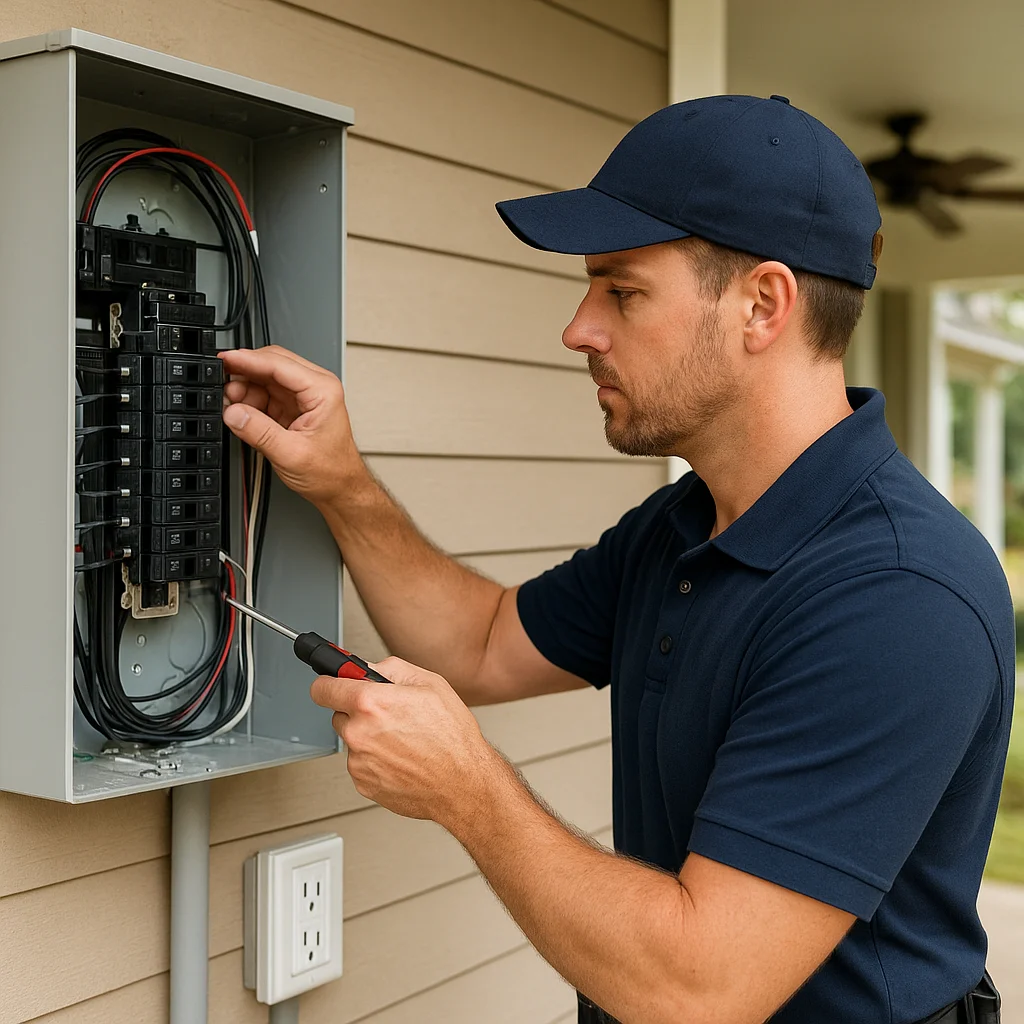
Homes in Wright and across Okaloosa County deal with conditions that can wear on electrical systems faster than many people expect. Salt in the air can accelerate corrosion on outdoor equipment. Humidity can affect connections, especially when boxes, conduits, or exterior outlets are already aging. Storm season adds another layer of risk with lightning strikes, power surges, and repeated outages that can weaken breakers and sensitive devices over time.
Older homes may have panels that were sized for a simpler load than today’s households need. Newer homes and remodels often add more demand through larger kitchen appliances, home offices, smart devices, electric vehicle charging, and outdoor living features. If the system was not planned for that load, the first sign of trouble may be tripping breakers, dimming lights, or outlets that stop working after a storm. In some cases, homeowners searching for electrical services in Wright are really dealing with a mix of aging equipment and new power demand.
What a generator does for the rest of the electrical system
A generator is only one part of storm readiness. The transfer equipment, panel capacity, grounding, and branch circuits all need to work together. If the system is not set up correctly, a generator may not carry the loads you expect, or it may expose hidden problems in the wiring. That is why proper installation matters just as much as the equipment itself.
For many homes, a backup system should be paired with a panel review to confirm that the circuits you want to support are clearly identified and properly balanced. Kitchen refrigeration, lighting, internet equipment, sump or well related electrical loads where applicable, and a few key outlets are often better candidates than trying to power the entire house without a plan. In some cases, a whole home backup solution makes more sense, especially for larger homes, vacation rentals, or properties with higher electrical demand.
Panels, breakers, and transfer equipment need to match the load
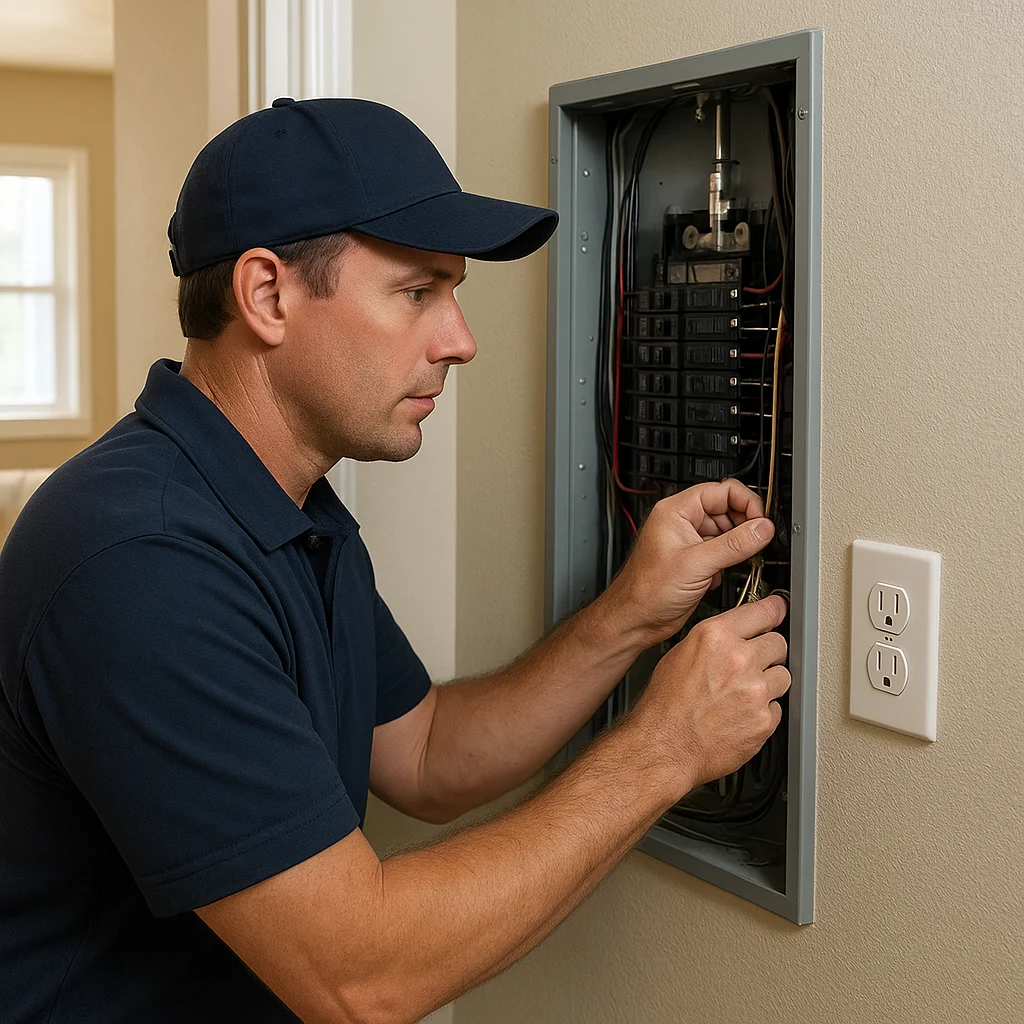
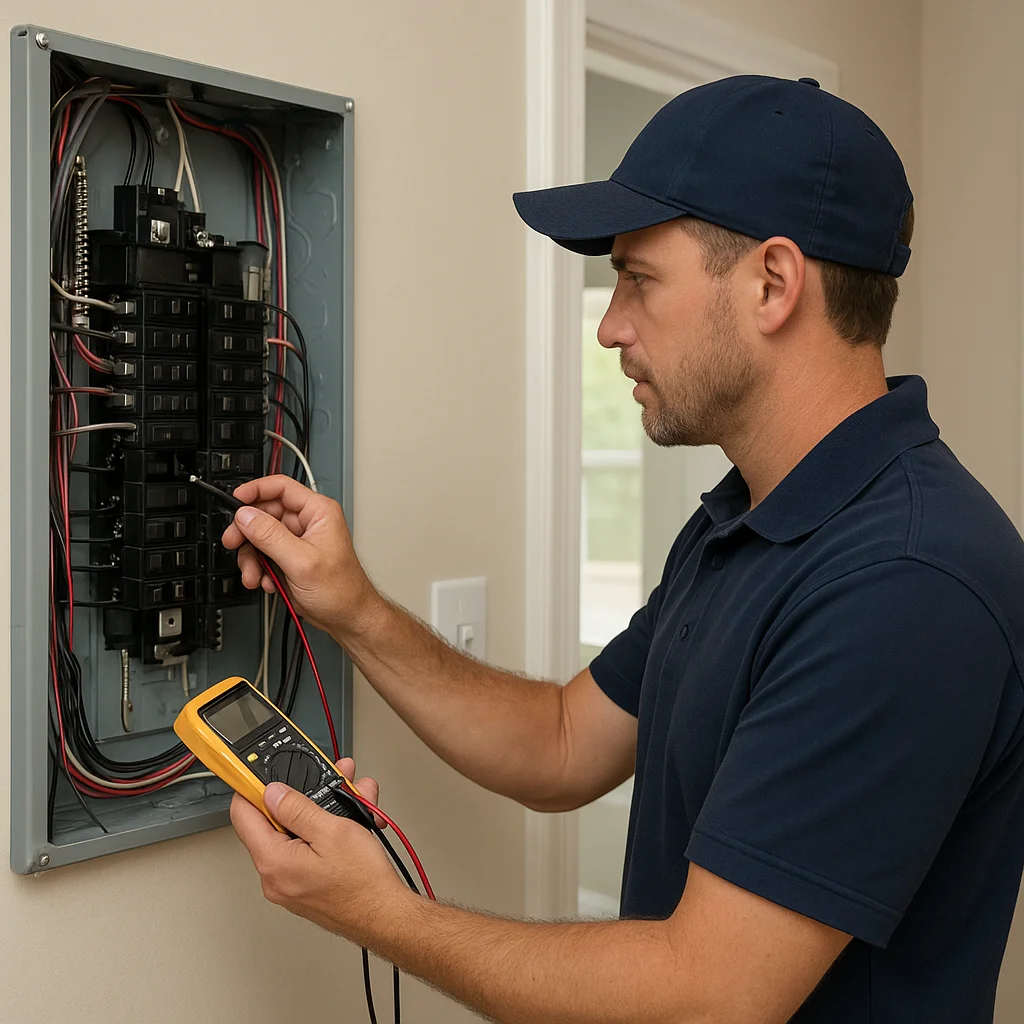
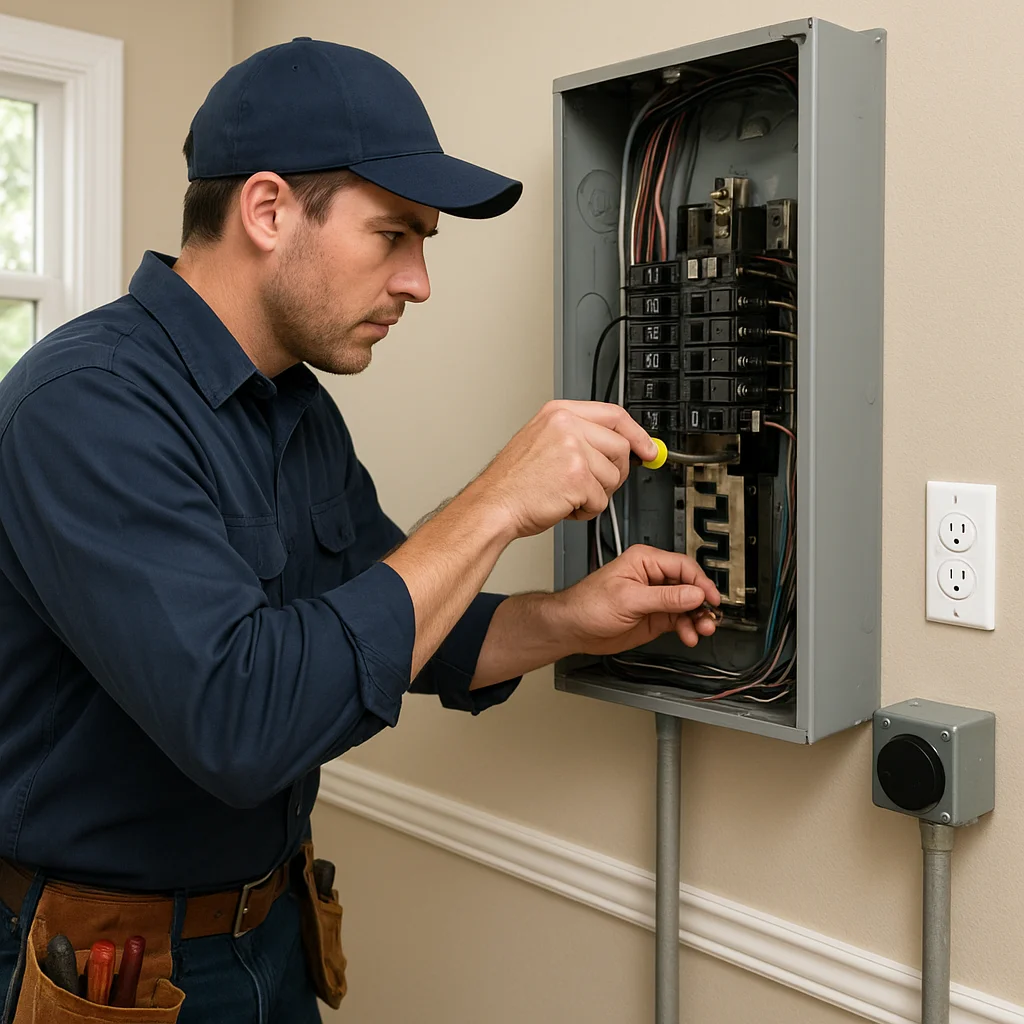
A generator cannot make up for a weak panel. If breakers are already worn, if the panel has signs of heat damage, or if the home has repeated nuisance tripping, those issues need attention before storm season. A panel with corrosion, loose lugs, or outdated components may not safely accept backup power. That is why many homeowners ask for an electrical panel inspection before they commit to generator installation.
If a home needs a breaker box replacement or a broader panel upgrade, it is better to handle that work before the next major storm. A properly sized panel helps protect circuits for lighting, outlets, ceiling fans, refrigeration, and dedicated appliances. It also makes it easier to add surge protection, EV charging, or future electrical upgrades later.
Common electrical problems a generator plan can help prevent
Storm related outages are only part of the story. Electrical damage can happen when the power comes back on too. A strong backup plan, along with the right protection devices, can help reduce the risk of burned outlets, damaged electronics, and stressed appliances.
Surges that travel through the home
Lightning and utility switching can send a surge through wiring and connected equipment. Whole home surge protection is one of the best defenses for homes in Wright because it helps protect the panel and branch circuits before the surge reaches sensitive devices. It is especially useful in homes with smart thermostats, televisions, computers, garage door openers, and appliances with electronic controls.
Overloaded circuits and repeated breaker trips
When a generator is installed without a proper load plan, homeowners may try to run too many things at once. That can lead to tripped breakers, overheated wiring, or outlets that stop working until the circuit is reset. If you have ever searched for emergency electrical services after a storm because the panel would not stay on, the issue may be deeper than the outage itself.
Outlets and switches that were already vulnerable
GFCI outlets, exterior receptacles, and older interior outlets are often the first places moisture and wear show up. A storm can push an already weak outlet over the edge. If an outlet feels warm, sparks, or stops holding a plug securely, it should be checked right away. That is often how an outlet repair near me search points to a bigger wiring issue, especially in older homes or additions with mixed wiring ages.
Generator maintenance protects the system you are counting on
Installation is only the first step. A generator that sits unused for months may fail when it is needed most if maintenance is ignored. Fuel systems, batteries, transfer switches, connection points, and test cycles all matter. In coastal Florida, moisture and salt air can make routine maintenance even more important.
Regular service should include checking for corrosion, verifying startup performance, confirming battery condition, inspecting connections, and making sure the generator can support the intended load. That is especially important before hurricane season, after long periods of inactivity, or after a major outage. Homeowners who want peace of mind often schedule seasonal service along with electrical inspections so problems can be caught before they turn into emergency repairs.
For properties with vacation rental turnover, maintenance matters even more. Guests expect the lights, outlets, internet, and kitchen appliances to work without interruption. A backup system that is not maintained can create avoidable complaints, damage to appliances, or lost bookings. Local electrical maintenance helps keep those systems ready.
Other upgrades that support storm readiness
Generator installation works best when the rest of the home’s electrical system is in good shape. In many Wright homes, storm readiness also includes targeted upgrades that make the house safer and easier to manage during outages.
Dedicated circuits for important equipment
Refrigerators, freezers, sump pumps, charging stations, and sensitive electronics often perform better on dedicated circuits. That reduces nuisance tripping and makes it easier to prioritize loads during backup power use. Homeowners interested in dedicated appliance circuits may find that this upgrade improves everyday reliability as well as storm performance.
Lighting and safety devices
Storm readiness is not just about power generation. It also includes safe lighting and working detectors. Interior and exterior lighting should be checked for corrosion, loose fixtures, or water intrusion. Motion lighting, porch lighting, and security lighting can help when storms knock out neighborhood power. Smoke detector installation should also be part of the plan, since outages and generator use should never interfere with life safety devices.
EV chargers and modern electrical loads
More Wright homeowners are adding electric vehicles, outdoor kitchens, and expanded entertainment spaces. Those projects can change how a panel is loaded and how backup power should be planned. If your home already has an EV charger or you are considering one, the system may need a dedicated circuit and a panel review before generator work begins. A homeowner searching for electric car charger installation near me often benefits from a broader electrical assessment at the same time.
When generator work points to a larger electrical repair
Sometimes a generator request uncovers a bigger issue. A service mast that is damaged, a panel with corrosion, aluminum wiring that needs attention, or outlets that fail under load can all affect how safely backup power works. If your lights flicker, breakers trip often, or you notice a burning smell near a panel or outlet, the problem needs immediate attention from a qualified electrician. In those cases, a homeowner may need same day electrical help instead of waiting for a scheduled upgrade.
That is also true for homes that have had additions or remodels. New rooms, outdoor spaces, and kitchen updates can add demand that the original panel never had to handle. The best time to address those concerns is before storm season, not after the first outage. A local electrician can review the load, inspect the wiring, and recommend whether panel service, rewiring, outlet repair, or grounding corrections are needed.
Why local service matters in Wright
Working with a local electrical contractor means the system is planned around Wright’s climate, housing stock, and storm patterns. Some homes need extra attention because they were built decades ago. Others need upgrades because they were remodeled without a full electrical review. Local service also matters during emergencies, when quick response can make the difference between a minor repair and a major loss.
Homeowners often search for an emergency electrician near me after an outage exposes a failing panel, damaged outlet, or dead circuit. A better outcome is to schedule an inspection before the weather turns. That gives you time to correct code issues, replace worn parts, and confirm that the generator is ready to carry the loads that matter most.
A practical storm readiness checklist for Wright homes
Before the next storm season, it helps to walk through a few basics:
Check that the electrical panel is labeled clearly and has room for the circuits you plan to support.
Test GFCI outlets, outdoor receptacles, and bathroom outlets to confirm they reset properly.
Look for loose switches, warm outlets, flickering lights, or breakers that trip more than once.
Make sure smoke detectors are installed and working on every level of the home.
Review whether lighting, ceiling fans, and key appliances are on the right circuits.
Confirm that surge protection is in place and that the generator has been serviced recently.
If you are adding major equipment or expanding the home, consider whether a generator installation and maintenance plan should be paired with panel upgrades, code corrections, or rewiring. For homeowners comparing options, a trusted Wright electrician can evaluate the full system and recommend the safest path forward.
Electrical issues that should not wait
Some problems are too important to postpone. A burning smell near the panel, repeated breaker trips, buzzing from a breaker box, outlets that are discolored, or a generator that will not transfer properly all deserve fast attention. If you are dealing with one of those issues, searching for 24 hour electrical help may be the right move, especially during storm season or after a power outage.
For older homes, issues like aluminum wiring, outdated grounding, or a panel that has reached the end of its service life can affect both everyday safety and generator performance. For newer homes, the concern may be capacity, especially if the household has added EV charging, more electronics, or outdoor living features. Either way, a full electrical review helps prevent surprises when the weather turns rough.
Power generator installation and maintenance in Wright, FL works best as part of a complete electrical strategy. With the right panel, wiring, protection devices, and routine service, your home is better prepared for coastal weather, outages, and the demands of modern living.
If you want a closer look at how planning and prevention can improve a home’s electrical reliability, this guide to smarter electrical planning for Wright homes is a helpful next read.
Find Power Generator Installation and Maintenance in Wright, FL
If you need Power Generator Installation and Maintenance in Wright, FL, visit our local service page or contact A Superior Mechanical today.
Map of Wright, FL
Frequently Asked Questions
Do I need a panel upgrade before installing a generator?
Not always, but many Wright homes do. If the panel is older, overcrowded, corroded, or struggling with tripped breakers, a panel review should come first so the generator can operate safely and support the right circuits.
How often should a home generator be serviced in coastal Florida?
At least once a year, and often before hurricane season. In coastal conditions, it is smart to check batteries, connections, corrosion, and startup performance more often if the unit sits unused for long periods.
Can a generator help protect my appliances during storms?
Yes, especially when it is paired with whole home surge protection and a properly designed transfer setup. It helps keep refrigerators, electronics, lighting, and other essential loads from being interrupted by outages and unstable power restoration.
What electrical problems should I fix before storm season?
Loose outlets, frequent breaker trips, flickering lights, damaged outdoor receptacles, missing GFCI protection, outdated panels, and any burning smell near electrical equipment should be handled before the next storm arrives.
Related Articles
- Smart Electrical Planning for Wright Homes: Panels, Wiring, Outlets, and Prevention
- How Electrical Wear and Tear Shapes Commercial New Construction in Wright, FL
- Keeping Wright Homes Powered Safely With Dedicated Appliance Circuits
- A Practical Guide to Smarter Commercial Plumbing Maintenance in Wright, FL
Photo Gallery