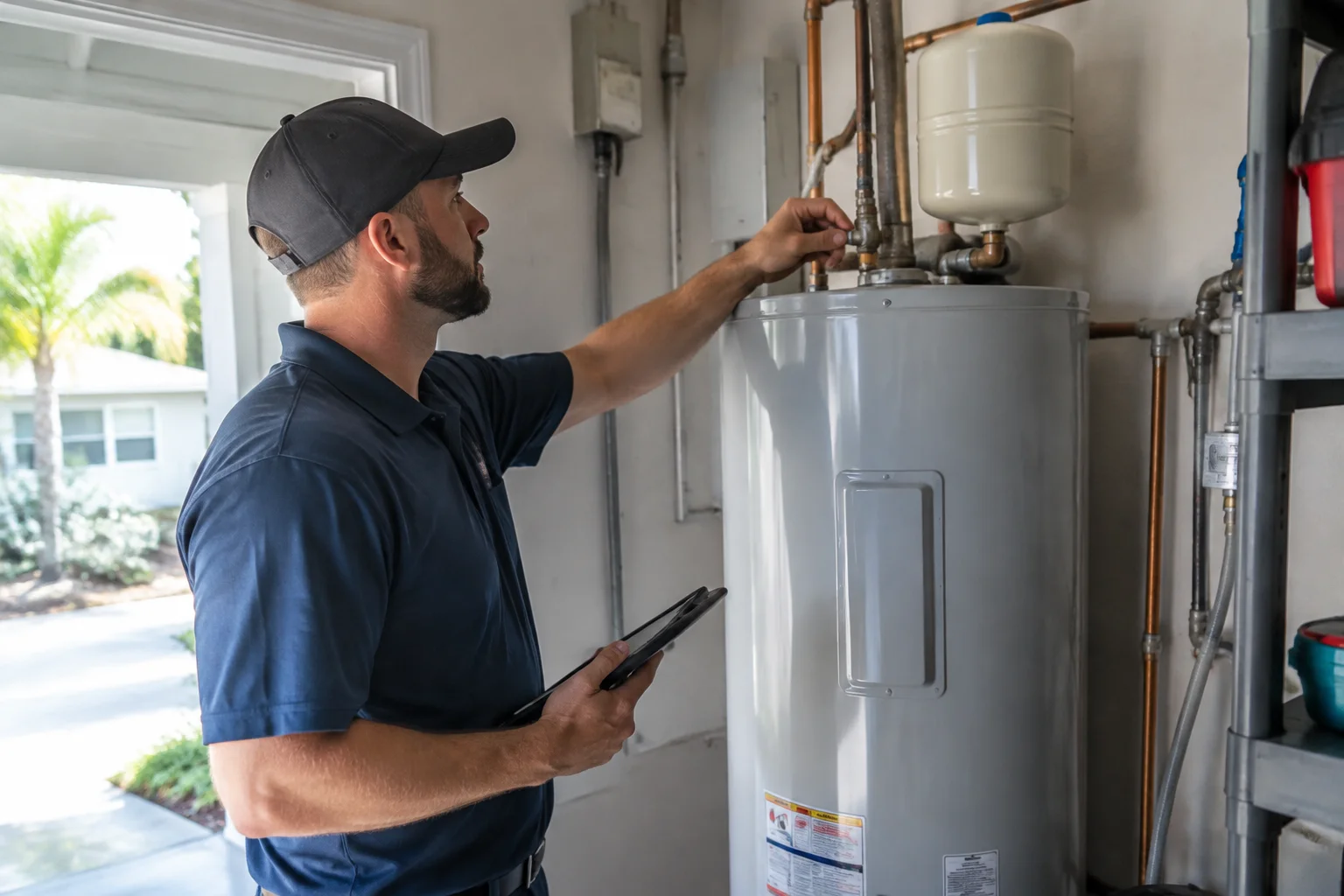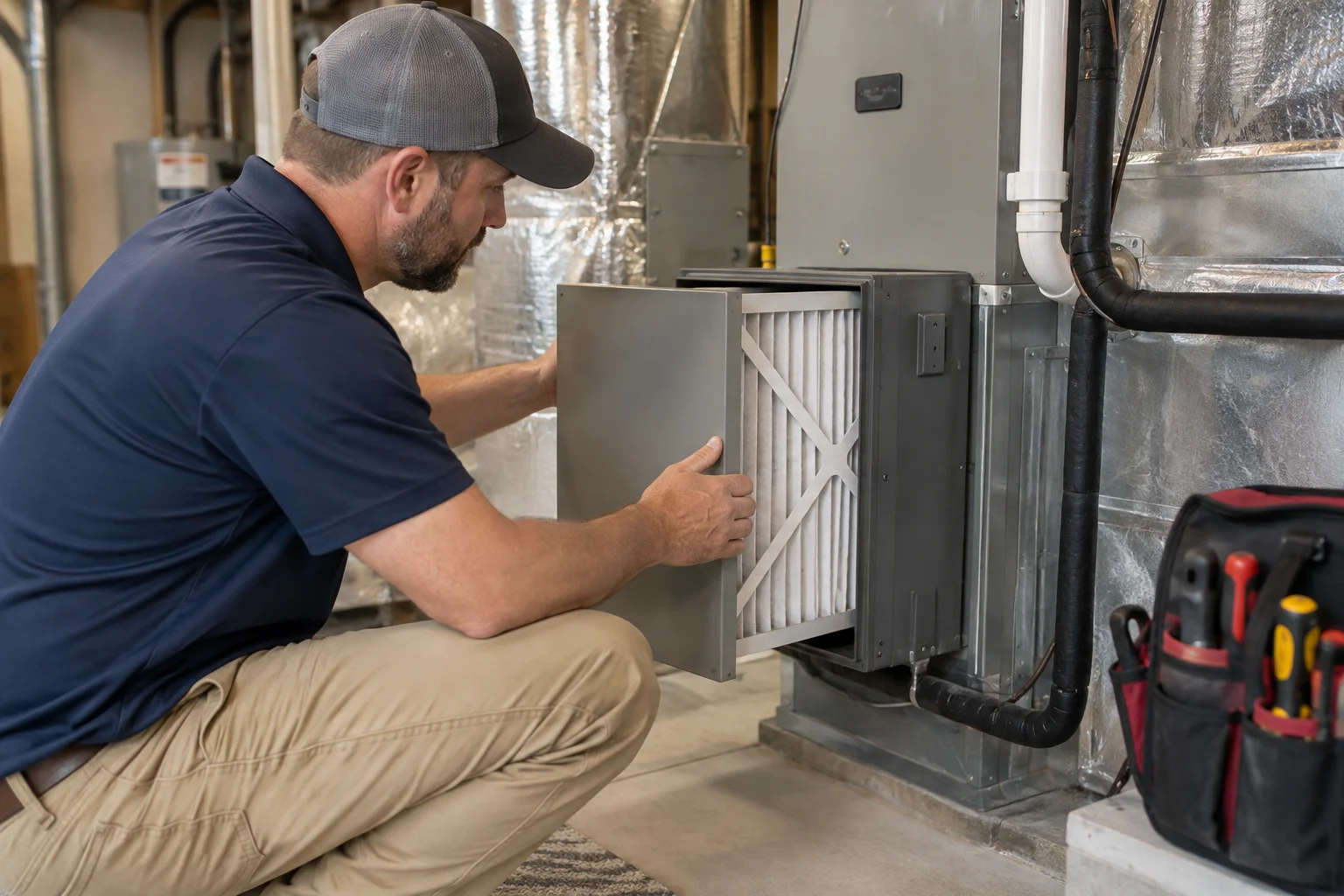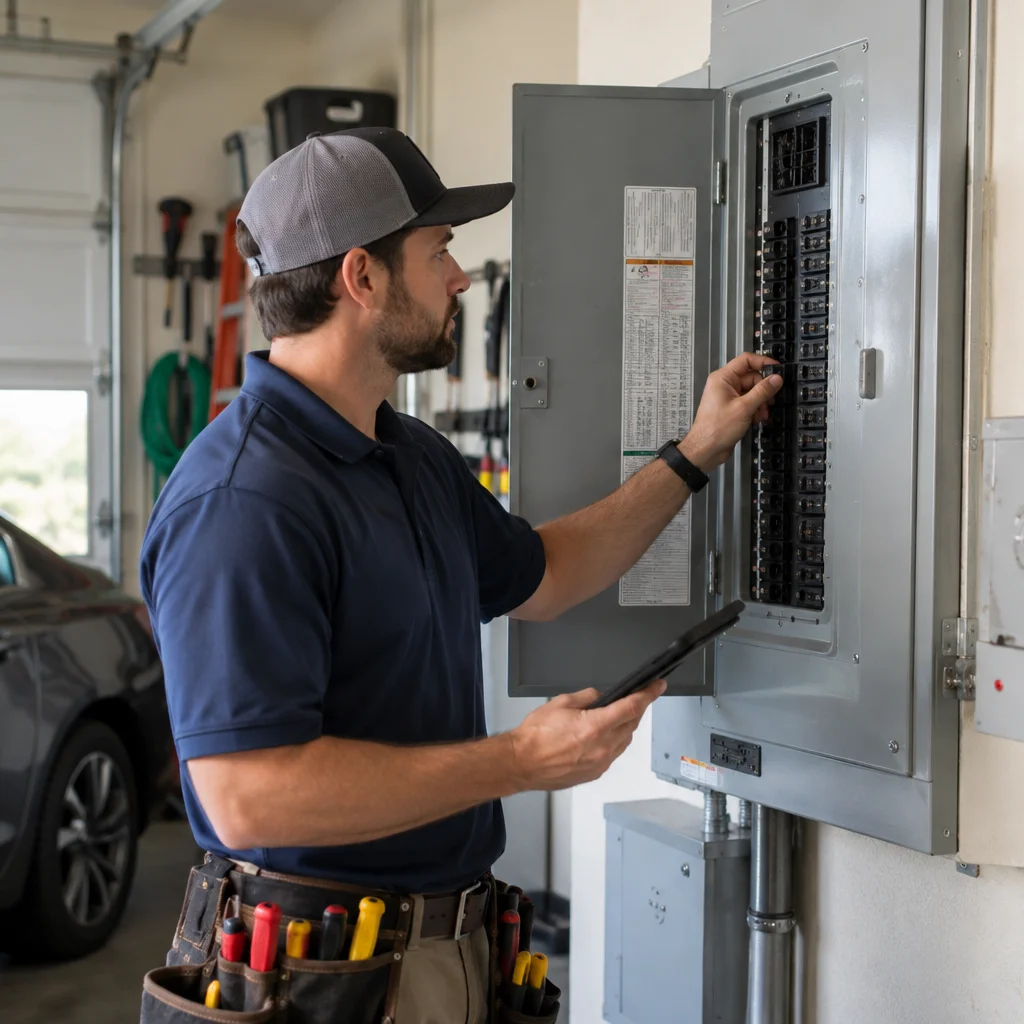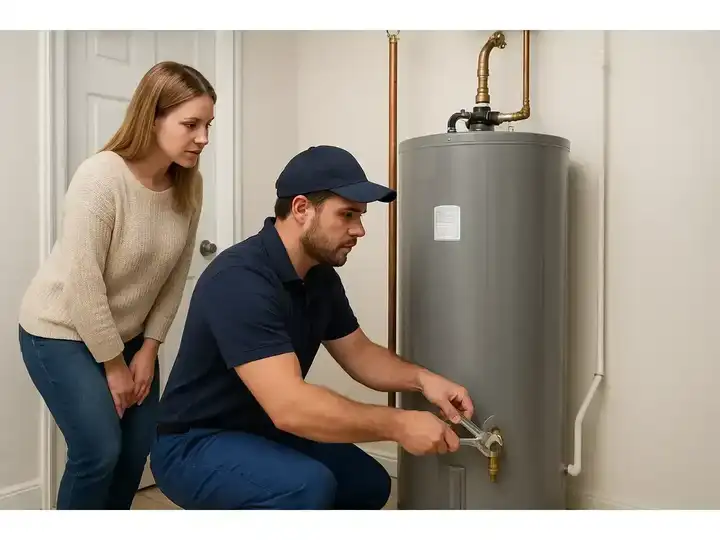
Water heaters in Laguna Beach, FL work in a setting that can be hard on plumbing equipment. Coastal humidity, salt air, and year round use all add stress to both tank and tankless systems. For local homeowners, rental property owners, and small business managers, getting a repair done is only part of the job. The real goal is making sure the fix lasts.
That is where professional water heater repair in Laguna Beach, FL makes a difference. A careful diagnosis can help stop repeat breakdowns, reduce energy waste, and protect the rest of the plumbing system. For properties across Laguna Beach and the wider Bay County area, long term results usually come from fixing the root cause instead of just the symptom.
Why water heaters in Laguna Beach need a little more attention
Laguna Beach properties often deal with conditions that shorten the life of plumbing equipment. Moist air can speed up corrosion on exposed parts. Salt carried in the air can also be rough on metal components, especially in homes close to the coast. Even when a water heater is installed indoors, the environment around the home still matters.
Many homes in the area are used as primary residences, seasonal homes, or vacation rentals. That means some water heaters see bursts of heavy use, then periods of inactivity. Both patterns can create problems. A unit that sits too long may develop sediment buildup, while a heavily used system may wear out heating elements, valves, or burners faster than expected.
Local service matters because an experienced technician understands how these conditions affect repair choices. A quick patch may get hot water flowing again, but a better repair plan looks at water quality, venting, pressure, corrosion, and maintenance history too.
Problems homeowners should not ignore
Rumbling, popping, or knocking sounds
Noise from a water heater often points to sediment inside the tank. In areas with mineral rich water, sediment can settle at the bottom and harden. When the burner or heating element runs, water trapped under that layer can boil and make popping sounds. Over time, this can reduce efficiency and increase wear on the tank.
If the sound is ignored, the heater may need more frequent repairs and may fail sooner. Flushing the tank can help in some cases, but if sediment has already caused damage, the repair may need to include other parts as well.
Rust colored water or metallic taste
Rusty water is often a warning sign that corrosion is developing inside the tank or in nearby plumbing. If the water appears rusty only when the hot water is running, the heater is a likely source. In some cases, the anode rod may be worn out. That rod is designed to take corrosion first, but it does not last forever.
Rust should not be treated as a minor nuisance. It can point to internal tank deterioration, and once the tank itself begins to rust through, repair options become limited.
Water around the base of the heater
Moisture around the unit can come from loose fittings, a failing valve, condensation, or a cracked tank. The source matters. Small leaks may be repairable, but tank leaks usually mean the unit is nearing the end of its service life.
If you notice water on the floor, do not wait for it to get worse. For properties where leaks could spread into flooring or nearby walls, it may also be smart to look at leak detection and slab leak services. Catching a hidden plumbing issue early can prevent a much larger repair bill.
Hot water that runs out too fast
When a water heater no longer keeps up, the cause may be a bad thermostat, a failing heating element, sediment buildup, or a unit that is simply too small for the property’s needs. In vacation rentals and small commercial properties, demand can change quickly depending on occupancy, so a system that once worked fine may no longer be enough.
Repairing the wrong part wastes time and money. A good technician will check the entire system before recommending a fix. If the issue is more about controls and usage patterns, homeowners may also benefit from upgrades like smart thermostat installation or heating control systems for better temperature management in the home or building.
Foul smelling hot water
Water that smells like rotten eggs is often linked to bacteria reacting with the anode rod or sediment in the tank. While the smell may seem like a water quality issue alone, it often starts inside the heater. Flushing the tank, replacing the anode rod, or adjusting water treatment may help depending on the cause.
Because the issue can return if the underlying condition is not addressed, this is one of those problems where a proper diagnosis saves time later.
What leads to repeat water heater repairs
Some water heater repairs fail early because the original problem was not fully solved. A technician may replace a part without checking the rest of the system, or a homeowner may choose the least expensive fix when the heater is already showing signs of broader wear. In a coastal community like Laguna Beach, that can lead to repeated service calls.
Common causes of repeat issues include:
Corrosion on valves, fittings, or the tank itself
Sediment buildup from mineral heavy water
Improper temperature settings that strain the system
Loose electrical connections or worn gas components
Pressure problems in the plumbing system
Ventilation or combustion issues on gas units
Old equipment that is past its reliable service window
If your home or rental property has had more than one repair in a short period, it may be time to ask whether the unit needs a more complete service plan. That is especially true for properties with frequent guest turnover or shared hot water demand.
How to get better long term results from a repair
Start with the right diagnosis
Good repairs begin with a full inspection. That means checking the tank, controls, valves, burner or elements, venting, and nearby plumbing connections. It also means listening to the homeowner’s description of the problem. Did the issue start slowly? Has the water heater been noisy for months? Is the problem constant or only during high use?
Those details help pinpoint the cause and prevent unnecessary part swaps.
Fix the source, not just the symptom
If a water heater is leaking because of high pressure, replacing a valve alone may not solve it. If sediment is causing noise, the tank may need flushing and maintenance in addition to the failed part. If the thermostat is misreading temperatures, the system may need recalibration or replacement of the control.
Long lasting repairs usually address the reason the part failed in the first place.
Use maintenance to protect the repair
After a repair, a simple maintenance routine can make a big difference. That may include annual flushing, checking the anode rod, testing the pressure relief valve, and keeping the area around the heater dry and clear. For homeowners who want a broader home comfort plan, Keeping Water Heaters Reliable in Laguna Beach: A Homeowner’s Maintenance Guide offers a practical look at routine care.
In homes where plumbing and HVAC systems share tight utility spaces, it is also worth thinking about overall equipment management. Articles like Keeping Laguna Beach Properties Reliable with Smarter HVAC Management can help property owners connect the dots between comfort systems and maintenance planning.
Choose parts and methods that match the property
Not every repair should be handled the same way. A family home, a seasonal rental, and a commercial property all have different demands. A reliable repair plan takes into account how often the water heater runs, how many people use it, and whether the property is exposed to coastal conditions.
For business owners and mixed use property managers, that same mindset applies to the rest of the building too. Some owners find it useful to review Commercial Plumbing Realities for Laguna Beach Homes and Small Properties to better understand how usage patterns affect plumbing performance.
When repair makes sense and when replacement may be smarter
Many water heaters can be repaired successfully, especially if the problem is isolated and the tank is still in good condition. But there are times when replacement is the better investment. If the tank is leaking, heavily corroded, or repeatedly breaking down, a new unit may save money over time.
Age matters too. Traditional tank water heaters often last around 8 to 12 years, depending on water quality, maintenance, and use. Tankless systems can last longer, but they still need proper care and occasional part replacement. In Laguna Beach, where humidity and salt exposure can be tough on equipment, staying ahead of failure is especially important.
If a repair technician recommends replacement, it is usually because the cost of keeping the old unit alive is starting to outweigh the benefit. That is not a sales pitch. It is often the most practical option for protecting the property.
Why local service is worth it
Working with a local company gives homeowners more than faster scheduling. It also means the technician is familiar with the plumbing conditions common in Bay County, the way coastal weather affects equipment, and the needs of homes that may be occupied year round or only part of the year.
A Superior Mechanical provides water heater repair in Laguna Beach, FL with service for tank and tankless systems, fast diagnostics, and lasting solutions for residential and commercial properties. That kind of local experience helps with everything from small fixes to larger system concerns.
For property owners who manage more than one system, water heater trouble sometimes overlaps with HVAC or moisture issues. In those cases, it can help to coordinate service with related work such as commercial HVAC installation or other property upgrades that improve overall reliability.
Simple habits that help repairs last longer
A few small habits can extend the life of a repaired water heater:
Keep the area around the unit dry and clear
Watch for changes in water color, smell, or temperature
Schedule maintenance before peak seasonal use
Do not ignore small drips or unusual noises
Have the system checked if the home sits vacant for long periods
These steps are especially useful in Laguna Beach, where humidity and salt air can speed up wear even when the heater seems to be working normally.
For homeowners who have already dealt with leaks elsewhere in the property, it may also make sense to read How Laguna Beach Homes Stay Safer With Better Water Leak Repairs. Water heater issues and general plumbing leaks often show up together, and catching both early can prevent damage.
Long term results from water heater repair usually come from paying attention early, choosing the right fix, and keeping the system maintained after service. That approach helps Laguna Beach property owners protect their homes, reduce surprise breakdowns, and get more dependable hot water through the seasons.
Find Water Heater Repair in Laguna Beach, FL
If you need Water Heater Repair in Laguna Beach, FL, visit our local service page or contact A Superior Mechanical today.
Map of Laguna Beach, FL
Frequently Asked Questions
How do I know if my water heater needs repair or replacement?
If the unit is leaking from the tank, heavily rusted, or breaking down often, replacement may be the better choice. If the issue is a valve, thermostat, heating element, or sediment buildup, repair may still make sense.
Why do water heaters in Laguna Beach seem to fail sooner?
Coastal humidity, salt air, and heavy use can speed up corrosion and wear on parts. Local water conditions and long periods of vacancy in some homes can also affect performance.
Can maintenance really help a repaired water heater last longer?
Yes. Flushing sediment, checking the anode rod, testing safety valves, and keeping the unit dry can all help extend the life of a repaired system.
Related Articles
Photo Gallery