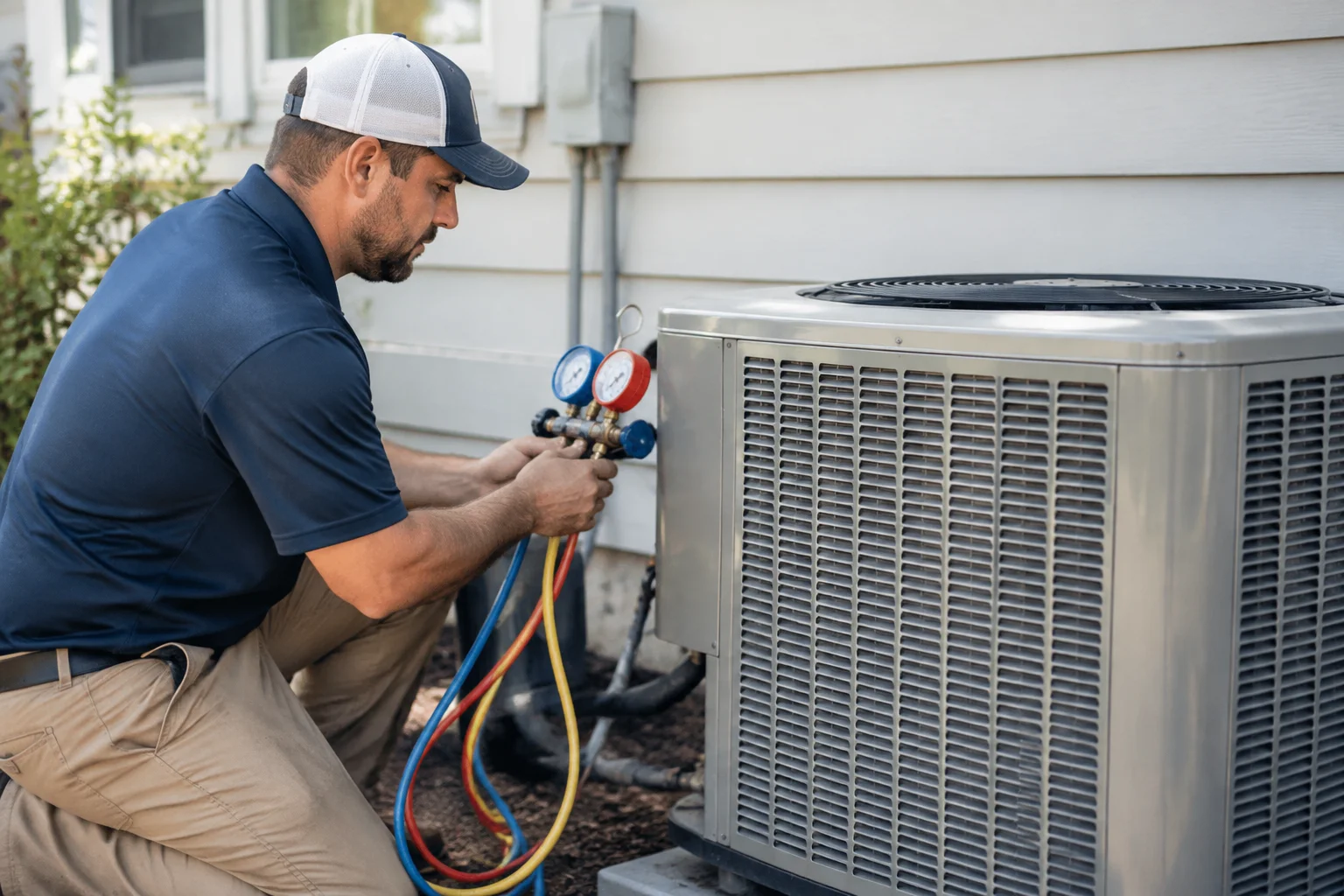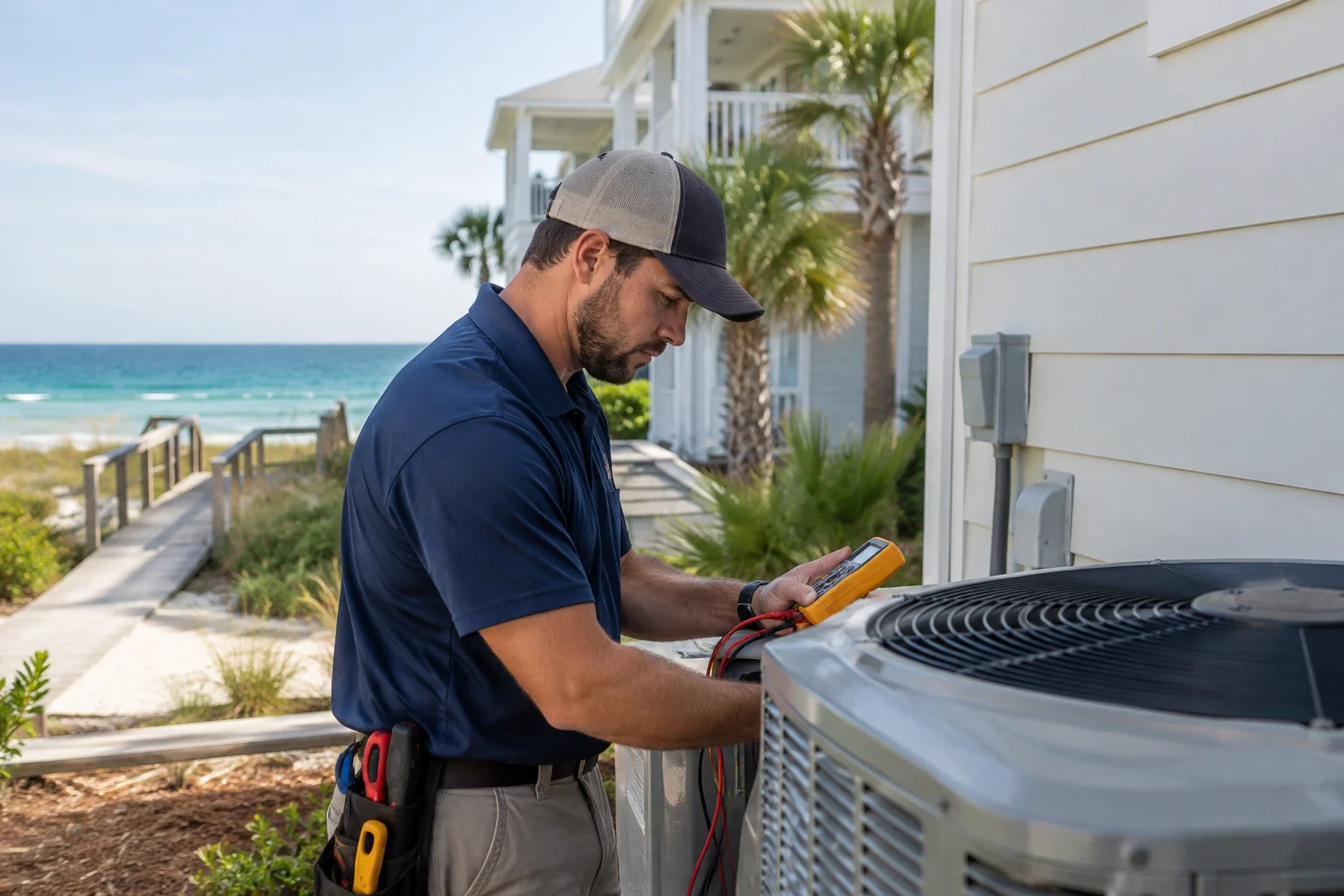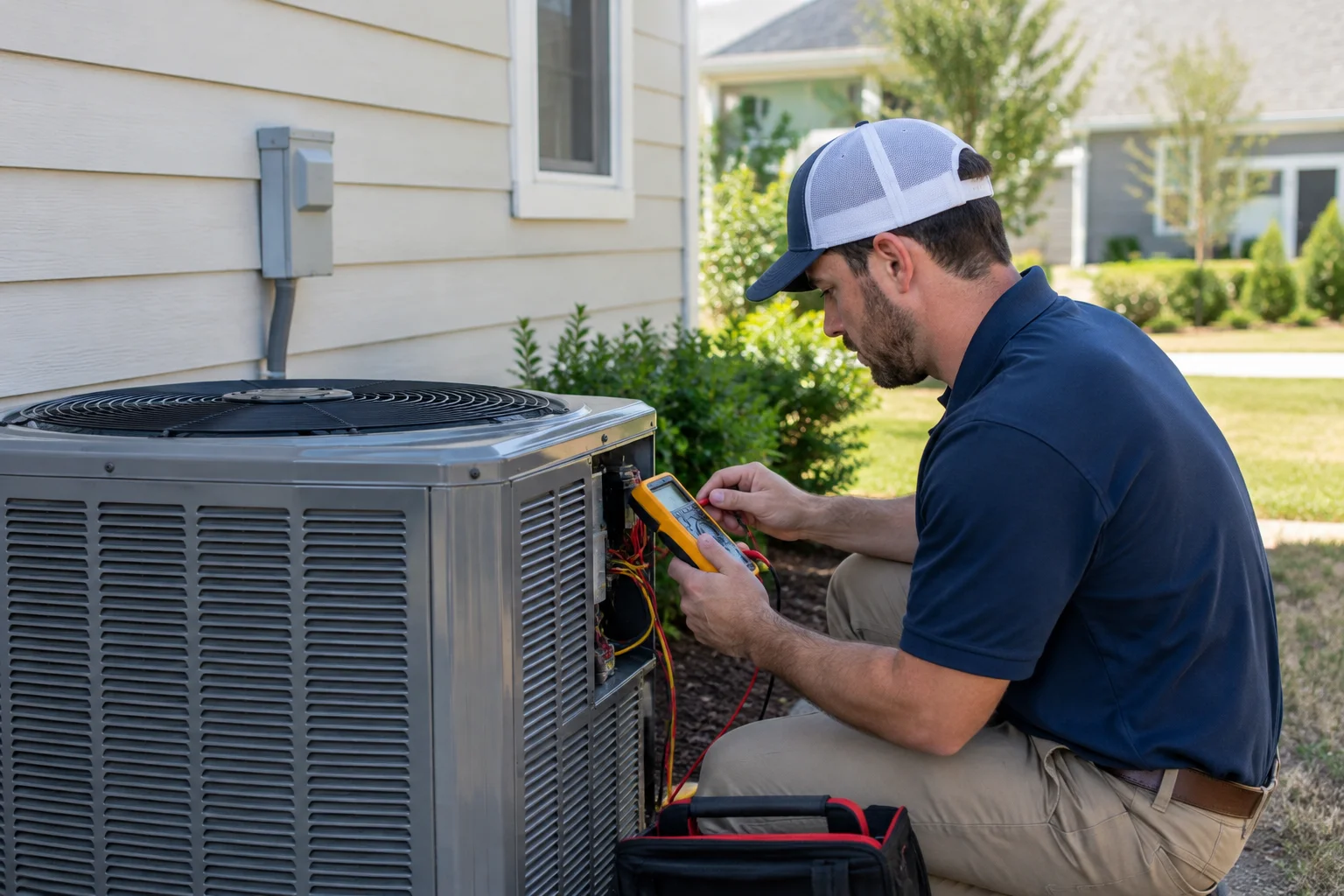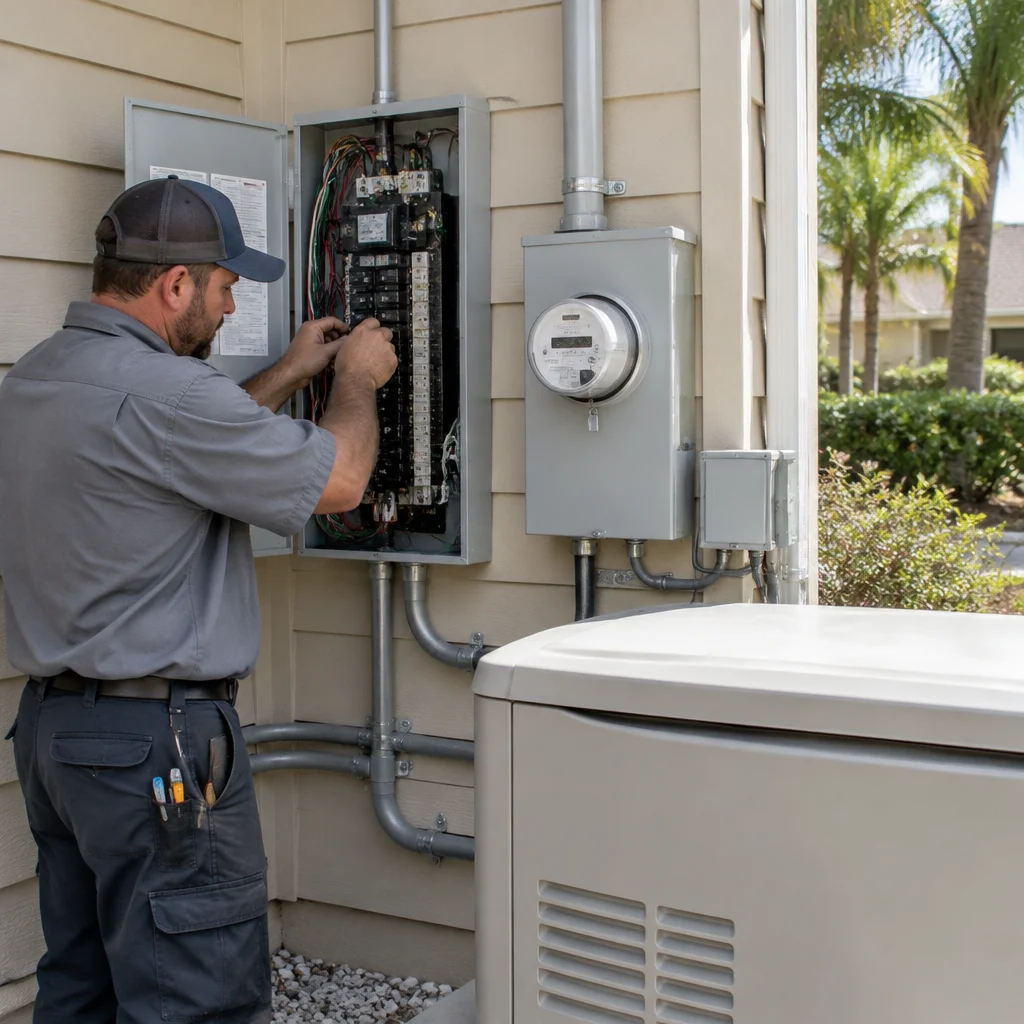
Commercial HVAC installation is not just about putting in new equipment. In Miramar Beach, FL, it is about choosing a system that can handle coastal humidity, salt air, heavy seasonal demand, and the day to day needs of local businesses. A system that is sized correctly and installed with care can run efficiently for years. A system that is rushed or poorly planned can waste energy, create comfort complaints, and lead to avoidable service calls.
For business owners and property managers in Walton County, the best results start before the equipment arrives. The installation plan should account for the building layout, occupancy, ductwork condition, ventilation needs, and the realities of North Florida weather. If you are evaluating commercial HVAC installation in Miramar Beach, FL, it helps to understand which details reduce risk and support long term efficiency.
Why Miramar Beach buildings need a more careful HVAC plan
Miramar Beach has a coastal climate that puts extra pressure on HVAC systems. Warm temperatures, high humidity, salt exposure, and long cooling seasons all affect performance. Businesses near the beach, along busy commercial corridors, or inside mixed use properties often need systems that can keep indoor spaces comfortable without overworking.
That matters for more than comfort. Excess humidity can make a space feel warmer than it is, encourage mold growth, and strain finishes, electronics, and inventory. Salt air can wear on outdoor components faster than it would inland. During peak tourist seasons, restaurants, shops, offices, and hospitality properties may also face higher occupancy and more frequent door openings, which can change the cooling load throughout the day.
Local service matters because a contractor familiar with Miramar Beach and the rest of Walton County understands those conditions and plans accordingly. That local knowledge can influence equipment selection, duct design, drainage, and maintenance recommendations from the start.
Where installation problems usually begin
Many commercial HVAC issues trace back to decisions made during planning or installation. The equipment itself may be high quality, but if the system is not matched to the building, it can still struggle. Common problem areas include incorrect sizing, poor airflow design, weak humidity control, and inadequate attention to the building envelope.
Incorrect system sizing
Oversized systems often short cycle, which can leave humidity behind and create uneven temperatures. Undersized systems may run constantly and still fail to keep up during hot afternoons or busy business hours. In Miramar Beach, where humidity control is just as important as temperature control, proper sizing is essential for comfort and efficiency.
Poor ductwork or air distribution
Even a strong HVAC unit cannot perform well if the duct system is leaky, restricted, or poorly balanced. Uneven airflow can create hot and cold spots, noisy operation, and high utility costs. If the ductwork has not been evaluated recently, a duct inspection can help identify hidden issues before a new system is installed.
Drainage and moisture control problems
In a humid coastal market, condensate management matters. If drain lines are not sloped correctly or if moisture control is overlooked, water damage and microbial growth can become expensive problems. Installation teams should also think about insulation, sealing, and equipment placement to reduce moisture intrusion.
Ignoring the building’s other systems
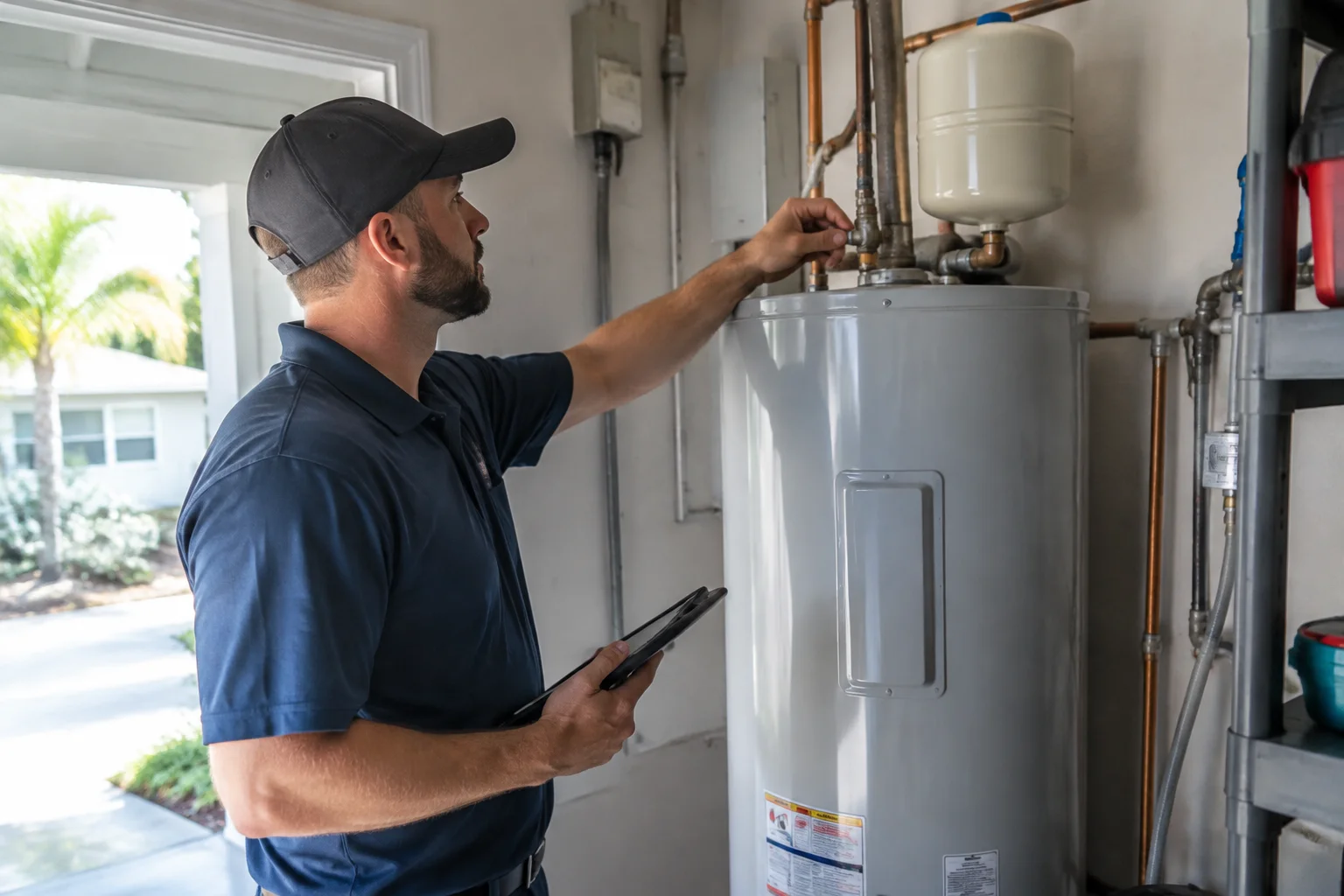
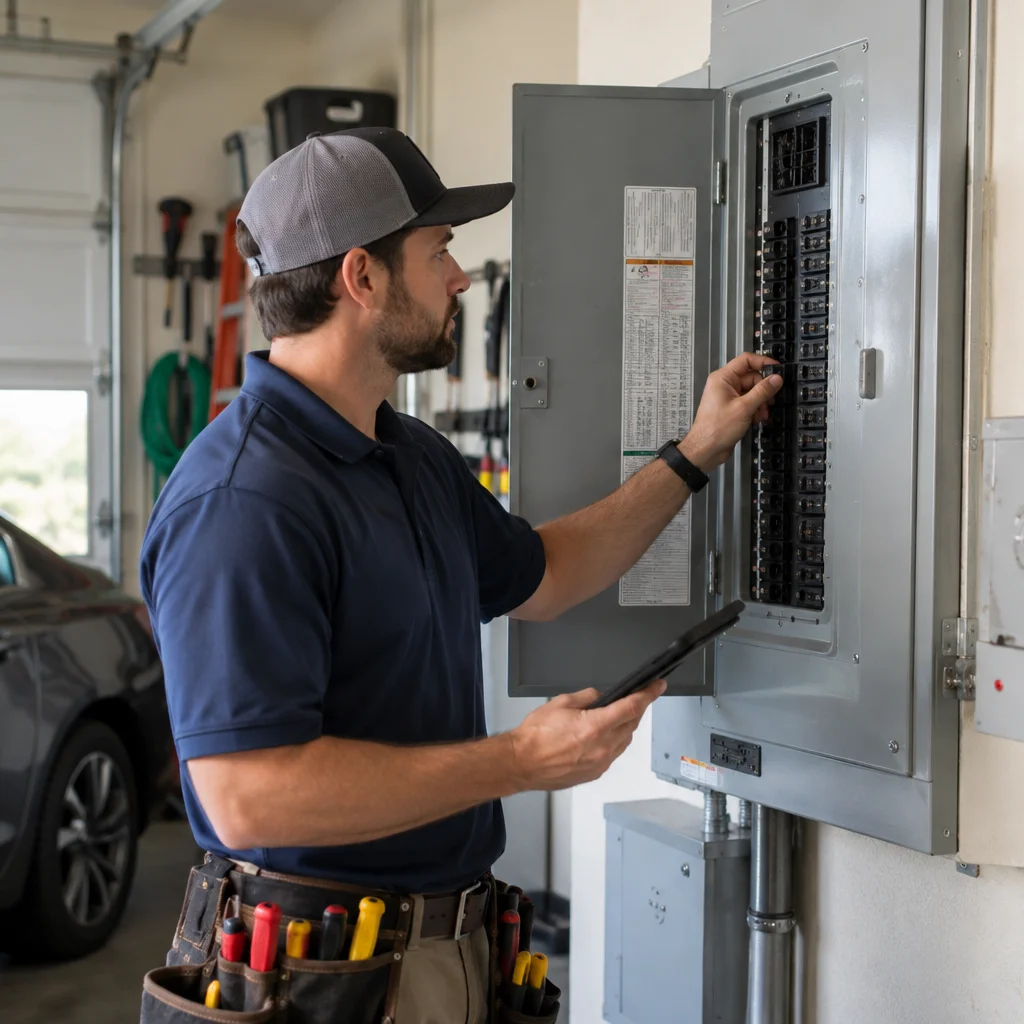
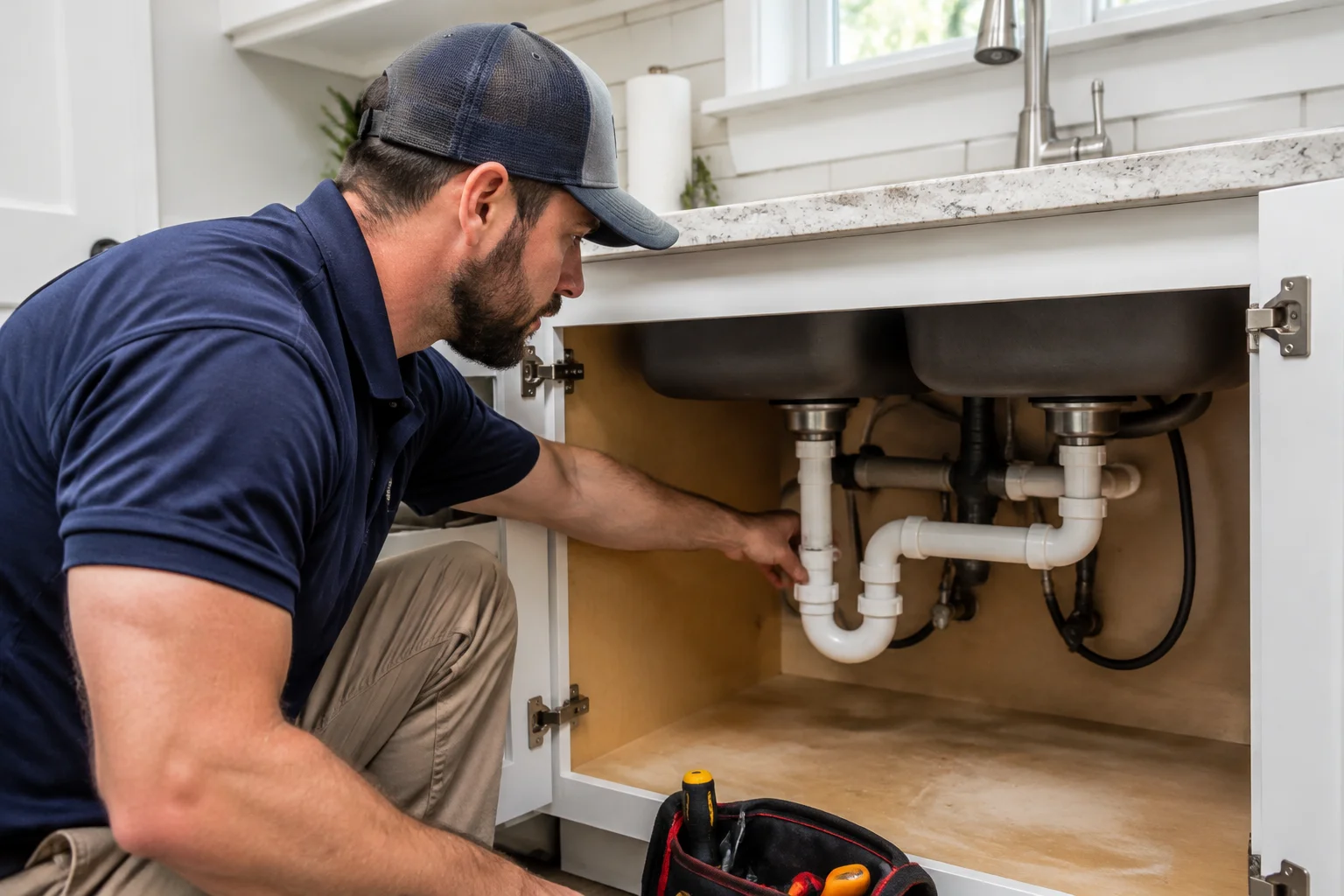
Commercial HVAC installation often connects with plumbing, electrical, and building drainage concerns. If a property has aging pipes, drainage concerns, or water heater issues, those problems can affect mechanical performance and access. In some cases, related service work such as pipe replacement, sewer camera inspection, or water heater maintenance may be worth addressing during the same project planning phase.
How to lower the risk before installation starts
The most reliable commercial HVAC projects begin with a building specific assessment. That means looking at square footage, ceiling height, insulation, window exposure, occupancy patterns, and how the space is actually used. A restaurant kitchen, a retail showroom, and a vacation rental office do not have the same cooling demands, even if they are similar in size.
It also means thinking beyond the equipment nameplate. Efficiency depends on the whole system, including controls, duct design, ventilation, and service access. A well designed installation should make it easier to maintain stable indoor conditions while keeping operating costs under control.
Choose equipment built for coastal conditions
In a place like Miramar Beach, corrosion resistance is not optional. Coastal ready components can help protect the system from salt air exposure. That may include better cabinet protection, durable coils, and thoughtful placement of outdoor units. The right equipment choice can extend service life and reduce the likelihood of premature failure.
Plan for humidity, not just temperature
Humidity control is one of the biggest differences between a system that feels comfortable and one that merely blows cool air. If indoor air stays sticky, occupants may lower the thermostat to compensate, which increases energy use without solving the real issue. Proper dehumidification strategies, correct airflow, and smart controls can help maintain comfort more efficiently.
Make sure the duct system supports the new equipment
New HVAC equipment cannot fix old duct problems. Leaks, poor insulation, undersized returns, and dirty ducts all reduce performance. If the duct system is part of an older commercial space, it may need repairs or redesign before the new installation goes in. That is one reason a careful pre installation review is so valuable.
Confirm access for service and maintenance
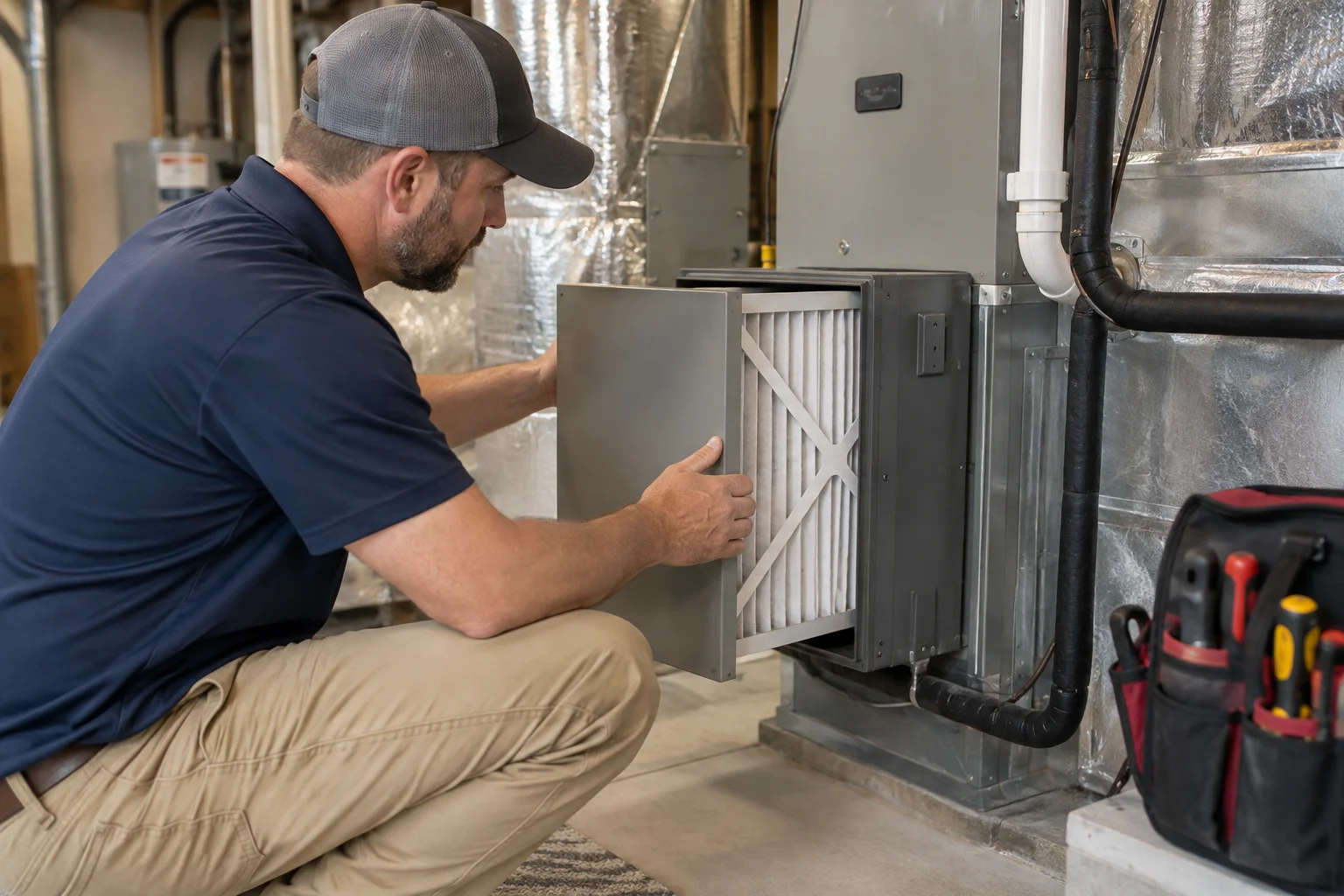
Efficient systems are easier to maintain when technicians can reach filters, coils, drain lines, and controls without unnecessary difficulty. Poor access can make routine service slower and may lead to skipped maintenance points. A good installation plan considers how the system will be serviced long after the first startup.
What business owners and property managers should ask upfront
Clear questions at the beginning can prevent a lot of frustration later. Ask how the system will be sized, how humidity will be managed, what is being done to protect against corrosion, and whether the ductwork has been evaluated. If the property has multiple zones or varying occupancy, ask how the controls will handle those changes.
It is also smart to ask about energy efficiency and long term operating costs. A lower upfront price does not always mean a better value. In a coastal market with a long cooling season, a system that uses less energy and holds up better in humid conditions can save money over time.
For owners comparing options, it can help to review service details on the local page for commercial HVAC installation in Miramar Beach, FL and see how the project approach fits the building’s needs.
Installation mistakes that can shorten system life
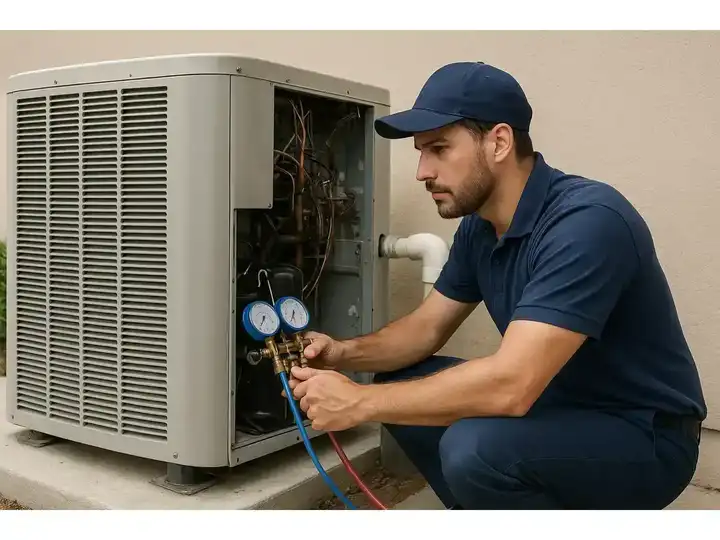
Some problems are easy to miss during a quick walkthrough, but they can shorten the life of the entire system. Refrigerant issues, poor electrical connections, unsealed penetrations, and improper startup procedures can all create trouble. Even small errors can lead to higher energy use and more frequent repairs.
Another common issue is failing to test the system under realistic conditions. A unit may seem fine during a brief startup, but the real test is how it performs during a humid afternoon with full occupancy. That is why commissioning and follow up checks matter. They help confirm that airflow, temperature split, drainage, and controls are all working together.
Watch for early warning signs after installation
Even a good installation should be monitored closely in the first weeks of operation. Uneven temperatures, short cycling, unusual sounds, excessive indoor humidity, or higher than expected utility bills can point to a setup issue. Catching those concerns early usually costs less than waiting until the system is stressed.
Properties with managed schedules or seasonal occupancy can benefit from ongoing planning too. Business owners who also manage residential or rental assets may find helpful guidance in Keeping Miramar Beach Properties Comfortable Year Round: HVAC Practices That Pay Off for Managed Homes, especially when the same attention to maintenance and scheduling can improve performance across different property types.
Maintenance habits that protect long term efficiency
Good installation is the foundation, but maintenance keeps the system efficient. Filters should be changed on schedule, coils should be cleaned, drains should be checked, and controls should be reviewed regularly. In Miramar Beach, where humidity and salt air can accelerate wear, routine service is especially important.
Seasonal inspections can also help catch small problems before they become expensive ones. Loose electrical connections, clogged drains, and dirty components all make the system work harder. A well maintained commercial HVAC system usually provides better comfort, lower energy use, and fewer emergency calls.
If a property owner is trying to plan ahead financially, it can also help to read How Better HVAC Financing Helps Miramar Beach Homes Stay Ahead of Breakdowns. While the article focuses on homes, the same idea applies to commercial properties that want to manage upgrades without putting off needed work.
Why local service makes a difference after the system is installed
Commercial HVAC systems do not operate in a vacuum. They respond to weather, occupancy, and building conditions that are specific to the area. A local team knows how summer humidity feels in a busy beachfront business, how salt exposure affects rooftop units, and how seasonal traffic changes the load on a system.
That local experience helps with both installation and follow up service. It also makes it easier to recommend the right maintenance schedule and spot issues that might be overlooked by a contractor unfamiliar with the area. If the property has specialized needs, such as geothermal considerations or mixed use equipment planning, local insight can be even more valuable. For related reading, see Smarter Geothermal HVAC Care for Miramar Beach Homes and A Smarter Way to Plan Commercial HVAC Installation for Homes in Panama City Beach, FL.
A practical approach for Miramar Beach businesses
The safest way to approach commercial HVAC installation is to treat it as a building performance project, not just an equipment swap. That means reviewing the space, correcting duct and drainage issues, selecting coastal ready equipment, and planning for maintenance from day one. In Miramar Beach, those steps help protect comfort, control utility costs, and reduce the chance of avoidable breakdowns.
A Superior Mechanical provides commercial HVAC installation in Miramar Beach, FL for offices, restaurants, retail spaces, hospitality properties, and vacation rental complexes. Our team designs and installs efficient systems built for coastal conditions and long term performance throughout Walton County. If you are planning a new system or replacing aging equipment, starting with the right plan can make all the difference for the years ahead.
Find Commercial HVAC Installation in Miramar Beach, FL
If you need Commercial HVAC Installation in Miramar Beach, FL, visit our local service page or contact A Superior Mechanical today.
Map of Miramar Beach, FL
Frequently Asked Questions
Why is commercial HVAC installation in Miramar Beach different from inland areas?
Miramar Beach has high humidity, salt air, and a long cooling season, so commercial systems need stronger corrosion resistance, better moisture control, and careful sizing to stay efficient.
How can I tell if my building needs ductwork work before a new HVAC install?
Uneven temperatures, weak airflow, high energy bills, and visible duct damage are common clues. A duct inspection can help determine whether repairs or redesign are needed before installation.
What helps a new commercial HVAC system last longer near the coast?
Coastal ready equipment, proper drainage, sealed ductwork, regular maintenance, and correct system sizing all help reduce wear and improve long term performance.
Should other mechanical issues be fixed during HVAC installation?
Yes, if related problems could affect the new system. Plumbing leaks, drainage concerns, or access issues can all interfere with performance and serviceability, so it is smart to address them early.
Related Articles
- Keeping Miramar Beach Properties Comfortable Year Round: HVAC Practices That Pay Off for Managed Homes
- How Better HVAC Financing Helps Miramar Beach Homes Stay Ahead of Breakdowns
- Smarter Geothermal HVAC Care for Miramar Beach Homes
- A Smarter Way to Plan Commercial HVAC Installation for Homes in Panama City Beach, FL
Photo Gallery