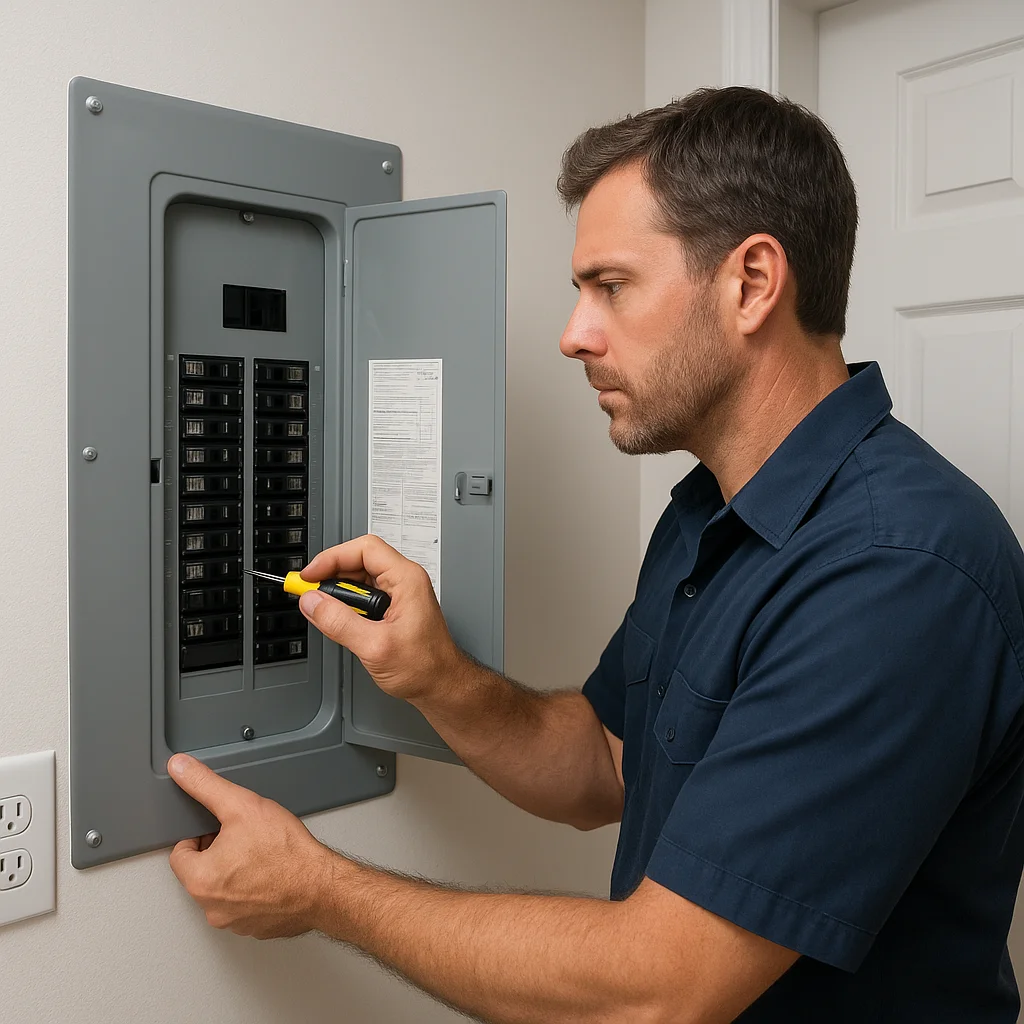
In Bid-A-Wee, power planning is not just a comfort upgrade. It is part of protecting a home from coastal weather, summer storms, and the sudden outages that can stress wiring, breakers, outlets, and appliances. For homeowners, rentals, and remodels in Bay County, a backup generator works best when the electrical system is ready for it first. That means looking at the panel, grounding, circuits, surge protection, and the loads you actually want to keep running.
If you are starting to explore power backup generators in Bid-A-Wee, the smartest move is to think beyond the generator itself. A good installation depends on the condition of the home’s electrical system, especially in older coastal houses, updated rentals, and properties that have been remodeled over time. A generator can only do its job if the transfer equipment, breaker panel, and connected circuits are sized and installed correctly.
Why generator planning matters so much in Bid-A-Wee
Bid-A-Wee homes face a mix of conditions that make backup power more useful than a luxury. Salt air, humidity, lightning, and tropical storm threats can all interrupt service or damage electrical components. Even a brief outage can affect refrigerators, security systems, Wi-Fi, sump or lift equipment where present, and the devices homeowners rely on every day. In a coastal neighborhood, planning ahead also helps reduce the risk of repeated surges that can wear down sensitive electronics.
Many homes in the area were built before today’s electrical demand became so high. Others have had additions, kitchen remodels, new HVAC equipment, ceiling fans, or upgraded lighting added later. Those changes can leave the panel crowded or the circuits unbalanced. When a homeowner starts searching for an electrician in Bid-A-Wee, the real goal is usually to make the whole system safer and more dependable, not just to add a generator and hope for the best.
Start with the electrical panel, not the generator
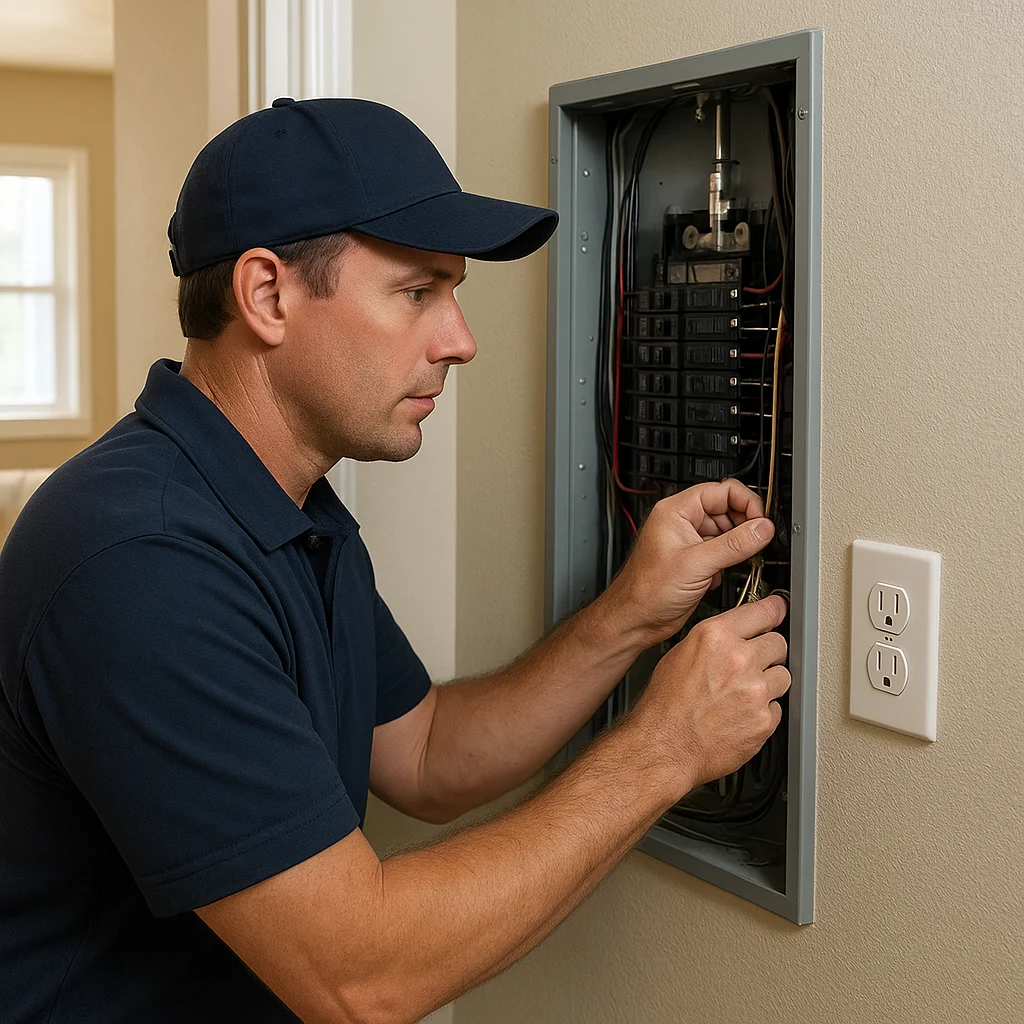
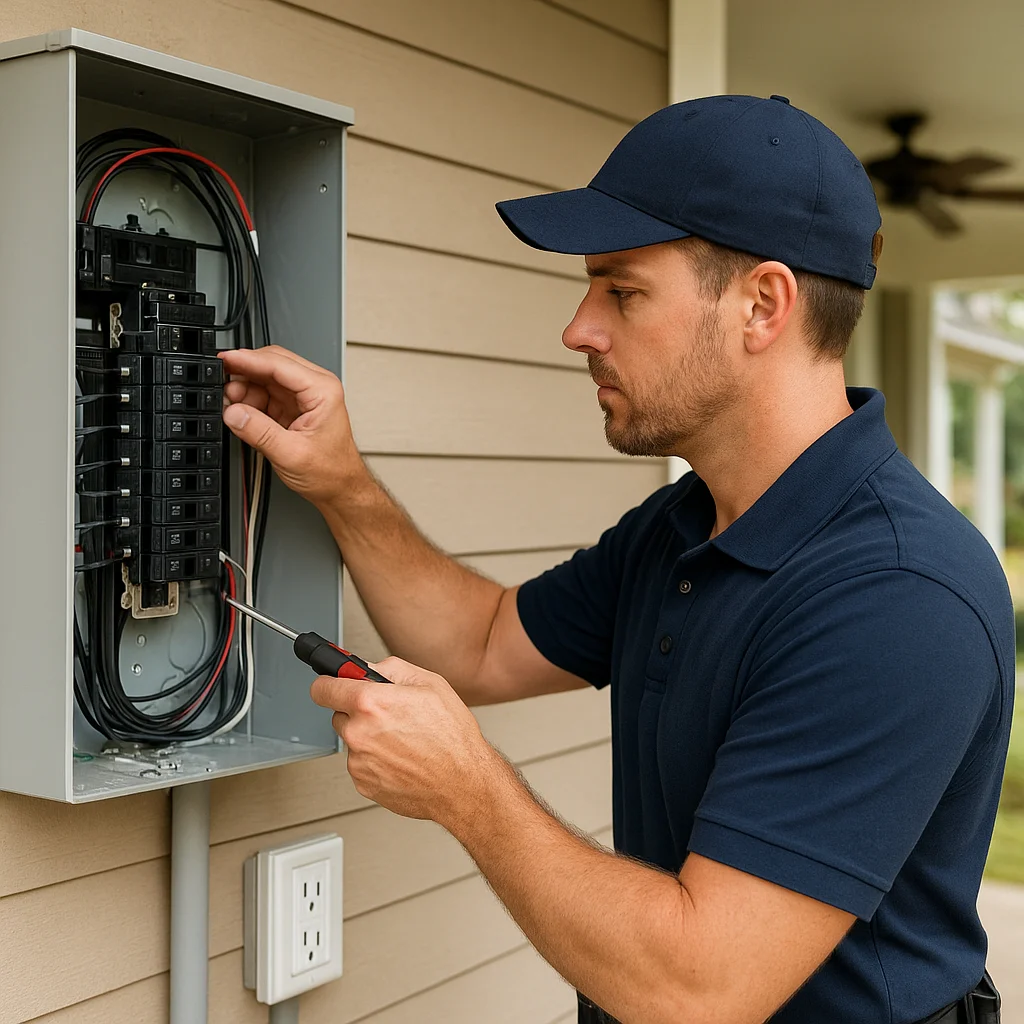
A generator installation often reveals whether the panel is ready for modern loads. If the panel is full, outdated, or showing signs of heat damage, a backup system may require panel work first. That is especially true in homes where breakers trip often, lights flicker when appliances start, or outlets feel warm. Those issues can point to overloaded circuits, loose connections, or aging equipment that should be addressed before generator installation begins.
Homeowners searching for electrical replacement or device upgrades may already be dealing with older switches, worn receptacles, or outdated protection. In those cases, a generator project is a good time to evaluate the panel, replace weak devices, and bring the home closer to current code expectations. A clean, well organized electrical system makes the generator transfer smoother and helps protect the circuits you want to keep powered.
Decide what the generator should actually run
Not every home needs whole house backup, and not every panel can support every load without upgrades. A practical plan starts by listing the essentials. Most Bid-A-Wee homeowners want to keep the refrigerator, some lighting, internet equipment, a few outlets, and key appliances running. Others may also want a garage door opener, ceiling fans, a microwave, or a dedicated circuit for medical or work from home equipment.
If you are considering more modern loads, the electrical design matters even more. EV owners who need electrical installation for charging equipment may also need a panel capacity review before adding a generator. The same is true for hot tubs, pool equipment, or dedicated circuits for a home office. A home that already has a level 2 EV charger installation near me search in its history likely has higher electrical demand than a basic starter home.
Common loads homeowners often prioritize
Refrigeration, kitchen outlets, lighting, internet service, security systems, ceiling fans, and a few critical receptacles are usually the first items to consider. Some homeowners also want bathroom GFCI protection, garage outlets, and a dedicated circuit for a freezer or medical device. The right setup depends on the panel, the generator size, and how the home is used day to day.
Surge protection and grounding deserve attention too
Generator planning should include whole home surge protection and a close look at grounding. In Bay County, lightning and utility switching can send damaging surges through a home even when the power stays on. A generator can keep the lights on, but it does not automatically protect every appliance from voltage spikes. That is why surge protection is a strong companion to generator work.
Grounding and bonding also matter for safety and code compliance. If the grounding system is weak or outdated, the home may be more vulnerable to electrical faults. This is one reason an emergency electrical services call sometimes leads to a bigger discussion about long term protection. If a storm or surge has already damaged breakers, outlets, or a panel, the generator plan should not move forward until the system is inspected and corrected.
Older homes, remodels, and additions need a different approach
Bid-A-Wee has a mix of older homes and updated properties, and that variety changes how generator projects are handled. Older homes may have fewer grounded outlets, smaller service sizes, or wiring that has been patched over the years. Remodels can add new kitchen circuits, recessed lighting, or extra rooms without fully updating the original panel. Additions can create a mismatch between old and new electrical work if the system was not planned carefully.
When homeowners search for electrical wiring repair near me or breaker panel repair near me, they are often dealing with symptoms that matter for generator planning too. Loose wiring, overloaded breakers, and outdated circuits can all interfere with safe backup power. In some homes, the right solution is a panel upgrade before any generator equipment is installed.
Permits, code compliance, and electrical inspections
Backup generators involve more than setting equipment in place. Transfer switches, feeder connections, disconnects, and load calculations all have to meet local requirements. In coastal Florida, code compliance is important because the system has to stand up to weather, moisture, and heavy electrical demand. A professional installation should include the proper permits and inspection steps so the generator is safe, legal, and ready when needed.
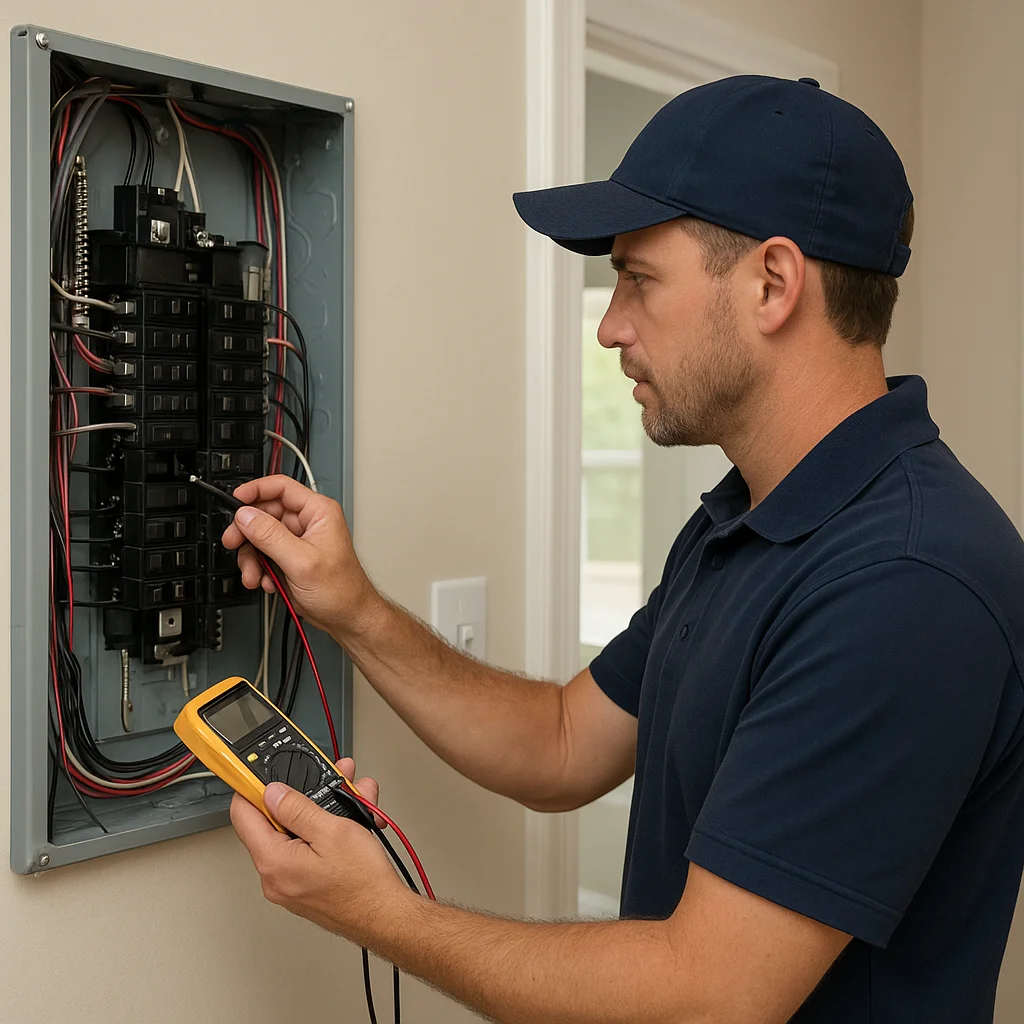
An electrical inspection near me search is often the right next step for homeowners who are not sure what their current system can handle. Inspections can identify weak breakers, unprotected outlets, missing GFCI protection, loose connections, and panel issues before they become outage problems. If the home has had recent remodels or device changes, an inspection can confirm that the generator plan matches the actual electrical layout.
Generator planning should include everyday electrical safety
A home backup system works best when the rest of the electrical system is healthy. That means checking outlets, switches, smoke detectors, lighting, and dedicated circuits before storm season arrives. If a home has outlets that trip, switches that feel loose, or lights that flicker when the air conditioner starts, those are clues that the system needs attention. A homeowner searching for outlet repair near me or flickering lights repair near me may already have a load issue that should be fixed before backup power is added.
It also helps to review GFCI protection in kitchens, baths, garages, outdoor spaces, and near water exposures. Coastal weather and humidity can make these protections even more important. Smoke detector installation, lighting installation, and outlet replacement are small projects that often improve the overall reliability of a generator backed home. For many Bid-A-Wee properties, this is a good time to address recessed lighting installation near me or led lighting installation near me searches that come up during a remodel or energy saving update.
How local weather affects backup power choices
Coastal homes in Bay County deal with more than summer heat. They also face storm prep, moisture, salt exposure, and the possibility of utility interruptions during severe weather. Those conditions can influence where generator equipment is installed, how conduit is routed, and what protective hardware is used. Outdoor components need to be chosen and placed with weather resistance in mind.
That local knowledge is one reason homeowners benefit from working with a company that understands the area. A system that works in a dry inland neighborhood may need different protection in Bid-A-Wee. If you are comparing options across the county, it helps to work with a team that serves the broader area through Bay County and understands how storms, humidity, and coastal exposure affect electrical equipment over time.
Where generator work connects with other electrical upgrades
Generator projects often overlap with other improvements. A panel upgrade may be needed before a standby system can be installed. A dedicated circuit may be added for a freezer, office equipment, or a charging station. Some homeowners also use the project to correct code issues, replace worn devices, or add safer exterior outlets. If you have already been thinking about device upgrades or electrical installation, backup power can fit into that larger plan.
For homes with EV charging, the electrical load review becomes even more important. A homeowner searching for ev charger installation near me or tesla charger installation near me may need to balance charging demand with generator priorities. The same applies to hot tubs, workshop tools, or other high draw equipment. The safest plan is the one that matches how the home is actually used.
Maintenance keeps backup power ready
Once a generator is installed, it should not be forgotten. Regular electrical maintenance helps catch small issues before storm season puts the system to the test. That includes checking transfer equipment, breaker condition, visible wiring, and the performance of connected circuits. It also means watching for signs of wear such as corrosion, heat marks, tripped breakers, or receptacles that no longer hold plugs securely.
Homeowners who search for electrical services near me are often looking for a trusted local company to handle both the generator and the rest of the home’s electrical needs. That can include ceiling fan wiring near me, lighting updates, breaker repair, and safety checks that support the generator system year round. A well maintained electrical system is less likely to fail when the power goes out.
Helpful planning steps before storm season
Before the next storm season, walk through the home and make a list of what must stay powered. Check the panel for open spaces, repeated trips, or signs of age. Look at outlets in kitchens, baths, garages, and outdoor areas for GFCI protection. Note any recent remodels, additions, or new appliances that may have increased demand. If the home has had electrical issues in the past, get those repaired before adding backup equipment.
For many homeowners, the right first call is to an electrical company near me that can review the entire system, not just sell the generator. A strong generator plan in Bid-A-Wee should support the panel, circuits, grounding, surge protection, and the home’s daily electrical habits. That is how backup power becomes a real solution instead of another piece of equipment to manage during a storm.
A Superior Mechanical helps homeowners in Bid-A-Wee choose the right generator setup, connect it safely, and make sure the electrical system behind it is ready for coastal conditions, storm demand, and everyday use.
For homeowners comparing options or scheduling service, the best results usually come from a full electrical review first, then a generator plan that fits the home instead of forcing the home to fit the generator.
Helpful related reading: Why preventive electrical service matters for data network cabling in Bid-A-Wee homes and How Modern Homes in Bid-A-Wee Gain More from Simple Electrical Device Upgrades.
For homeowners who are also dealing with drainage or water system concerns after storms, these articles may be useful too: What Homeowners Miss Most in Clogged Pipe and Drain Service Calls in Bid-A-Wee and How Plumbing Conditions Change Water Purification in Bid-A-Wee Homes.
Find Power Backup Generators in Bid-A-Wee, FL
If you need Power Backup Generators in Bid-A-Wee, FL, visit our local service page or contact A Superior Mechanical today.
Map of Bid-A-Wee, FL
Frequently Asked Questions
Do I need a panel upgrade before installing a backup generator?
Sometimes. If your panel is full, outdated, or showing signs of wear, a panel upgrade or breaker box replacement may be needed before generator installation. A load review will show whether the existing system can safely support the transfer equipment and the circuits you want backed up.
What size generator is right for a home in Bid-A-Wee?
It depends on what you want to power. A smaller system may cover essentials like refrigeration, lighting, and internet, while a larger standby unit can support more of the home. The best size comes from an electrical load calculation, not guesswork.
Can a generator help protect my home from storm related electrical damage?
A generator keeps selected circuits running during outages, but it does not replace surge protection or proper grounding. For coastal homes in Bay County, whole home surge protection and a solid electrical system are important parts of storm readiness.
Should I have an electrical inspection before generator installation?
Yes. An electrical inspection can identify overloaded circuits, loose wiring, GFCI issues, and panel problems before the generator is added. That makes the installation safer and helps avoid surprises during inspection or permitting.
Related Articles
- Why preventive electrical service matters for data network cabling in Bid-A-Wee homes
- How Modern Homes in Bid-A-Wee Gain More from Simple Electrical Device Upgrades
- What Homeowners Miss Most in Clogged Pipe and Drain Service Calls in Bid-A-Wee
- How Plumbing Conditions Change Water Purification in Bid-A-Wee Homes
Photo Gallery