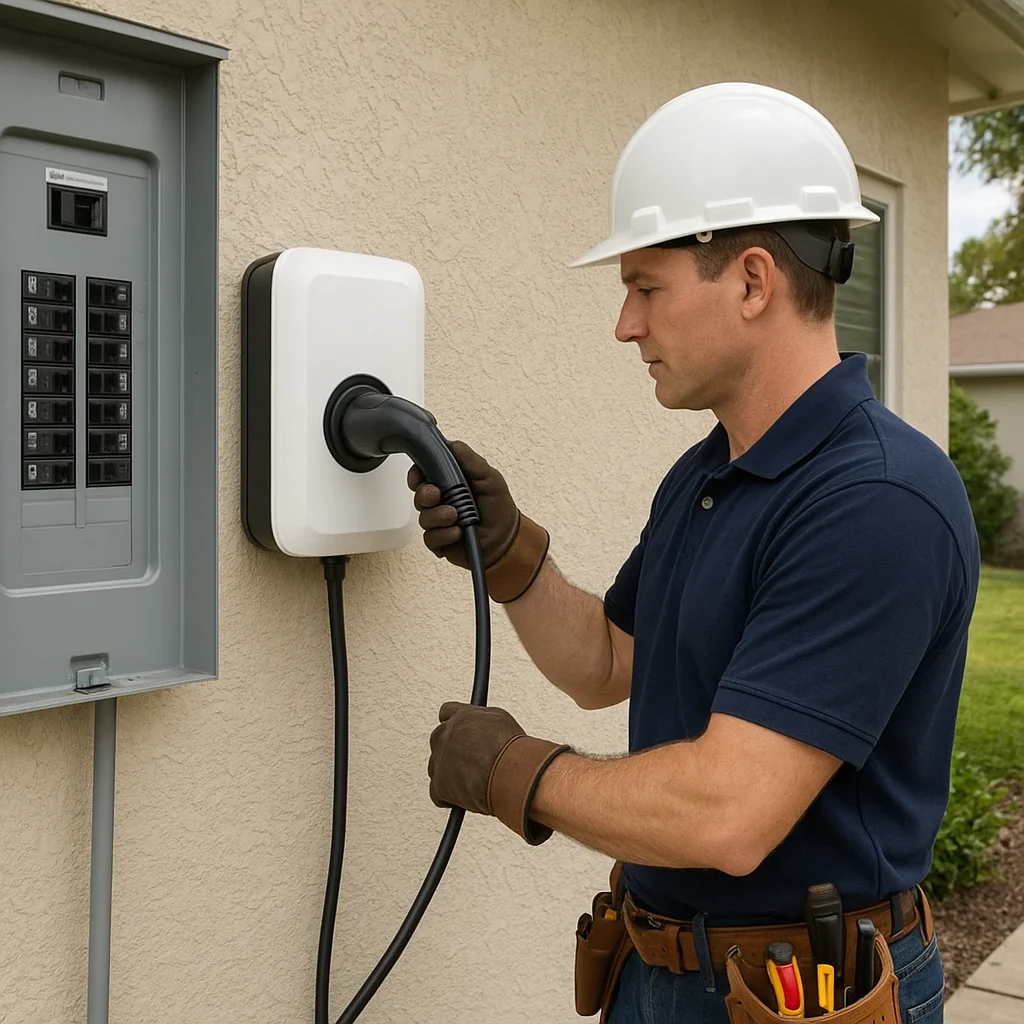
More Springfield homeowners are making room for EV charging at home, and the best installs usually start with planning, not drilling. A charger that fits the car is only part of the job. The home’s panel, breaker space, grounding, wiring, and outlet layout all need to support the added load safely. In a coastal Florida area like Springfield, where storms, humidity, and older electrical systems can all affect performance, planning ahead saves time and helps prevent avoidable electrical repairs later.
If you are thinking about EV charger installation in Springfield, FL, it helps to look at the whole electrical system first. That includes the main panel, any sub panels, the condition of existing circuits, and whether the home already has enough capacity for a Level 2 charger. A Superior Mechanical works with homeowners, rentals, and commercial properties across Bay County, and the same basic rule applies to all of them: the charging equipment should match the electrical system, not strain it.
Start with the panel, not the charger
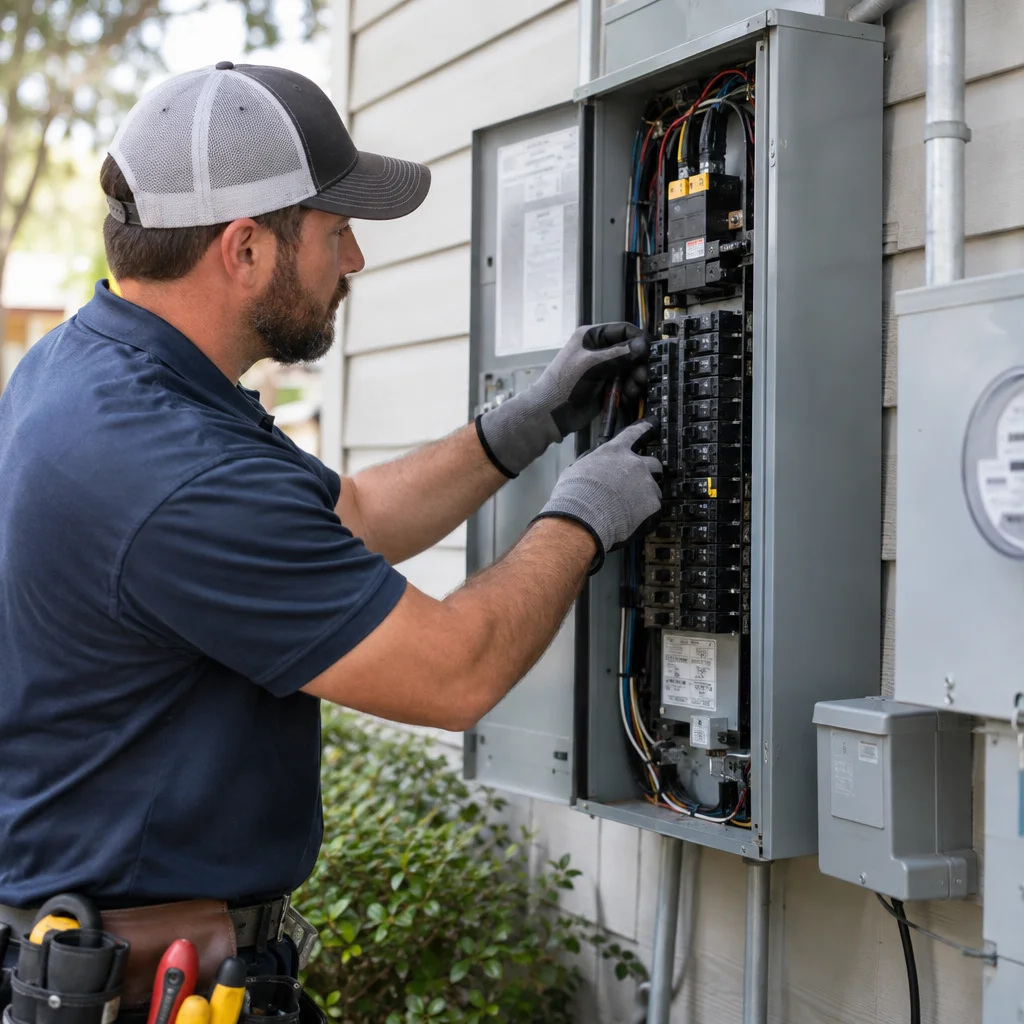
Many homeowners begin by shopping for a charger, but the first question should be whether the panel can support it. Level 2 charging often needs a dedicated circuit and a breaker sized for the charger’s load. In some Springfield homes, especially older ones or homes that have had additions and remodels, the panel may already be close to capacity. That can show up as frequent breaker trips, warm breaker spaces, or a lack of room for another circuit.
If you have already searched for breaker panel repair near me or homeowners searching for electrical panel upgrade near me, that is often the same conversation an EV charger install brings to the surface. A panel inspection can show whether you need a simple dedicated circuit, a sub panel, or a full 200 amp panel upgrade near me style solution for the long term.
Know what your home already carries
Charging an EV adds a steady electrical load, which is different from a microwave or a short burst from a hair dryer. The charger may run for hours, so the circuit has to be sized for continuous use. That matters in homes where the panel already supports central air, water heaters, kitchen appliances, lighting, ceiling fans, outlets, and possibly a generator connection. If the home has older wiring, mixed materials, or past DIY changes, the load calculation becomes even more important.
Springfield has a mix of older houses, newer builds, and homes that have been expanded over time. In older homes, you may also find outdated grounding, missing GFCI protection in the garage or exterior areas, or circuits that were never designed for today’s demand. In newer homes, the panel may be modern but still need a dedicated EV circuit and a proper disconnect location. Either way, a local electrician near me search should lead you to someone who understands both code compliance and the realities of local homes.
Choose the right charger location before the wiring starts
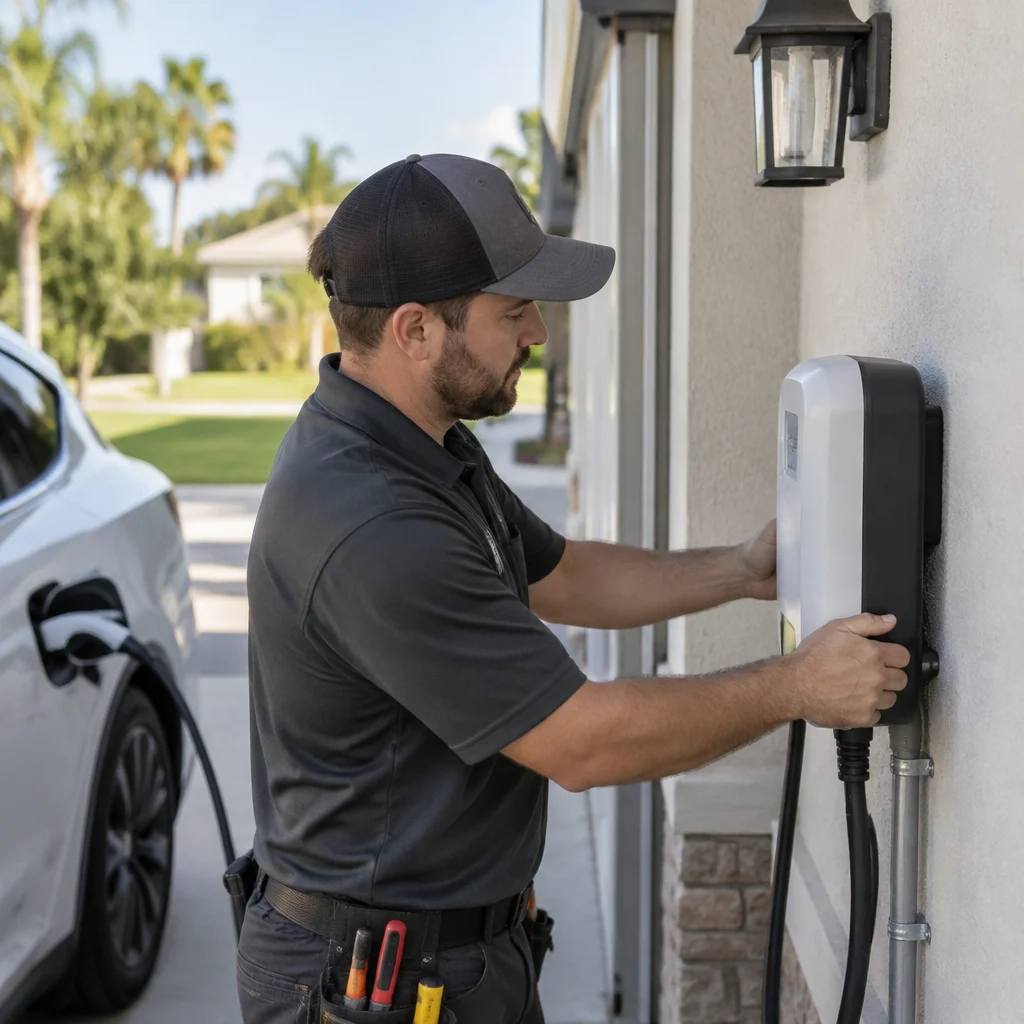
The best charger location is not always the most obvious one. The ideal spot depends on where the vehicle parks, how far the run is from the panel, and whether the route will require attic access, wall fishing, or exterior conduit. Shorter, cleaner runs are usually easier to protect and maintain. In a coastal climate like Springfield’s, that also helps reduce exposure to moisture and storm related wear.
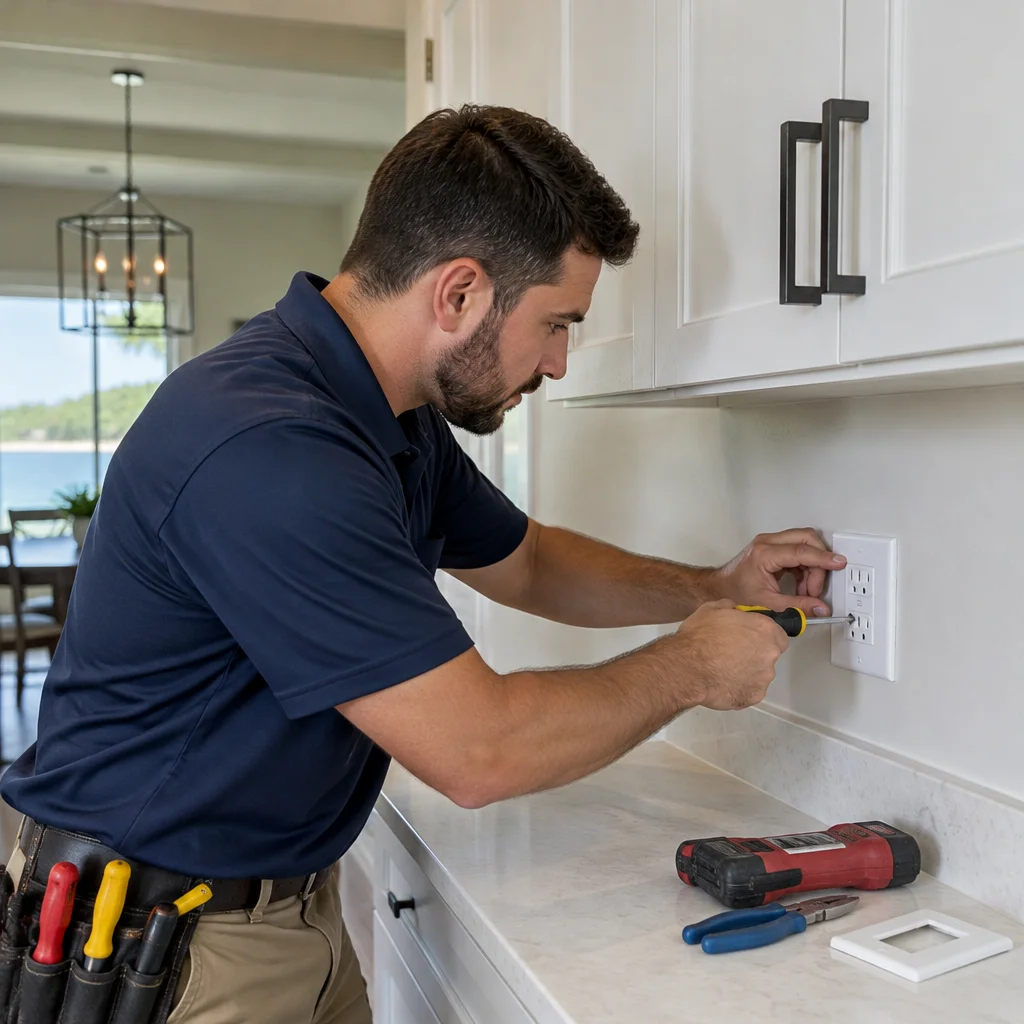
If the charger will be installed in a garage, the electrician should also look at outlet placement, switch locations, and nearby lighting. Sometimes a simple outlet installation near me request turns into a larger plan because the garage needs better lighting, a new receptacle, or improved circuit protection. If the space is dark, a lighting installation near me project may make the charging area safer and easier to use at night.
Dedicated circuits and GFCI protection matter
EV chargers should not share a circuit with random garage tools or extra outlets. A dedicated circuit reduces nuisance tripping and gives the charger a consistent power supply. Depending on the setup and location, GFCI protection may also be required or recommended to help protect against shock hazards, especially in garages, unfinished spaces, and outdoor mounting locations.
This is also a good time to think about grounding and bonding. If a home has grounding issues, damaged conductors, or older service equipment, those problems can affect more than the charger. They can impact smoke detectors, appliances, surge devices, and sensitive electronics. That is why an electrical inspection in Springfield can be smart before the install begins, especially if you are already seeing flickering lights, buzzing switches, or outlets that feel loose or warm.
Storms and coastal weather can affect the whole plan
Springfield weather puts electrical systems under more stress than many homeowners realize. Humidity, salt air, and summer storms can wear on outdoor equipment, conduit fittings, and exposed connections. Power surges are also more common during storm season, which is why many homeowners pair EV charging projects with surge protector installation near me or whole home surge protection.
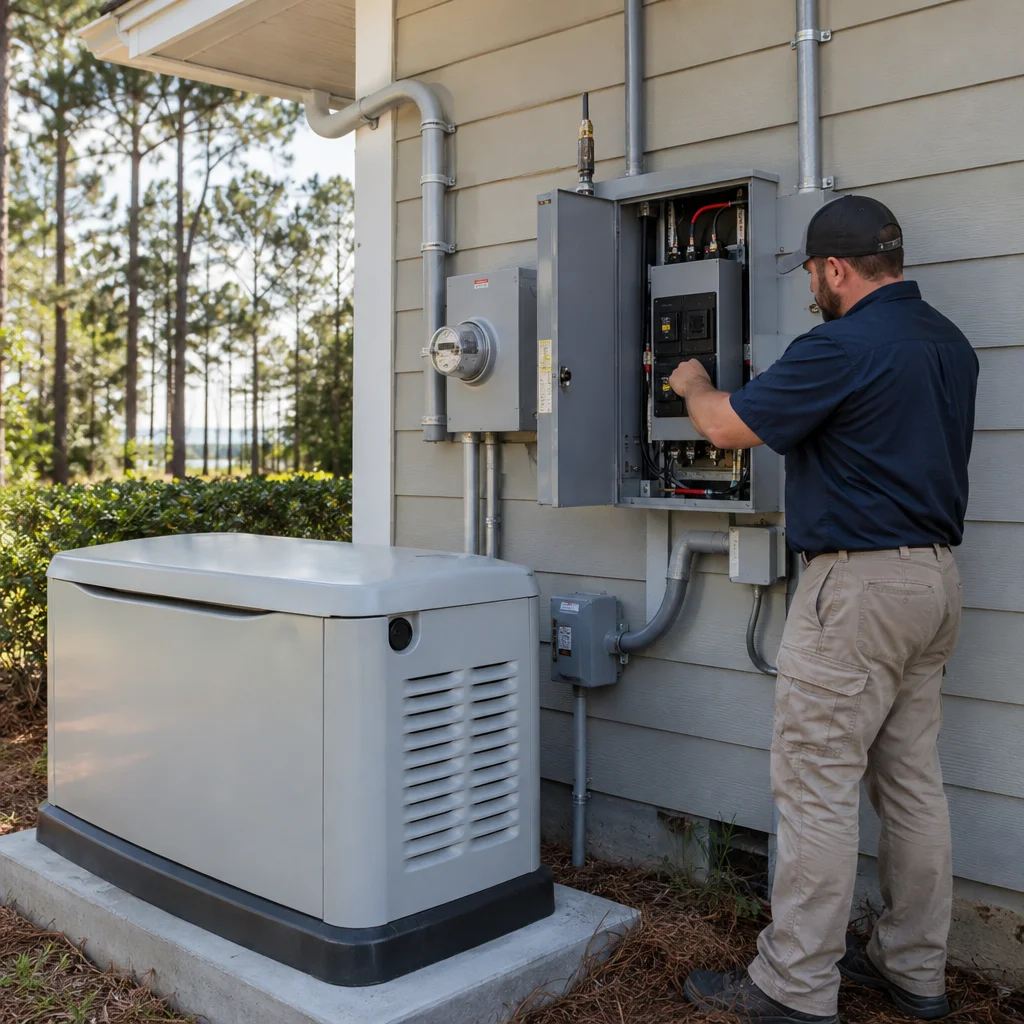
If your home has experienced lightning related issues, damaged breakers, or repeated outages, it may also be worth discussing generator options. A charger can be part of a broader electrical plan that includes emergency electrical services and portable generator hookup near me solutions for storm recovery. That is especially helpful in Bay County, where weather interruptions can affect both comfort and daily routines.
Plan for the car you have now and the one you may buy later
Some homeowners install the smallest charger that works for their current vehicle, then regret not planning for future needs. If you may upgrade to a second EV, add a plug in hybrid, or share charging with another driver in the household, it is worth discussing capacity and charger placement before work starts. A smart charger can also help manage load and scheduling, which may be useful in homes where other major appliances run at the same time.
For homeowners interested in connected controls, Smart Home Integration can make it easier to monitor charging, set schedules, and coordinate energy use. That can be especially practical in homes already using smart thermostats, lighting controls, or security systems. It also helps keep the charger part of the home’s larger electrical plan instead of treating it as a stand alone device.
Watch for warning signs before the install date
A clean EV charger install starts with a healthy electrical system. If you notice breaker trips, dimming lights when large appliances start, buzzing at the panel, scorched outlets, or a burning smell near switches or receptacles, those are not issues to ignore. They can point to loose connections, overloaded circuits, or wiring that needs repair before a charger is added.
Homeowners searching for electrical troubleshooting near me or electrical wiring repair near me are often dealing with the same underlying problems that can complicate charger installation. In some cases, the fix is straightforward. In others, the home may need home rewiring near me level work, especially if the wiring is outdated or the circuit layout does not meet current code.
Remodels, additions, and older homes need extra attention
Springfield homes that have been remodeled or expanded often have a mix of old and new electrical work. A garage conversion, room addition, or kitchen update can change the electrical demand in ways that are not obvious until a new load like an EV charger is introduced. That is why a charger project is a good time to review the whole system, including outlets, switches, lighting, and any past patchwork repairs.
If the home has older equipment, a fuse box replacement near me style situation may be part of the discussion, along with code corrections and grounding updates. Some homeowners also use that moment to address outlet repair near me concerns or upgrade kitchen and garage circuits at the same time. That can reduce repeat service calls and make the house easier to live with every day.
Why local service matters for EV charging
Installing an EV charger is not just about matching amperage on a spec sheet. It is about knowing how Springfield homes are built, how local weather affects electrical equipment, and how to keep the system safe under real world use. A local electrician near me who works in Bay County understands common panel layouts, storm related damage, and the code details that affect charger placement, breaker sizing, and grounding.
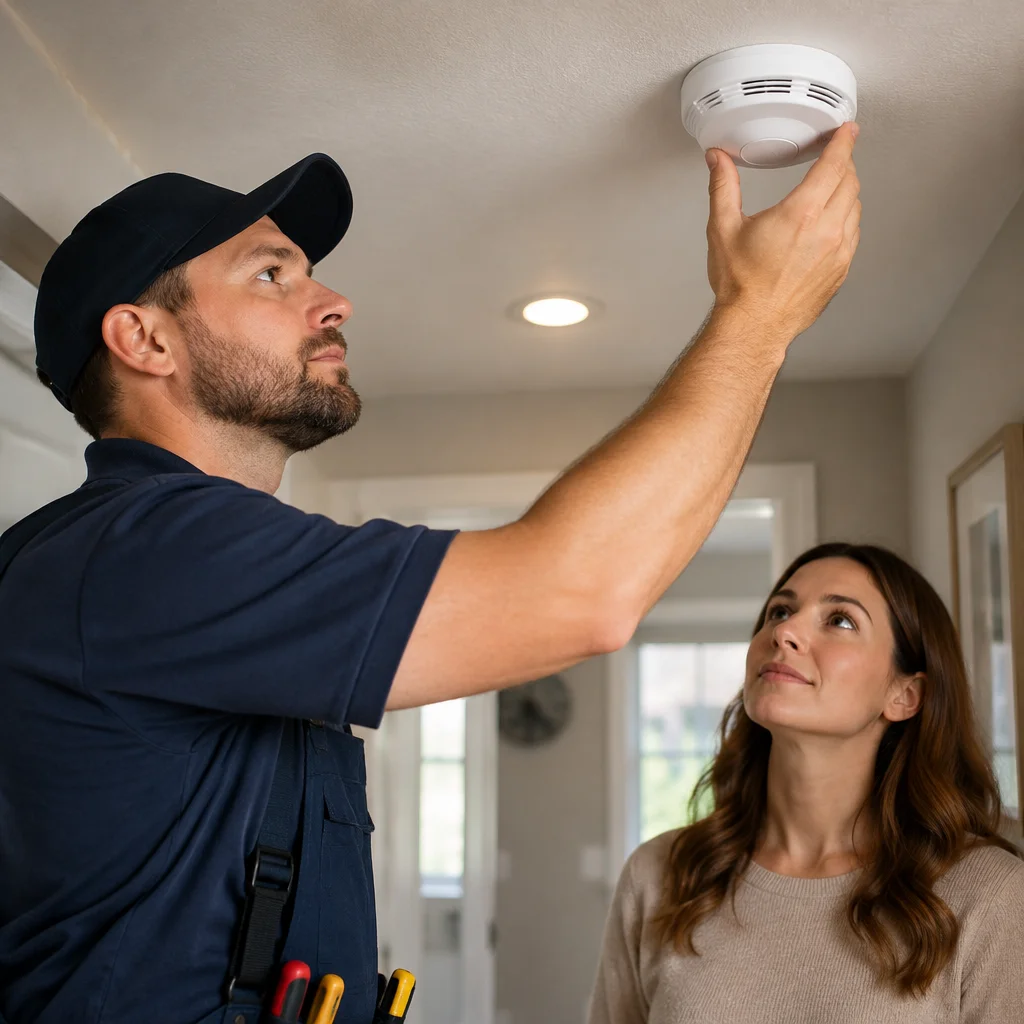
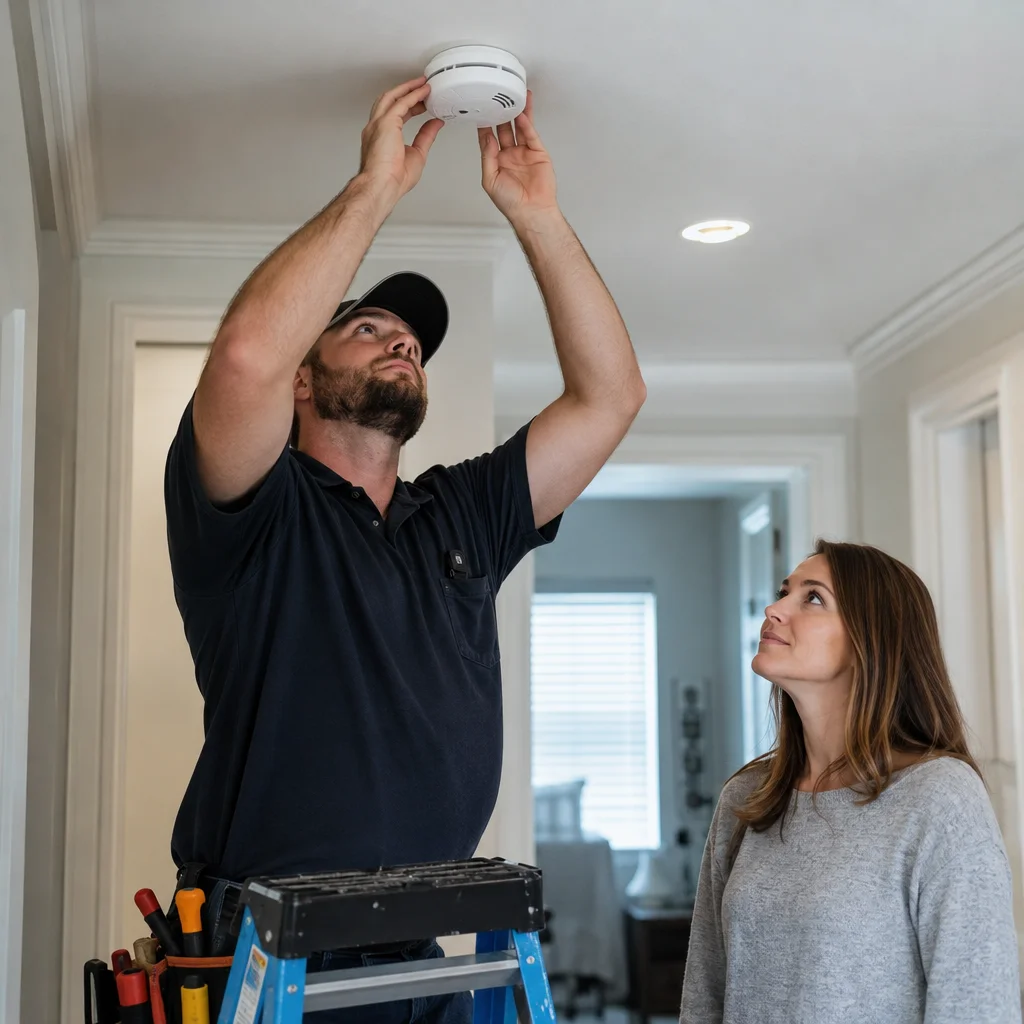
That local knowledge also helps when the project expands beyond the charger itself. A home may need a sub panel, a circuit correction, or help from an emergency electrician near me if the panel is already showing signs of failure. In other cases, homeowners may be comparing options for broader electrical services near me, from smoke detector installation to ceiling fan wiring and generator connections. The right contractor can handle the charger while keeping the rest of the home safe and code compliant.
Make the install easier by preparing a few details first
Before the appointment, gather the EV model, charger brand if you already bought one, and any preferences for indoor or outdoor mounting. It also helps to know where the vehicle parks most often, whether the home has a garage or carport, and whether the panel is easy to access. If you have recent electrical issues, note them. A quick list of breaker trips, dead outlets, or dim lights can help the electrician spot patterns faster.
If you are comparing options and searching for an affordable electrician near me, remember that the lowest price is not always the best value if the work leaves you with a weak panel or an undersized circuit. A properly planned install should meet code, protect the home, and leave room for future use. That is especially important in homes where the charger will share space with lighting installation, appliance circuits, or future upgrades.
Keep the rest of the electrical system in view
An EV charger is often the project that reveals what else needs attention. A home that is ready for charging may still benefit from surge protection, updated smoke detectors, better garage lighting, or breaker panel maintenance. If your home is already due for an inspection, it can make sense to bundle the work so the electrician can evaluate the entire system at once.
For homeowners who want a broader look at wear, aging components, and code updates, How Electrical Wear and Tear Shapes Inspections and Code Updates in Springfield Homes is a useful read. EV charging often fits into the same bigger picture: a home’s electrical system works best when each part supports the others, from the panel and breakers to the outlets, lighting, and grounding.
When the planning is done early, EV charger installation becomes a straightforward upgrade instead of a surprise repair project. For Springfield homeowners, that means safer charging, fewer overload concerns, and a system that is ready for Florida weather, daily use, and future electrical needs.
Find EV Charger Installation in Springfield, FL
If you need EV Charger Installation in Springfield, FL, visit our local service page or contact A Superior Mechanical today.
Map of Springfield, FL
Frequently Asked Questions
Do I need a panel upgrade for EV charger installation in Springfield, FL?
Not always, but many homes need at least a dedicated circuit, and some need a panel upgrade if the existing service is already close to full. A load calculation and panel inspection will show whether your system can handle a Level 2 charger safely.
Can an EV charger be installed in an older Springfield home?
Yes. Older homes can often support EV charging, but they may need grounding updates, breaker panel work, GFCI protection, or wiring repairs before installation. Homes with older panels or mixed wiring should be evaluated first.
How does Florida weather affect EV charger installation?
Humidity, storms, and lightning can affect outdoor electrical equipment, conduit, and surge exposure. In Springfield, it is smart to use code compliant materials, proper weather protection, and whole home surge protection when needed.
Can I add smart charging features with my EV charger?
Yes. Many chargers can connect with smart home systems or app based controls for scheduling and load management. That can be helpful for homeowners who want better energy tracking and easier daily use.
Related Articles
- How Electrical Wear and Tear Shapes Inspections and Code Updates in Springfield Homes
- A Springfield Homeowner’s Guide to Smarter Water Heater Installation and Fewer Plumbing Surprises
- Why Clean Water Services Matter Before Small Plumbing Problems Turn Costly in Springfield, FL
- Staying Ahead of Pipe Problems in Springfield Homes Starts with the Right Replacement Plan
Photo Gallery