Adding an electric vehicle charger is one of the clearest signs that a home is keeping up with modern power demands. It also puts real pressure on a system that may already be handling air conditioning, appliances, lighting, ceiling fans, and outdoor equipment. In Wright, FL, where coastal weather, storms, humidity, and older housing stock can all affect electrical systems, the details matter. A charger should not just work. It should be installed in a way that protects the panel, wiring, outlets, and the rest of the home.
For homeowners and property managers, that means thinking beyond the charger itself. A proper installation can reduce nuisance breaker trips, limit heat buildup in conductors, and help prevent expensive electrical repair later. It also helps avoid the kind of hidden stress that can lead to damaged outlets, flickering lights, or even emergency electrical concerns after a storm or power surge.
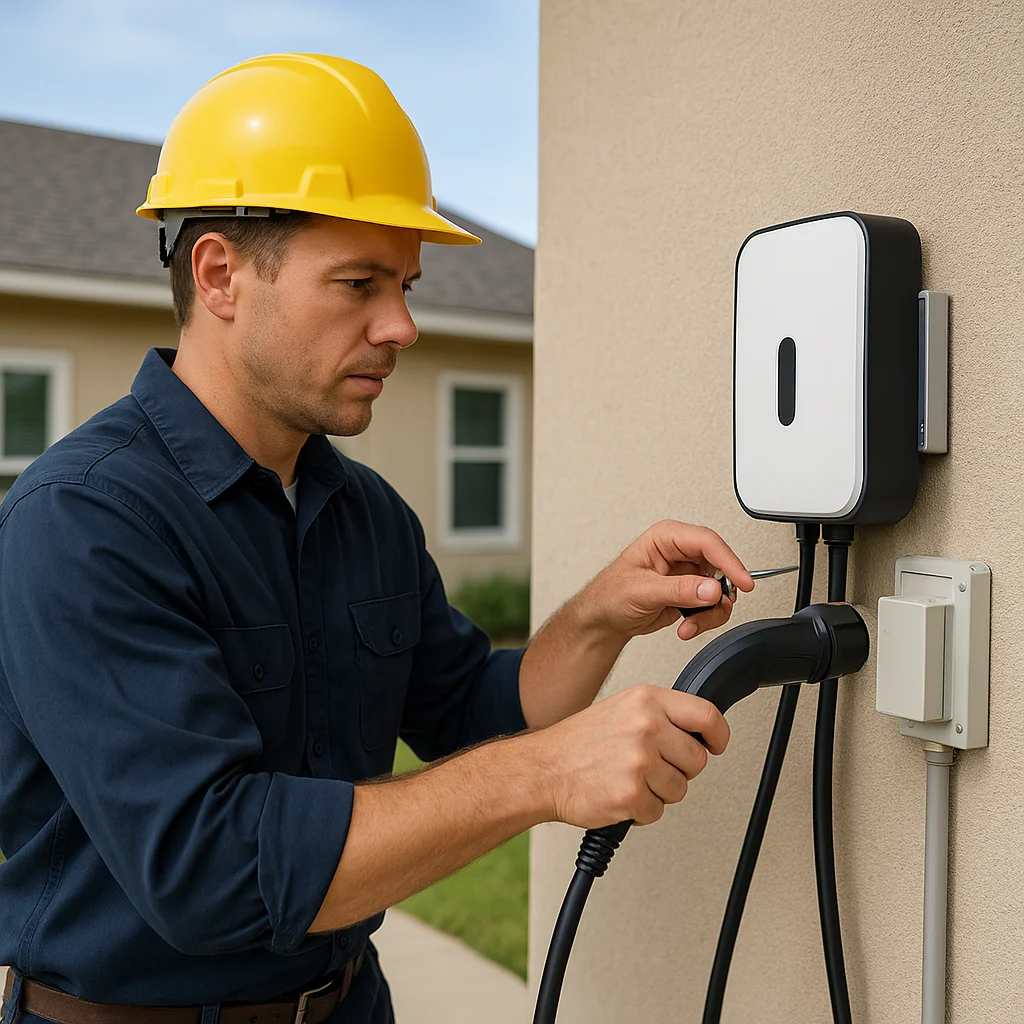
If you are planning EV charger installation in Wright, FL, the safest approach is to treat it as a system upgrade, not just a device hookup. A Superior Mechanical helps homeowners, rentals, and businesses install charging equipment that fits the property, the panel, and local code requirements.
Why EV charging changes the load on a home
Most homes were not originally built with EV charging in mind. Even newer homes in Wright and across Okaloosa County can have panels sized for everyday living, not for several large electrical loads running at once. An EV charger may draw power for hours at a time, which is very different from a microwave or hair dryer that runs briefly.
That long, steady demand can expose weaknesses in the panel, breakers, service conductors, or branch circuits. If the home already has older wiring, loose connections, or undersized circuits, the charger can make those issues more noticeable. Homeowners searching for electrical services in Wright often discover that EV charging is the project that brings hidden problems to the surface.
In coastal Florida, salt air and humidity can also speed up corrosion at outdoor equipment, meter bases, disconnects, and service points. That is one reason local electrical service matters. An installation that looks fine on paper can still fail early if the environment, load, and code requirements are not all considered together.
Problems that show up when a charger is added too casually
One of the most common issues is a panel that does not have enough capacity. A charger may be placed on a circuit that was never intended for continuous heavy use, or the panel may already be near its limit. That can lead to breaker trips, warm breakers, or overheated wiring. In some cases, the problem appears as lights dimming when the charger starts, especially if the home already has older service equipment.
Another issue is poor circuit planning. EV chargers usually need a dedicated circuit, and that circuit must match the charger’s electrical requirements. Shared circuits can cause overheating or repeated tripping. If the charger is installed in a garage, carport, or exterior wall, the outlet or hardwired connection must also be protected correctly from moisture and weather exposure.
Homeowners who search for outlets and switches in Wright sometimes find that an outlet problem is really a broader wiring issue. The same is true with EV charging. What looks like a simple outlet installation may actually require a dedicated circuit, a panel review, or additional grounding and bonding work.
Signs the electrical system needs a closer look first
If breakers trip more often than they used to, if lights flicker when major appliances run, or if outlets feel warm, the home may need electrical repair before a charger is installed. Buzzing from the panel, scorch marks near devices, and frequent resets are also warning signs. These are not issues to ignore, especially in homes that already have older service equipment or aluminum branch wiring.
When homeowners search for electrical replacement in Wright, they are often dealing with parts of the system that are no longer a good fit for modern loads. Sometimes the right fix is a breaker repair. Other times it is a larger upgrade, such as a panel replacement or a service change.
Panel upgrades, dedicated circuits, and why they matter
EV charger installation often works best when the panel has room to spare. A 200 amp service can be a better match for homes with multiple major appliances, electric vehicles, workshop tools, or additions. For some properties, an electrical panel upgrade near me search is really about making the whole home safer and more flexible, not just preparing for one charger.
A dedicated circuit installation helps keep the charger isolated from other loads. That reduces the chance of nuisance trips and helps the breaker do its job correctly. It also makes troubleshooting easier later. If a charger is hardwired, the electrician can verify conductor size, breaker sizing, grounding, and termination quality. If a receptacle is used, it must be the correct type and rated for the load and environment.
For homeowners comparing options, a licensed electrician near me search is often the best starting point because EV charging is not a one-size-fits-all project. The right setup depends on the panel, the length of the run, the charger model, and whether the property is a single-family home, vacation rental, or small business.
How Wright’s weather affects electrical equipment
Wright’s climate brings heat, humidity, heavy rain, and storm season. Those conditions can be tough on electrical gear. Moisture intrusion can corrode terminations. Wind-driven rain can affect outdoor chargers, disconnects, and conduit. Power surges after storms can damage sensitive electronics inside chargers, appliances, TVs, and smart home equipment.
That is why surge protection should be part of the conversation. A whole home surge protector can help guard the panel and connected equipment from utility-related surges and lightning-induced spikes. Homeowners searching for a Wright electrician often ask about surge protection after a storm because it is much cheaper to prevent damage than to replace a charger, control board, or appliance later.
Grounding and bonding also matter. A properly grounded system helps protect people and equipment, especially when charging equipment is installed outdoors or in attached garages where moisture and concrete surfaces are common. Code compliance is not just a paperwork issue. It is part of keeping the system safe in a coastal environment.
Older homes, remodels, and additions need extra planning
Older homes in Wright and throughout Okaloosa County may have electrical systems that were never meant to support today’s power use. Some still have limited panel capacity, outdated breakers, or wiring that needs correction before any major new load is added. In those homes, a charger may uncover issues such as loose neutrals, aging receptacles, or circuits that were added over time without a full system plan.
Remodels and additions can create their own challenges. A garage conversion, new utility room, or expanded driveway parking area may seem like a simple place to add charging, but the path back to the panel may require new wiring, conduit, or code updates. In some cases, house rewiring near me searches lead homeowners to discover that the real need is safer branch circuit planning throughout the property.
Homes with aluminum wiring or older service equipment may need special attention before EV charging is added. Those systems can sometimes be improved, but they should be evaluated by a professional who understands local code and practical load calculations. A charger should never be added as an afterthought to a system that is already stretched thin.
What a careful installation should include
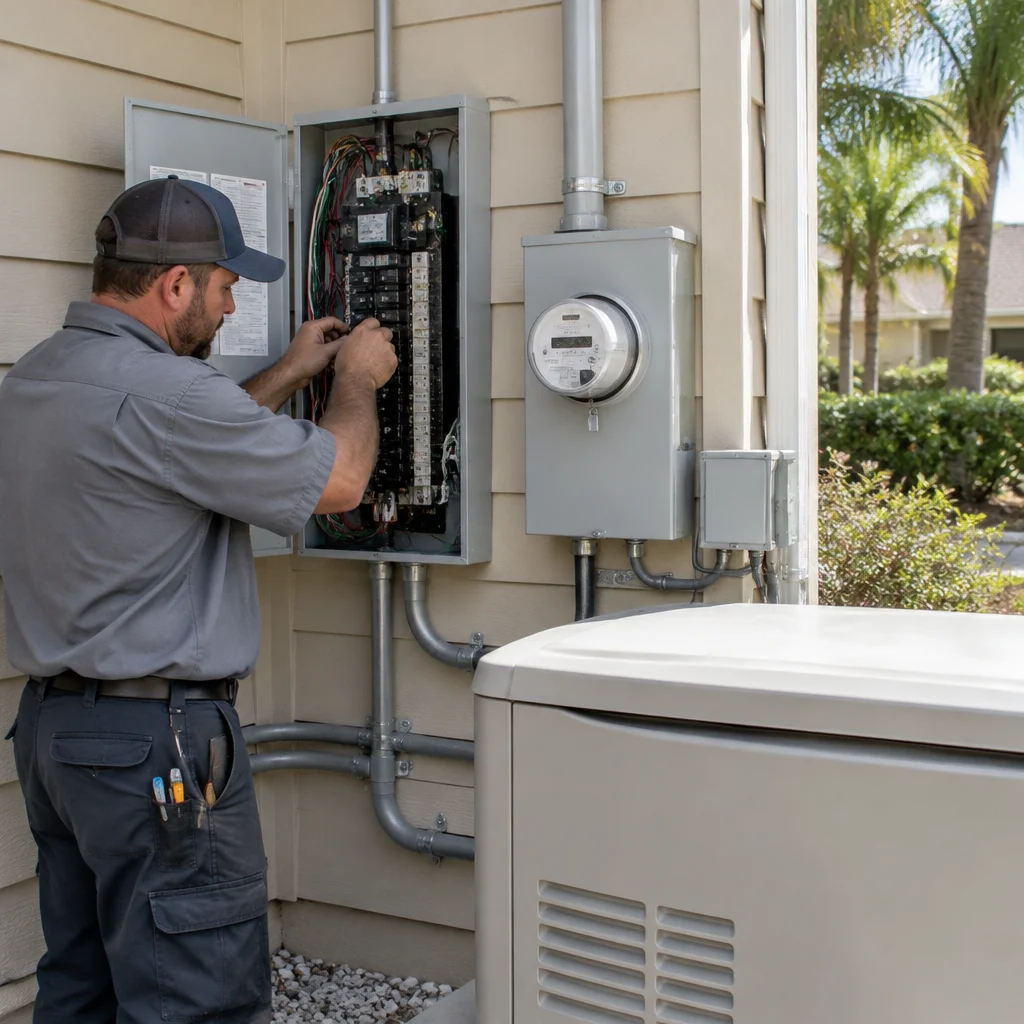
A good EV charger installation starts with an electrical inspection. The electrician should check the panel, breaker space, service size, grounding, and the condition of nearby wiring. They should also confirm whether the home needs a panel upgrade, a dedicated circuit, or additional protection such as GFCI protection or a surge protector.
From there, the installation should be sized to the charger and to the property. That might mean a hardwired charger in the garage, a weather-rated setup near the driveway, or a load management solution for a home with limited spare capacity. It may also mean adjusting nearby lighting installation, ceiling fan wiring, or outlet placement so the new equipment integrates cleanly with the rest of the home.
For some properties, especially rentals and commercial spaces, the project may also include coordination with smoke detector installation, code corrections, or a generator plan. If the power goes out often during storm season, a whole home generator installation near me search may be part of the broader conversation about keeping critical equipment running safely.
When local electrical maintenance saves money
Regular maintenance can catch loose connections, damaged breakers, and weather-related wear before they turn into bigger repairs. That matters for EV chargers because they run for long periods and put steady demand on the system. A quick check of the panel, circuit terminations, and charger connection can prevent heat damage and reduce the chance of a failed charging session.
Homeowners who schedule local electrical maintenance also tend to catch other issues earlier, like worn outlets, weak switches, or flickering lights repair near me concerns that point to a larger electrical problem. If the home has a pool, spa, or detached structure, it is smart to review those circuits too. A charger should not be competing with other high-demand equipment on the same tired system.
Why code compliance matters for homeowners and rentals
Code compliance protects the property and the people using it. For EV charging, that means correct breaker sizing, proper conductor sizing, approved equipment placement, safe clearance around the charger, and the right protection for the environment. It also means verifying that the installation matches local requirements in Okaloosa County and the specific conditions of the home or rental.
Vacation rentals and investment properties need this even more. Guests may not know how to use the charger correctly, and repeated use can reveal weaknesses fast. A professional installation reduces the chance of nuisance calls, breaker trips, or damage to the panel. It also gives owners a stronger position if they later expand charging, add outlets, or update the property for resale.
For homeowners comparing options and looking for affordable electrician near me help, the cheapest quote is not always the safest choice. A low price can leave out the inspection, panel review, grounding work, or surge protection that keeps the system reliable.
Other electrical upgrades that pair well with EV charging
Many homeowners use EV charger installation as a chance to improve other parts of the electrical system. If the panel is already being reviewed, it may be the right time to address breaker box replacement near me concerns, add a dimmer switch installation near me request, or fix an outlet that has been loose for years. Some homes also benefit from ceiling fan services, especially if the electrical system is being reorganized in a garage, bonus room, or addition.
In homes with smart entertainment spaces, home theater and AV wiring may also be worth planning while the electrician is already on site. The same careful approach applies to pool electrical repair near me needs, spa wiring near me projects, and carbon monoxide detector installation near me requests. Once the system is being evaluated, it is easier to make the whole home safer and more efficient.
For more planning ideas, homeowners can also review Smart Electrical Planning for Wright Homes: Panels, Wiring, Outlets, and Prevention and Keeping Wright Homes Powered Safely With Dedicated Appliance Circuits. Those topics often overlap with EV charging because modern homes need more than one high-demand circuit done right.
Getting the charger installed without creating new problems
EV charger installation should make life easier, not create new electrical headaches. The safest projects begin with a full assessment, not a guess. That means checking the panel capacity, verifying the breaker and circuit design, reviewing grounding, and making sure the installation fits the home’s age, layout, and weather exposure.
If your home in Wright needs EV charger installation, or if you are already noticing tripped breakers, warm outlets, dimming lights, or other warning signs, it is time to bring in a professional who knows local electrical systems. A Superior Mechanical provides code-compliant electrical service for homeowners, rentals, and businesses across Wright and Okaloosa County, including Okaloosa County. With the right planning, your charger can support modern power needs without putting the rest of the home at risk.
Find EV Charger Installation in Wright, FL
If you need EV Charger Installation in Wright, FL, visit our local service page or contact A Superior Mechanical today.
Map of Wright, FL
Frequently Asked Questions
Does my home need a panel upgrade before EV charger installation?
Not always, but many homes do need one. The electrician should check panel capacity, breaker space, service size, and the condition of the existing wiring before installing the charger.
Can an EV charger be installed on an older home in Wright, FL?
Yes, but older homes often need extra evaluation first. The system may need a dedicated circuit, grounding corrections, or a panel upgrade before the charger can be added safely.
Why is surge protection important for EV chargers in coastal Florida?
Storms, lightning, and utility surges can damage charger electronics and other home equipment. A whole home surge protector helps reduce the risk of costly repairs after power events.
What electrical problems should I fix before installing a charger?
Frequent breaker trips, flickering lights, warm outlets, buzzing panels, and damaged wiring should be addressed first. Those issues can point to a larger electrical problem that the charger would make worse.
Related Articles
- Smart Electrical Planning for Wright Homes: Panels, Wiring, Outlets, and Prevention
- How Electrical Wear and Tear Shapes Commercial New Construction in Wright, FL
- Keeping Wright Homes Powered Safely With Dedicated Appliance Circuits
- A Practical Guide to Smarter Commercial Plumbing Maintenance in Wright, FL
Photo Gallery