Sandestin homes deal with a mix of coastal humidity, salt air, and long cooling seasons that can put extra stress on HVAC systems. That combination can also make indoor air quality problems harder to spot. Dust, moisture, mold growth, and poor ventilation often build slowly, then show up as comfort complaints or repair calls.
That is why indoor air quality testing in Sandestin, FL can be such a practical step for homeowners, rental property managers, and commercial property owners. It helps identify conditions that may be affecting health, comfort, and equipment performance before they turn into more expensive service issues.
For local homeowners looking for broader service coverage, A Superior Mechanical also supports customers throughout Sandestin and across Walton County.
Why Sandestin homes benefit from a closer look at indoor air
Sandestin sits in a coastal part of Northwest Florida where humidity can stay high for much of the year. Many homes and condos rely heavily on air conditioning to keep indoor spaces comfortable. That constant cooling helps, but it can also create conditions where moisture lingers in ductwork, around vents, and in areas with limited airflow.
In vacation homes and rentals, the problem can be even more noticeable. A property may sit closed up between guest stays, which allows humidity to rise and odors to build. In occupied homes, everyday activities like cooking, showering, and laundry add more moisture to the air. If the HVAC system is not balancing that moisture well, the result can be stuffy rooms, condensation, and indoor air that feels heavier than it should.
Indoor air quality testing helps homeowners understand what is happening inside the home instead of guessing. That can reduce the chance of repeated service calls for symptoms that are actually tied to airflow, filtration, or humidity control.
What indoor air quality testing can uncover
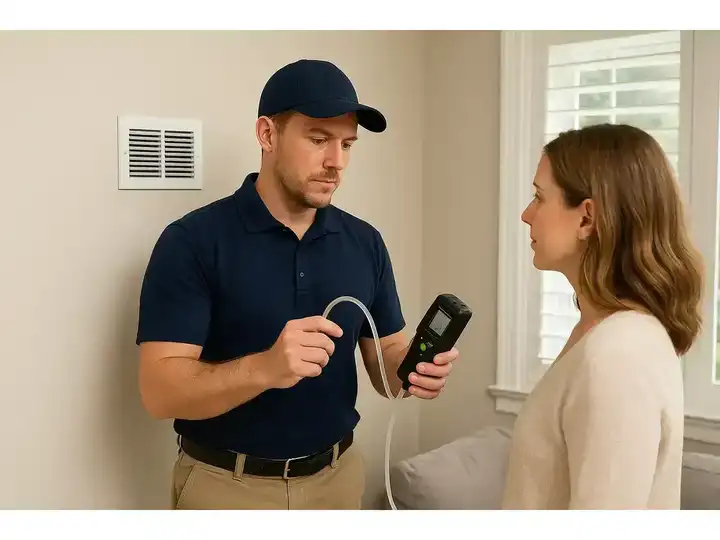
Professional testing looks beyond the thermostat. It can identify the kinds of issues that often lead to HVAC strain or ongoing comfort complaints.
Humidity problems
High indoor humidity is one of the most common concerns in Sandestin. When humidity stays too high, it can encourage mold growth, make the home feel warmer than it is, and force the HVAC system to work harder. It can also leave surfaces damp and create a musty smell that homeowners notice right away.
Airborne dust and debris
Dust is not just a cleaning issue. Excess dust can point to duct leaks, poor filtration, or air movement problems. Over time, that buildup can affect blower components, coils, and vents. If the system is pulling in more debris than it should, repairs may follow sooner than expected.
Mold and moisture concerns
In a humid coastal climate, mold can develop in hidden places such as closets, wall cavities, attic spaces, and around air handlers. Testing can help determine whether moisture conditions are creating a risk and whether more targeted repairs are needed.
Poor ventilation
When fresh air circulation is limited, odors and contaminants tend to linger. That can happen in tightly sealed homes, older properties, or spaces that have been updated without considering airflow. Poor ventilation can also make rooms feel stale and increase strain on the system as it tries to keep temperatures even.
Small warning signs homeowners should not ignore
Indoor air quality issues often start with subtle clues. These signs do not always mean a major HVAC failure is coming, but they do suggest that something in the home environment deserves attention.
Common warning signs include:
Persistent musty odors, especially after rain or during humid weather
Uneven comfort from room to room
Visible dust around vents or on surfaces soon after cleaning
Condensation on windows or supply registers
Allergy symptoms that seem worse indoors
Frequent filter clogging
Higher than expected indoor humidity
Noise or longer run times from the HVAC system
When these issues show up together, testing can help sort out whether the problem is air quality, airflow, moisture, or a combination of all three. That matters because the right fix is often much smaller and less expensive when the cause is identified early.
How testing helps lower repair risk
Indoor air quality testing is not only about comfort. It can also help protect HVAC equipment from preventable wear.
For example, a system that runs in a humid environment without proper dehumidification may cycle more often and accumulate more moisture on coils. That moisture can contribute to corrosion, biological growth, and drainage issues. If testing shows that indoor humidity is too high, the solution may involve maintenance, airflow adjustments, or equipment recommendations instead of waiting for a breakdown.
Testing can also reveal whether filtration is doing enough to protect the system. A filter that is too restrictive or too weak can create different problems. One may reduce airflow and stress the blower, while the other allows dust to build up inside the system. Knowing the difference helps homeowners make smarter maintenance choices.
For homeowners who have already noticed small HVAC concerns, it can be useful to read Keeping Sandestin Homes Comfortable When HVAC Problems Start Small and Why Sandestin Homes Benefit from Indoor Air Quality Testing Before Small HVAC Issues Become Bigger Repairs.
Local conditions in Sandestin that make IAQ testing especially useful
Sandestin’s coastal setting creates a few challenges that homeowners in inland areas may not deal with as often. Salt-laden air can affect exterior equipment and nearby components. Humidity can stay high even when temperatures are moderate. Seasonal occupancy patterns in vacation homes can let air sit stagnant for days or weeks at a time.
Many homes in the area also include features that can influence air quality, such as enclosed porches, multiple HVAC zones, or tighter building envelopes. These are not problems by themselves, but they do mean the home needs balanced ventilation and good moisture control.
In Walton County, local service matters because a technician familiar with the area understands how coastal weather, seasonal use, and property type affect indoor conditions. A home near the beach may need a different approach than a rental condo or a year-round residence farther inland. That local context can make testing more useful and the next steps more accurate.
What homeowners can do before and after testing
Good indoor air quality management does not start and stop with a single appointment. A few simple habits can make testing more effective and help keep repair risk down over time.
Before testing
Make note of problem areas. If one bedroom feels damp, if the living room smells musty after storms, or if the system seems to run longer than usual, share that information with the technician. Those details help focus the inspection.
Replace or inspect filters if they are overdue. A heavily clogged filter can affect airflow and make readings less useful. If you are not sure what type of filter is installed, a technician can help evaluate whether it fits the system and the home’s needs.
Look for moisture sources. Roof leaks, plumbing drips, and bathroom ventilation issues can all affect indoor air. If you already suspect a water problem, it may be wise to address it alongside testing.
After testing
Follow through on the recommended fixes. That may include better filtration, duct sealing, humidity control, or ventilation improvements. In some cases, a home may also benefit from a dedicated solution like air scrubbers to help reduce airborne particles and improve overall air cleaning.
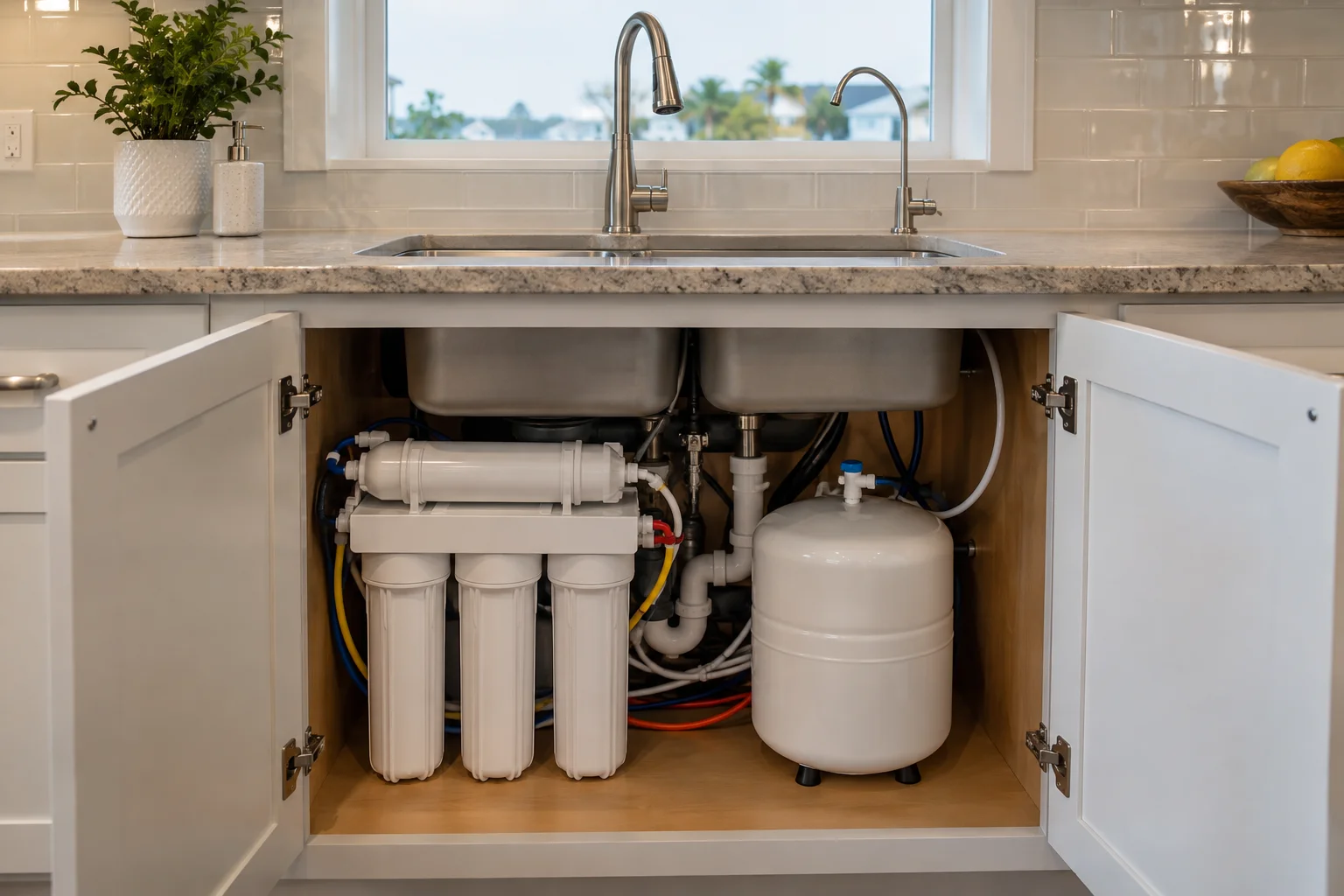
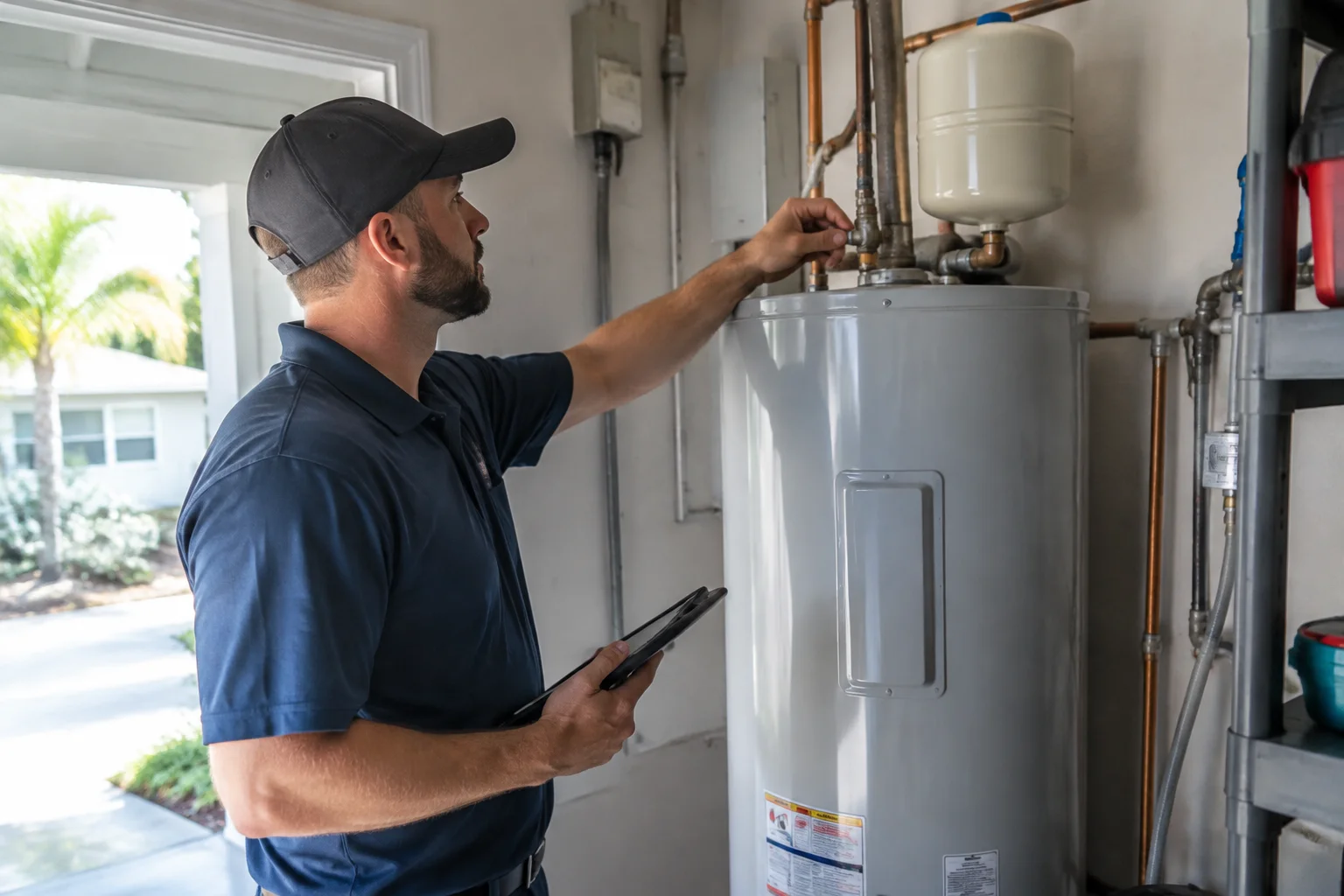
If testing points to water-related contamination or poor source water affecting humidifiers or fixtures, homeowners may also want to explore water purification or water line repair when plumbing issues are part of the problem. For properties with efficient hot water upgrades, tankless water heater services may also support better comfort and space use in smaller homes or rentals.
Why property managers and business owners should pay attention too
Indoor air quality concerns are not limited to single-family homes. Vacation rentals, condo units, offices, and commercial spaces in Sandestin all depend on reliable HVAC performance. When air quality slips, occupants notice quickly. Complaints about odors, humidity, or stuffy air can affect reviews, tenant satisfaction, and day-to-day operations.
For property managers, testing can also help create a record of conditions before and after maintenance. That is useful when managing multiple units or planning seasonal turnover. Business owners may also find it easier to solve comfort issues when they know whether the problem is tied to occupancy, ventilation, or equipment performance.
For a related local perspective, see A Practical Look at Property Management HVAC Services for Local Property Owners in Sandestin, FL and Commercial HVAC Services in Sandestin, FL: Answers to Common Questions.
How local service supports better results
Indoor air quality testing works best when it is handled by someone who understands the climate, the building style, and the common HVAC challenges in the area. In Sandestin, that means knowing how to evaluate humidity control, airflow, filtration, and possible moisture intrusion with local conditions in mind.
A Superior Mechanical provides indoor air quality testing in Sandestin, FL for homes, rentals, and businesses across Walton County. The goal is not just to measure the air. It is to help homeowners make informed decisions that reduce wear on the HVAC system, improve comfort, and catch small issues before they become larger repairs.
For homeowners who want cleaner air and fewer surprise service calls, a professional test can be a smart place to start, especially in a coastal community where moisture and HVAC demands never stay the same for long.
Find Indoor Air Quality Testing in Sandestin, FL
If you need Indoor Air Quality Testing in Sandestin, FL, visit our local service page or contact A Superior Mechanical today.
Map of Sandestin, FL
Frequently Asked Questions
How often should indoor air quality testing be done in Sandestin homes?
Many homeowners benefit from testing every few years, but homes with humidity issues, musty odors, allergy concerns, or frequent HVAC problems may need it sooner. Vacation rentals and properties near the coast often benefit from more regular checks.
Can indoor air quality testing help prevent HVAC repairs?
Yes. Testing can reveal humidity problems, poor airflow, dust buildup, and moisture conditions that make HVAC systems work harder. Catching those issues early can reduce wear and help prevent more expensive repairs later.
What problems are most common in Sandestin indoor air?
High humidity, mold risk, dust buildup, and stale air are common concerns in coastal Walton County homes. Properties that sit empty for part of the year can also develop odors and moisture issues more easily.
Do rental properties and commercial spaces need IAQ testing too?
They often do. Vacation rentals, condos, offices, and other commercial spaces can develop air quality issues from heavy use, limited ventilation, or seasonal occupancy. Testing helps protect comfort and equipment in those settings.
Related Articles
- Why Sandestin Homes Benefit from Indoor Air Quality Testing Before Small HVAC Issues Become Bigger Repairs
- Commercial HVAC Services in Sandestin, FL: Answers to Common Questions
- Keeping Sandestin Homes Comfortable When HVAC Problems Start Small
- A Practical Look at Property Management HVAC Services for Local Property Owners in Sandestin, FL
Photo Gallery