In Freeport, a dependable HVAC system is more than a comfort feature. It helps protect inventory, keeps employees productive, supports customer comfort, and reduces the chance of expensive downtime. With Walton County heat, long cooling seasons, and plenty of humidity, small issues can turn into bigger ones fast. That is why staying ahead of repairs matters for local businesses and the homes that depend on them.
A Superior Mechanical provides commercial HVAC repair in Freeport, FL for offices, restaurants, retail spaces, hospitality properties, and other facilities that need quick diagnostics and lasting fixes. If you are also looking for broader local coverage, you can learn more about our Freeport service area and the wider Walton County service area.
Why early HVAC attention matters in Freeport
Freeport sits in a climate that works HVAC systems hard. High humidity, warm temperatures, salty air influence from the Gulf, and long stretches of cooling demand all add wear. Systems that might perform fine in a milder region often struggle here if they are not maintained and repaired quickly. When a commercial unit starts to slip, the warning signs can show up in energy bills, indoor comfort, and equipment performance before the system fully fails.
For commercial properties, that matters because HVAC problems rarely stay isolated. A struggling rooftop unit can affect multiple rooms, drive away customers, create moisture issues, and increase strain on other building systems. In some cases, poor cooling can also contribute to plumbing-related concerns, especially when condensation lines back up or leaks spread into ceilings and walls. If your building has recurring moisture problems, it may be worth checking related plumbing services or, if the issue is urgent, emergency plumbing services as well.
Early clues your commercial HVAC system needs attention
Most major failures start with smaller changes. The challenge is noticing them before they interrupt business. In Freeport, business owners and property managers should pay attention to these common signs:
Uneven temperatures across the building
If one area feels muggy while another is overcooled, the system may have airflow problems, thermostat issues, duct concerns, or a failing component. In larger commercial spaces, uneven temperatures often point to zoning or balancing problems that get worse over time.
Longer run times and rising utility bills
When equipment runs longer than usual to maintain the same temperature, it is often losing efficiency. Dirty coils, low refrigerant, worn belts, and failing motors can all make the system work harder. In a hot place like Freeport, that extra strain adds up quickly.
Humidity that never seems to drop
Florida humidity is already a challenge. If your indoor air feels sticky even when the system is running, the equipment may not be removing moisture properly. That can lead to discomfort, mold risk, and complaints from customers or staff.
Strange noises or odors
Grinding, rattling, squealing, or buzzing sounds usually mean parts are loose, worn, or failing. Musty smells can point to drainage or mold issues, while electrical odors should be treated seriously. These are not problems that usually improve on their own.
Short cycling
If the unit turns on and off too often, it may be oversized, low on refrigerant, overloaded, or dealing with a thermostat or control issue. Short cycling wastes energy and wears out parts faster.
Water around the unit or ceiling stains
Condensation leaks and clogged drain lines are common in humid climates. Water near the HVAC system can damage ceilings, walls, flooring, and nearby electrical components. If you notice active leaks, the problem may overlap with plumbing or drainage concerns and should be checked promptly.
What usually causes commercial HVAC trouble here
Freeport’s weather is a big part of the story, but it is not the only factor. Commercial HVAC systems can run into trouble for several reasons, and the most common ones often overlap.
Heavy runtime during long cooling seasons
Systems in Northwest Florida spend much of the year under load. That means compressors, fans, controls, and electrical parts see more wear than they would in a cooler climate. Even a well-installed unit needs regular inspection to keep up.
Humidity and moisture buildup
Moisture is one of the biggest enemies of HVAC reliability. It can clog drain lines, corrode parts, and create conditions where mold or mildew develops. In buildings with poor ventilation, the problem can spread faster.
Dirty coils and filters
When filters clog or coils collect dirt, airflow drops and the system loses efficiency. That can make the unit run longer, increase indoor humidity, and place extra stress on the compressor.
Electrical wear and control issues
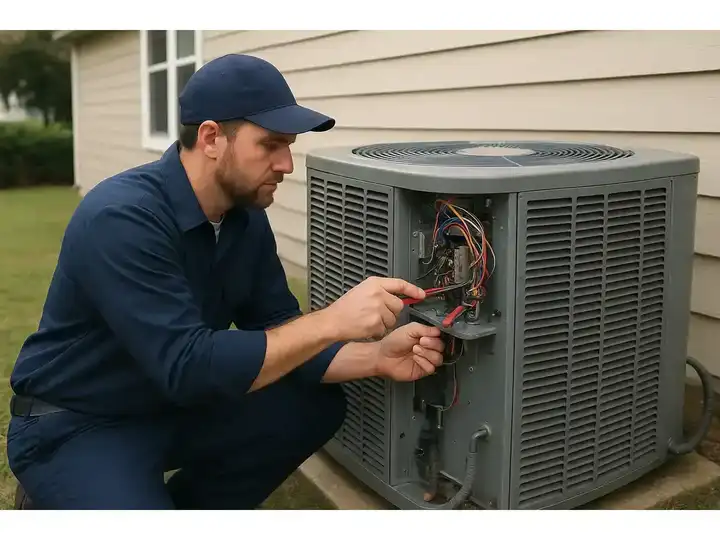
Commercial systems depend on contactors, relays, sensors, thermostats, and control boards. Heat, vibration, and age can all cause these parts to fail. Sometimes the problem is simple. Other times it takes a trained technician to trace the issue correctly.
Poorly matched or aging equipment
Some buildings in Freeport use older systems that were not designed for current occupancy levels or today’s efficiency expectations. In those cases, repeated repairs may be a sign that it is time to evaluate replacement options, such as air conditioning installation or, for buildings needing more flexibility, VRF multi-zone HVAC systems.
How to catch problems before they become downtime
The best way to avoid emergency breakdowns is to build a habit of checking the system regularly. You do not need to be an HVAC technician to spot many of the early warning signs. A simple routine can help you catch issues before they affect business operations.
Walk the space with your senses
Listen for new noises. Notice if certain rooms feel warmer or more humid than others. Pay attention to odors, dust buildup, and water marks around vents or ceilings. Small changes often show up before major failures.
Watch your energy use
A sudden increase in utility bills can be one of the earliest signs of HVAC inefficiency. If the weather has not changed much but energy use has climbed, the system may need service.
Check filters and drain areas
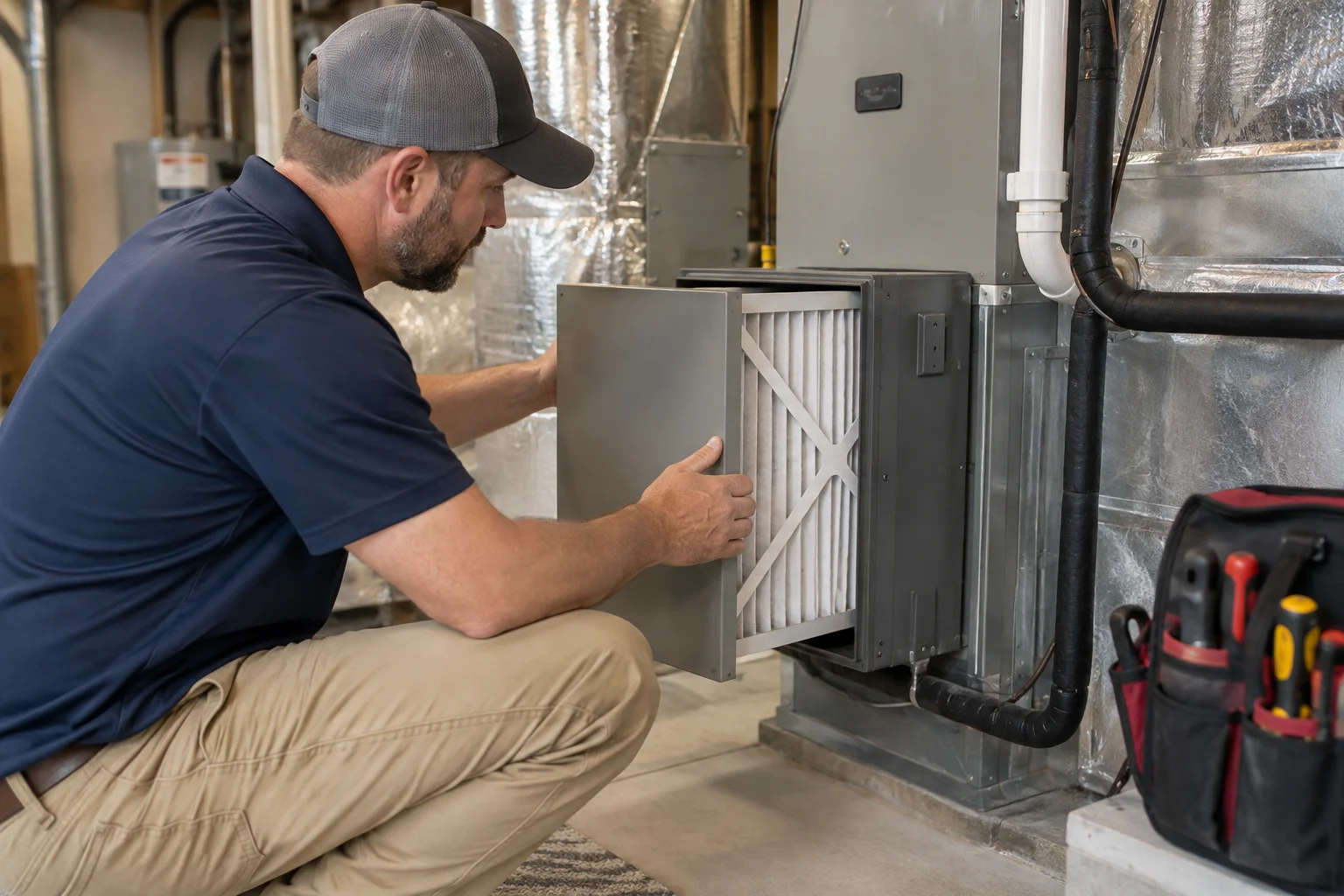
Dirty filters restrict airflow, and clogged drain lines can cause water damage. In humid Freeport conditions, these issues can develop faster than many owners expect. Regular filter changes and drain checks are simple but important.
Track repair history
If the same part keeps failing or the same complaint keeps coming back, the system may have a larger underlying issue. Repeated repairs are worth discussing with a technician who understands commercial equipment and local conditions.
Schedule service before peak demand
Waiting until the hottest stretch of the year can leave you competing with other urgent calls. Preventive service in spring or early summer gives you a better chance to catch worn parts before they fail under peak load.
Why local service makes a difference
Commercial HVAC repair is not just about swapping parts. It is about understanding how the building is used, how the system responds to local weather, and how to solve the problem without creating more downtime than necessary. That is where local experience matters.
Technicians who work in Freeport and across Walton County understand the strain that humidity, heat, storms, and coastal air place on commercial systems. They also know that a restaurant, office, retail shop, or hospitality property may need a different approach based on hours of operation, occupancy, and equipment layout. A fast diagnosis is helpful, but a repair only matters if it holds up under local conditions.
That local knowledge also helps when a problem is tied to more than one system. For example, poor drainage, leaks, or moisture around equipment may involve both HVAC and plumbing. In those cases, working with a team that can evaluate the whole picture can save time and reduce repeat service calls.
Practical maintenance habits that reduce repair calls
Not every HVAC issue can be prevented, but regular care can lower the odds of major disruption. For Freeport business owners and property managers, a few habits go a long way.
Keep the area around equipment clear
Commercial units need room to breathe. Debris, stored materials, and vegetation can restrict airflow or make service harder. Clear access also helps technicians inspect equipment more thoroughly.
Replace filters on schedule
Filter changes are one of the easiest ways to support performance. In dusty or high-traffic spaces, filters may need to be changed more often than the minimum recommendation.
Do not ignore small comfort complaints
If employees or customers mention hot spots, humidity, or unusual smells, take it seriously. These complaints often point to real system issues, even if the building is still technically cooling.
Keep an eye on storm season impacts
Freeport weather can bring heavy rain, power interruptions, and storm debris. After severe weather, check for signs of electrical damage, water intrusion, or performance changes. If the system behaves differently after a storm, it is smart to have it inspected.
Repair or replace: how to think through the decision
Some commercial HVAC problems are straightforward repairs. Others are signs that the equipment is reaching the end of its useful life. The right answer depends on age, repair frequency, efficiency, and how critical the system is to your business.
If the unit is relatively new and the issue is isolated, repair is usually the first step. If the system is older, less efficient, and requiring repeated service, replacement may be the better long-term investment. A technician can help evaluate whether ongoing repairs are still practical or whether a new system would better support the building. For some properties, that conversation may include options like zoning improvements or a different system design altogether.
Commercial HVAC repair support for Freeport businesses
When a commercial HVAC system starts showing warning signs, quick action can keep the problem from spreading. A Superior Mechanical offers commercial HVAC repair in Freeport, FL with fast diagnostics, dependable repairs, and service tailored to the needs of local businesses. Whether the issue is airflow, humidity, electrical failure, drainage, or a system that simply cannot keep up anymore, local service can help get operations back on track with less disruption.
For businesses and property managers throughout Freeport and Walton County, staying ahead of HVAC trouble is often the difference between a quick repair and a costly shutdown. The earlier you catch the warning signs, the more options you usually have.
Find Commercial HVAC Repair in Freeport, FL
If you need Commercial HVAC Repair in Freeport, FL, visit our local service page or contact A Superior Mechanical today.
Map of Freeport, FL
Frequently Asked Questions
How often should a commercial HVAC system be inspected in Freeport, FL?
Most commercial systems in Freeport benefit from at least twice-yearly inspections, usually before the heavy cooling season and again before peak storm or humidity periods. Buildings with high occupancy or long operating hours may need more frequent checks.
What is the most common HVAC problem for commercial buildings in Walton County?
Dirty coils, clogged filters, drainage issues, and worn electrical components are among the most common problems. In Walton County’s humid climate, moisture-related issues can also show up quickly if routine maintenance is skipped.
Can a small HVAC issue really affect my business operations?
Yes. Even a minor problem can lead to uneven temperatures, higher energy bills, poor humidity control, and customer complaints. In some buildings, small HVAC issues can also contribute to moisture damage or trigger plumbing-related concerns.
Related Articles
Photo Gallery