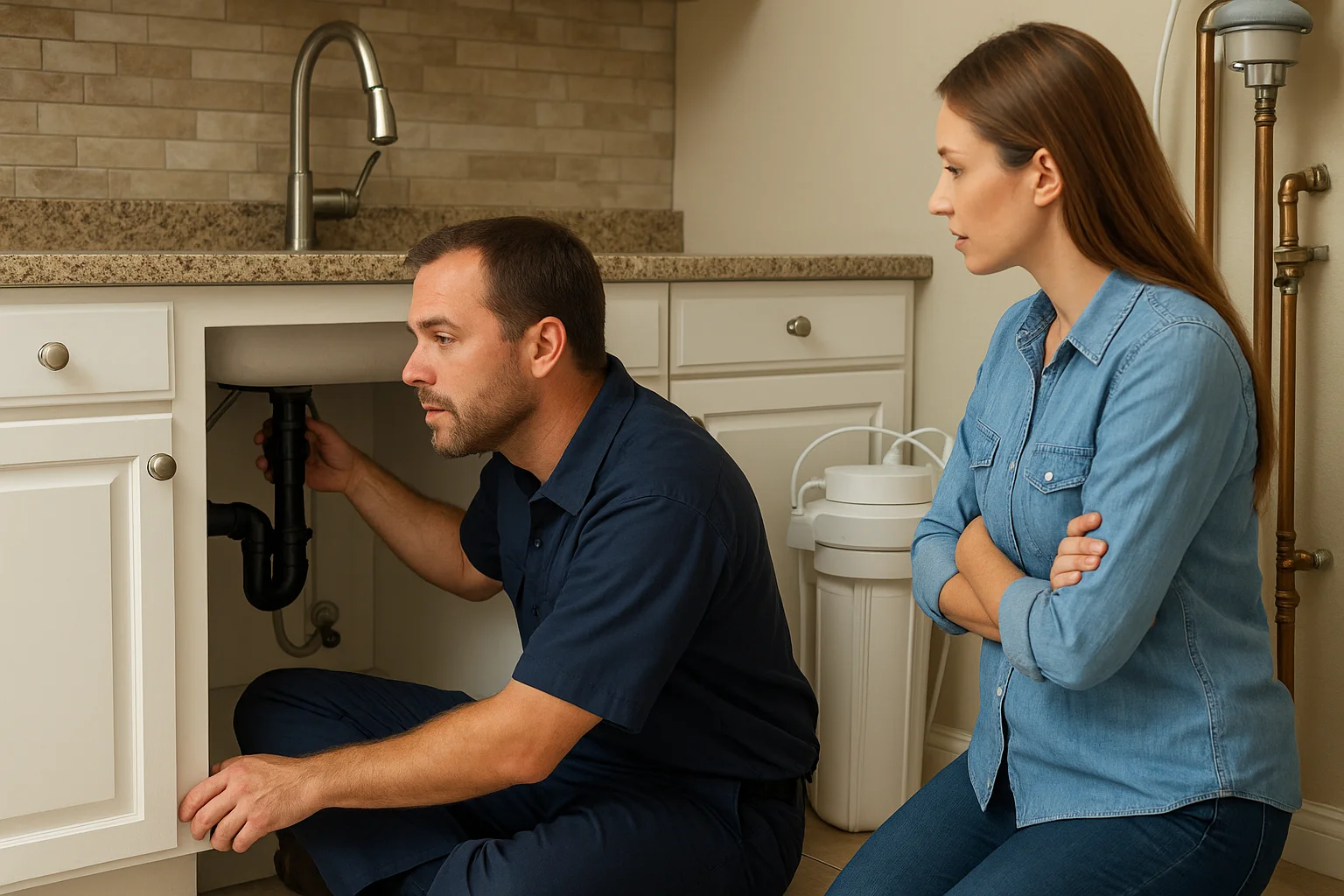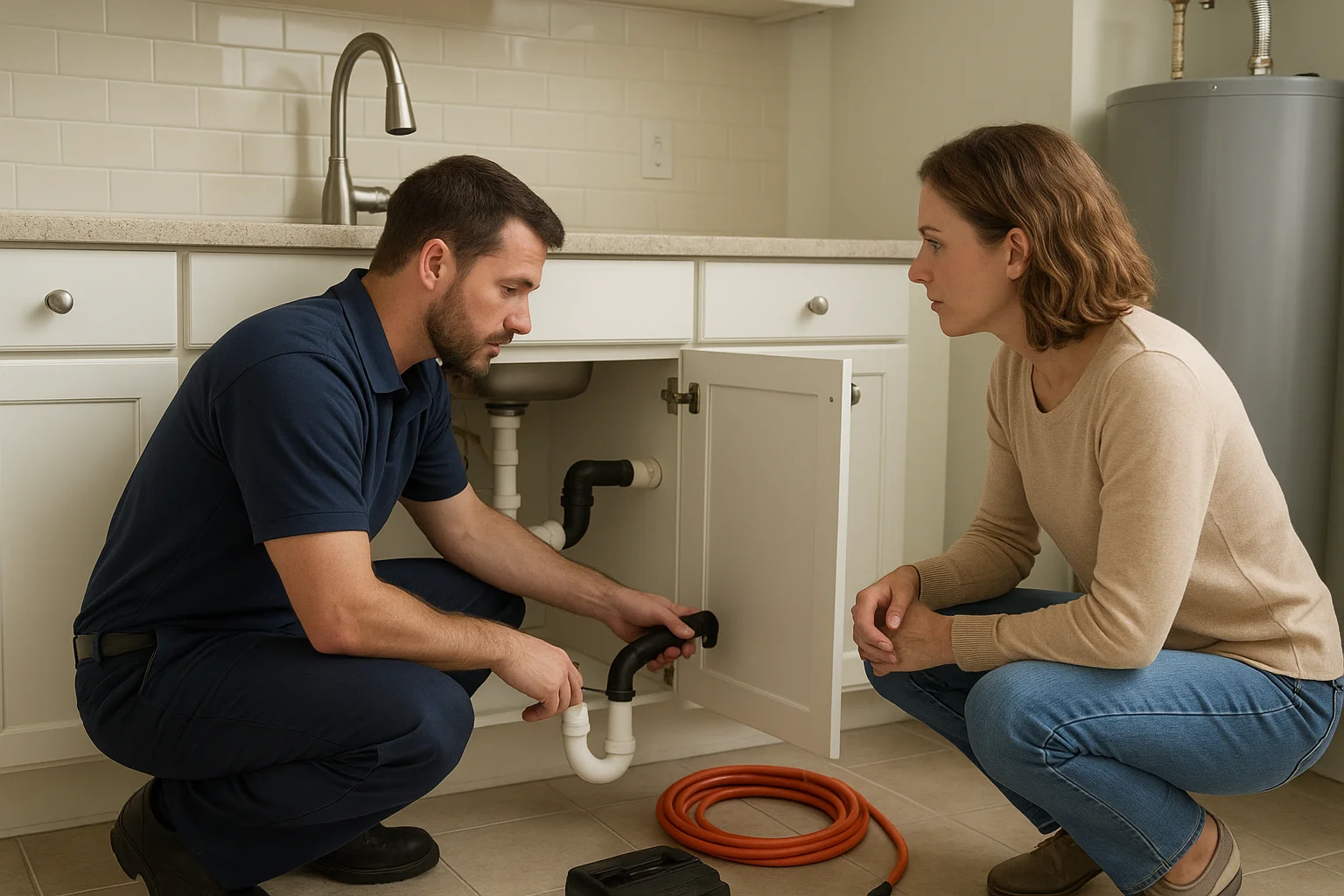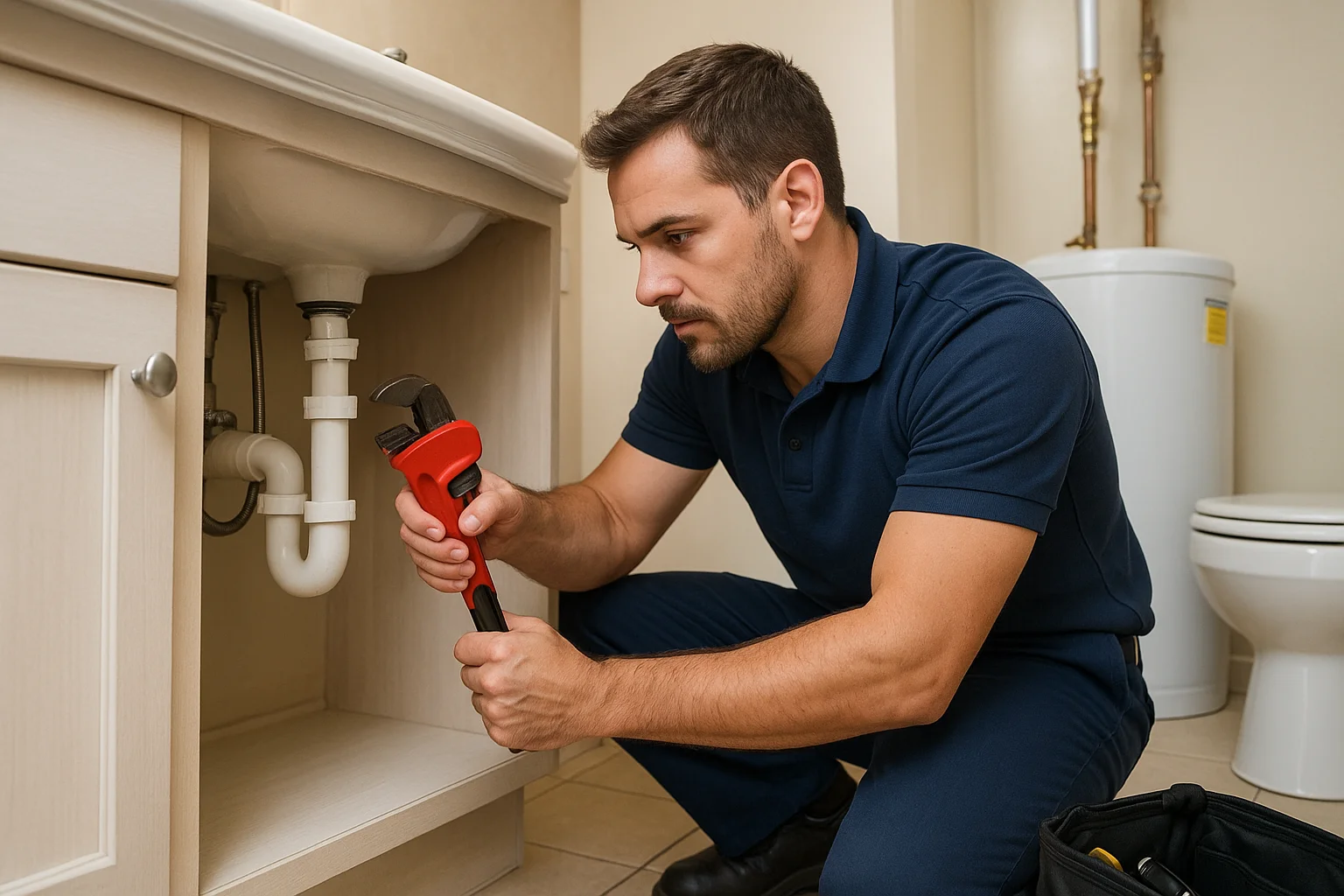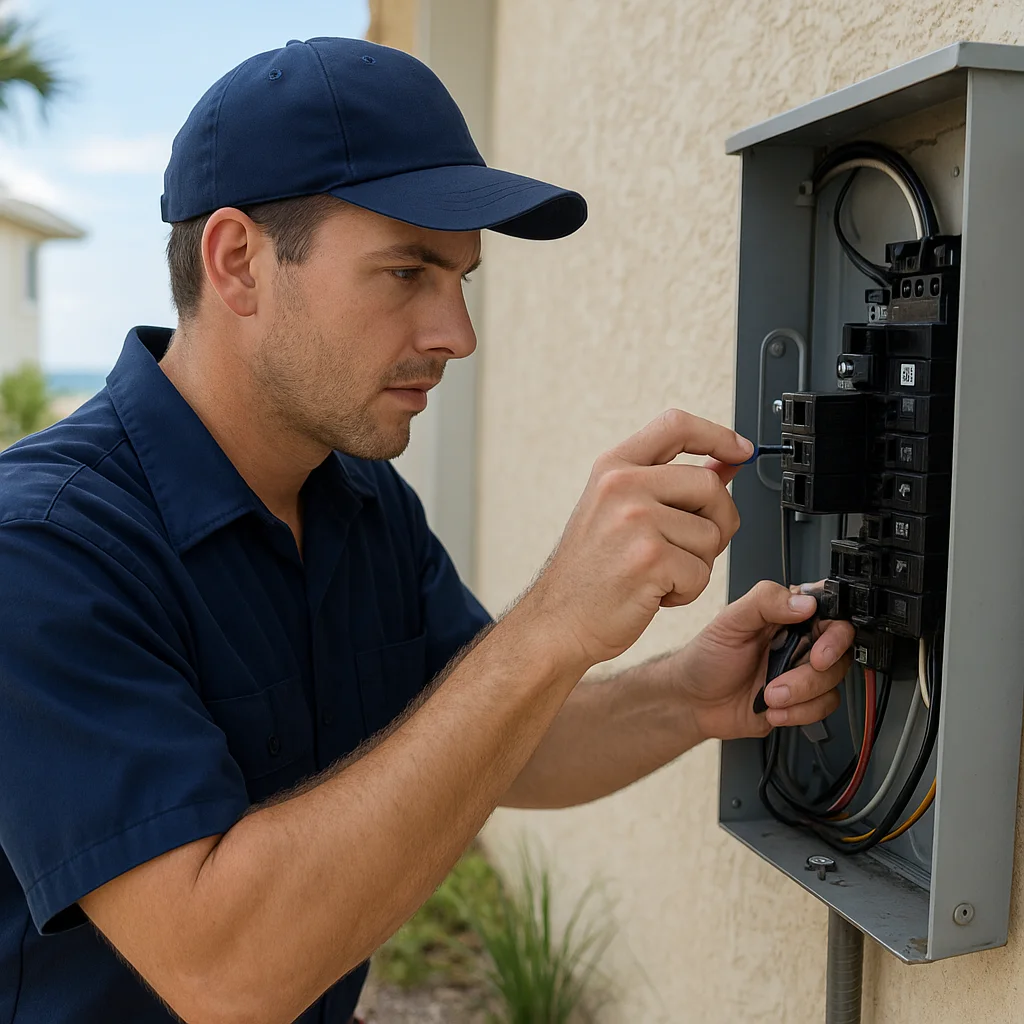
In 30A, a water heater has to do more than make showers comfortable. It needs to fit the home, handle steady demand, and hold up in a coastal climate that can be tough on plumbing equipment. That matters whether you live in a full time residence, manage a vacation rental, or own a property that sits empty part of the year.
Homeowners often focus on the brand or the price tag and overlook the details that affect how long a system lasts and how well it performs. With water heater installation in 30A, FL, the small decisions made before and during installation can have a big impact later. A properly installed system can mean better efficiency, fewer repairs, and more reliable hot water during busy weekends and peak rental seasons.
Why installation details matter so much along 30A
30A homes face a mix of conditions that can shorten the life of plumbing equipment. Salt air, humidity, and frequent temperature swings all put stress on mechanical systems. Many homes in Walton County also have unique layouts, outdoor features, or limited mechanical space, especially in newer builds, beach cottages, and vacation properties.
That is why installation is not just about replacing the old unit with something similar. The right installation should account for the home’s hot water demand, venting needs, fuel source, drainage, and available space. When those details are ignored, homeowners may end up with lukewarm water, noisy operation, higher energy bills, or a system that fails earlier than expected.
If you are comparing options across the area, it helps to work with a local team that understands the homes and conditions along the coast. You can also learn more about the service area itself at 30A, FL and the broader region at Walton County.
The sizing mistake that causes the most frustration
One of the most overlooked parts of water heater installation is sizing. A unit that is too small will struggle to keep up when multiple showers, laundry, and dishwashing happen at the same time. A unit that is too large can waste energy and take up more space than necessary.
In 30A homes, sizing needs can be especially tricky because occupancy changes throughout the year. A vacation rental may need to handle weekend turnover with several guests using hot water at once. A primary residence may have a smaller family but still need enough capacity for soaking tubs, laundry, and a busy kitchen.
Tankless systems can be a smart choice for some properties, but they still need to be matched to the actual demand in the home. The number of bathrooms, the flow rate of fixtures, and the expected simultaneous use all matter. A careful assessment before installation helps avoid the common problem of paying for a system that never quite fits the home.
Coastal conditions can affect the equipment more than people expect
Humidity and salt air are part of life near the Gulf, and they can be hard on metal components. Even inside a mechanical closet or garage, moisture can accelerate corrosion if the installation is not planned well. That is one reason local experience matters so much for water heater services in 30A.
Equipment placement, drainage, and ventilation all deserve attention. In some homes, a water heater may be installed in a tight interior space where airflow is limited. In others, the unit may be in a garage or near an exterior wall where humidity can build up. A professional installer will look at the full environment, not just the appliance itself.
When a water heater is installed without considering coastal exposure, homeowners may notice rust, premature part failure, or efficiency problems sooner than expected. The right setup can help the system stand up better to the local climate.
Venting, drainage, and code compliance are easy to overlook
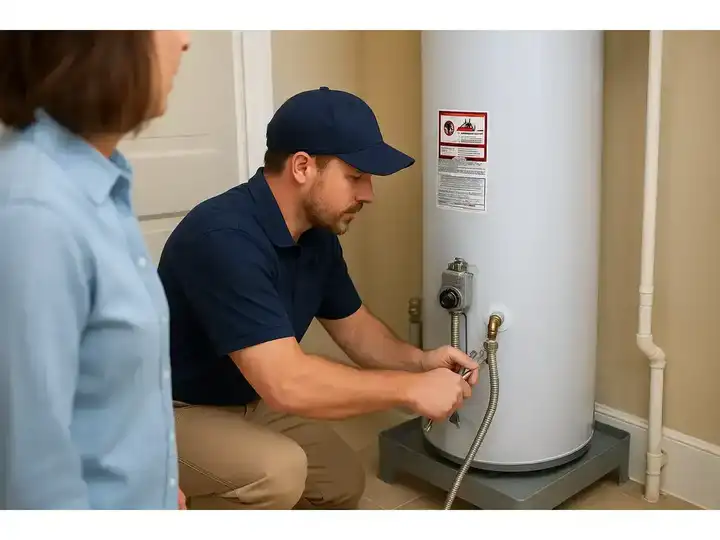
Many homeowners never see the details that make a water heater safe and functional. Venting, pressure relief, drain pans, condensate management, and shutoff access may not be exciting, but they are essential.
For gas systems, venting has to be done correctly so combustion gases exit safely. For tankless models, proper exhaust and intake setup is especially important. Even electric systems need correct placement and drainage planning. If the installation is rushed, the unit may work at first but still create safety concerns or maintenance problems later.
Local code compliance also matters in Walton County County. A professional installer who works in the area regularly understands the requirements that apply to different property types. That is especially important in coastal neighborhoods where homes may have elevated foundations, tight utility areas, or special flood related considerations.
Vacation rentals need a different installation mindset
Many 30A properties are used as short term rentals, which changes the way a water heater should be selected and installed. Guest turnover can mean repeated heavy usage in a short period of time. If the system is undersized or installed in a way that makes maintenance difficult, the property owner may face complaints, emergency calls, or lost bookings.
For rental homes, reliability often matters more than anything else. That may mean choosing equipment that recovers quickly, is easy to service, and is installed with clear access for future maintenance. It can also mean planning around the rest of the property’s systems. For example, a home with older plumbing may benefit from addressing related issues before a new water heater is added. In some cases, homeowners also look at protecting 30A homes from costly water damage with better plumbing repair as part of the larger plan.
For commercial or multi unit properties, the demands can be even higher. Property managers often pair installation planning with commercial HVAC services and other maintenance needs to keep the building running smoothly through peak season.
Old plumbing can limit the performance of a new water heater
It is easy to assume a new unit will solve everything, but aging plumbing can create problems that show up right away. Corroded pipes, mineral buildup, and poor water pressure can all affect the performance of a new water heater. If the plumbing system is already struggling, the new equipment may not deliver the results the homeowner expects.
That is why a good installer looks beyond the appliance. They may recommend checking shutoff valves, supply lines, and nearby fixtures before the new unit goes in. If there are recurring drainage issues or slow drains in the same area, it may also make sense to address those with clogged pipes and drain cleaning.
In some homes, water quality also plays a role. Harder water can leave mineral deposits inside the tank or on heating elements. Homeowners who want to improve overall performance may also find value in clean water systems for better home performance in 30A, FL.
Maintenance access is part of a good installation
A water heater should not be installed so tightly that routine service becomes difficult. Homeowners often forget that the unit will need flushing, inspection, and occasional part replacement. If the installer leaves too little clearance, a simple maintenance visit can become more time consuming and expensive.
This matters in 30A homes where space is often at a premium. Utility closets, garages, and tucked away mechanical rooms need to be planned carefully so technicians can reach valves, connections, and controls. Good access also makes it easier to spot leaks early, which is important in a coastal area where even a small drip can lead to larger problems.
For homeowners who are already thinking about broader home efficiency, related maintenance can include duct cleaning and other system upkeep. Keeping the home’s major systems in good shape helps reduce stress on equipment and can support better overall comfort.
Tank and tankless systems each have tradeoffs
There is no single best choice for every 30A property. Traditional tank water heaters can be a practical fit for many homes because they are familiar, straightforward, and often less expensive up front. Tankless models can offer space savings and on demand hot water, but they need proper sizing, installation, and sometimes upgrades to gas, venting, or electrical service.
The right choice depends on how the home is used. A rental property with frequent guest turnover may benefit from one style, while a year round residence with lower daily demand may be better served by another. The installer should explain the tradeoffs clearly and recommend a system based on the home, not just the trend.
That is where local service makes a difference. A team that works across 30A and Walton County understands how different neighborhoods, property types, and household patterns affect equipment choice. If you are comparing options, it is worth reviewing both the installation service and the broader water heater services available in the area.
Warning signs after installation should not be ignored
Even a new water heater can show signs that something was not done quite right. Homeowners should pay attention to inconsistent water temperature, unusual noises, visible corrosion, moisture around the base, or hot water that runs out faster than expected. These issues can point to installation problems, sizing mismatches, or a related plumbing concern.
If the system seems to be working harder than it should, it is better to have it checked early. Small issues are often much easier to correct soon after installation than after months of extra strain. In a coastal market like 30A, early attention can also help prevent water damage, which is especially important in homes with finished floors, rental furnishings, or lower level living spaces.
Why local installation support matters in Walton County
Water heater installation is not the kind of job where one size fits every home. Local knowledge matters because the homes, weather, and usage patterns in 30A are specific. A plumber who regularly works in Walton County County is more likely to understand the common layouts, code requirements, and climate related concerns that affect performance.
A Superior Mechanical provides expert water heater installation in 30A, FL for homes, vacation rentals, and commercial properties across Walton County. That includes tank and tankless systems, replacements, upgrades, and new construction installations designed for reliable hot water and long term efficiency.
For property owners who want a broader look at keeping systems dependable, it can also help to read about smarter commercial plumbing maintenance in 30A and ductwork services in 30A, FL if the home or building has multiple comfort systems working together.
When a new water heater is installed with the home, climate, and usage in mind, it is more likely to deliver steady hot water without unnecessary surprises. That is the difference local homeowners notice over time.
Find Water Heater Installation in 30A, FL
If you need Water Heater Installation in 30A, FL, visit our local service page or contact A Superior Mechanical today.
Map of 30A, FL
Frequently Asked Questions
How do I know which water heater size is right for my 30A home?
The right size depends on how many people live in the home, how many bathrooms you have, and how often multiple fixtures run at once. Vacation rentals and larger homes in 30A often need a different setup than smaller year round residences.
Is a tankless water heater a good fit for coastal homes in Walton County?
It can be, but the system needs to be sized and installed correctly. Tankless units can save space and provide efficient hot water, but they still have to match the home’s demand and local installation requirements.
Why does local experience matter for water heater installation in 30A, FL?
Homes along 30A face humidity, salt air, and unique building layouts. A local installer understands those conditions, along with Walton County code requirements and common property types, which helps the system perform better over time.
Related Articles
- Protecting 30A Homes From Costly Water Damage Starts With Better Plumbing Repair
- Keeping 30A Properties Dry, Efficient, and Ready for Guests With Smarter Commercial Plumbing Maintenance
- Ductwork Services in 30A, FL: Common Problems and Solutions
- A Practical Look at Clean Water Systems for Better Home Performance in 30A, FL
Photo Gallery