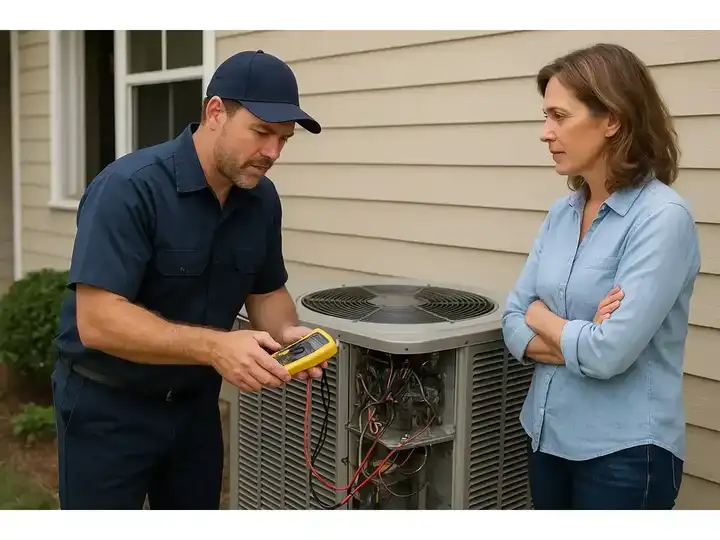
Commercial HVAC repair in Sandestin, FL is often treated like a quick fix, but the issues that interrupt comfort and business operations usually start long before the system shuts down. In a coastal community like Sandestin, where humidity, salt air, and heavy seasonal use all put extra stress on equipment, small problems can become expensive fast.
For local businesses, property managers, and owners of vacation rental properties, the real challenge is not just repairing a broken unit. It is spotting the details that are easy to miss, especially in a climate that pushes HVAC systems harder than many inland areas. If you manage a storefront, office, restaurant, or facility in Sandestin or nearby parts of Walton County, understanding those overlooked issues can help you reduce downtime and protect indoor comfort. For service details, see our commercial HVAC repair in Sandestin, FL page and our local Sandestin service area.
Why small HVAC issues matter more in Sandestin
Sandestin’s weather creates a tough environment for commercial systems. Warm temperatures, high humidity, frequent cooling demand, and salt in the air all work against mechanical components. Even when a system is still running, it may be doing so inefficiently. That can lead to higher utility bills, uneven temperatures, and more wear on parts that are already under pressure.
Commercial spaces also tend to have more complicated HVAC setups than homes. Rooftop units, split systems, VRF systems, heat pumps, mini-splits, and ventilation equipment all need different forms of attention. A minor issue in one part of the system can affect the entire building, especially in restaurants, retail spaces, or offices where indoor comfort directly affects customers and employees.
That is why local knowledge matters. A technician who regularly works in Sandestin and across Walton County understands how coastal conditions affect electrical components, coils, drains, and airflow. That local experience can make repairs faster and more accurate.
Problems that are easy to overlook
Drainage and condensate issues
In humid climates, condensate management is a bigger deal than many people realize. If a drain line is partially blocked or a pan is slow to empty, moisture can back up and trigger water damage, mold growth, or safety shutdowns. In commercial properties, this can affect ceilings, walls, inventory, and customer areas before anyone notices the source.
Drainage problems often show up as small puddles, musty odors, or a system that seems to cycle oddly. They can also be connected to other property concerns, such as water leak repairs if the moisture has already spread beyond the HVAC unit.
Dirty coils and restricted airflow
Coils that are coated with dust, salt residue, or biological growth cannot transfer heat efficiently. In Sandestin, salt air and humidity can accelerate buildup, especially in systems near the coast or in high use buildings. When coils are dirty, the unit may run longer, cool less effectively, and place extra strain on compressors and fans.
Restricted airflow is another issue that often gets brushed off as a minor comfort complaint. In reality, airflow problems can be caused by clogged filters, failing blowers, duct issues, or blocked vents. If one part of the building feels warm while another feels cold, the system may already be struggling.
Electrical wear and control problems
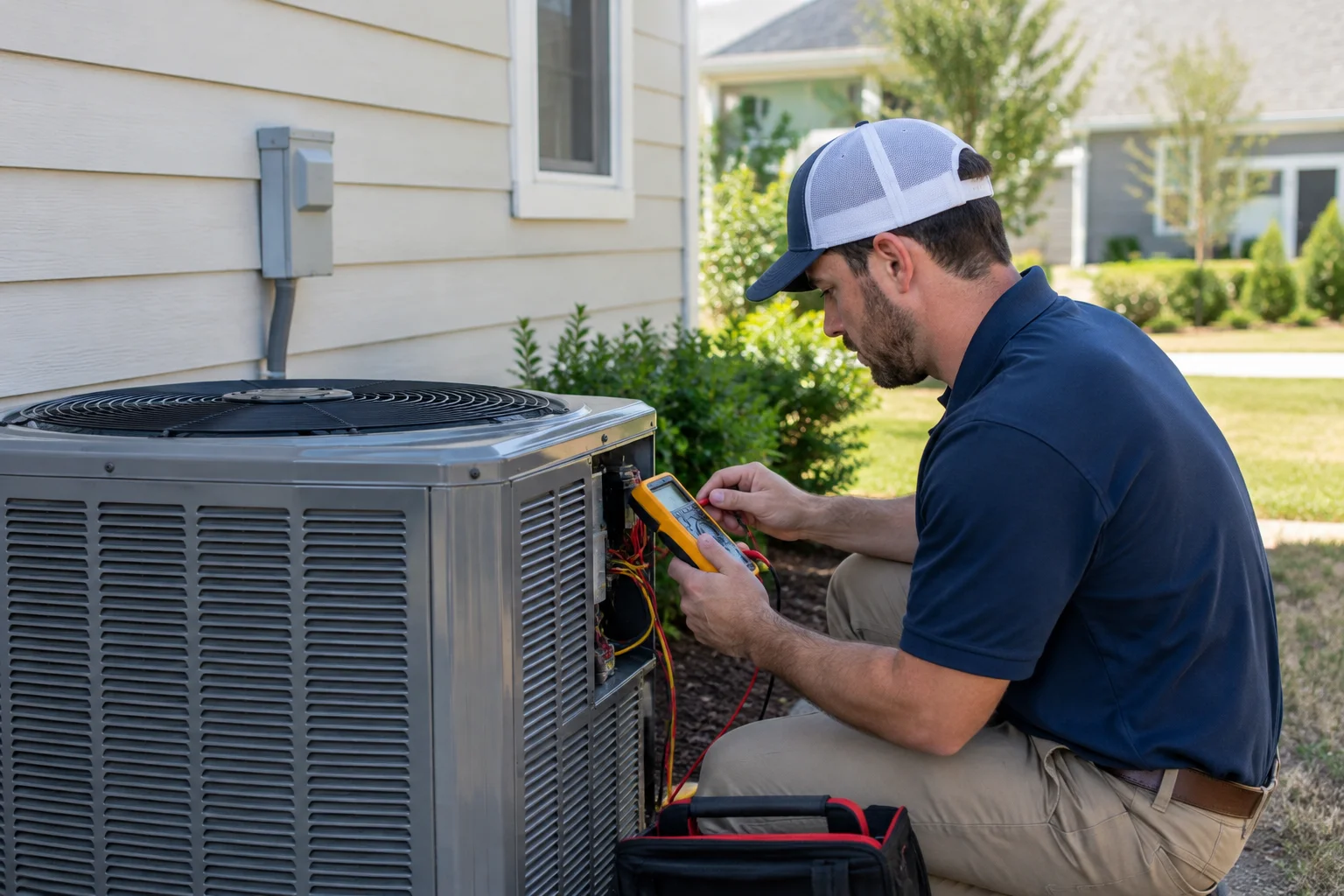
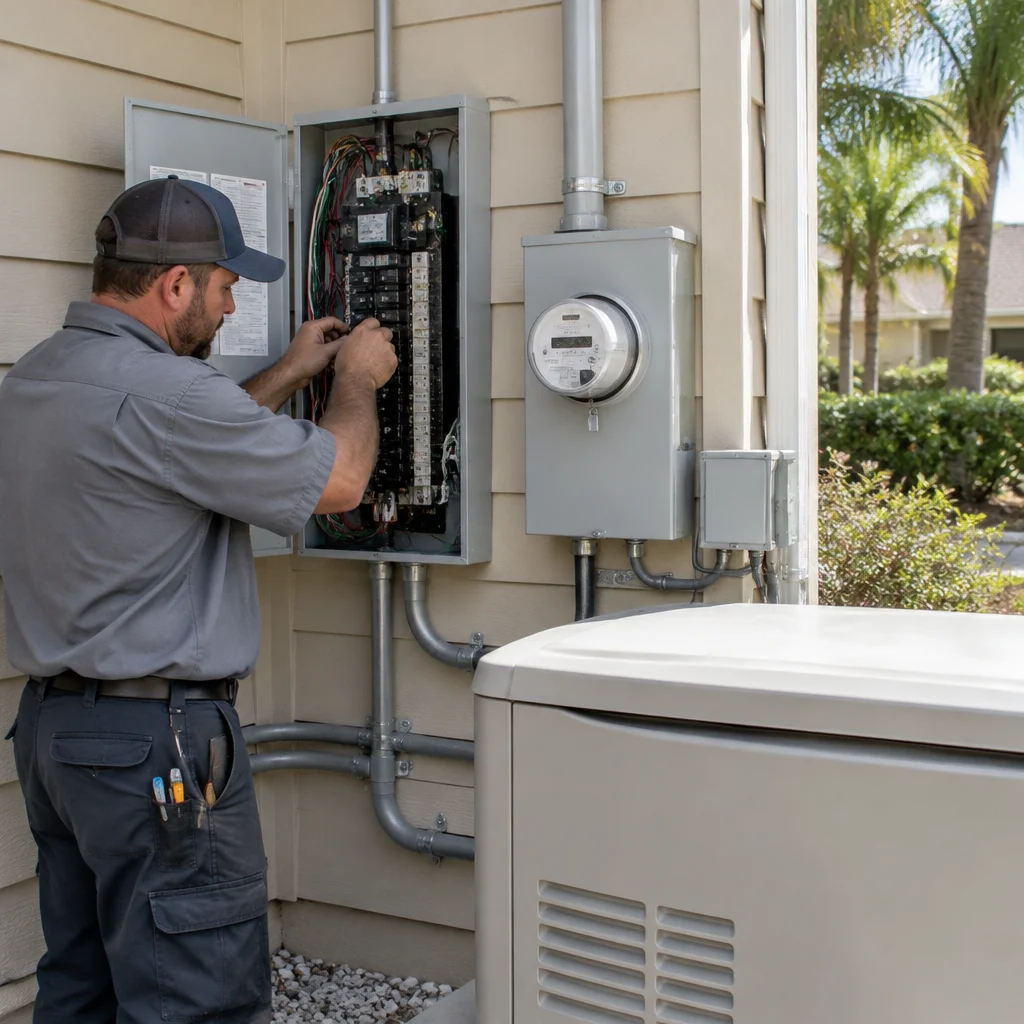
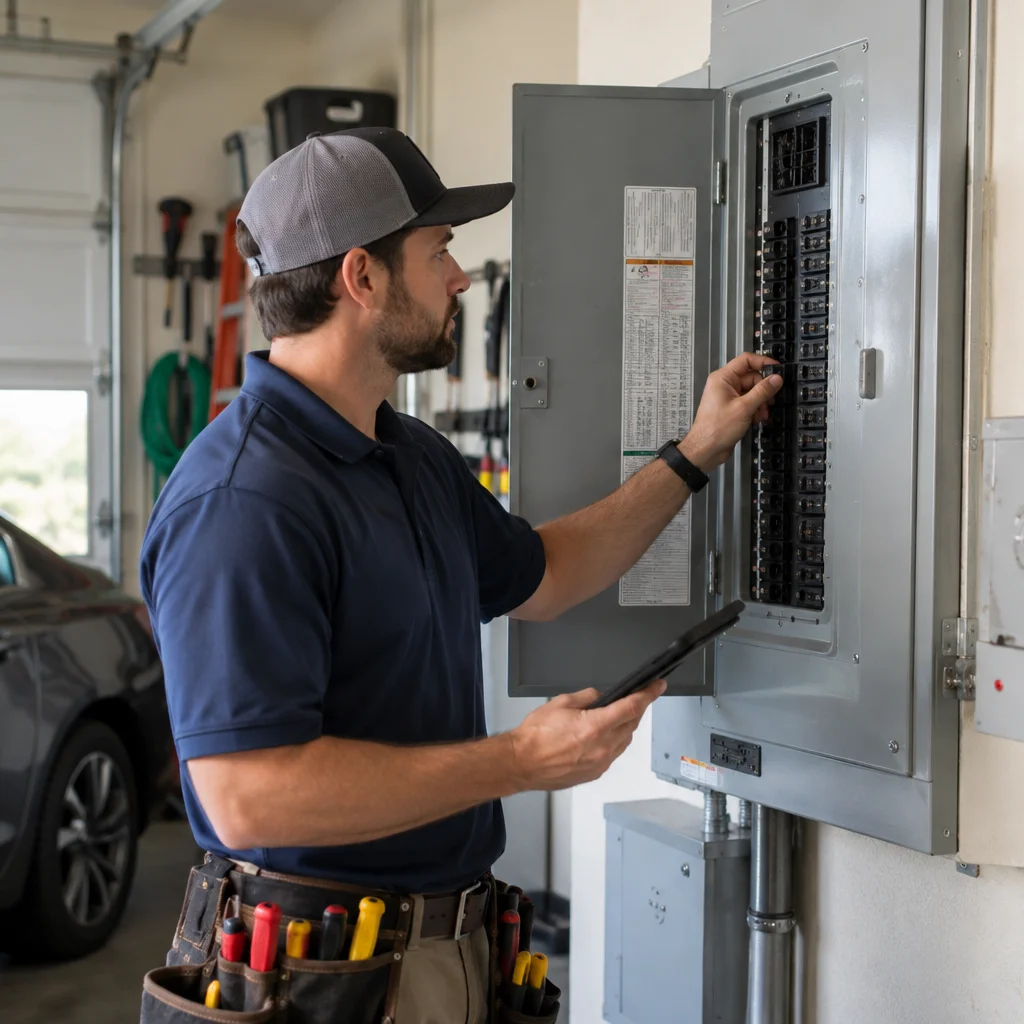
Commercial systems rely on contactors, relays, sensors, and control boards that can fail gradually. In humid coastal air, corrosion can develop faster than expected. A system might still power on, but if a sensor is sending bad readings or a control board is inconsistent, the equipment may short cycle, fail to dehumidify, or shut down without warning.
Many businesses first notice this kind of issue as inconsistent temperatures or a thermostat that seems unresponsive. If your building uses modern controls, smart thermostats can help improve scheduling and monitoring, but they still depend on a healthy HVAC system underneath.
Ventilation and indoor air quality concerns
Commercial HVAC repair is not only about temperature. Ventilation matters too. Poor fresh air exchange can leave a space feeling stale, especially in restaurants, fitness areas, and busy offices. In Sandestin, where humidity can already make indoor air feel heavy, weak ventilation can make the space uncomfortable even if the temperature reads correctly.
Some businesses choose to improve indoor air quality with air scrubbers, particularly when they want to reduce odors, particles, and airborne contaminants. That does not replace repair, but it can support a healthier indoor environment while the underlying system is being serviced.
How Sandestin weather changes repair priorities
In many places, HVAC systems get the most attention during peak summer heat. In Sandestin, the combination of heat and humidity makes the cooling season especially demanding. Systems often run for long stretches, which means small inefficiencies are more likely to show up in utility costs, comfort complaints, or component failure.
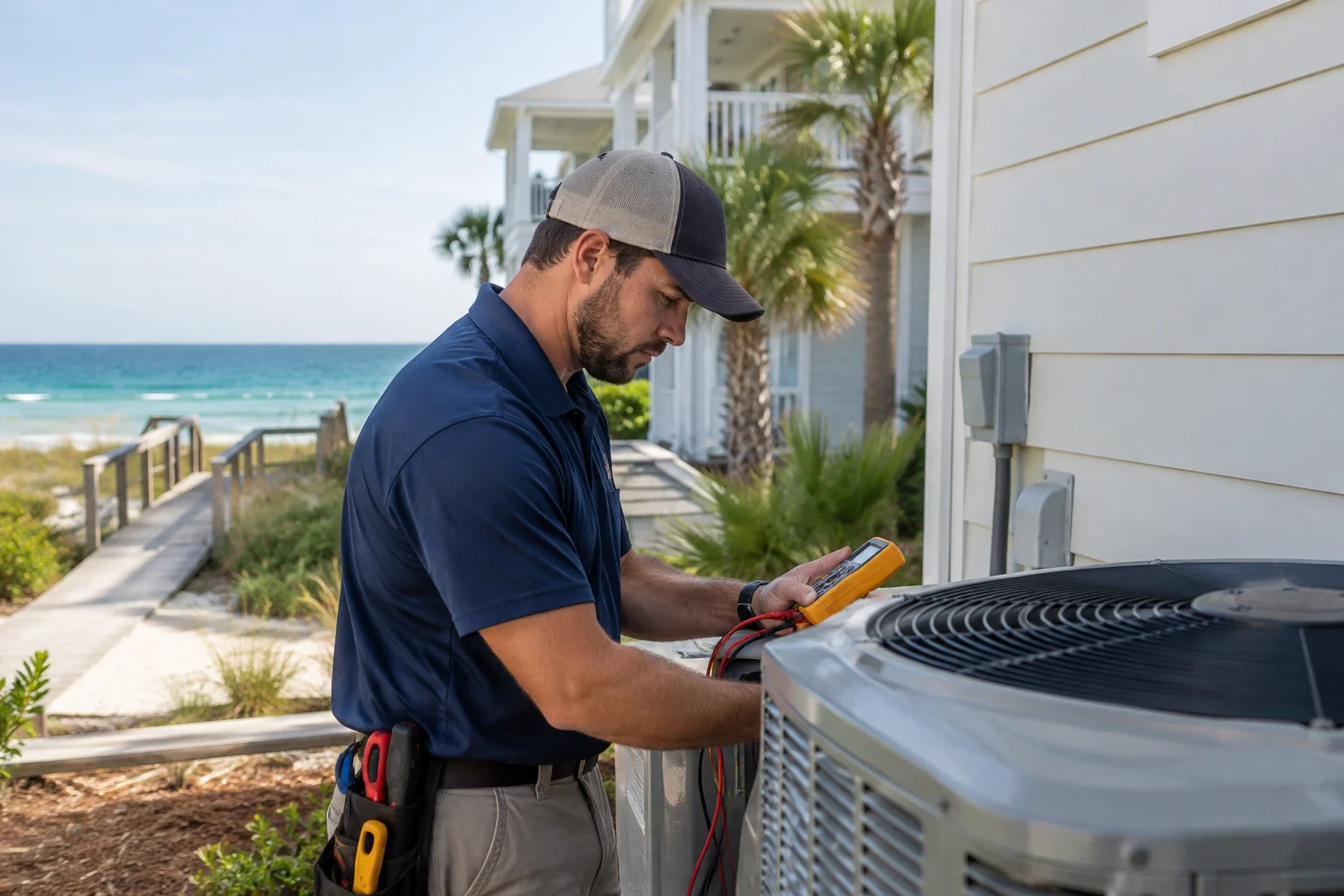
Coastal weather also affects outdoor equipment. Rooftop units and exterior components are exposed to salt, moisture, wind, and debris. Over time, that exposure can corrode metal parts, damage electrical connections, and shorten the life of moving components. A unit that would hold up well inland may need more frequent inspection near the coast.
Seasonal traffic matters too. Sandestin sees busy periods tied to tourism, vacation rentals, and local events, which can increase occupancy and indoor load. A system that seems adequate during a quiet week may struggle when the building is full. That is why many owners treat commercial HVAC repair as part of a broader maintenance plan rather than a one-time emergency call. Our article on why Sandestin businesses should treat commercial HVAC repair as a routine priority goes deeper into that approach.
What business owners often miss during the early stages
One of the biggest mistakes is assuming that if air is still blowing, the system is fine. Commercial HVAC problems are often subtle at first. A slight drop in airflow, a faint odor, a unit that runs longer than usual, or uneven temperatures across the building can all point to a developing issue.
Another overlooked factor is how repairs connect to building operations. A restaurant may notice kitchen heat affecting dining room comfort. A retail store may see customers linger less when the front of the store feels warm. An office may get complaints from one conference room while the rest of the building seems normal. These are not just comfort concerns. They can affect productivity, customer satisfaction, and revenue.
It is also easy to overlook maintenance records. If the same breaker trips, the same thermostat misreads, or the same rooftop unit needs repeated attention, the pattern matters. Repeated repairs often indicate an underlying issue that needs a more complete diagnosis.
Repair solutions that make the most difference
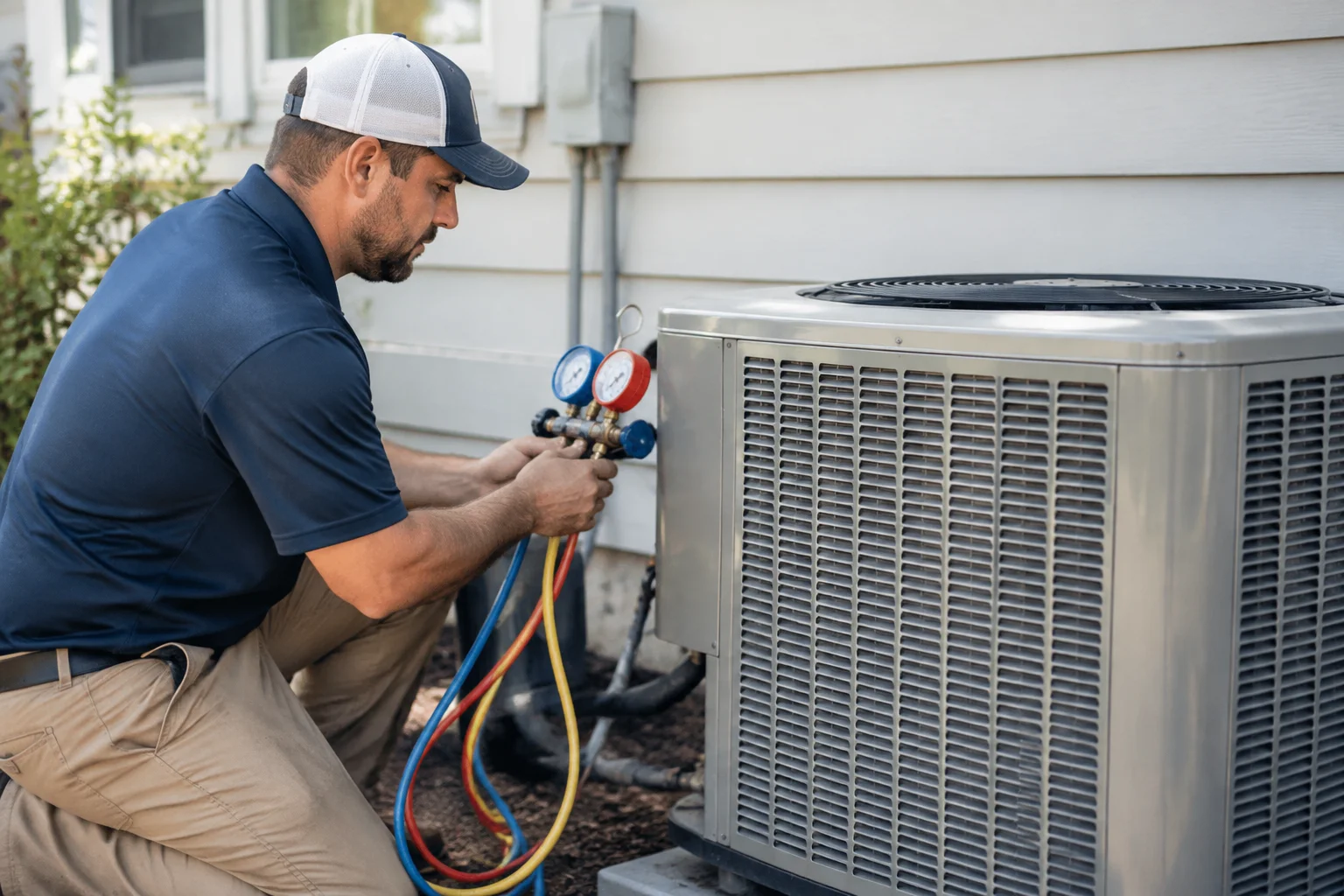
Good commercial HVAC repair starts with a thorough inspection. That means checking airflow, refrigerant levels, electrical components, drainage, controls, and the condition of the unit itself. The goal is not just to get the system back online, but to understand why it failed and whether another part of the system is at risk.
For some properties, the fix may be straightforward, such as replacing a failed capacitor, clearing a drain, or repairing a thermostat issue. For others, the repair may involve coil cleaning, fan motor replacement, refrigerant leak detection, or control recalibration. In more complex buildings, technicians may need to evaluate multiple zones or equipment types to find the real source of the problem.
If a system is repeatedly breaking down, the best solution may involve a broader service plan or targeted upgrades. In some cases, that means improving controls, addressing ventilation, or planning for replacement before the equipment fails completely. Our post on keeping Sandestin commercial HVAC systems reliable before small issues grow explains how proactive service can help avoid bigger disruptions.
Why local service makes a difference
Commercial HVAC repair is not the same everywhere. In Sandestin, technicians need to understand the local climate, the demands of coastal buildings, and the types of systems commonly used in offices, restaurants, retail spaces, and rental properties. Local service also matters because response time can make a real difference when a business is losing cooling during a busy day.
A local company can often diagnose problems more efficiently because it sees the same patterns repeatedly. Whether the issue is corrosion from salt air, drainage problems from humidity, or control failures tied to heavy seasonal use, a technician familiar with the area is better equipped to identify the cause quickly. That can reduce downtime and help avoid unnecessary part replacements.
If you are comparing repair options, it can also help to review broader local guidance like our article on commercial HVAC services in Sandestin, FL. For businesses in nearby coastal areas, the conditions discussed in how local weather affects commercial HVAC repair in Destin, FL are also familiar, since the same humidity and salt exposure affect both markets.
Simple habits that help prevent repeat repairs
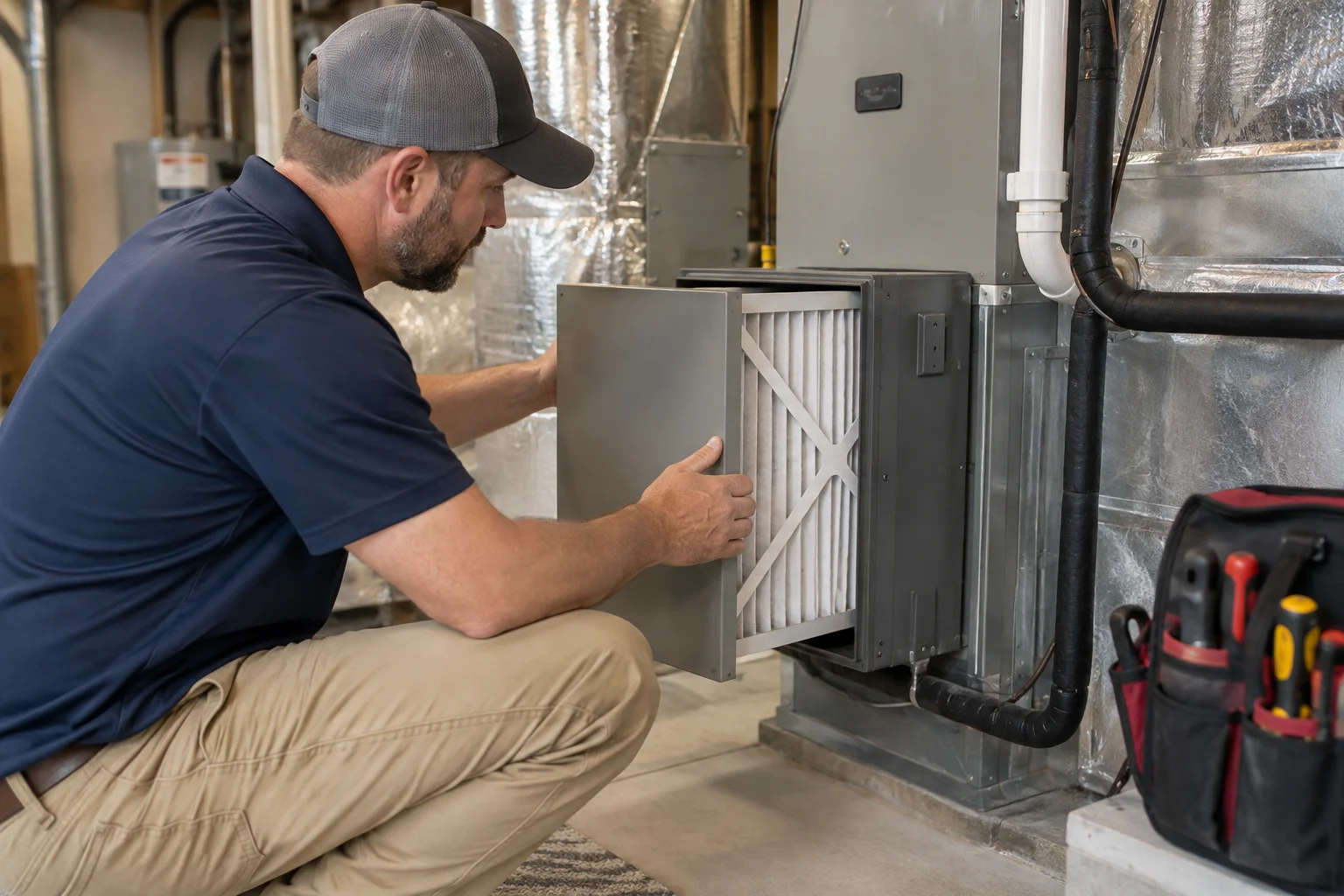
Routine filter changes, coil cleaning, drain checks, and thermostat reviews go a long way toward preventing surprise breakdowns. So does paying attention to comfort complaints. If employees, tenants, or customers are consistently reporting hot spots, weak airflow, or odors, those reports are often the first sign that something is changing inside the system.
Property managers and business owners should also keep outdoor units clear of debris and make sure service access is not blocked. In coastal settings, even small amounts of buildup can affect performance over time. Scheduling inspections before peak season can help catch problems before the building is under its heaviest load.
And when HVAC issues overlap with other building systems, it helps to address them together. Water intrusion, plumbing leaks, and poor indoor air quality can all affect HVAC performance. That is why some properties coordinate service with related support such as emergency plumbing services when moisture issues are involved.
When a repair should move quickly
Some commercial HVAC problems can wait for a scheduled service window. Others should not. If a system is making loud electrical noises, tripping breakers, leaking water, blowing warm air during peak heat, or producing a burning smell, the issue needs prompt attention. The same is true if temperatures are swinging widely from one area to another or if the system is short cycling and never seems to settle.
For businesses in Sandestin, a delay can mean more than discomfort. It can affect food safety, customer experience, equipment inside the building, and the ability of staff to work comfortably. Fast diagnosis and repair help protect the business from avoidable downtime.
A Superior Mechanical provides dependable commercial HVAC repair in Sandestin, FL for rooftop units, split systems, VRF systems, heat pumps, mini-splits, and ventilation equipment. If your building is showing signs of trouble, scheduling service early is usually the most practical way to keep the issue from spreading to other parts of the system.
Find Commercial HVAC Repair in Sandestin, FL
If you need Commercial HVAC Repair in Sandestin, FL, visit our local service page or contact A Superior Mechanical today.
Map of Sandestin, FL
Frequently Asked Questions
What commercial HVAC problems are most common in Sandestin?
In Sandestin, common issues include dirty coils, drainage problems, electrical corrosion, weak airflow, refrigerant leaks, and control failures. Humidity and salt air can make these problems show up faster than they do inland.
How often should a commercial HVAC system be inspected near the coast?
Most commercial systems should be inspected at least twice a year, and coastal properties may benefit from more frequent checks depending on usage. High-demand spaces such as restaurants and vacation rentals often need closer attention.
Can a small HVAC issue really affect business operations?
Yes. Even a minor airflow or thermostat problem can lead to uneven temperatures, higher energy bills, customer complaints, and added wear on major components. In a busy commercial space, small problems can become expensive quickly.
Related Articles
Photo Gallery