Miramar Beach homes deal with a mix of coastal humidity, seasonal pollen, and heavy HVAC use that can make indoor air harder to manage than many homeowners expect. Even a well kept house can start to feel stuffy, damp, or irritating when moisture and allergens build up inside. That is why indoor air quality testing in Miramar Beach, FL can be such a practical step for local homeowners, rental property owners, and business owners who want clearer answers about what they are breathing every day.
At A Superior Mechanical, we help identify indoor air concerns that often hide behind comfort complaints. Testing can point to mold spores, humidity problems, ventilation issues, airborne particles, and HVAC related air quality problems that are common in Walton County homes. If you live near the beach, near busy corridors, or in a house that sits closed up for part of the year, the indoor environment can change quickly. Local testing matters because the causes are often tied to the climate, the building materials, and the way the HVAC system is working in this area.
Why indoor air feels different in Miramar Beach
Miramar Beach sits in a coastal climate that brings warm air, high humidity, and long stretches of cooling season. That combination can create indoor conditions that favor moisture buildup if the home is not ventilated properly. When humid air enters through doors, windows, attic spaces, crawl spaces, or duct leaks, it can raise indoor moisture levels and make it easier for mold and dust mites to thrive.
Seasonal pollen also plays a role. Many homeowners notice more sneezing, congestion, or eye irritation during peak allergy periods, especially if the home’s filtration is not keeping up. Vacation homes and rental properties can have an even harder time because they may sit closed for days or weeks, allowing stale air and hidden moisture issues to linger.
For homeowners across Walton County, these issues are not just comfort concerns. They can affect sleep, allergy symptoms, HVAC efficiency, and the overall condition of the home.
Clues that indoor air quality may need attention
You do not need to see visible mold or smell something strong to have an indoor air problem. Many air quality issues show up in subtle ways first. A room may feel muggy even when the thermostat is set properly. Dust may return quickly after cleaning. Family members may notice headaches, coughing, or sinus irritation that improves when they leave the house. Some homes develop a musty smell that becomes stronger after rain or when the AC has been running for a while.
Other signs can include condensation on windows, damp spots near vents, uneven temperatures from room to room, or a system that seems to run constantly without making the house feel comfortable. In Miramar Beach, these symptoms often point to a mix of humidity control and ventilation concerns, not just a basic cooling issue.
Issues that often show up in local homes
Coastal homes in Miramar Beach often face a few repeat problems. Air leaks around doors and windows can let humid outdoor air inside. Poorly maintained filters can allow dust and allergens to circulate. Bathrooms, laundry rooms, and kitchens may not vent moisture well enough. In some homes, ductwork in hot attic spaces can pull in humidity or spread contaminants through the system.
In older houses, crawl space moisture can also contribute to indoor air concerns. In newer homes, tight construction can trap pollutants if mechanical ventilation is not balanced correctly. That is why testing should look at the whole picture instead of focusing on one symptom.
What indoor air quality testing can uncover
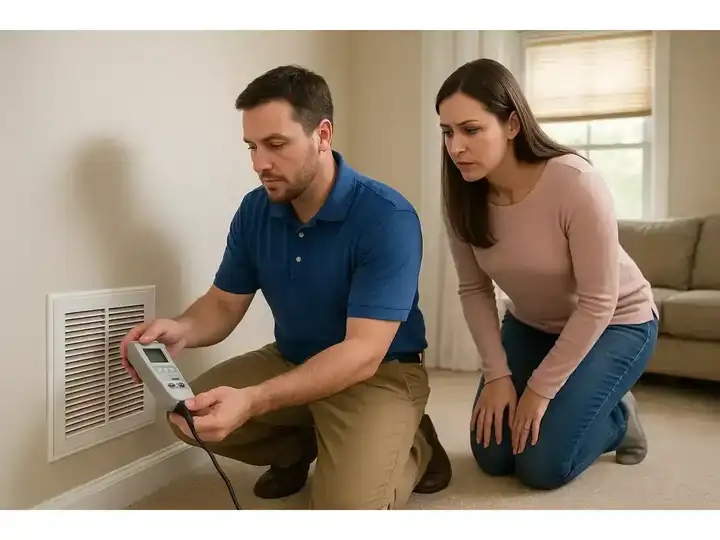
Professional testing gives homeowners more than a guess. It helps identify what is present, where it may be coming from, and how serious the issue is. Depending on the home, testing may look for humidity levels, particulate levels, mold spores, ventilation performance, and signs of HVAC related contamination. It can also help determine whether the issue is isolated to one room or spread throughout the property.
That information is useful because different problems need different fixes. High humidity may call for better dehumidification or duct improvements. Dust and allergens may point to filtration upgrades. Mold related concerns may require moisture correction and cleanup. Without testing, homeowners may spend money on the wrong solution and never solve the root cause.
If you are already dealing with HVAC performance concerns, it can be helpful to look at related systems and maintenance needs too. For example, homes that struggle with moisture or drainage issues may also benefit from keeping plumbing problems under control, since leaks and hidden water intrusion can worsen air quality over time.
How to improve testing results at home
Homeowners can make indoor air quality testing more useful by preparing the house in a way that reflects normal living conditions. If you open every window and run fans right before a test, the results may not show the conditions your family actually lives with. On the other hand, if the home is unusually closed up for a long stretch, that may also affect what the test reveals. The goal is to understand how the home behaves on a typical day.
Start by making a note of any recurring symptoms, odors, damp areas, or rooms that feel different from the rest of the house. Keep track of when the AC runs, whether certain weather patterns make the problem worse, and whether the issue is tied to one floor or one area. If the home is a vacation rental, it helps to document when guests report discomfort or when the property sits vacant for long periods.
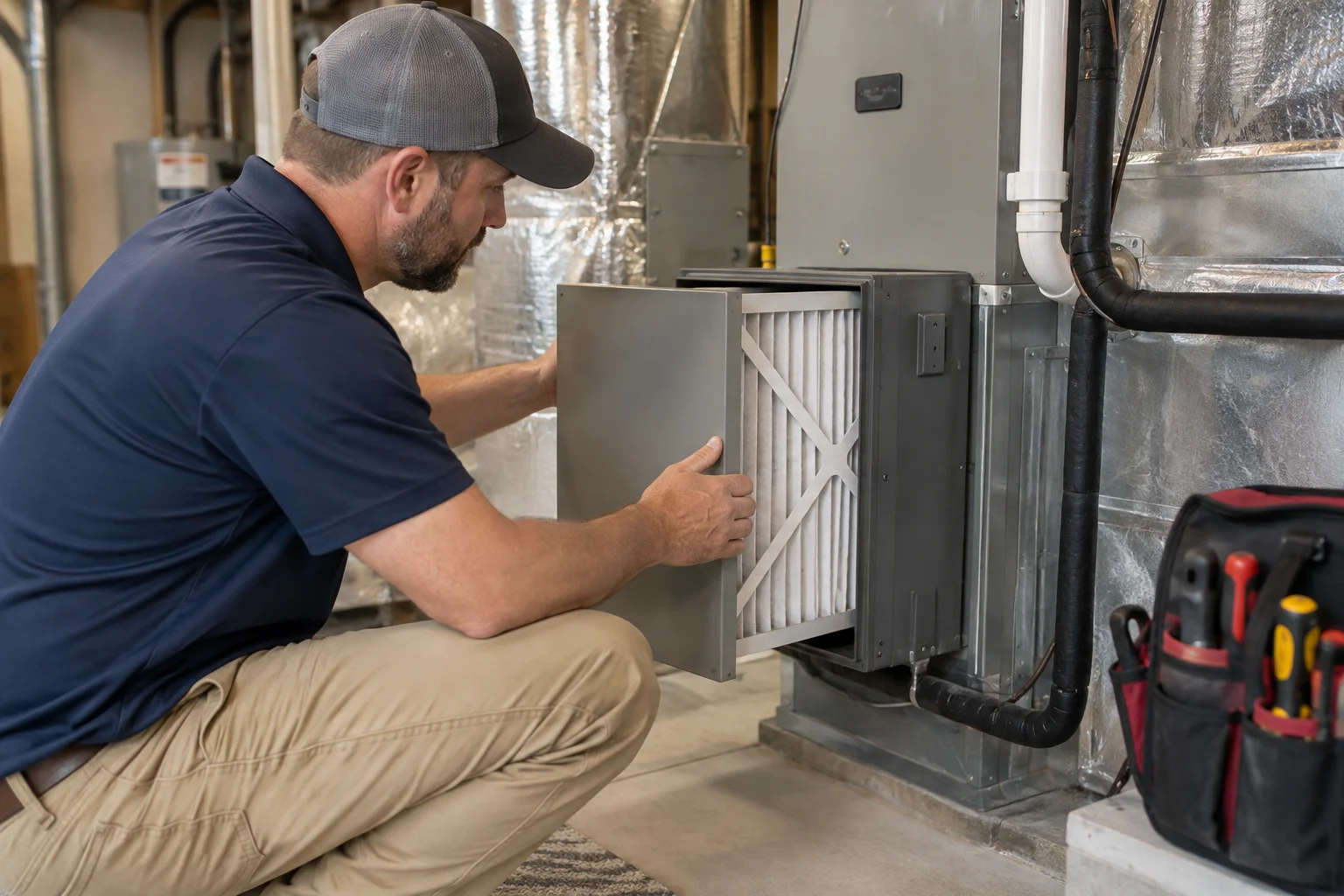
It also helps to replace dirty filters, clear blocked vents, and check for obvious moisture sources before testing. Those steps do not solve every problem, but they can keep minor maintenance issues from masking bigger air quality concerns.
Humidity control matters more than many homeowners think
In Miramar Beach, humidity is one of the biggest drivers of indoor air complaints. Even if the temperature feels comfortable, air that holds too much moisture can make a home feel sticky and stale. High humidity can also reduce the effectiveness of your HVAC system and make it easier for allergens and mold to spread.
That is why testing should be paired with a look at how the home handles moisture. Sometimes the answer is better AC performance. Other times it is a ventilation issue, a duct problem, or the need for a more efficient system. In homes where humidity control is a recurring challenge, exploring options like geothermal energy HVAC systems may help improve comfort and moisture management over time.
Why local service makes a difference
Indoor air quality testing is most useful when the technician understands the climate and construction patterns in the area. Homes in Miramar Beach and throughout Miramar Beach often face coastal moisture, salt air exposure, heavy cooling demand, and seasonal occupancy patterns that affect air quality in ways a generic test may miss. A local team knows how to look for the problems that show up most often in this region and how to connect the test results to real repair options.
That local knowledge matters for vacation properties, rental homes, and year round residences alike. A home that sits empty for part of the year may need different attention than a full time residence. A rental property may need faster, more durable solutions because guest turnover can expose air quality issues quickly. A business may need better ventilation and filtration to keep staff and customers comfortable.
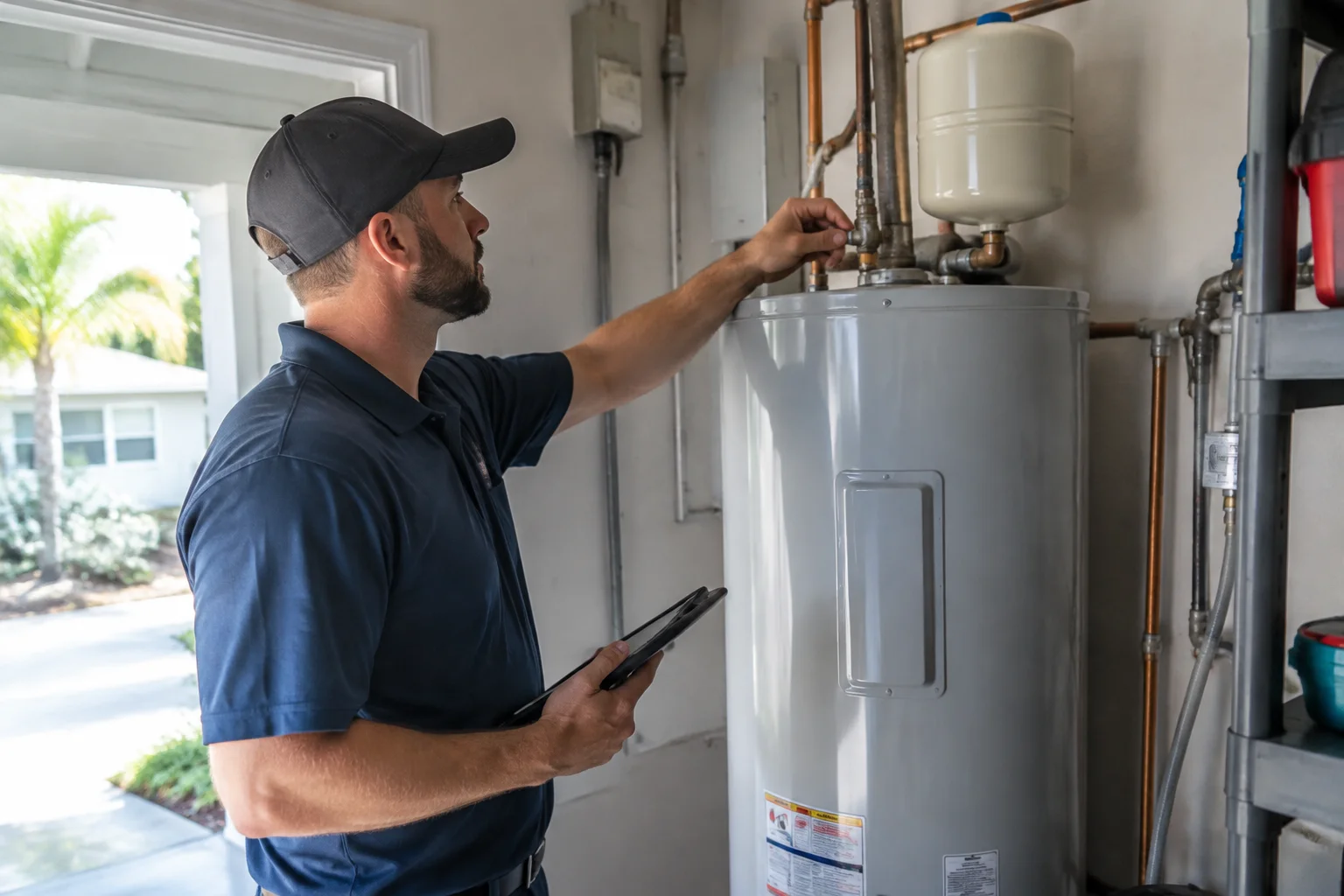
For property owners with more than one maintenance concern, it can also help to look at other related services in the area. Moisture and drainage issues may call for sewer repair and maintenance or hydro jetting services if plumbing problems are contributing to indoor odors or dampness. Homes with aging equipment may also benefit from water heater replacement when rust, leaks, or poor performance are affecting indoor conditions.
Testing, maintenance, and prevention work best together
Air quality testing gives you a starting point, but the best results usually come from pairing it with regular maintenance. That includes changing filters on schedule, keeping supply and return vents clear, checking condensate drains, and making sure the HVAC system is sized and operating correctly for the home. In a humid coastal environment, small maintenance issues can become bigger comfort problems faster than many homeowners expect.
Seasonal maintenance is especially important before the hottest months and after periods of heavy rain. Those are the times when moisture, allergens, and HVAC strain tend to rise together. If you notice that your system struggles more during certain seasons, testing can help connect the dots between indoor air quality and system performance.
Homeowners who want to stay ahead of recurring issues may also find it helpful to read about smarter geothermal HVAC care for Miramar Beach homes. Even if you do not have geothermal equipment, the maintenance mindset applies: steady upkeep and good system performance support better indoor air.
When to bring in a professional
It is a good idea to schedule professional testing if symptoms keep coming back, if you notice a persistent musty odor, if a room feels damp or stuffy, or if someone in the home has worsening allergies or respiratory irritation. You should also call a professional after water intrusion, roof leaks, plumbing leaks, or a long period of high humidity, since those events can create hidden indoor air problems that are not obvious right away.
Professional testing is also a smart move for rental owners who want to protect guest comfort and reduce complaints. A property that smells off or feels humid can lead to poor reviews and more maintenance calls. For commercial spaces, indoor air quality can affect employee comfort and customer experience, which is why some property owners also keep an eye on broader HVAC needs such as commercial HVAC repair in Miramar Beach when systems start to fall behind.
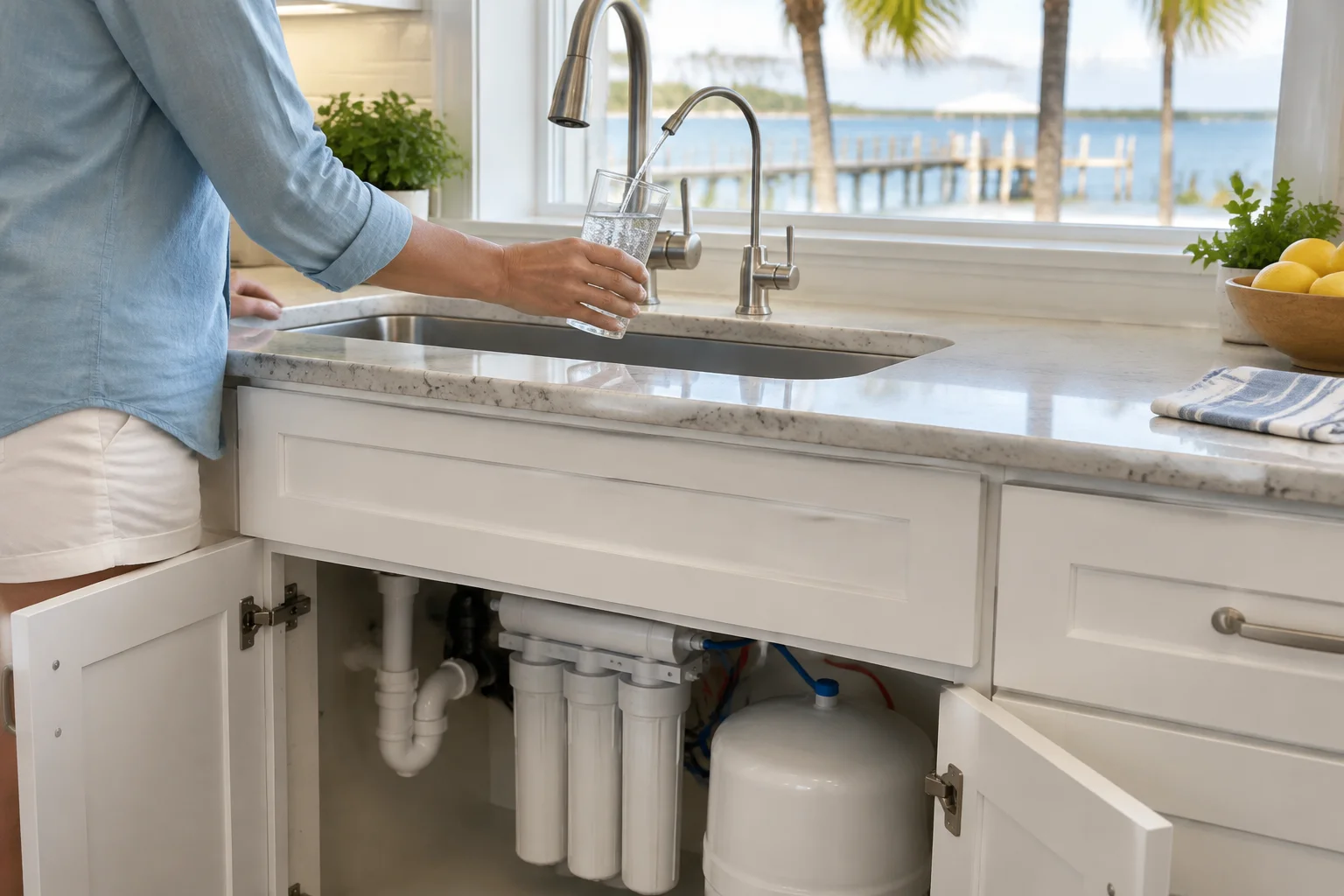
If you are already comparing ways to improve the health and comfort of your home, it may also be worth looking at water treatment options. Indoor comfort and water quality often overlap in coastal homes, and reverse osmosis systems can be part of a broader home wellness plan for some families.
A Superior Mechanical provides professional indoor air quality testing in Miramar Beach, FL for homes, rentals, and businesses that need clearer answers about humidity, allergens, mold concerns, and HVAC related air quality issues. If your home has been feeling off and you want local expertise that understands Walton County conditions, testing is a practical place to start.
Find Indoor Air Quality Testing in Miramar Beach, FL
If you need Indoor Air Quality Testing in Miramar Beach, FL, visit our local service page or contact A Superior Mechanical today.
Map of Miramar Beach, FL
Frequently Asked Questions
How often should homeowners in Miramar Beach schedule indoor air quality testing?
Many homeowners benefit from testing when they notice symptoms, after water damage, or before and after humid seasons. Homes with recurring moisture or allergy concerns may need more frequent checks.
Can high humidity alone affect indoor air quality?
Yes. High humidity can make a home feel stale, encourage mold growth, and create conditions that support dust mites and other allergens. In coastal homes, moisture control is a major part of air quality management.
What does indoor air quality testing look for?
Testing may evaluate humidity levels, mold spores, allergens, ventilation issues, airborne particles, and HVAC related concerns. The exact scope depends on the home and the symptoms being reported.
Why is local testing important in Walton County?
Local testing matters because homes in Walton County deal with coastal humidity, salt air, seasonal pollen, and long cooling seasons. Those conditions can influence the source and severity of indoor air problems.
Related Articles
Photo Gallery