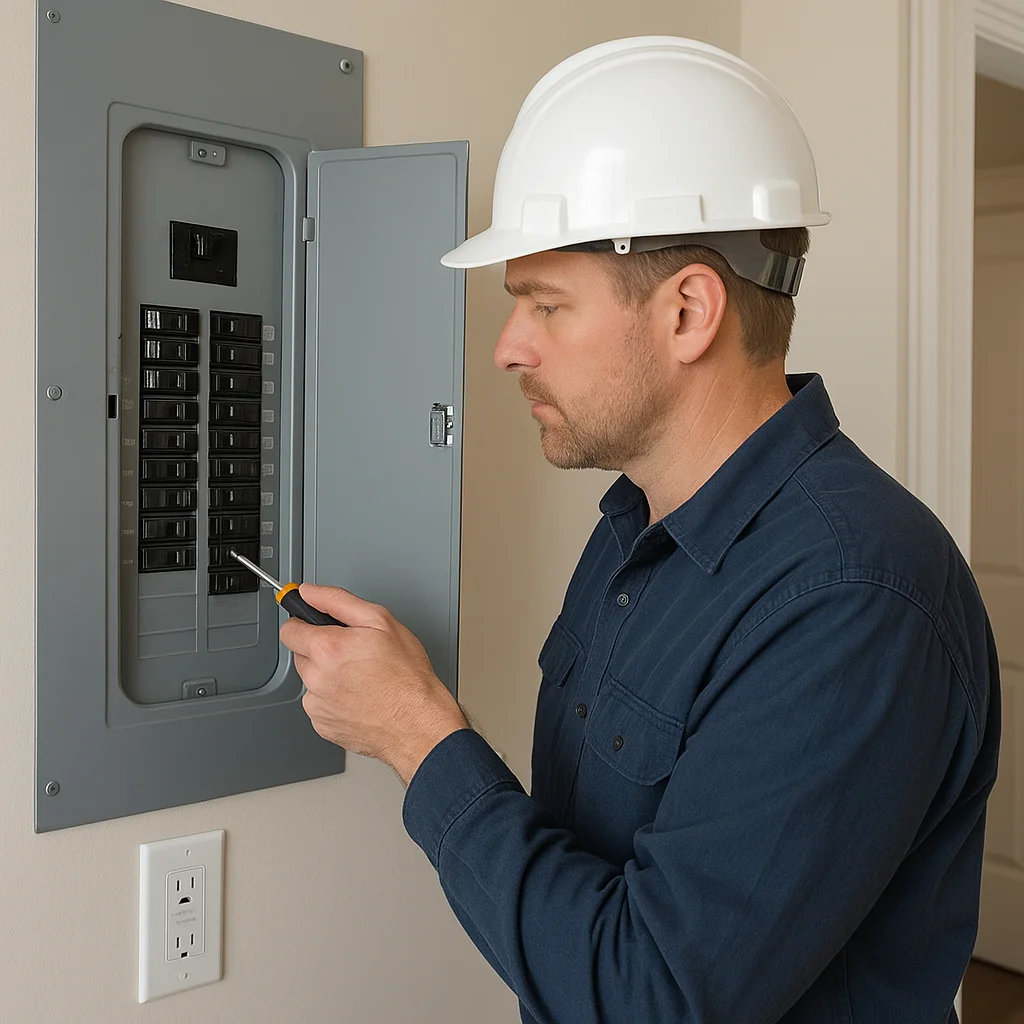
In Bluewater Bay, a smoke detector or carbon monoxide detector is only as dependable as the electrical system behind it. Hardwired alarms need solid wiring, stable circuits, proper grounding, and backup battery support to do their job during storms, outages, and everyday power fluctuations. That matters in a coastal community where salt air, humidity, lightning, and seasonal storms can all put extra stress on home electrical systems.
For homeowners, the connection between home power and life safety is easy to overlook. A detector that chirps, loses power, or trips a breaker may seem like a small nuisance, but it can point to a larger issue with the panel, a loose neutral, damaged wiring, or a circuit that is carrying too much load. If you are already searching for smoke detectors and carbon monoxide detectors in Bluewater Bay, FL, it is worth looking at the rest of the electrical system too.
Why detector performance starts at the panel
Most modern homes in Bluewater Bay use hardwired smoke alarms with battery backup, and many carbon monoxide detectors are tied into the same system. That setup gives homeowners better protection than battery only devices, but it also means the alarms depend on the home’s wiring, breakers, and panel capacity. If the circuit feeding the alarms is loose, overloaded, or improperly connected, the detectors may not stay online when they are needed most.
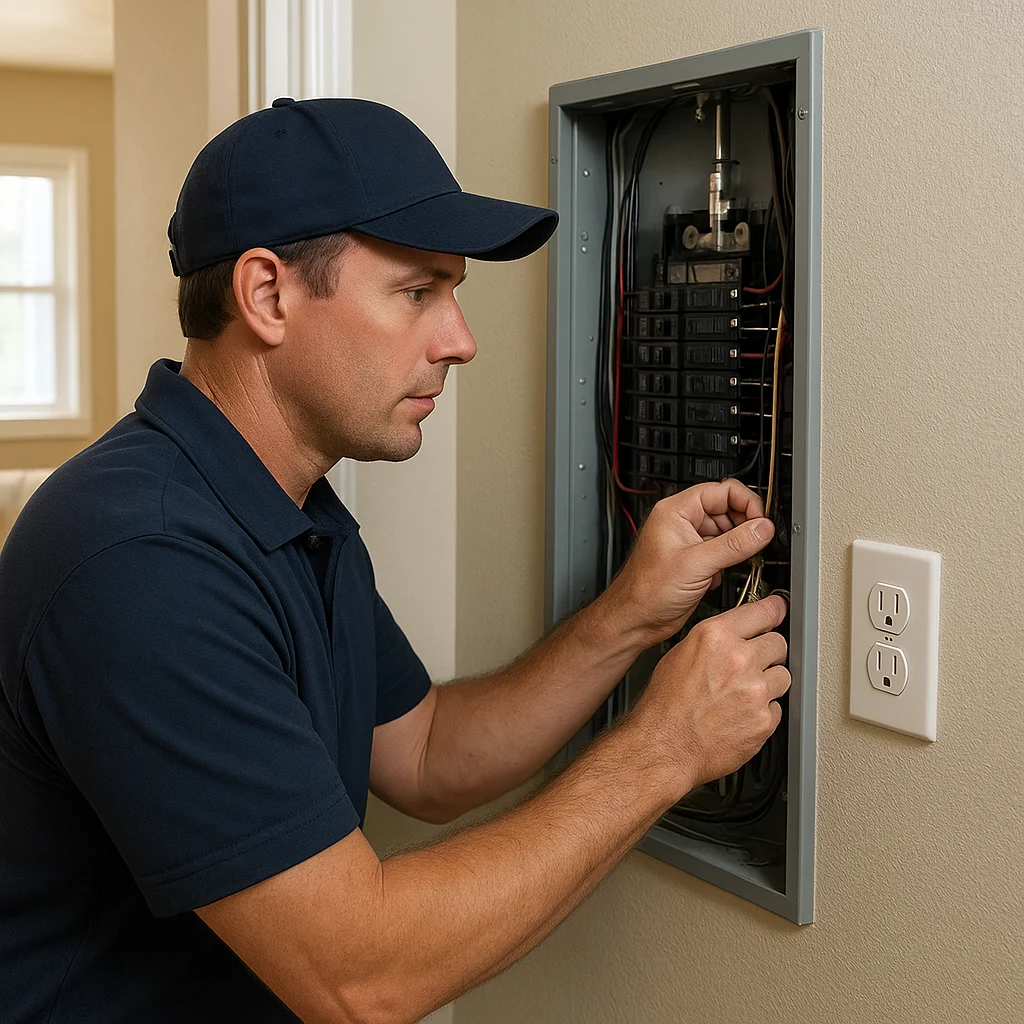
Older homes in Okaloosa County may still have outdated panels, mixed wiring methods, or circuits that were added during remodels without a full electrical inspection. Newer homes can have different issues, especially when added lighting, ceiling fans, EV chargers, or major appliances increase demand. A panel that is already stretched thin may not handle detector circuits, GFCI protection, and other safety loads as well as it should. That is why homeowners looking for electrical service in Bluewater Bay often benefit from a broader safety check, not just a device swap.
What coastal weather does to home electrical safety
Bluewater Bay homes deal with humidity, salt exposure, and fast moving storms that can affect electrical components over time. Moisture can corrode connections in attics, garages, and ceiling boxes. Lightning and utility surges can damage sensitive electronics in detectors, lighting controls, and appliances. Even a brief outage can expose weak battery backups or reveal a circuit that has been failing quietly for months.
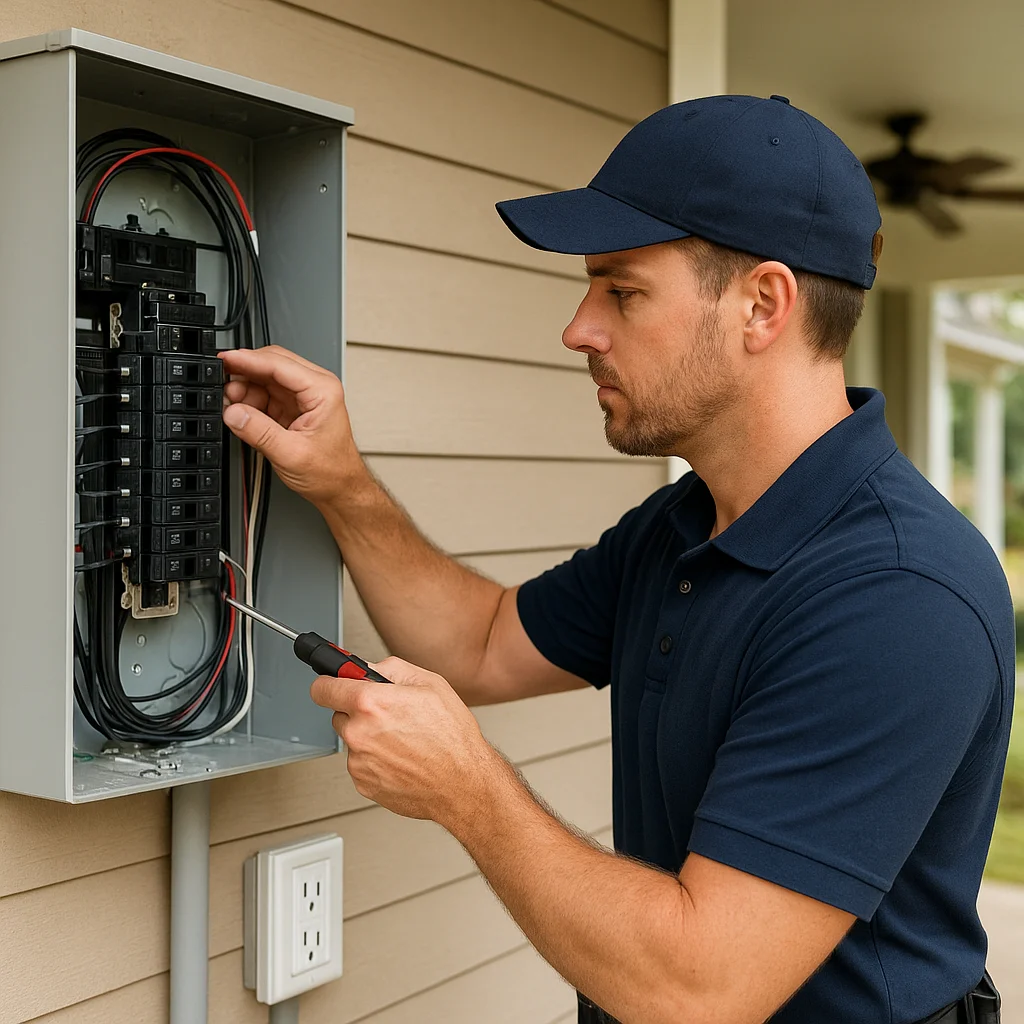
Storm season is a good reminder to check more than flashlights and batteries. If a power outage leaves your alarms dead, if breakers trip after a surge, or if lights flicker when the HVAC or kitchen appliances start up, the home may need electrical troubleshooting. A licensed electrician can look at the panel, breakers, grounding, and detector wiring to make sure the safety system is ready for the next storm.
How to tell the alarms may be tied to a bigger electrical issue
Some detector problems are simple. A low battery chirp, dust buildup, or an expired unit can be fixed quickly. Other problems point to the wiring itself.
Common warning signs
If your smoke or carbon monoxide detectors are doing any of the following, the issue may be electrical:
Frequent chirping even after battery replacement
Detectors losing power after storms or outages
Breaker trips when alarms activate or are tested
Intermittent operation on hardwired units
Buzzing from a detector, switch, or nearby ceiling box
Lights dimming when large appliances start
Other circuits acting oddly at the same time
These symptoms can overlap with problems homeowners might first notice as outlet issues, switch failures, or lighting trouble. A search for outlets and switches or electrical replacement may be the first step, but detector reliability should stay part of the conversation.
Where detector installation fits into a safer electrical plan
Installing smoke and carbon monoxide detectors is not just a matter of mounting a device to the ceiling. The placement, power source, interconnection, and backup battery all matter. In many Bluewater Bay homes, proper installation also means checking that the alarm is on the right circuit, the wiring is compatible with the existing panel, and the units meet current code requirements.
That is especially important during remodels, room additions, garage conversions, and home office upgrades. If a ceiling is opened for new lighting or a ceiling fan, it is a smart time to inspect nearby detector wiring, junction boxes, and attic runs. Homeowners planning electrical installation work can often combine detector upgrades with lighting installation, wiring repair, or code corrections for a more complete result.
For homes with attached garages, fuel burning appliances, or enclosed utility spaces, carbon monoxide protection is especially important. Even if a home feels modern and well maintained, a blocked flue, a generator issue, or a malfunctioning appliance can create a dangerous condition quickly. A properly placed detector gives the household an early warning.
Why code compliance matters in Bluewater Bay homes
Electrical code requirements change over time, and older homes often need updates to bring detector placement and wiring into compliance. That can include interconnection between alarms, hardwired backup, proper circuit labeling, and the right protection in areas exposed to moisture or impact. In coastal Florida, where homes may be remodeled frequently or used as vacation properties, code corrections are not just paperwork. They help keep the safety system dependable.
Code compliance also matters when a homeowner adds new loads. An EV charger, hot tub, pool equipment, or upgraded outdoor lighting can change how the panel is used. If the home already has aging wiring or a crowded breaker panel, adding detector work may uncover the need for a panel upgrade, breaker repair, or dedicated circuit. Those issues are easier to fix before a failure becomes an emergency.
For homeowners comparing options with a local electrical contractor in Okaloosa County, the best approach is often a combined inspection of detectors, panel condition, grounding, and high demand circuits.
Maintenance that keeps alarms ready year round
Routine maintenance goes a long way in Bluewater Bay, especially in homes that sit near the coast or stay occupied seasonally. Dust, insects, humidity, and age can all reduce detector performance. A seasonal check can help catch problems before they become urgent.
Helpful maintenance habits
Test each alarm monthly
Replace batteries as recommended by the manufacturer
Vacuum dust from detector vents and nearby ceiling areas
Replace units that have reached the end of their service life
Check that interconnected alarms all sound together
Inspect for discoloration, corrosion, or loose mounting
It also helps to pay attention to the rest of the electrical system. If you are already scheduling ceiling fan installation, dimmer switch installation, outdoor lighting installation, or surge protection, ask for a detector check while the electrician is on site. Small issues often show up during a broader inspection.
When the problem is not the detector itself
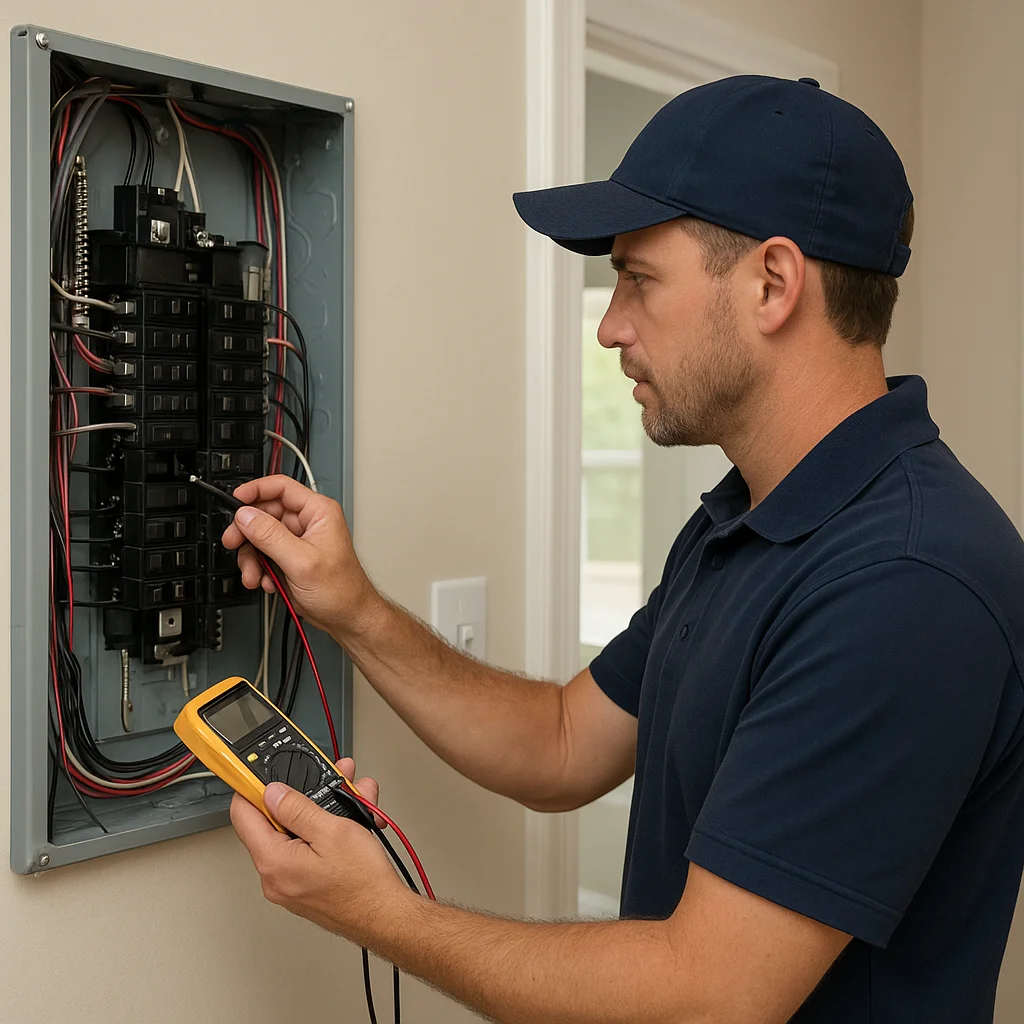
Sometimes the alarm is only the messenger. A detector that keeps losing power may be connected to a loose splice in the attic, a failing breaker, or a wiring issue hidden behind drywall. A carbon monoxide detector that behaves erratically may be fine, while the circuit feeding it is not. That is why an electrical inspection is so useful in homes with repeated alarm trouble.
Homeowners searching for an electrician near me or even a licensed electrician near me often start with a single symptom, then discover related issues like worn outlets, loose switches, or a panel that needs attention. In some cases, a code correction electrician near me search is the right next step because the home needs a broader safety correction, not just a new alarm.
Bluewater Bay homes, higher power demand, and safety devices
Many Bluewater Bay homeowners are adding more electrical loads than older homes were designed for. HVAC equipment, kitchen upgrades, home offices, EV charging, and entertainment systems all place more demand on the panel. That extra load can affect the quality of power feeding smoke and carbon monoxide detectors, especially in homes with older service equipment or mixed wiring from past renovations.
If you are planning an EV charger installation, generator installation, or surge protection upgrade, it is smart to ask whether the detector circuits should be reviewed at the same time. A generator transfer switch installation can also change how critical circuits are arranged during outages. A home that is prepared for storm season should have alarms that stay powered, stay interconnected, and stay code compliant.
For some properties, especially rental homes and commercial spaces, a commercial electrician near me search may make sense if the building needs detector coverage for a larger occupancy or a new layout. The same safety principles apply, but the electrical demands can be more complex.
Why local electrical service matters here
Bluewater Bay homes face conditions that do not always show up in inland markets. Salt air, summer storms, older coastal construction, and frequent remodels all create a mix of electrical challenges. A local electrician understands how those conditions affect panels, breakers, outlets, circuits, and the alarms that protect the home.
That local knowledge matters whether the job is smoke detector installation, breaker repair, meter base repair, outlet repair, or a full electrical troubleshooting visit. It also helps when a homeowner needs fast help after an outage, a lightning strike, or a breaker that will not reset. If a detector issue is part of a bigger emergency, the right service call can protect the whole home, not just one device.
For homeowners who want dependable protection, professional smoke detector and carbon monoxide detector service is a practical part of electrical maintenance. It keeps the alarms ready, helps the panel carry the load, and gives the home a better chance of staying safe through storms, outages, and everyday wear.
If your Bluewater Bay home has older wiring, a recent remodel, or repeated detector problems, it is a good time to have the system reviewed by A Superior Mechanical. A careful inspection can identify whether the fix is a new alarm, a wiring repair, a panel update, or a broader electrical service plan that supports the whole house.
Related electrical needs often come up during the same visit, including outlet and switch repair, lighting installation, electrical replacement, and emergency support for storm related damage. In a coastal home, safety systems work best when they are part of a complete electrical picture.
Find Smoke Detectors and Carbon Monoxide Detectors in Bluewater Bay, FL
If you need Smoke Detectors and Carbon Monoxide Detectors in Bluewater Bay, FL, visit our local service page or contact A Superior Mechanical today.
Map of Bluewater Bay, FL
Frequently Asked Questions
Do hardwired smoke detectors still need batteries?
Yes. Most hardwired smoke detectors use battery backup so they keep working during an outage. The battery should be tested and replaced on schedule, even if the alarm is connected to household power.
Why do my smoke detectors chirp after a storm or power outage?
Storms and outages can expose a weak battery, a loose connection, or a circuit problem. If the chirping continues after battery replacement, the wiring, breaker, or detector itself may need professional attention.
Can an electrician check both detectors and the panel at the same time?
Yes. That is often the best approach in Bluewater Bay homes. An electrician can inspect the detector wiring, breakers, grounding, and panel capacity to make sure the safety system is dependable.
How often should smoke and carbon monoxide detectors be replaced?
Most smoke detectors should be replaced about every 10 years, and many carbon monoxide detectors have a similar lifespan. Check the manufacturer label for the exact replacement timeline.
Related Articles
Photo Gallery