Do not remove an electrical panel cover, touch exposed conductors, bypass protection, or repeatedly reset a fault. Keep clear of smoke, sparks, burning odors, hot equipment, standing water near electricity, and downed lines, then call qualified help.
You arrive at your WaterColor home and discover that an outdoor outlet, bedroom, or group of kitchen receptacles has lost power. You reset the breaker, but it trips again when the same appliance starts or after several devices have been running. Repeated tripping means the electrical system is detecting a condition that may be unsafe.
A circuit breaker is designed to stop current before wiring or connected equipment overheats. It may trip because the circuit is overloaded, an appliance is drawing excessive current, electricity is leaking toward ground, a connection is loose, wiring is damaged, or the breaker itself has failed.
Turn off and unplug devices on the affected circuit. Reset the breaker only once if there is no smoke, burning smell, heat, sparking, buzzing, moisture, or visible damage. If it trips again, leave it off and arrange for a licensed electrician to identify the cause.
Immediate Signs That Change What You Should Do
Do not reset the breaker if you see smoke, sparks, scorch marks, melted plastic, or water near electrical equipment. The same applies if you smell burning insulation, hear crackling or sizzling, feel unusual heat, or receive a shock or tingling sensation.
If active fire or smoke is present, leave the property and call emergency services. Never use water on an electrical fire.
Why Does My Circuit Breaker Keep Tripping in WaterColor?
The trip pattern can help distinguish an overload from a fault.
Trips under combined appliance use suggest overload. Immediate trips may indicate a short or severe equipment fault. Trips tied to one appliance cycle may identify a motor, compressor, pump, or heating element. Wet-weather trips may involve moisture.
Common Possible Causes
The Circuit Is Overloaded
Each branch circuit-the wiring supplied by one breaker-has limited capacity. Several high-demand devices used together may exceed it even if each works properly alone. Outlets in different rooms may share one breaker. If normal use repeatedly overloads the circuit, a dedicated circuit may be appropriate.
A Connected Appliance Is Failing
Appliances can develop internal faults while still operating. A dishwasher may trip during heated drying, a refrigerator at compressor startup, or a washer during spin. Stop using equipment that repeatedly causes the trip.
A Short Circuit Is Present
A short circuit occurs when electricity takes an unintended path with very little resistance. Current can rise quickly, causing the breaker to open immediately.
Damaged cords, failed receptacles, loose conductors, deteriorated insulation, or appliance faults are possible causes. Because damage may be concealed, repeated resetting is unsafe.
A Ground Fault or Moisture Condition Exists
A ground fault allows current to leave its intended path and move toward grounded metal, water, or another conductive material. GFCI devices detect certain leakage current. Wet receptacles, damaged covers, failed pumps, cracked cords, or moisture inside a box can cause trips. Leave weather-related trips off until inspected.
A Loose Connection Is Heating or Arcing
Loose electrical connections create resistance and heat. Electricity may also arc across an incomplete connection.
Flickering, intermittent power, buzzing, discoloration, or warmth can indicate this problem. The breaker may trip only after the loose point heats under load.
The Breaker or Panel Connection Is Defective
A breaker can wear out or develop a poor panel connection. Testing is required because a new breaker will not solve an overload, damaged conductor, failing appliance, or moisture problem.
Safe Checks a Homeowner Can Perform
Identify everything that lost power and note what was operating. Unplug portable equipment, switch off accessible equipment, and move the breaker fully to OFF before resetting it to ON.
Reconnect devices one at a time. If one appliance or cord reliably causes the trip, disconnect it and stop using it.
Check for a tripped GFCI receptacle in kitchens, bathrooms, exterior areas, garages, or equipment spaces. One GFCI may protect several outlets. Reset it only when the area is dry and the device has no cracking, looseness, discoloration, heat, or odor.
What You Should Not Attempt
Do not install a breaker with a higher amperage rating. The breaker must match the wire size and circuit design. An oversized breaker may allow hidden conductors to overheat before it trips.
Do not remove the panel cover, touch internal conductors, tighten panel terminals, bypass GFCI or AFCI protection, splice concealed wiring, or open hardwired equipment unless properly qualified.
Never tape a breaker on, hold it in position, or keep resetting it. Do not use extension cords or adapters as a permanent workaround for inadequate circuits.
How a Licensed Electrician Diagnoses the Problem
The electrician begins with the history of the trip: what was running, whether the breaker opened immediately or after a delay, and whether the issue began after new equipment, renovation, repair, or wet weather.
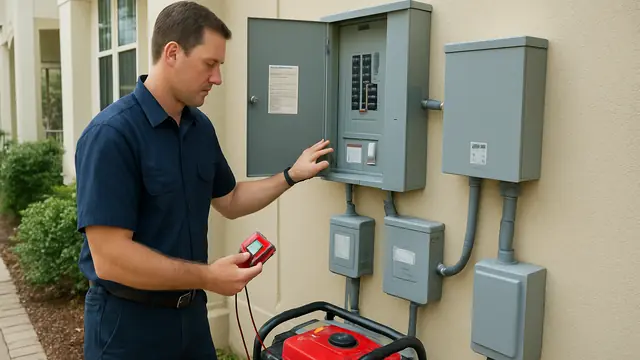
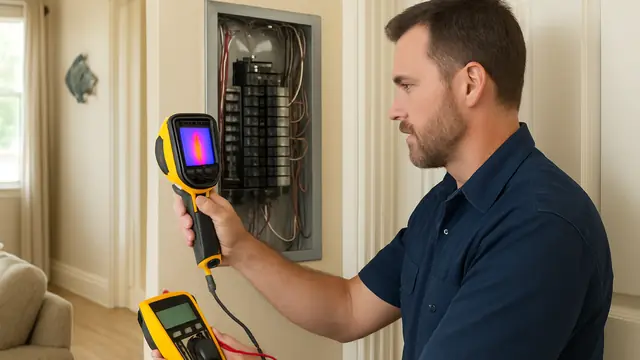
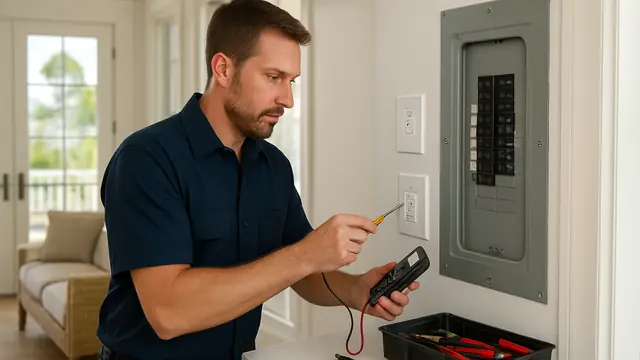
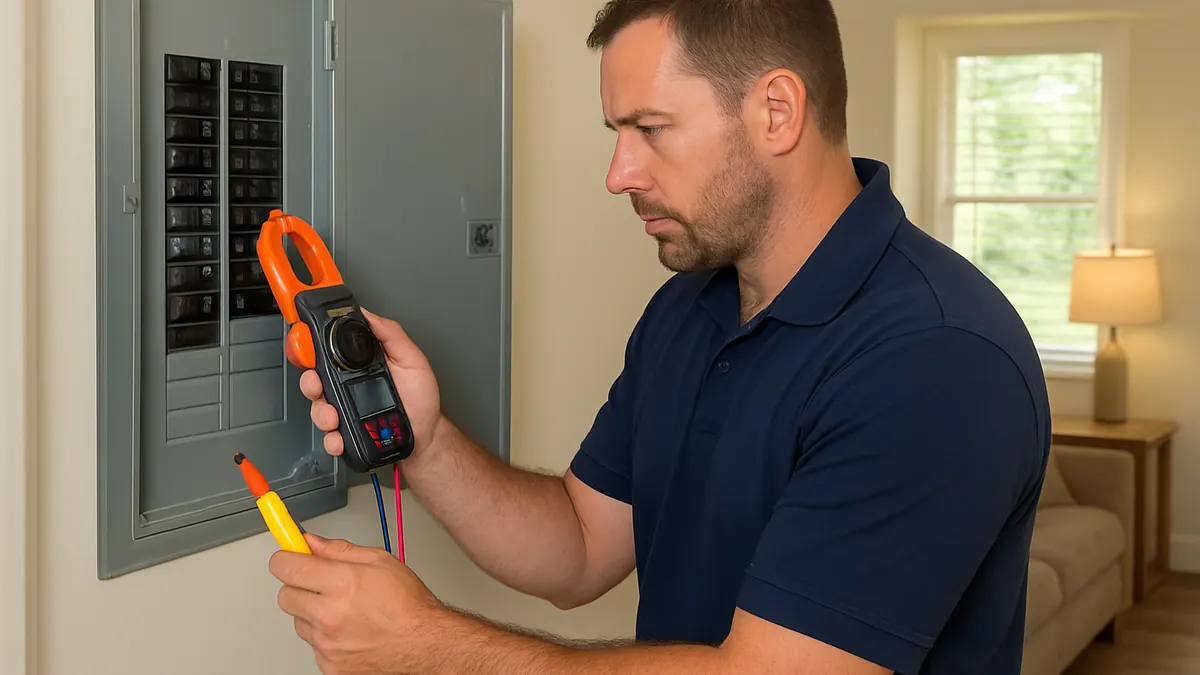
The electrician may map the circuit, verify breaker type and rating, measure current, inspect accessible devices, and isolate suspected appliances. Electrical and thermal testing may reveal grounding, insulation, leakage-current, or heat problems. Intermittent trips may require observation through equipment cycles.
Repair Options Beginning With the Least Invasive
The smallest reasonable correction may be removing a damaged power strip, replacing a defective cord, repairing one appliance, or changing temporary use of high-demand devices.
A failed receptacle, switch, GFCI, AFCI device, disconnect, or breaker may be replaced individually after testing confirms the cause. A loose accessible connection may be repaired if the conductor and equipment remain serviceable.
If ordinary use repeatedly overloads the circuit, a dedicated circuit may be installed for the equipment creating the demand. Localized cable damage may be repaired or rerouted without replacing all of the property's wiring.
Panel repair, broader rewiring, or a service upgrade may become appropriate when inspection identifies damaged panel components, unsafe modifications, widespread deterioration, or inadequate electrical capacity. Complete replacement should follow documented need rather than being the automatic first recommendation.
Typical Factors Affecting Cost
Cost depends on where the fault is located, whether it can be reproduced consistently, and whether it involves an appliance, accessible device, concealed cable, breaker, or panel.
Other factors include circuit length, wiring access, outdoor equipment, parts, permits, inspections, and restoration after access. Intermittent faults usually require more diagnostic time.
Prevention and Maintenance Guidance
Avoid operating several high-current appliances on one general-purpose circuit. Follow manufacturer instructions when equipment requires a dedicated circuit.
Test GFCI and AFCI devices according to their instructions. Replace damaged cords, loose plugs, cracked covers, and unreliable receptacles promptly. Keep exterior electrical enclosures securely closed and correct conditions that allow moisture to reach equipment.
Maintain an accurate panel directory and review capacity before renovations or major equipment additions. In a second home or rental, instruct occupants to leave a repeatedly tripping breaker off.
Find Out Why the Circuit Breaker Keeps Tripping
When a circuit breaker keeps tripping in WaterColor, disconnect suspect equipment, note the circumstances, and stop after one unsuccessful reset. A licensed electrician can determine whether the least invasive safe repair is an appliance correction, device replacement, connection repair, dedicated circuit, localized wiring work, breaker replacement, or justified panel improvement.
About this guide: This resource provides general homeowner education, not a remote diagnosis. Actual conditions, code requirements, equipment, and safe repair options must be evaluated at the property.