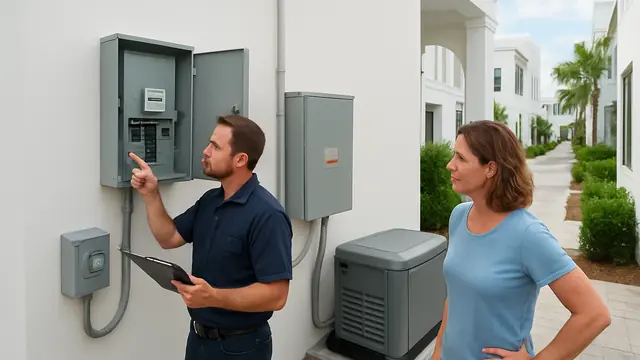
Do not remove an electrical panel cover, touch exposed conductors, bypass protection, or repeatedly reset a fault. Keep clear of smoke, sparks, burning odors, hot equipment, standing water near electricity, and downed lines, then call qualified help.
A breaker trips while the oven is heating, the pool equipment is running, and several guests are getting ready. You reset it, but the same part of the home loses power again. In an Alys Beach property with multiple appliances, lighting controls, outdoor features, or other high-demand equipment, it may be tempting to assume the electrical panel simply needs "more power." The real cause could be much more specific.
A circuit breaker opens the circuit when current rises beyond a safe level or when certain protected breakers detect an electrical fault. The trip may be caused by too much equipment on one circuit, a damaged appliance, moisture, a loose connection, a short circuit, an arc fault, or a worn breaker.
Turn off and unplug equipment served by the tripped circuit. Reset the breaker once only when there is no burning smell, heat, smoke, buzzing, or visible damage. If it trips again, leave it off. Repeatedly restoring power can expose damaged wiring or equipment to continued stress.
What the Tripping Pattern Can Tell You
A breaker that trips after several devices have been operating may be overloaded. One that trips instantly can indicate a short circuit or severe equipment fault. A breaker that trips only when an appliance enters a heating, pumping, or compressor cycle may be reacting to that component. Trips associated with rain or exterior equipment can point toward moisture intrusion or damaged outdoor wiring.
Most Common Possible Causes
Several Loads Sharing One Circuit
Electrical demand is measured in amperes, commonly called amps. A circuit can safely carry only a limited number of amps. When combined demand exceeds that limit, the breaker opens.
The individual devices may be working correctly; the circuit is simply being asked to carry too much at once.
A Problem Inside an Appliance
An appliance can develop an internal fault without appearing completely broken. Motors, heating elements, compressors, pumps, controls, and internal wires can deteriorate.
The trip may occur only when a heating element, compressor, or motor starts, making the problem seem inconsistent.
Short Circuits, Ground Faults, and Arc Faults
A short circuit allows current to take an unintended low-resistance path, often causing an immediate trip. A ground fault allows electricity to escape toward grounded metal, water, or another unintended path. An arc fault involves electricity jumping across a damaged or loose connection.
These conditions can arise from damaged cords, pinched wiring, wet equipment, failed receptacles, loose terminals, deteriorated insulation, or improperly installed devices. Specialized AFCI and GFCI breakers are designed to detect certain hazards that a standard breaker may not recognize.
Loose Connections
A connection does not have to be completely separated to become dangerous. A loose terminal can create resistance, heat, and intermittent arcing.
Signs include flickering, buzzing, discoloration, unreliable switches, or tripping as the load changes.
A Breaker or Panel Defect
A breaker can become weak, damaged, overheated, or incompatible with the panel.
Testing must determine whether the breaker is failing or responding correctly to a downstream problem.
Safe Troubleshooting Before You Call
Identify everything that lost power because the panel description may be incomplete.
Unplug portable equipment and switch off fixed equipment when controls are readily accessible. Move the breaker firmly to OFF and then ON. A breaker can appear centered even though it has tripped internally.
Reconnect one item at a time. Allow appliances to enter their normal cycles. If one item consistently causes the trip, discontinue its use and report that pattern.
Look for a tripped GFCI receptacle in kitchens, bathrooms, garages, exterior areas, or equipment spaces. Reset it only when the receptacle and surrounding area are dry and undamaged.
What You Should Never Do
Never hold a breaker in the ON position, tape it in place, bypass protective devices, or repeatedly reset it to "see if it clears."
Do not substitute a higher-amperage breaker. Circuit protection must match the conductor size and approved design. A larger breaker can allow excessive current to heat wiring hidden inside walls.
Do not remove the panel cover or touch internal conductors. Do not open hardwired appliances, disconnects, junction boxes, or concealed wiring unless you are trained and legally qualified to perform the work.
Avoid using long-term extension-cord arrangements to transfer loads to other rooms. This may overload a different circuit and create cord damage or trip hazards.
When Tripping Requires Urgent Service
Keep the circuit off when you smell burning insulation, see smoke or sparks, hear crackling, notice melted plastic or dark marks, or find an outlet, switch, appliance, breaker, or panel that is unusually hot.
Prompt evaluation is also needed when the breaker trips with nothing connected, will not reset, trips during wet weather, affects refrigeration or safety systems, or accompanies a shock, tingling sensation, or visible water near electrical equipment.
For active smoke or fire, evacuate and call emergency services.
How a Licensed Electrician Finds the Cause
Diagnosis starts with the operating history. The electrician will ask what was running, whether the trip is immediate or delayed, and whether the issue began after new equipment, service work, renovation, or weather exposure.
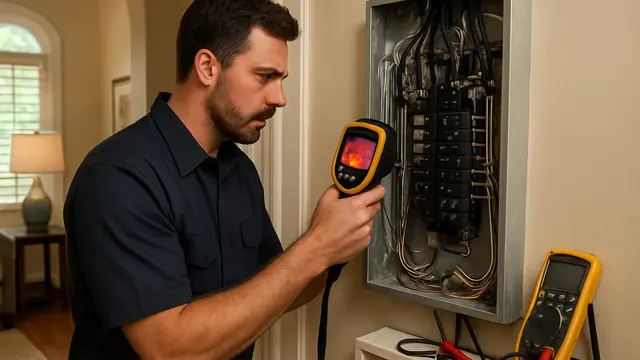
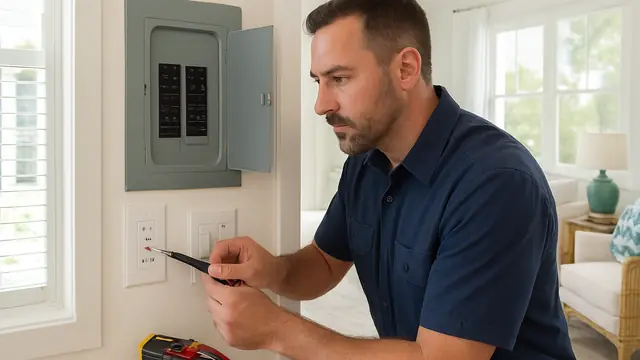
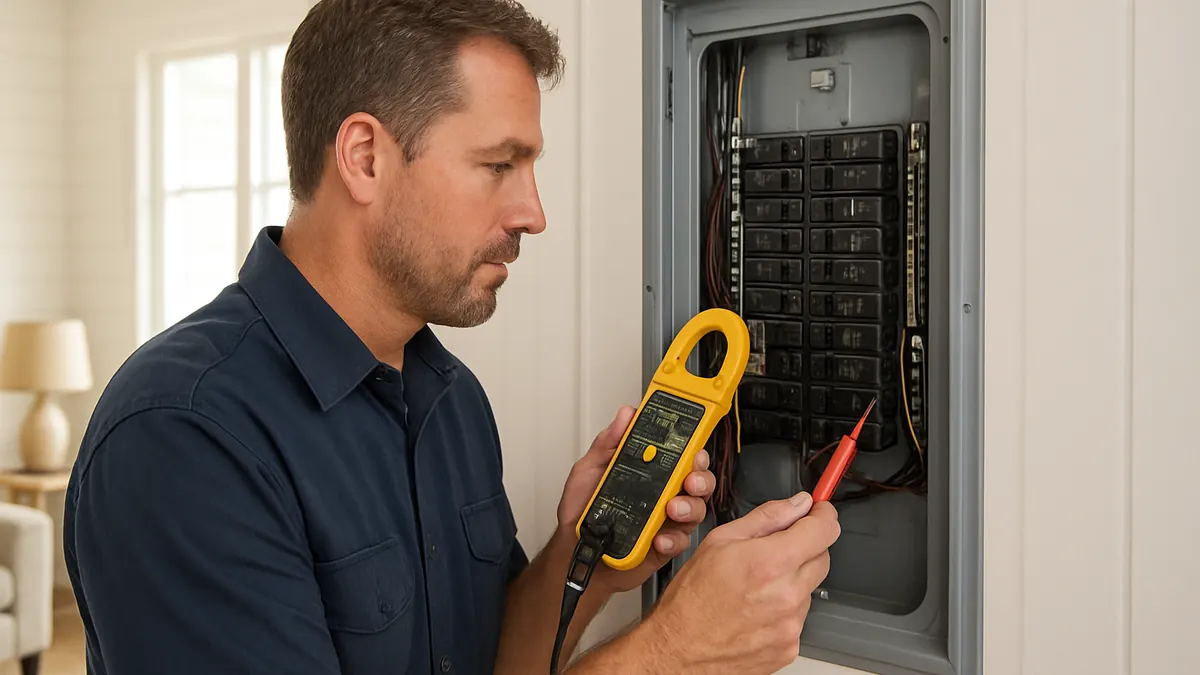
The electrician may map the circuit, verify breaker rating and type, measure current, inspect accessible devices, and disconnect suspected equipment. Testing may evaluate voltage, continuity, grounding, insulation condition, and leakage current.
Thermal measurements may identify abnormal heating, and intermittent faults may require observation through startup and operating cycles.
Reasonable Repair Options
The least invasive correction may be removing a defective plug-in device, replacing a damaged cord, repairing an appliance, or redistributing temporary loads.
A damaged receptacle, switch, GFCI, disconnect, or breaker can often be replaced individually after testing. Loose accessible connections may be repaired and retorqued according to equipment requirements.
When a circuit is consistently overloaded, adding a properly designed dedicated circuit may be more appropriate than changing occupant behavior. Localized cable damage may be repaired or a limited section rerouted.
Panel repair, capacity upgrades, or broader rewiring may be recommended when testing identifies damaged bus components, unsafe alterations, inadequate service capacity, or widespread wiring problems. Those larger solutions should follow documented findings, not guesswork.
What Determines the Cost?
Cost is influenced by diagnostic time, access, circuit length, equipment type, and whether the failure is visible or intermittent.
Replacing one accessible device is different from tracing concealed wiring through finished walls. Dedicated circuits, outdoor equipment, panel components, permits, inspections, and restoration after access can also affect the scope.
Preventing Future Trips
Know which high-demand appliances share circuits and avoid running too many portable heating or cooking devices together. Follow manufacturer requirements for dedicated circuits.
Test GFCI and AFCI protection as directed. Replace cracked cords, loose plugs, and damaged exterior covers. Keep water away from electrical devices and address drainage or enclosure problems that expose equipment to moisture.
After adding major equipment, have the electrical load reviewed and keep the panel directory accurate.
Resolve the Cause Instead of Repeatedly Resetting
When a circuit breaker keeps tripping in Alys Beach, the safe response is to identify the affected circuit, disconnect suspect loads, and stop resetting the breaker when the problem repeats. The cause may be as limited as one failed appliance or as involved as a damaged circuit, but proper testing is what separates those possibilities.
About this guide: This resource provides general homeowner education, not a remote diagnosis. Actual conditions, code requirements, equipment, and safe repair options must be evaluated at the property.