Stop and call for qualified help when plumbing water is near electrical equipment, sewage is entering occupied space, gas or burning odors are present, or a repair would require opening pressurized piping.
A guest calls shortly after check-in to say the shower is filling with water, the toilet is making a bubbling sound, and the kitchen sink smells unpleasant. In a Camp Creek vacation rental, those symptoms can quickly disrupt an otherwise smooth stay. They often point to a drain restriction, a toilet problem, a trap or vent issue, or a plumbing component that has been under more use than it can handle.
Stop using the affected fixture immediately. If several drains are slow or wastewater appears in a shower or tub, stop water use until a plumber inspects the system. For a small clean-water leak, close the nearest shutoff valve only if it turns normally and can be reached safely. Move belongings away from the wet area.
Why Plumbing Problems Show Up During Guest Stays
Vacation rentals often experience intense plumbing use over a short period. Several guests may shower, flush toilets, wash dishes, run laundry, and use the garbage disposal within the same hour. A drain that seemed acceptable during a quiet turnover can become overwhelmed once the property is fully occupied.
Guests also may not know what the plumbing system can handle. Wipes, excessive toilet paper, grease, food scraps, and personal-care products can create blockages. Small leaks are easy to miss when no one is regularly checking under sinks or around appliance connections.
The Most Common Plumbing Problems for Vacation Rentals in Camp Creek
Slow or Clogged Showers
Hair, soap residue, and personal-care products gradually collect inside shower and tub drains. Water may begin pooling around a guest's feet and then take several minutes to disappear.
One slow shower usually suggests a nearby clog. If the toilet bubbles when the shower drains, or water rises in another fixture, the restriction may be farther down a shared drain line.
Toilet Clogs, Running Toilets, and Base Leaks
Toilets are among the most common sources of rental plumbing calls. A clog may result from excessive paper, wipes, hygiene products, or a foreign object. A toilet that keeps refilling may have a worn flapper, an incorrectly positioned chain, or a fill valve that is not shutting off correctly.
Water around the base is not always caused by the seal beneath the toilet. It may come from the supply line, tank bolts, condensation, or a leak higher on the fixture. The source should be identified before caulk is applied or the toilet is tightened.
Kitchen Sink and Disposal Problems
Grease, coffee grounds, starches, and fibrous scraps can narrow a kitchen drain. Guests may report a slow sink, unpleasant odor, gurgling, or water entering the second side of a double-bowl sink.
A disposal that hums without turning may be jammed. If it is silent, it may have lost power, tripped its reset, or failed.
Water-Heater Complaints
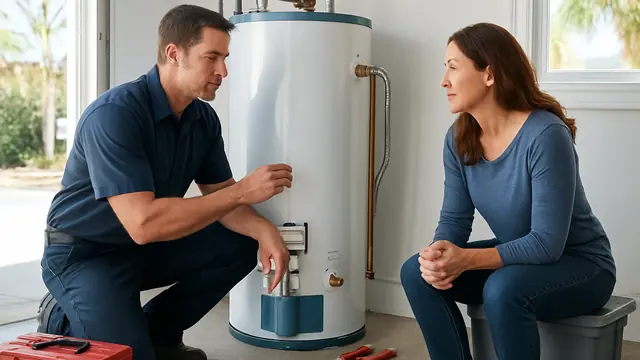
A full rental may use hot water faster than expected. However, hot water that disappears unusually quickly can also indicate a failed heating element, thermostat, control, burner, or another equipment issue.
No hot water, inconsistent temperatures, repeated breaker trips, or water near the heater should be evaluated. A leaking connection may be repairable, while a leaking tank may require replacement.
Hidden Leaks Beneath Fixtures or Inside Walls
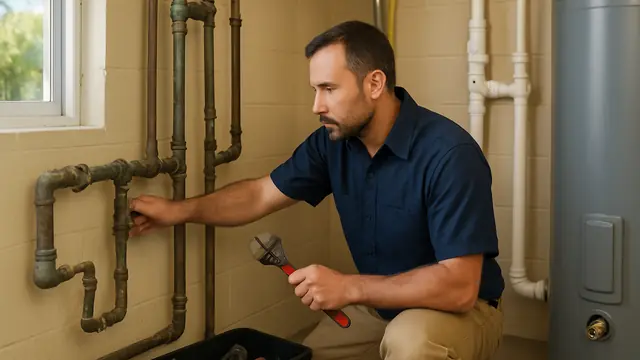
Leaks can develop at faucet connections, toilet supplies, refrigerator lines, washer hoses, shower valves, and concealed piping. Early signs include a swollen cabinet floor, peeling paint, discolored drywall, a musty odor, warped flooring, or an unexplained increase in water use.
Water can travel before it becomes visible, so a stain may not be directly below the source.
Safe Checks a Homeowner or Property Manager Can Perform
Determine whether the issue affects one fixture or several and what was used immediately before it appeared.
For a running toilet, remove the tank lid and check whether the flapper closes flat. Look for water continuously entering the overflow tube. For a slow sink, remove only visible debris near the stopper.
Switch a disposal off before looking into it with a flashlight. Never put a hand inside. For a small clean-water drip, dry the area and watch where water first appears.
If hot water is lost, check whether the entire home is affected. A clearly labeled breaker may be checked once. If it trips again, leave it off and call for service.
What You Should Not Attempt
- Do not pour repeated chemical drain cleaners into a clogged line. Chemicals may not remove the obstruction and can remain in the pipe when a plumber opens it.
- Do not remove a toilet, open a water heater, adjust gas controls, or cut into a wall without proper training. Never cap a water-heater relief valve.
- Avoid forcing an old shutoff valve. A valve that is corroded or stuck can break and create a larger leak. Do not continue testing a fixture if wastewater is backing up elsewhere.
Signs the Problem Is Urgent
Call promptly when sewage enters a shower or tub, water spreads across a floor, or a ceiling stain grows quickly. An overflowing toilet that cannot be stopped, water near electrical equipment, and a water heater leaking from the tank are also urgent.
Other warning signs include a gas odor, no working toilet in an occupied property, sudden pressure loss with the sound of running water, or repeated backups affecting several fixtures.
If you smell gas, leave the property and contact the gas utility or emergency services from a safe location.
How a Licensed Plumber Diagnoses the Cause
The plumber identifies when the symptom occurs and which fixtures share piping. Fixture problems may be found by inspecting seals, valves, traps, and internal toilet parts.
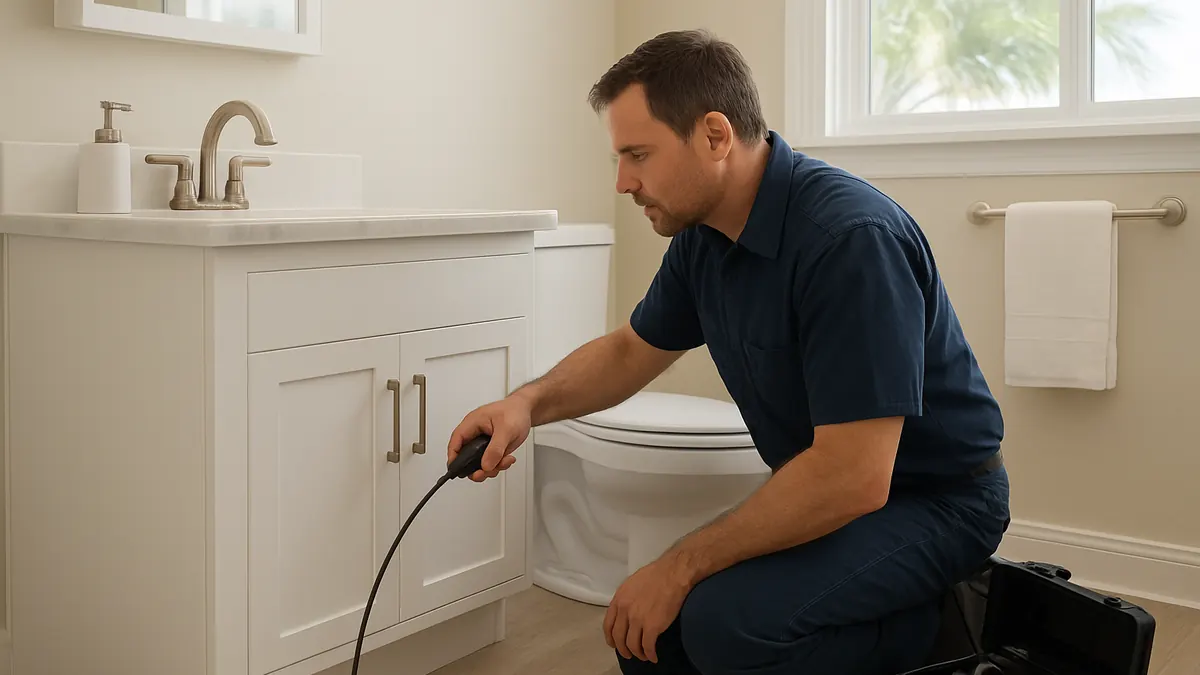
Drain issues may require professional cleaning equipment. A sewer camera can help when a blockage keeps returning or its location is uncertain.
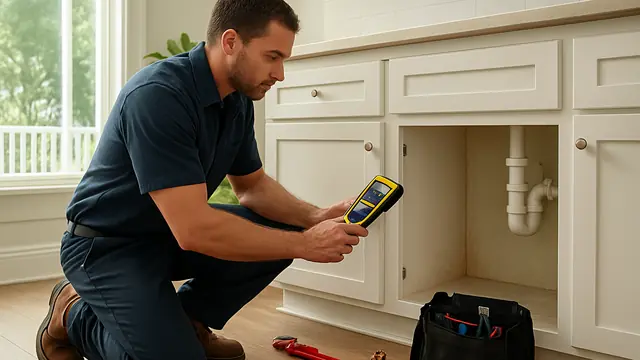
Leak diagnosis may include moisture readings, pressure testing, meter observation, and fixture isolation. Water-heater testing covers the energy supply, controls, heating components, safety devices, and tank.
Repair Options From Least to Most Invasive
The least invasive repair may be clearing a trap, replacing a toilet flapper, adjusting a chain, cleaning an aerator, tightening an approved connection, or resetting a disposal safely.
More involved work can include replacing a fill valve, clearing a branch drain, repairing a fixture supply, servicing a water heater, or replacing a damaged section of pipe.
Replacement may be appropriate when a tank leaks, a fixture is cracked, or repeated failures make repair unreliable.
Factors That Affect Repair Cost
Cost depends on accessibility, diagnostic time, parts, labor, and the equipment required. A visible leak beneath a sink is generally easier to address than piping concealed behind tile or drywall.
Recurring drain problems may require camera inspection. After-hours scheduling and water-damage restoration can also affect the scope.
Prevention and Maintenance for Camp Creek Rentals
- Use a turnover checklist for toilets, faucets, shower drainage, hot water, and sink cabinets. Cleaners should report moisture, odors, slow drains, and unusual sounds.
- Give guests instructions about wipes, grease, food scraps, and disposal use. Keep bathroom wastebaskets available.
- Label the main water shutoff and fixture valves. Have recurring problems professionally evaluated instead of relying on repeated plunging, resets, or temporary clearing.
Take the Next Step When a Camp Creek Rental Has Plumbing Trouble
The most common plumbing problems for vacation rentals in Camp Creek include shower clogs, toilet failures, kitchen backups, water-heater complaints, and hidden leaks. Stop using the affected fixture, limit water use when several drains are involved, and arrange a professional diagnosis before another guest places the system under full demand.
About this guide: This resource provides general homeowner education, not a remote diagnosis. Actual conditions, code requirements, equipment, and safe repair options must be evaluated at the property.