Stop and call for qualified help when plumbing water is near electrical equipment, sewage is entering occupied space, gas or burning odors are present, or a repair would require opening pressurized piping.
A guest has just checked into your 30A vacation rental and reports that the kitchen sink is draining slowly, the toilet keeps running, or the hot water disappeared after two showers. In a rental, a minor plumbing symptom becomes an immediate guest-service issue because another reservation may follow soon. These are among the most common plumbing problems for vacation rentals in 30A and often point to a clog, worn toilet parts, water-heater trouble, or a leak that needs attention before it damages the property.
Stop using the affected fixture. Place a container under a small drip, and close the fixture's shutoff valve if water continues and the valve turns normally. If several fixtures are backing up, avoid running more water anywhere in the property and call a licensed plumber.
Why Vacation Rentals Develop Plumbing Problems Quickly
Vacation rentals often experience concentrated use. Several guests may shower one after another, wash beach towels, run the dishwasher, and use every bathroom within a short period. That cycle can expose weak components and make developing problems appear suddenly.
Guests may put wipes, grease, or food scraps into drains and toilets. Owners often learn about the result only when a cleaner sees standing water or a guest sends an urgent message.
The Most Common Plumbing Problems for Vacation Rentals in 30A
Clogged Toilets and Slow Bathroom Drains
Excess paper, wipes, hygiene products, hair, soap residue, and product buildup can restrict toilets, sinks, and showers. One slow fixture usually suggests a localized clog. Multiple slow drains, bubbling toilets, or water rising in a shower when another fixture runs may indicate a larger drain obstruction.
Kitchen Sink and Garbage Disposal Problems
Grease, coffee grounds, fibrous food, and scraps can overwhelm a disposal or settle in the drainpipe. Warning signs include gurgling, odors, slow drainage, or water backing into the second side of a double sink.
A disposal that hums without turning may be jammed. A silent unit may have lost power, tripped its reset, or failed mechanically.
Running or Leaking Toilets
A toilet that repeatedly refills may have a worn flapper, misadjusted fill valve, tangled chain, or water entering the overflow tube. Water around the base may come from condensation, a loose supply connection, a failing shutoff valve, or the seal under the toilet. Confirm the source rather than covering it with caulk.
Water-Heater Complaints
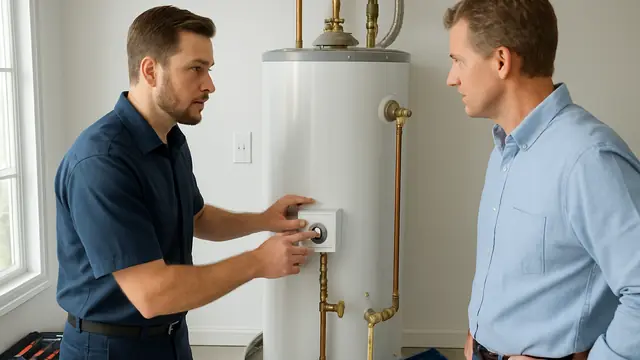
"No hot water" may result from lost power or fuel, a tripped breaker, a failed heating component, or unusually heavy demand. Lukewarm water, popping sounds, discolored water, or moisture near the unit deserves professional evaluation.
Water on the floor can originate from a connection, drain valve, relief system, or the tank itself. A leaking tank often requires a different response than a repairable fitting.
Hidden Leaks and Water Stains
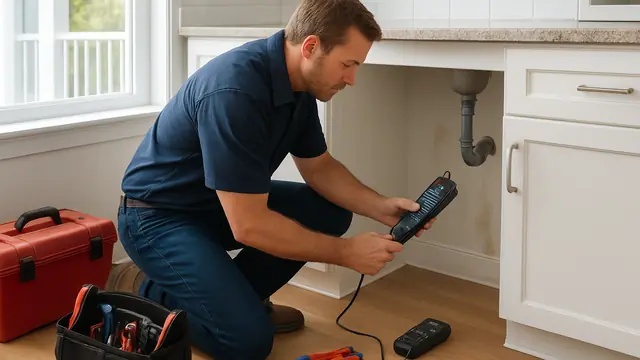
Sink supplies, toilets, refrigerator lines, washing-machine hoses, shower valves, and pipes inside walls can leak. Look for swollen cabinet bottoms, peeling paint, soft drywall, musty odors, warped flooring, or unexplained water use. In a multi-story rental, an upstairs leak may first appear as a ceiling stain below.
Safe Checks an Owner or Property Manager Can Perform
Identify whether the problem affects one fixture or the whole property. Check nearby fixtures without running large volumes of water.
For a running toilet, lift the tank lid and see whether the flapper closes and whether water enters the overflow tube. For a slow sink, remove visible debris near the stopper. For a disposal, switch it off before looking into the opening with a flashlight. Never place a hand inside.
Check the electrical panel only for a clearly labeled tripped water-heater breaker. If it trips again, leave it off. Photograph leaks, stains, and affected areas for the plumber.
What You Should Not Attempt
Do not keep plunging if wastewater rises in another fixture. Do not pour repeated chemical drain cleaners into a blocked line. They may fail to remove the obstruction and can expose the plumber to hazardous chemicals.
Do not remove a toilet, open a water heater, adjust gas controls, cap a relief valve, or cut into walls without proper training. Avoid forcing an old shutoff valve that feels stuck because the valve or pipe may break.
Signs the Plumbing Problem Is Urgent
Request prompt service when sewage backs up, water spreads across a floor, a ceiling bulges, or a toilet will not stop overflowing. Other urgent signs include water near electrical equipment, a gas odor, a leaking water-heater tank, no usable toilets, repeated whole-house backups, or sudden pressure loss with leakage.
If you smell gas, leave the property and contact the gas utility or emergency services from a safe place. Do not enter standing water near electrical equipment.
How a Licensed Plumber Diagnoses the Problem
The plumber asks when the symptom began, which fixtures are affected, and whether it has happened before. Fixture problems may be diagnosed by inspecting valves, seals, traps, and operating parts.
Drain issues may require professional cleaning equipment or a sewer camera. Leak detection may include moisture readings, pressure testing, meter observation, and fixture isolation. Water-heater diagnosis can involve checking the supply, controls, heating components, safety devices, and tank condition.
Repair Options, Starting With the Least Invasive
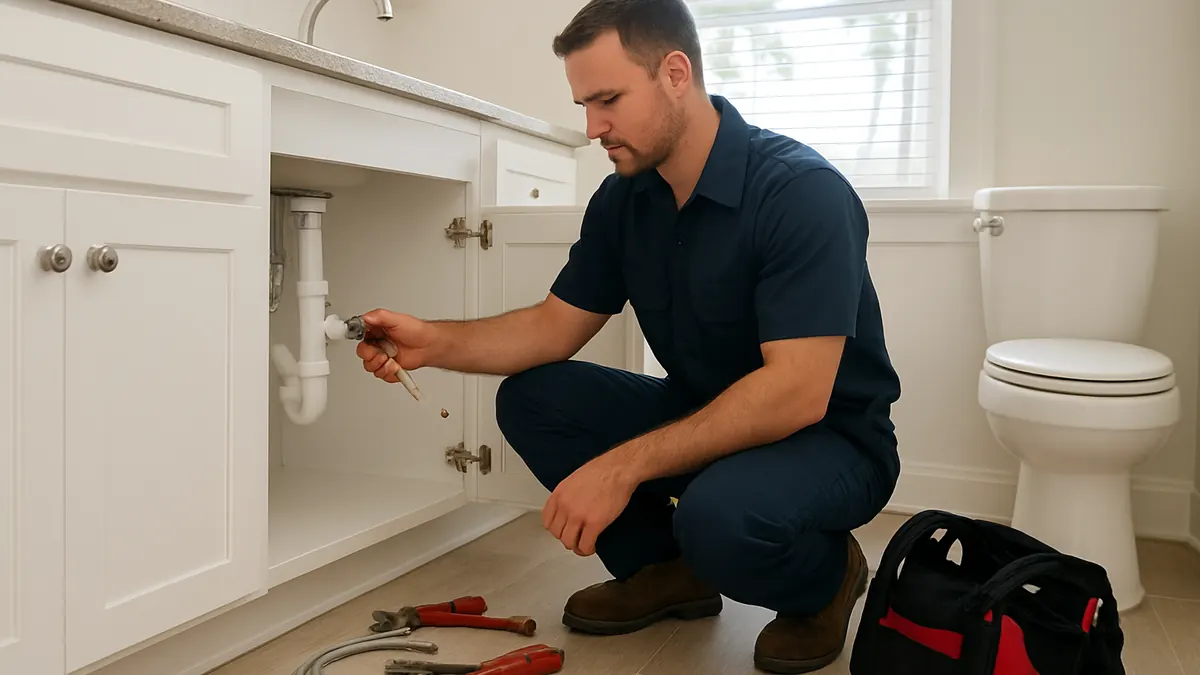
Many rental plumbing problems can be corrected without replacement. A plumber may clear a fixture trap, adjust a toilet chain, replace a flapper, clean an aerator, reset a disposal, tighten an approved connection, or replace a flexible supply line.
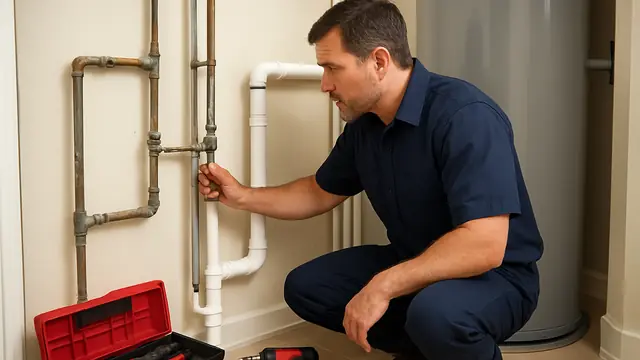
More involved work may include replacing a fill valve, clearing a branch drain, servicing a water heater, repairing a valve, or replacing a damaged pipe section. Full replacement becomes reasonable when a component is cracked, severely corroded, repeatedly failing, unsafe, or impractical to repair.
Factors That Affect Repair Cost
Cost depends on the problem's location, accessibility, diagnostic time, parts, and whether water damage blocks access. A visible fixture repair requires less labor than a leak inside a wall or a clog deep in the drainage system.
Other factors include the number of affected fixtures, specialized equipment, condition of nearby valves, after-hours scheduling, and whether cabinetry, drywall, or flooring must be opened and restored.
Prevention and Maintenance for 30A Vacation Rentals
Have cleaners test toilets, faucets, showers, disposals, and hot water at turnover. Ask them to report slow drainage, loose fixtures, moisture, unusual sounds, and stains.
Give guests clear instructions about wipes, grease, food scraps, and disposal use. Keep wastebaskets in bathrooms so non-flushable items have a destination.
Inspect supply lines and shutoff valves periodically. Keep the main shutoff labeled and accessible. Consider a professional inspection before busy stays, especially when the property has recurring backups, water-heater complaints, or previous leaks.
Take the Next Step When a Plumbing Problem Interrupts a 30A Stay
The most common plumbing problems for vacation rentals in 30A include clogged drains, running toilets, kitchen backups, water-heater complaints, and hidden leaks. Quick action protects the property and limits guest disruption. Stop using the affected fixture, control active water when it is safe, and arrange diagnosis before the problem spreads or returns.
About this guide: This resource provides general homeowner education, not a remote diagnosis. Actual conditions, code requirements, equipment, and safe repair options must be evaluated at the property.