Stop and call for qualified help when plumbing water is near electrical equipment, sewage is entering occupied space, gas or burning odors are present, or a repair would require opening pressurized piping.
A guest arrives at your DeFuniak Springs vacation rental and discovers that the toilet flushes weakly, the bathroom sink drains slowly, and there is a damp smell inside the vanity. None of those symptoms should be ignored. Together, they may indicate a developing clog, a leaking drain connection, a toilet that is not operating correctly, or moisture that has been present longer than anyone realized.
Ask the guest to stop using the affected fixture while you determine whether the problem is isolated. If clean water is actively leaking, close the nearby shutoff valve only if it turns easily. Place a container beneath a minor drip and move stored items away. If sewage is backing up, water is spreading rapidly, or several fixtures are affected, stop water use and call a licensed plumber.
Why Vacation Rentals Need Fast Plumbing Decisions
A minor household inconvenience can become a rental scheduling emergency. Guests expect working bathrooms, dependable hot water, and a usable kitchen, while owners may have only hours between reservations.
Rental plumbing receives irregular but concentrated use. A partial blockage may appear normal during cleaning and fail under repeated use. Small leaks may remain hidden between reservations.
The Most Common Plumbing Problems for Vacation Rentals in DeFuniak Springs
Weak-Flushing and Frequently Clogged Toilets
A weak flush can result from low tank water, a worn flapper, restricted rim openings, or a partial blockage. Repeated clogs may be caused by excessive paper, wipes, hygiene products, or a foreign object.
If plunging works only temporarily, an obstruction may remain. Gurgling in another drain during flushing can indicate a shared-pipe problem.
Slow Bathroom Sinks and Leaking Traps
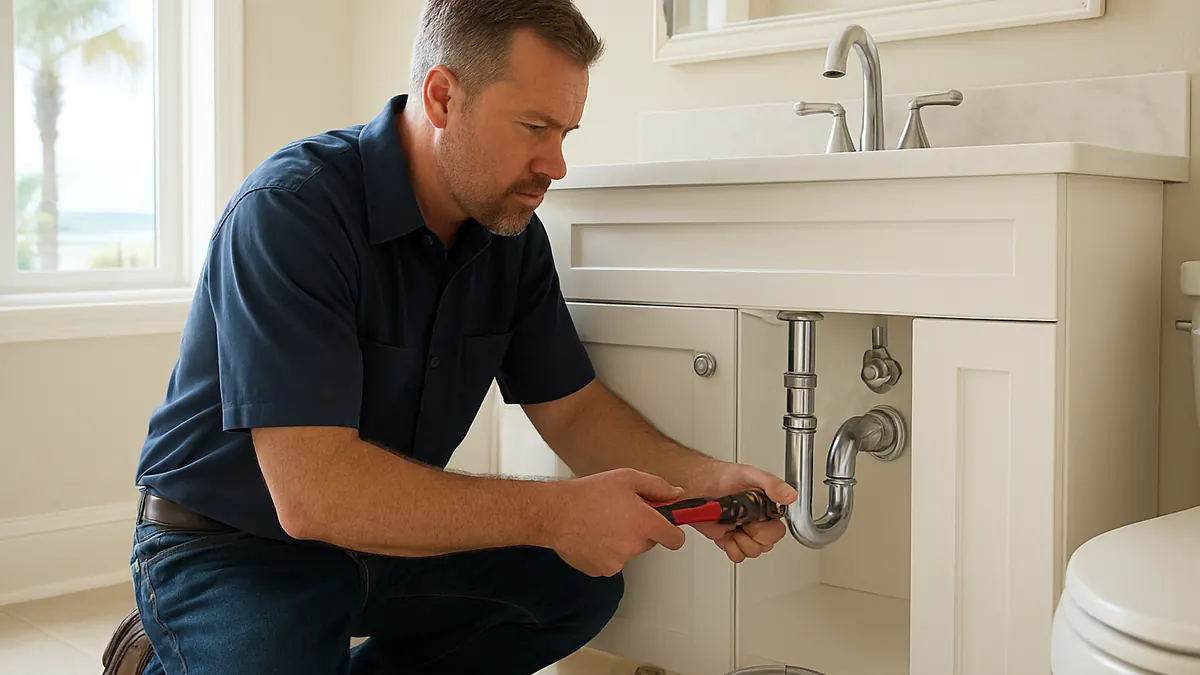
Hair, soap, toothpaste, and grooming products accumulate around sink stoppers and inside traps. The trap is the curved section of pipe beneath the sink that holds water to prevent sewer gas from entering the room.
A loose joint or deteriorated washer can leak while the basin drains. Cabinet swelling, staining, or odor may appear before a puddle.
Kitchen Drain Blockages
Grease, cooking oil, coffee grounds, rice, pasta, and food scraps can build up inside kitchen drains. Warning signs include slow drainage, bubbling, odors, and water returning into the sink.
A disposal may jam or overheat. If it hums without turning, switch it off and never reach inside.
Water-Heater Performance Problems
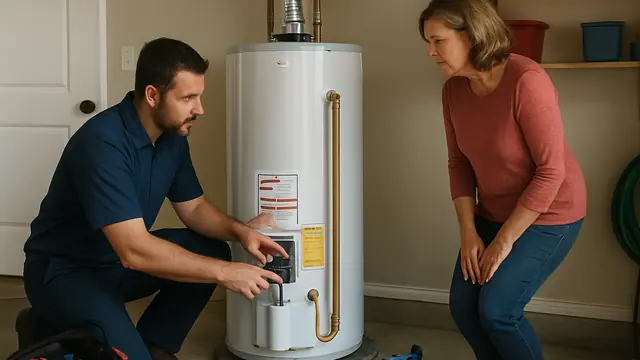
Guests may complain that the water never becomes hot, changes temperature, or runs cold after a few showers. Heavy demand can explain some complaints, but failed heating elements, thermostats, burners, controls, or electrical problems are also possible.
Moisture may come from a connection, valve, relief system, or tank. Repeated breaker trips or active leakage need professional evaluation.
Faucet, Supply-Line, and Toilet Leaks
Small leaks commonly develop at faucet supplies, toilet connections, shutoff valves, refrigerator lines, and washing-machine hoses. A slow leak can damage a cabinet or floor before it becomes obvious.
Water near a toilet may come from the supply line, tank bolts, condensation, or the seal under the base. The fixture should be dried and tested so the source can be confirmed.
Safe Checks the Owner or Manager Can Perform
Begin by asking which fixture was used and when the symptom appeared. Check nearby fixtures cautiously to see whether the problem is isolated, but do not release large amounts of water.
- For a weak toilet, remove the tank lid and see whether the tank fills to its normal level and the flapper lifts fully. Do not adjust unfamiliar parts aggressively.
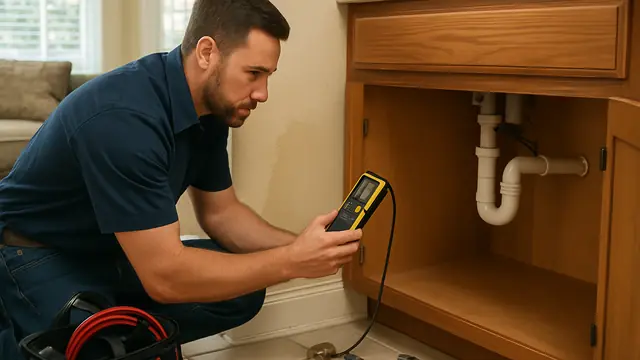
- For an under-sink leak, dry the pipes and cabinet. Run only a small amount of water while watching accessible connections. Stop immediately if water appears quickly.
- If hot water is unavailable, determine whether every faucet is affected. A clearly labeled breaker can be checked once. Leave it off if it trips again.
What a Homeowner Should Not Attempt
- Do not mix drain cleaners or keep adding chemicals when a line remains clogged. Chemical products may stay trapped in the pipe and expose anyone who later opens it.
- Do not remove a toilet, cut into walls, open a water heater, repair gas components, or alter a pressure-relief device without the proper licensing and training.
- Never force a stuck shutoff valve. Do not keep flushing an overflowing toilet or running fixtures to test a backup. Additional water can spread contamination and property damage.
Signs That Make the Problem Urgent
Arrange immediate help when wastewater enters a shower, tub, or floor drain. Rapidly spreading water, a bulging ceiling, active leakage near electricity, and a toilet that will not stop overflowing are also urgent.
Other warning signs include a strong gas odor, no usable toilet in an occupied property, a water heater leaking from the tank, or sudden pressure loss combined with the sound of water running.
If gas is suspected, leave the property and contact the utility or emergency services from a safe location.
How a Licensed Plumber Diagnoses the Problem
The plumber looks at the timing, location, and relationship between affected fixtures. Toilet diagnosis may include checking tank components, bowl performance, the trapway, and the connected drain.
Sink and drain diagnosis may involve removing the trap, using mechanical cleaning equipment, or inspecting the line with a camera when a problem is recurring.
Leak detection may include moisture measurements, pressure testing, water-meter observation, and fixture isolation. Water-heater diagnosis can involve testing the power or fuel supply, controls, heating components, safety devices, and tank condition.
Repair Options Beginning With the Least Invasive
A straightforward repair may include removing visible drain debris, clearing a trap, adjusting a toilet chain, replacing a flapper, installing a fill valve, tightening an approved connection, or replacing a flexible supply line.
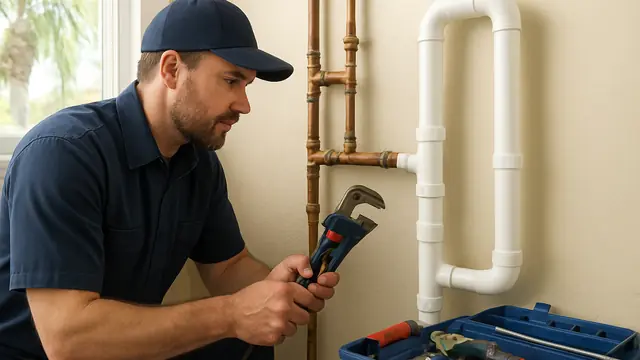
More involved repairs may include clearing a branch drain, repairing a valve, rebuilding a toilet, servicing the water heater, replacing a leaking fixture connection, or opening a limited area to repair concealed piping.
Replacement is considered when a fixture is cracked, a tank is leaking, a component is badly deteriorated, or repeated failures make repair unreliable.
Typical Factors That Affect Cost
Cost varies with access, diagnostic time, parts, labor, and specialized equipment. A leak visible inside a vanity is typically easier to reach than a pipe behind a finished wall.
Recurring backups may require camera inspection. The number of affected fixtures, condition of shutoff valves, after-hours scheduling, and water-damage restoration can also increase the scope.
Prevention and Maintenance Guidance
Create a turnover checklist for toilets, faucets, sinks, showers, hot water, disposals, and laundry connections. Ask cleaners to open vanity doors and look for moisture, staining, corrosion, or swelling.
Provide clear guest instructions stating that wipes, hygiene products, grease, and food waste should not enter the plumbing system. Keep plungers and bathroom wastebaskets available, but make sure management knows when to stop troubleshooting and call a professional.
Label the main water shutoff and keep it accessible. Address recurring weak flushes, slow drains, or damp odors before a reservation begins.
Respond Before a Small Problem Disrupts the Next Stay
The most common plumbing problems for vacation rentals in DeFuniak Springs include weak toilets, bathroom and kitchen clogs, water-heater complaints, under-sink leaks, and damaged supply connections. Stop using a problem fixture, control clean water when it is safe, and arrange diagnosis before the symptom spreads or returns under heavier guest use.
About this guide: This resource provides general homeowner education, not a remote diagnosis. Actual conditions, code requirements, equipment, and safe repair options must be evaluated at the property.