Stop and call for qualified help when plumbing water is near electrical equipment, sewage is entering occupied space, gas or burning odors are present, or a repair would require opening pressurized piping.
Your guest is preparing for dinner when the downstairs toilet begins to gurgle and the upstairs shower stops draining. A property manager notices water beneath a bathroom vanity. These are among the most common plumbing problems for vacation rentals in Alys Beach and may indicate a localized clog, loose fixture connection, or blockage affecting shared piping.
Ask guests to stop using that bathroom. If clean water is leaking from a sink or toilet supply, close the shutoff valve only if it moves easily. Move belongings away from the wet area and limit the spread. When wastewater is backing up or several fixtures are affected, stop running water throughout the home and arrange professional service.
Why Rental-Plumbing Problems Escalate Quickly
Guests may not recognize warning signs, know where shutoff valves are, or understand that a slow drain can precede a complete blockage. Use is also compressed into short periods: showers, toilets, cooking, laundry, and cleanup may all occur within a few hours.
A partially restricted drain may work for two people but back up when the home is fully occupied. A minor turnover symptom can therefore become urgent during a stay.
Most Common Plumbing Problems for Vacation Rentals in Alys Beach
Bathroom Drain and Toilet Blockages
Hair, soap, excessive paper, wipes, and personal-care products can restrict a sink, shower, tub, or toilet. One slow drain often points to a nearby problem. Gurgling in another fixture, water entering a shower after a toilet flush, or several drains slowing together suggests a blockage farther downstream.
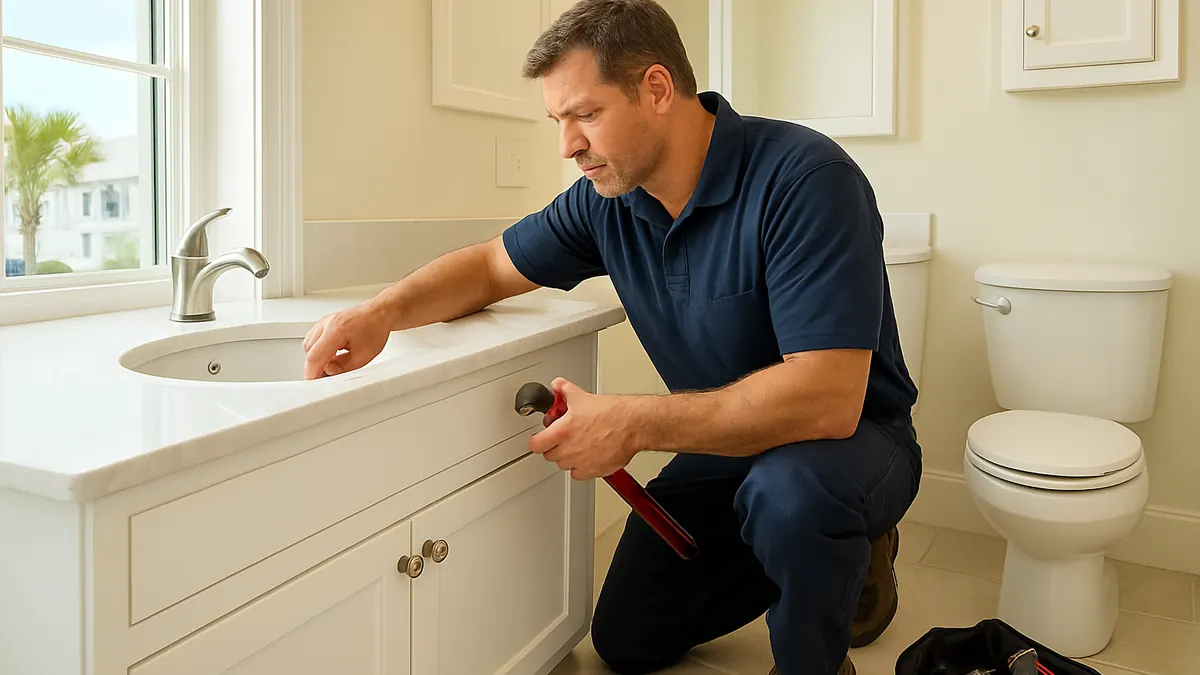
Leaks Beneath Sinks and Vanities
Water beneath a vanity may come from a faucet connection, supply tube, shutoff valve, drain assembly, or trap. The trap is the curved pipe under the sink that holds water to block sewer gases. A loose joint may leak only while the sink drains.
Dry flooring does not prove the leak has stopped. Water can collect inside a cabinet, travel behind trim, or enter a wall opening before becoming visible.
Toilet Leaks and Constant Refilling
A toilet that turns on every few minutes is usually losing tank water into the bowl. The flapper may be worn, the chain may be incorrectly positioned, or the fill valve may be set too high.
Water outside the toilet can originate at the supply connection, tank bolts, tank-to-bowl seal, or base. Continued use may damage nearby finishes.
Kitchen Sink and Disposal Trouble
Grease, coffee grounds, food waste, and fibrous scraps can create buildup inside a disposal or kitchen drain. Guests may report humming, odors, slow drainage, or water rising in the adjoining sink bowl.
A humming disposal should be switched off. Continued operation can overheat it. Never reach into the unit.
Hot-Water Interruptions
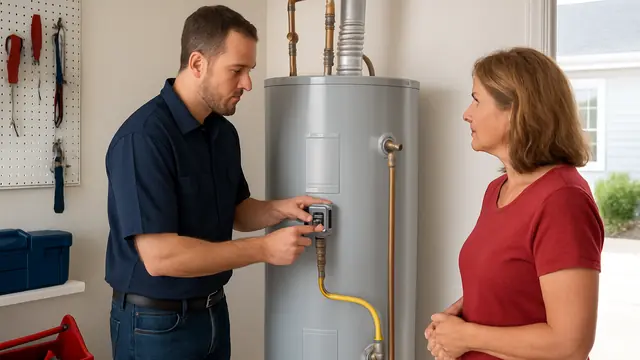
Cold or inconsistent water may involve heavy demand, a tripped circuit, failed controls, a heating element, burner trouble, or another equipment issue. Water that quickly turns cold differs from water that never heats.
Moisture near the unit, unusual sounds, or repeated shutdowns should be inspected rather than reset repeatedly.
Safe Checks Before the Plumber Arrives
Determine whether the symptom is confined to one room. Ask whether another fixture was used immediately before the problem appeared. This helps separate a fixture issue from a shared drain problem.
Dry the visible area and watch where fresh water first appears. Place a container under a minor clean-water drip. Check whether a toilet flapper sits flat and whether water flows into the overflow tube.
For lost hot water, verify whether the entire home is affected. A clearly labeled breaker may be checked once. If it trips again, leave it off. Do not remove equipment panels.
Take photographs and avoid repeated testing that releases more water.
What Owners Should Not Attempt
- Do not use several chemical drain products or mix cleaners. Chemicals may remain in the pipe, damage components, and create a hazard when the drain is opened.
- Do not disassemble a disposal, remove a toilet, open walls, or work on gas piping or water-heater safety controls. Never plug a temperature-and-pressure relief discharge.
- Do not force a corroded shutoff valve. If it will not move with normal hand pressure, forcing it can turn a manageable leak into a larger emergency.
When the Situation Requires Urgent Service
Treat sewage entering a shower, tub, or floor drain as urgent. The same applies to an overflowing toilet that cannot be stopped, water passing through a ceiling, a rapidly growing stain, or standing water near electrical equipment.
Other urgent conditions include a gas odor, a water heater leaking from the tank, no working toilet in an occupied property, or sudden pressure loss with running-water sounds. For a gas odor, have everyone leave and contact the gas utility or emergency services from a safe location.
How a Licensed Plumber Finds the Cause
The plumber identifies which fixtures share piping, whether the problem occurs during use or afterward, and whether repairs have already been attempted.
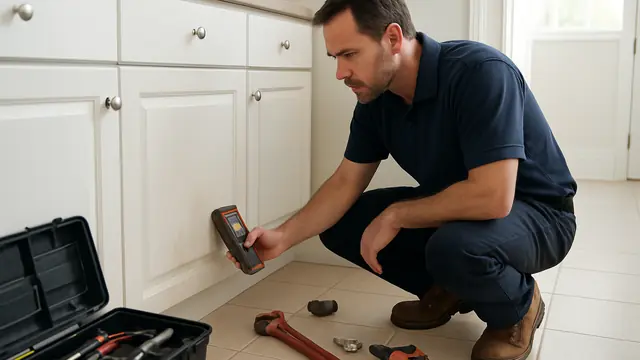
A fixture leak may be diagnosed by drying and testing individual connections. Drain diagnosis can involve removing a trap, using professional cleaning equipment, and inspecting the line with a camera when the blockage recurs or its location is uncertain.
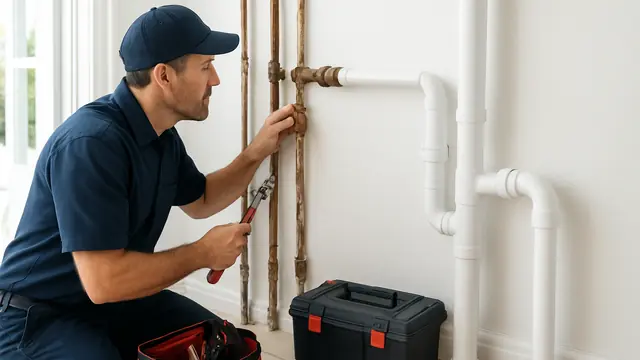
Hidden-leak testing may include moisture detection, pressure checks, meter observation, and isolation of fixtures. Water-heater testing may cover the electrical or fuel supply, controls, heating components, safety devices, and tank condition.
Repair Choices From Least to Most Invasive
The first repair may be tightening an approved connection, replacing a sink seal, adjusting a toilet chain, installing a flapper, clearing a fixture trap, or safely resetting a disposal.
If the problem is farther into the system, the plumber may clean a branch drain, replace a failed valve or supply line, rebuild a toilet, repair a shower component, or service the water heater.
Replacement is considered when damage is extensive, a tank is leaking, a part is unavailable, or repeated failures make another repair unreliable. The recommendation should match the diagnosed condition.
Factors That Influence Cost
Access is a major factor. A visible leak below a sink is generally simpler to reach than piping behind a finished wall. Cost also changes with diagnostic time, equipment required, affected fixtures, and parts.
After-hours response and restoration add work. Recurring drain trouble may require a camera to determine why it keeps returning.
Preventing Guest-Disrupting Plumbing Calls
Create a turnover checklist that includes flushing toilets, running faucets, checking drainage, testing hot water, operating the disposal, and looking inside sink cabinets. A cleaner should report moisture even when it seems minor.
Label the main shutoff and fixture valves. Give management staff instructions for stopping water safely. Place waste containers in bathrooms and provide guidance about wipes and grease.
Schedule professional evaluation when the same toilet, drain, or water heater generates repeated complaints. Temporary clearing can conceal a condition that is becoming less reliable.
Protect the Property and the Guest Experience
The most common plumbing problems for vacation rentals in Alys Beach include drain blockages, toilet malfunctions, under-sink leaks, kitchen backups, hot-water interruptions, and hidden supply leaks. Limit water use, isolate a clean-water leak when safe, document the symptom, and obtain a diagnosis before another guest places the system under heavy use.
About this guide: This resource provides general homeowner education, not a remote diagnosis. Actual conditions, code requirements, equipment, and safe repair options must be evaluated at the property.