Stop and call for qualified help when plumbing water is near electrical equipment, sewage is entering occupied space, gas or burning odors are present, or a repair would require opening pressurized piping.
You have finished the major hurricane preparations when a small plumbing concern catches your attention. The cabinet beneath the kitchen sink feels damp, the water heater makes an unfamiliar sound, or the lowest bathroom drain bubbles when the dishwasher empties.
A small symptom does not always mean a major failure, but the hours before a storm are not the time to ignore it. Stop using the affected fixture, locate the main water shutoff, and look for active leakage. If water is near electrical equipment or the shutoff is in an unsafe area, keep your distance.
This Northwest Florida hurricane plumbing checklist in Cinco Bayou explains what to check, what not to attempt, how urgent problems are diagnosed, and which repair options may be available before or after severe weather.
Know How to Stop Water Quickly
The main shutoff controls water entering the home. Fixture valves control individual toilets, sinks, and appliances.
Clear access to both types of valves. Do not store heavy boxes, chemicals, or tools in front of them.
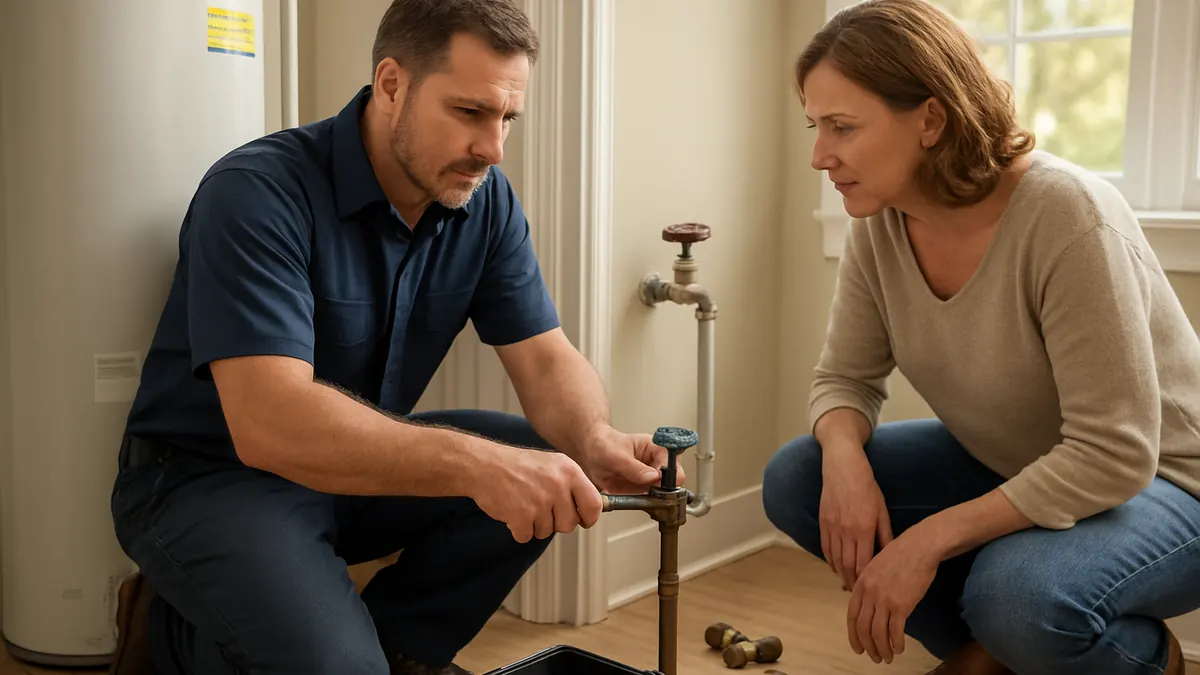
A valve should move with normal hand pressure. If it is stuck, corroded, or leaking around the handle or body, do not force it. Professional replacement before hurricane season can make the system easier to control during an emergency.
Plumbing Problems That Deserve Attention Before the Storm
Leaking Connectors and Valves
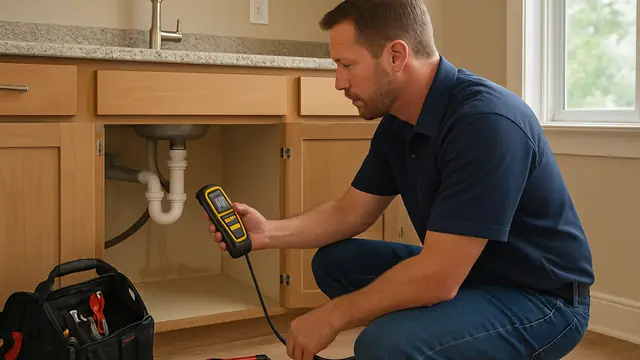
Small leaks often appear around toilet supplies, faucet lines, washing-machine hoses, refrigerator tubing, dishwasher connections, or the water heater. Corrosion, dampness, mineral buildup, or swollen materials are common clues.
Running Toilets
A toilet that runs continuously or refills unexpectedly may have a worn flapper, fill valve, or other internal part.
Multiple Slow Drains
One slow sink may have a nearby clog. Several slow fixtures, gurgling, or water rising in a lower drain can indicate a larger drainage restriction.
Water Around the Heater
Moisture may come from a connection, valve, fitting, drain pan, or tank failure. Water near electrical components or a gas-fired unit should be approached cautiously.
Damaged Exterior Components
Hose bibs, exposed pipes, cleanout caps, irrigation connections, and backflow devices can be damaged by loose objects or falling debris.
Safe Checks Cinco Bayou Homeowners Can Perform
- Inspect visible plumbing with a flashlight. Look beneath sinks, around toilets, behind accessible appliances, and near the water heater.
- Flush each toilet and listen after the tank fills. Run water briefly through sinks, showers, and tubs. Stop if water rises elsewhere or wastewater appears.
- Turn off faucets and confirm that toilets and automatic appliances are not operating. Observe the meter if it is safe and accessible. Continued movement may indicate a leak.
- Outside, disconnect hoses and move loose objects away from exposed plumbing. Do not dismantle cleanouts, backflow devices, or irrigation components.
What Homeowners Should Not Attempt
- Do not climb onto the roof to inspect or clear a plumbing vent. Do not enter standing water to reach a valve, appliance, pump, or electrical panel.
- Do not open a sewer cleanout during a backup. Wastewater may be under pressure.
- Avoid chemical drain cleaners. They may not remove a main-line blockage and can create a hazard for anyone who later services the drain.
- Do not force corroded shutoffs, alter water-heater relief piping, modify gas or electrical connections, or attempt to repair pump controls.
- Do not restart a water heater or appliance that may have been flooded until it has been evaluated safely.
Urgent Signs That Require Immediate Action
- Sewage entering a tub, shower, toilet, or floor drain is urgent. Stop using all plumbing fixtures and keep people and pets away.
- A broken pipe, rapidly spreading wet area, water flowing through a ceiling, or a meter showing substantial unexplained use also requires prompt action.
- Water near an outlet, electrical panel, pump, water heater, or appliance creates an electrical concern. Do not step into the affected area.
- A strong sewer-gas odor, sudden pressure loss, visibly contaminated water, or a ceiling that begins to sag also deserves immediate attention.
- When electrical danger, structural damage, or rising water is present, leave the area and contact emergency services.
How a Licensed Plumber Diagnoses Hurricane-Related Damage
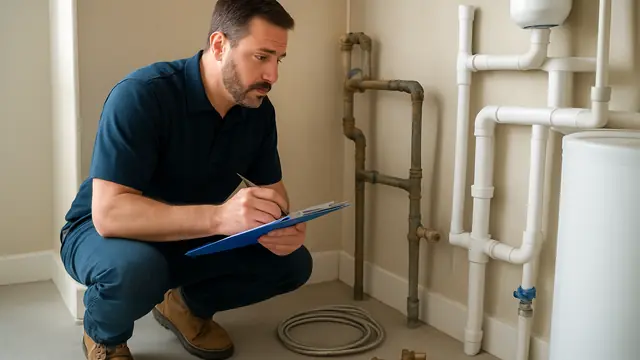
The plumber begins by identifying whether the concern is on the pressurized supply side, the drainage side, a fixture, or an appliance connection.
For a suspected leak, diagnosis may include meter testing, pressure checks, fixture isolation, valve inspection, and electronic or acoustic leak detection.
For a drain problem, the plumber evaluates which fixtures are affected and where the backup first appears. Professional cleaning equipment may be used. A sewer camera may help locate an obstruction, damaged joint, intrusion, crack, or low section.
For water-heater concerns, the plumber inspects the tank, connectors, valves, drain pan, venting, controls, and energy source.
Repair Options From Least Invasive to Most Extensive
A minor repair may involve replacing a toilet flapper, fill valve, faucet connector, washing-machine hose, fixture shutoff, hose bib, or water-heater connection.
A local drain clog may respond to professional cleaning. If the problem recurs, camera inspection may reveal why.
When one pipe section is damaged, a targeted repair may be possible. Full line replacement is considered when damage is widespread, repeated, or unlikely to be solved reliably with a spot repair.
A water-heater component may be serviceable when the tank remains sound. Replacement becomes appropriate when the tank leaks, corrosion is severe, or storm exposure makes the unit unsafe.
Whole-home repiping or complete sewer replacement should be supported by diagnostic findings rather than assumed.
Typical Factors Affecting Cost
- Cost depends on the source of the problem, accessibility, pipe material, diagnostic work, repair length, equipment, permits, and restoration.
- Replacing an exposed connector differs from opening a wall to locate a concealed leak. Clearing a local branch drain differs from repairing a buried main line.
- Emergency timing and post-storm access may affect complexity. A clear estimate should explain what was found, what is recommended, and which alternatives are reasonable.
Prevention and Maintenance Guidance
Repair recurring clogs, running toilets, slow leaks, and unreliable shutoffs before hurricane season. Replace visibly deteriorated flexible connectors.
Keep the main valve, water heater, and appliance shutoffs accessible.
After severe weather, inspect walls, ceilings, cabinets, flooring, exterior plumbing, and the water-heater area. Listen for water movement and observe the meter after all fixtures are turned off.
Follow official boil-water, conservation, and sewer-use instructions. Do not use questionable water contrary to public guidance.
Cinco Bayou Homeowner FAQs
Should I Shut Off the Main Water Before Leaving?
It may reduce damage from some supply leaks, but the correct procedure depends on the property and connected equipment. Obtain specific guidance before storm season.
Why Is My Lowest Drain the First One to Back Up?
A lower fixture may be the first place wastewater escapes when a main drain is restricted.
Can I Keep Using One Bathroom if Another Is Backing Up?
Usually not when the problem affects the main line. Continued use can force more wastewater into the home.
Is a Dripping Shutoff Valve an Emergency?
It may not require evacuation, but it should be repaired before you rely on the valve during a leak.
What Should I Do if the Water Heater Was Flooded?
Do not restart it. Keep away from electrical or gas hazards and arrange an appropriate inspection.
When Is a Sewer Camera Necessary?
A camera is useful when blockages recur, structural damage is suspected, or the plumber needs to locate a specific defect.
Follow the Cinco Bayou Hurricane Plumbing Checklist Before Conditions Deteriorate
A Northwest Florida hurricane plumbing checklist in Cinco Bayou gives homeowners a practical order of action: locate shutoffs, inspect connectors, test drains, examine the water heater, and recognize urgent warning signs. Avoid roof work, chemical drain cleaners, open cleanouts, forced valves, and flooded electrical areas. After the storm, investigate sewage, leaks, pressure changes, and equipment damage as soon as conditions are safe.
About this guide: This resource provides general homeowner education, not a remote diagnosis. Actual conditions, code requirements, equipment, and safe repair options must be evaluated at the property.