Stop and call for qualified help when plumbing water is near electrical equipment, sewage is entering occupied space, gas or burning odors are present, or a repair would require opening pressurized piping.
A hurricane watch has been issued, the wind forecast is strengthening, and you are walking through your Destin home wondering whether the plumbing needs more attention than filling a few water containers. You may notice a slow drain, a hose bib that will not close completely, a damp water-heater pan, or an outdoor cleanout cap that is already loose.
The safest immediate step is to locate the main water shutoff and make sure every adult knows where it is. Do not force a corroded valve or enter a flooded area to reach it. If an active leak is present and the valve is safely accessible, shut off the water and call a licensed plumber.
This Northwest Florida hurricane plumbing checklist in Destin explains what to inspect before the storm, which warning signs require urgent attention, and how to evaluate the system afterward.
Confirm Your Shutoffs Are Accessible
Find the main shutoff near the meter, where the service line enters the home, or in another utility area. The location varies by property. Clear away storage, landscaping, or debris that could block access, and keep the proper meter key or valve tool nearby when one is required.
Locate the individual shutoffs under sinks and behind toilets. A working fixture valve can stop a small leak without interrupting the entire home.
Do not force a seized or leaking valve. A plumber may be able to repair it, replace it, or install a more accessible quarter-turn shutoff before hurricane conditions arrive.
Common Hurricane-Related Plumbing Concerns
Hurricanes do not cause every plumbing failure, but they often expose weaknesses that already exist.
Supply-Line Leaks
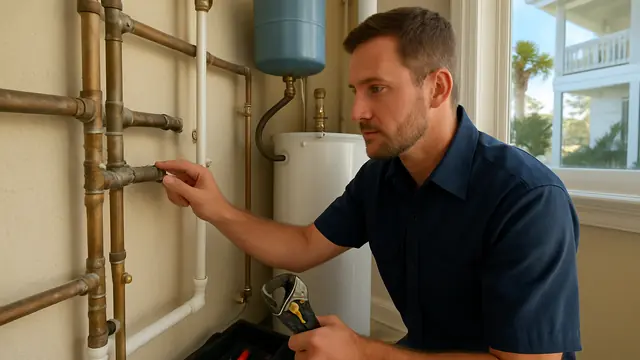
Flexible connectors serving toilets, faucets, washing machines, refrigerators, and water heaters can deteriorate. Vibration, movement, or pressure changes may turn a small weakness into a larger leak.
Drain and Sewer Backups
Heavy rain can coincide with slow drains or backups when a private drain line already contains grease, roots, debris, a partial obstruction, or structural damage. Water rising in a shower when another fixture is used is an important warning.
Damaged Outdoor Plumbing
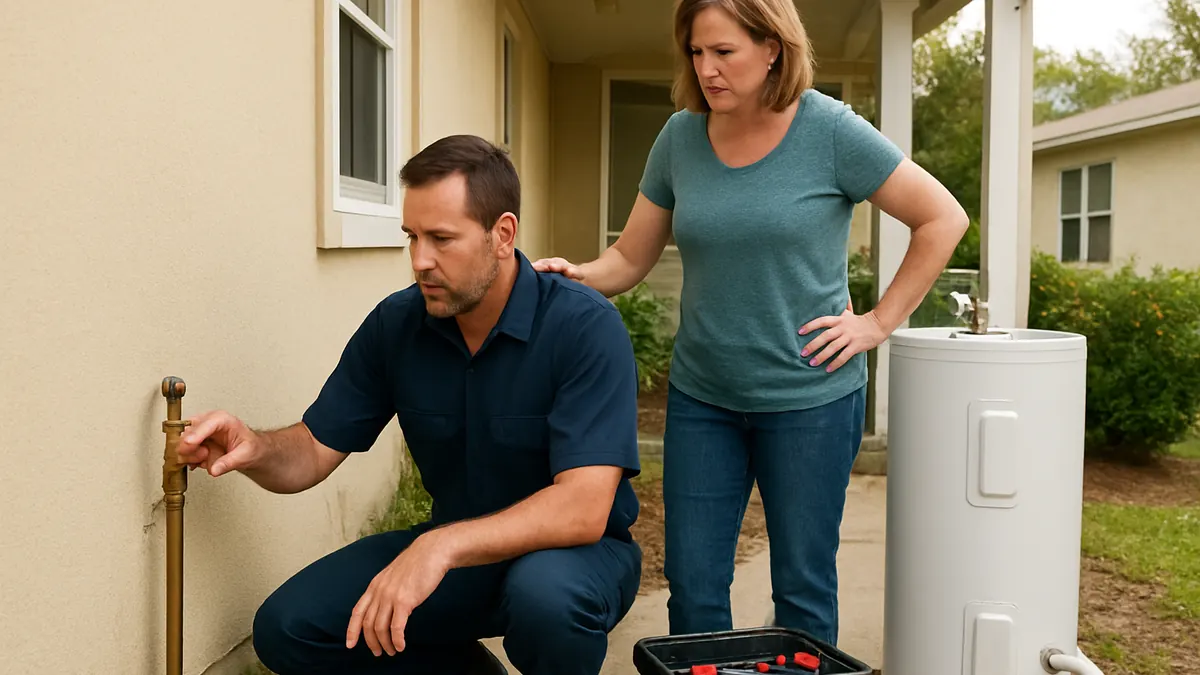
Hose bibs, exposed piping, irrigation connections, backflow devices, and cleanouts can be struck by debris or damaged by shifting objects. A cracked exterior line may release water unnoticed.
Water-Heater Problems
Leaks can develop at connections, valves, drain pans, or the tank. Water around the unit should be investigated, especially when electrical components are nearby.
Water-Quality Notices
After a major storm, follow official instructions from the appropriate utility or local authority.
Safe Checks Before the Weather Deteriorates
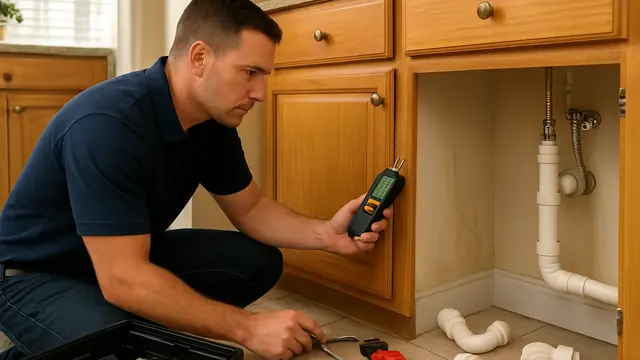
Use a flashlight to look under every sink. Check for moisture, corrosion, swollen cabinet material, staining, or musty odors.
Flush each toilet and confirm that it stops running. Run water briefly at sinks, showers, and tubs. Note any fixture that drains slowly, gurgles, or causes water to rise elsewhere. One slow sink may have a local clog; several slow fixtures may indicate a larger drainage problem.
Inspect washing-machine hoses for bulges, cracking, rusted fittings, or dampness. Confirm that the valves are accessible.
Look around the water heater for dripping, rust trails, corrosion, or water in the drain pan.
Outside, disconnect and secure garden hoses. Verify that cleanout caps are intact, but do not remove a cleanout cap simply to inspect the pipe. Wastewater may be under pressure during a backup.
What Homeowners Should Not Attempt
Do not climb onto a wet roof to inspect plumbing vents. Do not pour chemical drain cleaner into a slow or backed-up system. Chemicals may not remove the obstruction and can create an exposure hazard for anyone working on the line later.
Never use electrical equipment while standing in water. Do not touch a water heater, pump, outlet, or appliance if the surrounding area is flooded.
Do not force stuck valves, alter relief-valve piping, cap plumbing vents, or modify a backflow device.
When the Problem Is Urgent
Seek professional help as soon as conditions safely allow when you find water flowing from a wall, ceiling, floor, or slab area; sewage entering a tub or shower; a main shutoff that will not close during an active leak; water around electrical equipment; a strong sewer-gas odor; a damaged service line; or unexplained loss of water pressure.
If flooding, electrical danger, structural damage, or rising water creates an immediate threat, leave the area and contact emergency services. Personal safety comes before protecting property.
How a Licensed Plumber Diagnoses Storm Damage
A plumber first determines whether the problem involves the pressurized water system, drainage piping, a fixture, an appliance connection, or the incoming service line.
For leaks, diagnosis may include checking the meter, isolating fixtures, testing valves, examining exposed piping, and using leak-detection equipment when the source is concealed.
For drainage trouble, the plumber evaluates which fixtures are affected, inspects accessible cleanouts, tests flow, and may use a sewer camera. A camera can reveal an obstruction, offset joint, intrusion, break, or low section when access and conditions make inspection appropriate.
Water-heater diagnosis may include the tank, connections, drain pan, relief components, venting, controls, and power or fuel supply.
Repair Options, Starting With the Least Invasive
A loose fixture connection may need tightening or a replacement connector. A leaking faucet or running toilet may need a replaceable internal part. A localized clog may respond to professional drain cleaning.
A more serious drainage problem may require camera inspection, targeted cleaning, or repair of one damaged section rather than replacement of the entire line.
An exterior pipe, hose bib, or shutoff can often be repaired at the failed point when surrounding piping remains sound. Water-heater repairs may involve a connection, approved component, or drain arrangement. Replacement becomes appropriate when the tank has failed, damage is extensive, or repair is not practical.
Whole-home repiping, sewer replacement, or service-line replacement should be recommended only when diagnosis supports it.
Factors That Affect Repair Cost
Cost depends on the location and severity of damage, accessibility, pipe material and size, required diagnostic work, permitting, restoration needs, emergency timing, and safe working conditions.
A visible connector leak is usually simpler than a hidden leak behind finished walls. An accessible drain repair differs from a failed line beneath a driveway or structure.
A clear estimate should explain what was found, what repair is proposed, and whether reasonable alternatives are available.
After-Storm Inspection and Prevention
Return only when authorities say conditions are safe. Check ceilings, walls, cabinets, flooring, fixtures, exterior piping, and the water-heater area. Listen for running water after all fixtures are off.
If the meter continues moving when no known device is using water, a leak may be present.
Flush or disinfect plumbing only according to official guidance. Replace filters according to manufacturer instructions or professional recommendations.
Long-term preparation includes accessible shutoffs, sound supply connectors, corrected drain problems, protected outdoor piping, updated service records, and repairs completed before hurricane season.
Homeowner FAQs
Should I Shut Off the Water Before Evacuating?
That may be appropriate for some homes, but the decision depends on the water heater, irrigation, fire-suppression equipment, and other connected systems. Obtain property-specific guidance before storm season.
Should I Drain My Water Heater?
Not routinely. Improper draining can create scalding, sediment, damage, or restart problems. Follow manufacturer and professional instructions.
Can Toilets Work During a Power Outage?
Many gravity-fed toilets can work while water and sewer service remain available. Homes using wells, pumps, ejectors, or lift equipment may lose normal operation.
What Does Gurgling in Several Drains Mean?
It can indicate restricted airflow or a developing main-line blockage. If water is rising or backing up, stop using fixtures and arrange diagnosis.
Is Water Around an Outdoor Cleanout Sewage?
Not always. Sewage odor, wastewater, or debris coming from the cleanout suggests a drain problem. Avoid contact and keep people and pets away.
Protect Your Destin Plumbing Before and After a Hurricane
A Northwest Florida hurricane plumbing checklist in Destin is valuable only when it leads to action. Locate shutoffs, correct slow drains, inspect connectors, protect exterior components, and know which warning signs require professional help. After the storm, avoid flooded electrical areas, follow official water notices, and investigate leaks or backups promptly.
About this guide: This resource provides general homeowner education, not a remote diagnosis. Actual conditions, code requirements, equipment, and safe repair options must be evaluated at the property.