Stop and call for qualified help when plumbing water is near electrical equipment, sewage is entering occupied space, gas or burning odors are present, or a repair would require opening pressurized piping.
Your evacuation bags are packed when you discover that a toilet rocks, a kitchen drain smells unpleasant, or the water meter moves while every faucet is off.
Stop using any leaking or backed-up fixture and locate the main shutoff. Close it only when accessible and operating normally. Never force a stuck valve or enter water near electrical equipment.
This Northwest Florida hurricane plumbing checklist in Lake Lorraine explains safe inspections, urgent warnings, diagnosis, and repair choices.
Prepare for the Two Main Plumbing Emergencies
Most household plumbing emergencies involve either unwanted water entering the home or wastewater failing to leave it.
A broken supply line can continue releasing water until the main shutoff is closed. A blocked building drain or sewer line can force wastewater into a lower toilet, shower, tub, or floor drain.
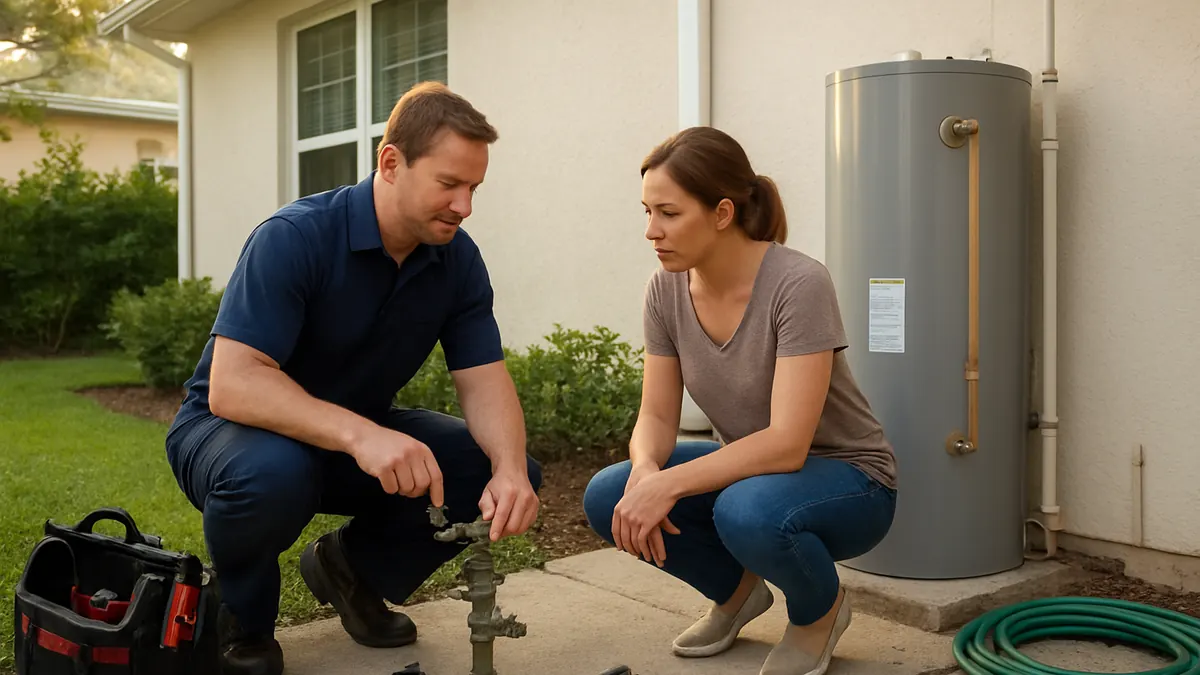
Before hurricane conditions begin, identify the main valve, fixture shutoffs, meter, water heater, cleanout, and power-dependent plumbing equipment.
Common Problems Found During Hurricane Preparation
Loose Toilets and Failed Seals
A moving toilet may have loose hardware, a damaged flange, flooring deterioration, or a failed seal. It should be evaluated rather than repeatedly tightened.
Hidden Supply Leaks
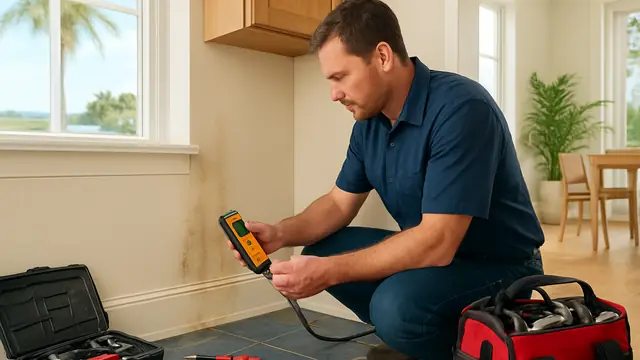
A leak behind a wall, beneath a floor, or under a cabinet may first appear as staining, warped material, musty odor, reduced pressure, or unexplained meter movement.
Drain Odors and Gurgling
A dry trap can release sewer odor, while persistent odor may involve a loose connection, vent, seal, or drain restriction. Gurgling in several fixtures can signal a main-line problem.
Water-Heater Concerns
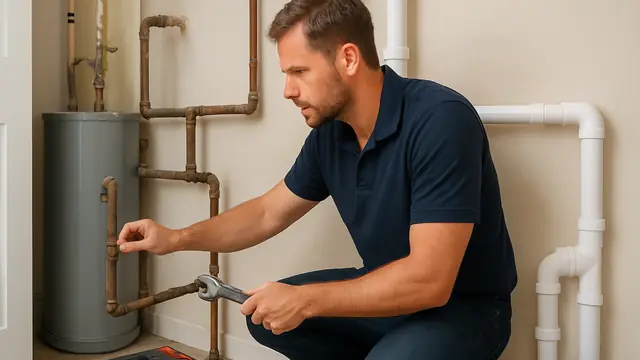
Corrosion, damp fittings, water in the drain pan, or unusual operation should be checked before evacuation. A leaking tank cannot be repaired by emptying the pan.
Deteriorated Appliance Connections
Washing-machine, refrigerator, dishwasher, toilet, and faucet supply lines can fail at the hose or fitting. Bulges, cracks, rust, or moisture indicate a need for attention.
Safe Plumbing Checks for Lake Lorraine Homeowners
- Inspect under sinks with a flashlight and use a dry paper towel to reveal slow moisture at joints and valves.
- Check the floor around each toilet. Do not continue using a toilet that rocks, leaks at the base, or causes the surrounding floor to feel soft.
- Run water briefly at every sink, shower, and tub. Listen for gurgling and watch lower fixtures. Stop if wastewater appears or water rises somewhere else.
- Make sure toilets finish filling and remain quiet. A toilet that starts refilling without use may be losing water from the tank into the bowl.
- With all known water use off, observe the meter safely. Continued movement can indicate a leak, although automatic equipment must be ruled out.
- Inspect the water heater and appliance connectors without removing panels or touching electrical parts.
What a Homeowner Should Not Attempt
- Do not repeatedly tighten a rocking toilet. Excess force can crack porcelain or damage the flange without correcting the seal.
- Do not pour chemical drain opener into a gurgling or backed-up system. It may not clear a deep obstruction and can leave corrosive liquid in the line.
- Do not remove a cleanout cap when wastewater is backing up. The cleanout may release sewage under pressure.
- Do not climb onto the roof to inspect a vent, and do not enter a flooded room, crawlspace, or yard to reach plumbing components.
- Never modify a water-heater relief valve, gas connection, electrical connection, backflow device, or pump control. Do not restart equipment that may have been flooded.
Signs the Problem Requires Urgent Action
- Sewage inside the home is urgent. Stop using toilets, faucets, showers, washing machines, and dishwashers, because additional water can worsen the backup.
- A pipe break, spreading wet area, ceiling leak, or rapid unexplained meter movement requires prompt attention. Close the main valve only if it is safely accessible.
- Water near outlets, panels, appliances, water heaters, or pumps creates an electrical hazard. Keep away from the area.
Other serious signs include sudden pressure loss, a strong persistent sewer-gas odor, discolored water after a service interruption, a bulging ceiling, or visible damage to the incoming service line.
How a Licensed Plumber Diagnoses the Plumbing Problem
Diagnosis starts with the symptom pattern, affected fixtures, timing, and any power or water interruption.
For a supply leak, the plumber may test the meter and pressure, isolate fixtures, inspect valves, and use specialized detection tools before opening surfaces.
For drainage trouble, the plumber distinguishes a fixture clog from a branch or main-line restriction. Cable equipment, suitable hydro jetting, or a sewer camera may locate the obstruction or damage.
A rocking or leaking toilet may require removal so the flange, seal, mounting surface, and nearby flooring can be evaluated.
Repair Options From Smallest to Most Extensive
A running toilet may need a flapper or fill valve. A dripping connector may require replacement. A loose faucet, failed fixture shutoff, or damaged hose bib may be corrected individually.
- A rocking toilet may need resetting with a new seal and secure mounting. A damaged flange or floor may also require repair.
- A local drain clog may be professionally cleared. A recurring main-line blockage may require camera inspection, targeted cleaning, or repair of one defective section.
- A concealed leak may be repaired at the failed area when surrounding pipe remains sound. Broader repiping is considered when failures are widespread.
- A water-heater connector or approved replaceable part may be serviced. A leaking tank or unsafe storm-damaged unit may require replacement.
Factors That Affect the Cost of Repair
Cost depends on the component, accessibility, diagnostic work, pipe and fixture materials, repair scope, permits, and restoration.
Resetting a toilet on a sound flange differs from repairing a broken flange and damaged floor. Replacing an exposed connector differs from finding a concealed leak behind finished surfaces.
A drain cleaning has a different scope from excavating a buried line. Storm access, contamination, and emergency conditions may add complexity.
A professional estimate should connect the recommended work to the findings and explain reasonable alternatives.
Hurricane Plumbing Prevention and Maintenance
Repair rocking toilets, recurring odors, slow drains, running fixtures, and small leaks before hurricane season. Replace visibly worn flexible connectors and keep shutoffs accessible.
- Keep valuables away from supply lines and maintain repair records.
- After the storm, inspect ceilings, walls, cabinets, floors, fixtures, exterior plumbing, and the water-heater area. Listen for unexplained running water and watch the meter.
- Follow official boil-water, water-conservation, and sewer-use notices. If water quality is uncertain, use it only as directed by the appropriate authority.
Lake Lorraine Homeowner FAQs
Is a Rocking Toilet an Emergency?
It may not require immediate evacuation, but it should not be ignored. Movement can damage the seal, flange, or flooring and may lead to leakage.
Why Does a Drain Smell Before a Storm?
The timing may be coincidental. A dry trap, loose seal, vent concern, or drain restriction can cause odor. Persistent odor should be diagnosed.
Can I Keep Using Other Fixtures During a Sewer Backup?
No. If the main line is restricted, water from any fixture can increase the backup.
Should I Test the Main Shutoff Right Before Evacuating?
Only with gentle pressure and only when it is in sound condition. Do not force a questionable valve at the last minute.
What Does a Moving Meter Mean When Everything Is Off?
It may indicate a leak or an automatic water use. Confirm that toilets, irrigation, ice makers, and other equipment are not operating.
When Is a Sewer Camera Helpful?
It is useful for recurring blockages, suspected structural damage, or locating a specific defect before repair.
Use the Lake Lorraine Hurricane Plumbing Checklist Before the Storm Arrives
A Northwest Florida hurricane plumbing checklist in Lake Lorraine should help homeowners find leaks, identify drainage trouble, control water, and avoid unsafe repairs. Check toilets, connectors, drains, shutoffs, and the water heater before conditions worsen. After the storm, respond promptly to sewage, electrical hazards, pressure changes, damaged equipment, or unexplained moisture.
About this guide: This resource provides general homeowner education, not a remote diagnosis. Actual conditions, code requirements, equipment, and safe repair options must be evaluated at the property.