Stop and call for qualified help when plumbing water is near electrical equipment, sewage is entering occupied space, gas or burning odors are present, or a repair would require opening pressurized piping.
Multiple drains backing up in a Lake Lorraine property usually indicate that a shared drain, main sewer, or septic connection is restricted. A homeowner may see wastewater in a tub, hear toilets gurgle, notice several slow sinks, or find that washing-machine discharge rises through a shower.
The lowest fixtures often show the first symptoms because wastewater moves backward when it cannot flow toward the sewer or septic system.
A backup can expose occupants to contaminated water and damage flooring, cabinets, drywall, insulation, and electrical equipment. Stop using water until the cause is identified.
The Most Common Possible Causes
- A main sewer can become blocked by paper, waste, wipes, grease, and debris.
- Grease narrows the line and catches material.
- Wipes and hygiene products do not break down like toilet paper.
- Roots may enter damaged piping.
- Older cast iron may develop scale and corrosion.
- Pipe sections may crack, separate, sag, or collapse.
- A belly can hold solids and wastewater.
- Foreign objects and construction debris may obstruct the line.
- High water use may expose a partial restriction.
- Septic problems may include a full tank, blocked filter, pump failure, damaged piping, or drain-field saturation.
Safe Checks the Homeowner Can Perform
- Stop using all plumbing fixtures and appliances.
- Determine which fixtures are affected.
- Observe the lowest shower, tub, or floor drain.
- Listen for bubbling.
- Note whether high-volume appliances trigger the problem.
- Look for sewage outdoors without touching it.
- Keep children and animals away.
- Notify property management when shared lines are possible.
What the Homeowner Should Not Attempt
- Do not continue testing fixtures.
- Avoid chemical drain cleaners.
- Do not mix chemicals.
- Do not use household snakes to reach a main-line blockage.
- Avoid opening a cleanout under sewage pressure.
- Do not operate professional drain machines or jetters.
- Do not excavate without locating utilities.
- Never enter a septic tank.
Signs That Make the Problem Urgent
Urgent signs include:
- Sewage entering the home
- Multiple toilets failing
- Wastewater reaching electricity
- Contamination beneath flooring
- Strong sewer odors
- Sewage surfacing outside
- Septic alarm activation
- Repeat backup after recent service
- Vulnerable occupants
- Damage threatening other rooms or properties
How a Licensed Plumber Diagnoses It
- The plumber reviews the drainage pattern.
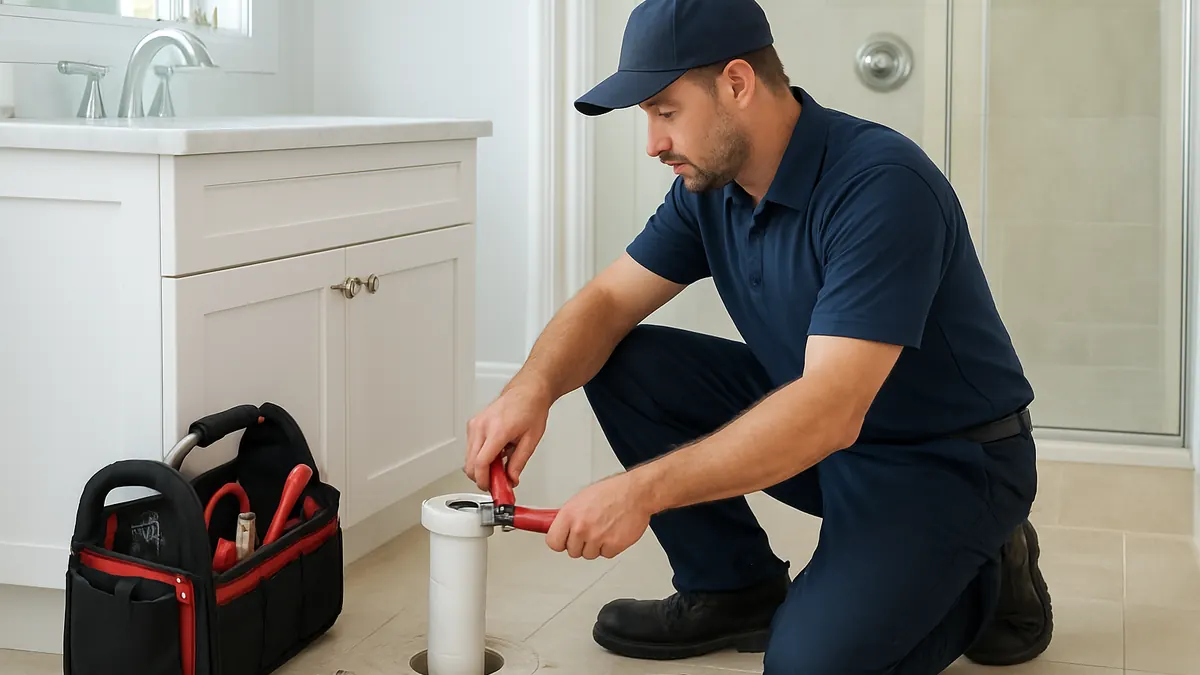
- A cleanout provides access to the main line when available.
- Professional cabling may clear the obstruction.
- A camera inspection can identify roots, buildup, cracks, offsets, bellies, and collapse.
- Locating equipment determines the problem area's position and depth.
- Septic properties may require tank, filter, pump, and field evaluation.
Repair Options
- Mechanical drain cleaning may restore flow.
- Root cutting may clear intrusive roots.
- Hydro jetting may remove grease and sludge.
- Descaling may improve certain cast-iron systems.
- Spot repair may correct one failed section.
- Trenchless lining or bursting may reduce excavation.
- Traditional trenching may be necessary for severe damage.
- Septic pumping, filter cleaning, pump repair, or pipe repair may solve septic-related backups.
Typical Factors Affecting Cost
Cost depends on access, pipe length, depth, obstruction material, pipe condition, camera work, cleaning method, excavation, surface restoration, septic involvement, permits, emergency timing, and sanitation cleanup.
Prevention and Maintenance Guidance
- Dispose of grease with household waste.
- Flush only toilet paper and human waste.
- Use drain strainers.
- Keep construction debris out of plumbing.
- Maintain access to cleanouts.
- Investigate repeat problems with a camera.
- Repair root-entry points when necessary.
- Maintain septic systems and protect drain fields.
- Respond to slow lower drains and gurgling toilets before a complete backup develops.
About this guide: This resource provides general homeowner education, not a remote diagnosis. Actual conditions, code requirements, equipment, and safe repair options must be evaluated at the property.