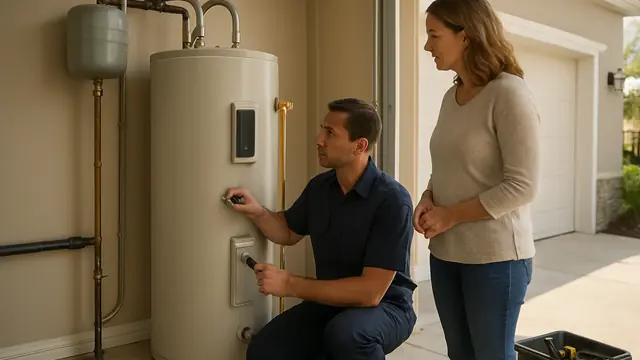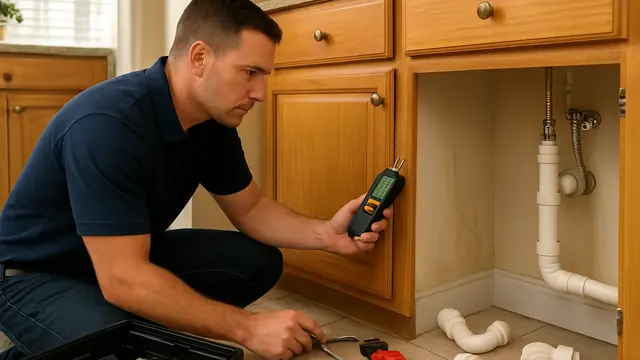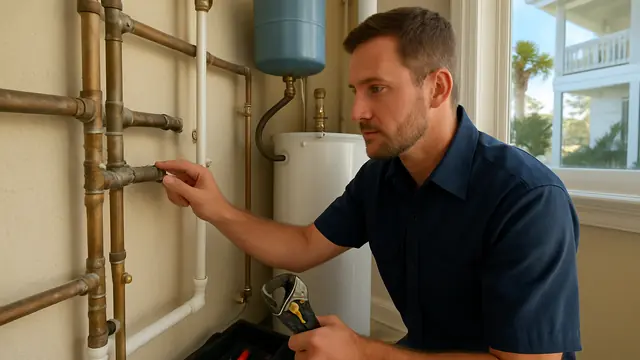
Stop and call for qualified help when plumbing water is near electrical equipment, sewage is entering occupied space, gas or burning odors are present, or a repair would require opening pressurized piping.
When several drains back up at the same time in a Destin home, condominium, vacation rental, or commercial property, the problem usually extends beyond one clogged sink or toilet. A single slow drain often points to a localized blockage. Multiple fixtures backing up-especially toilets, tubs, showers, and floor drains-can indicate a restriction in the building's main sewer line or another shared section of the drainage system.
Homeowners may notice a toilet bubbling when a sink drains, water rising in a shower when the washing machine runs, sewage appearing through a floor drain, or several fixtures draining slowly at once. These symptoms happen because wastewater cannot move freely toward the sewer or septic system. As more water enters the drainage pipes, it is forced backward toward the lowest available opening.
Multiple-drain backups should be addressed promptly. Wastewater can contain bacteria, viruses, chemicals, and other contaminants. It can damage flooring, drywall, cabinets, furnishings, and personal belongings. In a Destin vacation rental or condominium, a backup can also affect guests, adjoining units, building operations, and scheduled occupancy.
The safest first response is to stop using water and arrange a professional inspection. A licensed plumber can identify whether the blockage is caused by accumulated debris, tree roots, damaged piping, a collapsed section, excessive grease, flushed materials, a septic issue, or another condition.
The Most Common Causes of Multiple Drain Backups
A blockage in the main sewer line is one of the most common causes. Every drain in the property eventually connects to a larger pipe that carries wastewater away. When that main line becomes restricted, several fixtures may be affected.
Grease buildup can contribute to sewer restrictions. Cooking oils, fats, sauces, and food particles may enter kitchen drains and attach to the pipe walls. Over time, the opening becomes smaller and catches additional debris.
Paper products and items labeled as disposable or flushable can also cause problems. Wipes, paper towels, feminine hygiene products, cotton swabs, dental floss, and similar materials do not break apart as quickly as toilet paper. These products can collect inside the line and form a dense obstruction.
Tree and shrub roots may enter sewer piping through small joints, cracks, or damaged connections. Roots are attracted to moisture and nutrients. Once inside, they can expand and catch waste until the line becomes partially or completely blocked.
Older sewer piping may develop cracks, separated joints, corrosion, offsets, or collapsed areas. A pipe can also settle and create a low section known as a belly. Wastewater and solids may remain in that low point instead of flowing away properly.
Construction debris, sand, grout, plaster, or other materials can obstruct a drainage line when they are washed into fixtures. Coastal properties undergoing renovation should take special care to keep building materials out of the plumbing system.
Heavy guest usage can expose an existing weakness in a Destin vacation rental. A line that functions during light use may back up when several showers, toilets, dishwashers, and washing machines operate within a short period.
For properties served by septic systems, a full tank, clogged outlet filter, saturated drain field, or damaged septic component can produce symptoms similar to a sewer-line blockage.
Safe Checks a Destin Homeowner Can Perform
Stop using water throughout the property. Do not run sinks, flush toilets, operate the washing machine, start the dishwasher, or take showers. Each additional gallon can increase the amount of wastewater backing up.
Identify which fixtures are affected. If only one sink is slow while everything else drains normally, the blockage may be limited to that fixture or branch line. If several fixtures are affected, especially those on the lowest level, the main drainage system may be restricted.
- Observe the lowest fixtures. Showers, tubs, floor drains, and lower-level toilets often show the first signs of a main-line backup.
- Listen for gurgling. A toilet that bubbles when another fixture drains can indicate that trapped air is being forced through the drainage system.
- Check whether water backs up after a specific appliance runs. If the washing machine causes water to rise in a tub, the shared drain line may be restricted.
Homeowners may visually inspect an accessible exterior sewer cleanout without removing parts or inserting tools. Standing water near the top of a cleanout can suggest that the blockage is farther downstream. However, removing a cleanout cap can release sewage under pressure, so it is safer to leave that step to a plumber when backup conditions are severe.
Keep people and pets away from contaminated water. Wear protective gloves and avoid direct skin contact if sewage has entered the home.
For condominium or multiunit properties, notify the association, building manager, or property manager. The affected pipe may serve more than one unit.
What the Homeowner Should Not Attempt
Do not continue flushing toilets to test whether the problem has cleared. Repeated testing can force more sewage into the property.
Avoid pouring chemical drain cleaner into multiple fixtures. Chemical products may not reach a main sewer blockage, and they can remain trapped in standing water. This creates an additional hazard for homeowners and plumbers.
Do not combine different drain chemicals. Mixing products can produce toxic fumes, heat, or dangerous reactions.
Avoid inserting a small household snake into several fixtures. A short cable may not reach the main obstruction and can damage porcelain, become trapped, or push the blockage into a more difficult position.
Do not climb onto the roof to inspect or clear plumbing vents. Roof access presents a serious fall hazard, and a vent problem is less common than a drainage obstruction when sewage is backing up.
Homeowners should not operate professional sewer machines or hydro-jetting equipment without training. These machines can cause severe injury and may damage weakened piping.
Do not remove a toilet unless you understand the sanitation, lifting, sealing, and floor-protection requirements. The toilet may not be the cause of the backup.
Signs That Make the Problem Urgent
The situation is urgent when raw sewage enters a tub, shower, floor drain, toilet area, or finished room.
Other warning signs include:
- Several drains stop working at once
- Sewage reaches electrical outlets or appliances
- Water is spreading beneath flooring or into walls
- A toilet overflows when another fixture is used
- Wastewater appears in a lower-level shower
- Strong sewer odors develop indoors
- The property serves elderly adults, infants, or medically vulnerable occupants
- A vacation rental has arriving or current guests
- A condominium backup may affect neighboring units
- Sewage is flowing outside near the foundation
- The backup returns soon after a previous drain cleaning
Stop water use immediately. Keep occupants away from contaminated areas and contact a licensed plumber.
How a Licensed Plumber Diagnoses Multiple Drain Backups
The plumber begins by asking which fixtures are affected, when the problem started, and what activity causes the backup. The order in which fixtures respond can help identify the location of the restriction.
The technician may test selected fixtures while observing lower drains. An accessible sewer cleanout can provide a direct entry point into the main line.
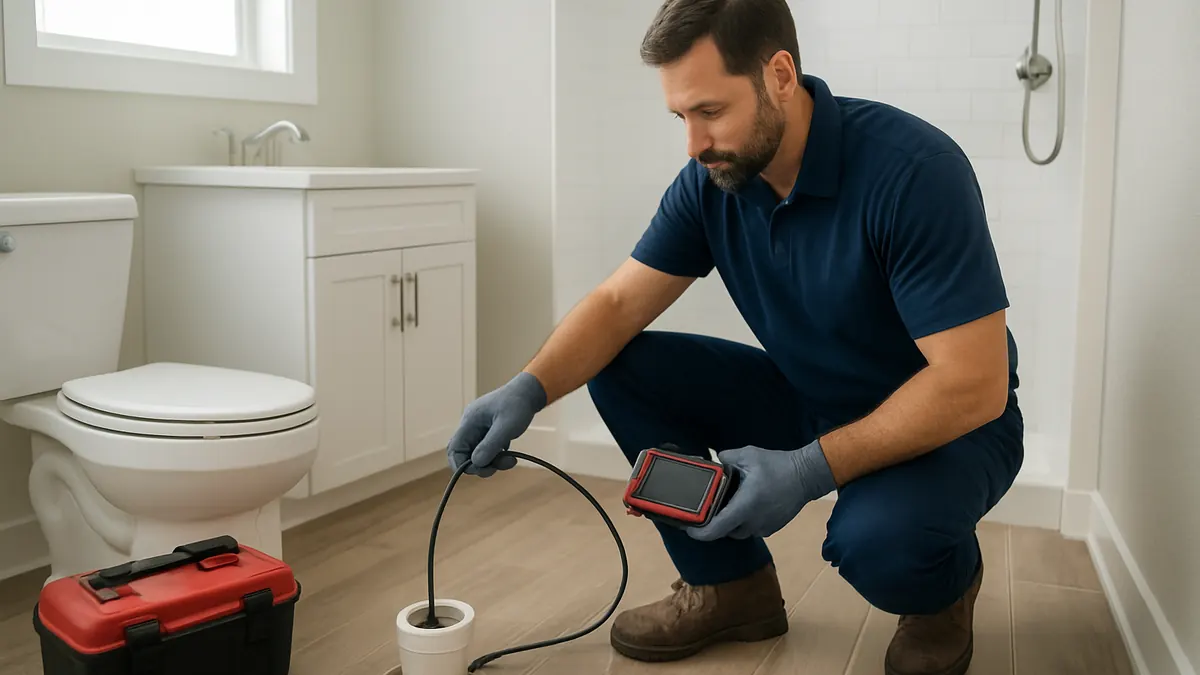
Professional drain-cleaning equipment may be used to determine the approximate distance to the obstruction. The resistance felt through the cable can suggest whether the problem involves soft debris, roots, grease, or a damaged pipe.
After restoring flow, the plumber may recommend a sewer camera inspection. A waterproof camera is inserted into the pipe to view roots, cracks, offsets, corrosion, foreign objects, buildup, bellies, or collapsed sections.
A camera inspection is most useful when the line is sufficiently clear to see the pipe walls. Trying to inspect a pipe while it is completely filled with dirty water may provide limited information.
A locator can identify the camera head's position and depth from above ground. This helps define the repair area if structural damage is found.
For septic properties, diagnosis may include evaluating the tank level, outlet filter, connecting piping, and signs of drain-field trouble.
Repair Options-Not Just the Most Expensive Option
A basic mechanical drain cleaning may be appropriate when the blockage consists of paper, waste, or a limited obstruction.
A larger sewer machine may be used for a main-line blockage. Different cutting heads can address roots, grease, or compacted debris.
Hydro jetting uses high-pressure water to clean material from the pipe walls. It can be effective for grease, sludge, and recurring buildup, but the pipe should be evaluated first. Severely deteriorated piping may not be suitable for aggressive jetting.
Spot repair may be appropriate when damage is limited to one accessible section. This can be less disruptive than replacing the entire sewer line.
Pipe lining may be an option for certain damaged pipes. A liner creates a new interior surface without excavating the full length. The pipe's condition, diameter, connections, and configuration determine whether lining is suitable.
Pipe bursting may allow replacement of an underground line with limited excavation. This method is not appropriate for every property.
Traditional excavation remains necessary when a pipe has collapsed, has severe offsets, lacks a workable path, or contains conditions that trenchless methods cannot correct.
For septic systems, the solution may involve pumping the tank, cleaning an outlet filter, repairing a pipe, or evaluating the drain field. Replacing the entire septic system should not be recommended until the actual failure is identified.
Typical Factors Affecting Cost
Cost depends on the location, depth, severity, and cause of the blockage.
Important factors include:
- Whether the obstruction is in a fixture branch or main sewer
- Availability of an accessible cleanout
- Length and diameter of the affected pipe
- Type of blockage
- Root intrusion
- Grease and scale buildup
- Pipe material and age
- Camera inspection requirements
- Hydro-jetting needs
- Depth of buried piping
- Concrete, landscaping, or pavement above the line
- Condominium or association access restrictions
- Emergency or after-hours service
- Septic system involvement
- Need for sanitation or water-damage restoration
A one-time soft blockage is generally less expensive to correct than a collapsed line beneath a driveway or finished area.
Prevention and Maintenance Guidance
- Dispose of grease, oil, and food waste in the trash rather than the drain. Wipe greasy cookware before washing it.
- Flush only human waste and toilet paper. Even products marketed as flushable can contribute to blockages.
- Use sink strainers to catch food, hair, and debris. Clean shower and tub strainers regularly.
- Do not wash grout, plaster, paint residue, sand, or construction debris into drains.
- Vacation-rental owners should provide clear plumbing instructions for guests and arrange periodic inspections where backups have occurred before.
Properties with recurring root intrusion may benefit from scheduled camera inspections or preventive cleaning. Root removal without correcting a damaged pipe may provide only temporary relief.
Know the location of the sewer cleanout and keep it accessible. Do not cover it permanently with landscaping, decking, or stored materials.
For septic systems, follow an appropriate pumping and inspection schedule based on tank size, occupancy, and usage. Avoid driving or building over the drain field.
Multiple drains backing up are usually a warning that the shared drainage system is not functioning correctly. Prompt diagnosis can reduce contamination, property damage, and repeat emergencies.
About this guide: This resource provides general homeowner education, not a remote diagnosis. Actual conditions, code requirements, equipment, and safe repair options must be evaluated at the property.